

Featured image: AI-generated interior concept using product reference photography. Scale, setting, framing, and placement are illustrative.
Addressing the long wall above a dining room sideboard
The dining room sideboard, often a substantial piece of furniture, anchors one of the most visible walls in a home. It serves a practical purpose for storage and display, yet its expansive surface and the wall above it frequently become a design conundrum. How does one effectively fill the horizontal void above a long sideboard without creating a visual imbalance, overwhelming the space, or neglecting the functional aspects of dining? The key lies in understanding scale, proportion, and the interplay between the art, the furniture, and the room's overall architecture. We are not simply hanging art; we are crafting a focal point that complements the room's purpose, withstands the occasional splash or jostle, and offers visual interest from various vantage points, including seated positions at the dining table. The choice between a single, commanding piece, a carefully curated diptych, or an intricate gallery wall depends on the sideboard's length, the ceiling height, and the desired aesthetic impact. This decision also involves practical considerations such as lighting, protection, and how the art interacts with other design elements in the room, such as pendant lights or window views. A well-chosen and thoughtfully placed artwork can transform a utilitarian sideboard into a design statement, drawing the eye and adding character to a space often dedicated to gathering and conversation. The challenge intensifies with longer sideboards, where the temptation might be to acquire a single, disproportionately large artwork or, conversely, to scatter too many small pieces, neither of which achieves the desired visual harmony.
Understanding the visual weight of art in a dining setting
When selecting art for above a dining sideboard, visual weight is a critical factor. Unlike a living room where art might be viewed from a distance, dining room art is often seen up close and from a seated perspective. This changes how scale and detail are perceived. A piece that feels appropriate in a hallway might seem too small or too busy when viewed repeatedly during a meal. The goal is to create a harmonious relationship between the art, the sideboard, and the surrounding elements, ensuring neither dominates nor disappears. Consider the overall mass of the sideboard itself: is it a heavy, dark wood piece or a light, minimalist design? The art should either echo or deliberately contrast this visual weight. For instance, a very substantial sideboard might benefit from a lighter, airier artwork to prevent the wall from feeling too dense. Conversely, a delicate sideboard could be paired with a more robust artwork to provide necessary grounding. The material and texture of the art also contribute to its visual weight. A canvas with a thick impasto texture will feel different from a smooth, glossy print, even if they are the same dimensions. These nuances are particularly important in a dining context, where the art contributes to the atmosphere of shared meals and conversation. The intention is to create a backdrop that enhances, rather than distracts from, the dining experience. For pop art, the inherent boldness of color and subject matter often carries significant visual weight, even in smaller formats. This means a designer can achieve impact with less physical space, a crucial consideration when balancing art with functional clearances and sightlines. The vibrancy of pop art can energize a dining space, but its intensity must be managed to avoid overwhelming the room or clashing with the quietude sometimes desired for intimate gatherings.
Centering versus offsetting: architectural considerations
The decision to center art above a sideboard or to offset it is more than just a matter of preference; it's an architectural decision that influences the room's balance and flow. Centering a single piece or a symmetrical diptych above the sideboard creates a formal, balanced look. This approach often works best in traditionally styled rooms or when the sideboard itself is perfectly centered on a wall. It provides a clear focal point and a sense of order. However, strict centering can sometimes feel predictable or static, especially in modern or eclectic interiors. Offsetting, on the other hand, introduces dynamism and can be an effective strategy for dealing with asymmetrical room layouts, architectural features like windows or doorways, or even the placement of other furniture. For example, if a tall plant or a floor lamp occupies one end of the sideboard, offsetting the art to the other side can create a more balanced composition. An offset arrangement can also guide the eye along the wall, leading to other points of interest. When considering an offset, the 'rule of thirds' from photography can be a useful guide, placing the artwork's focal point along one of the imaginary lines that divide the wall into three horizontal and three vertical sections. This creates a more natural and engaging visual. The key is intentionality: whether centered or offset, the placement should feel deliberate and contribute to the overall design narrative rather than appearing accidental. For a long sideboard, an offset can break up the horizontal expanse, preventing the wall from feeling monotonous. This might involve grouping several smaller pieces to one side, leaving a larger negative space on the other, which can be filled by an architectural feature or a thoughtfully placed sculptural object on the sideboard itself. The goal is always to achieve a sense of equilibrium, even if that balance is asymmetrical.
Navigating pendant light sightlines and serving clearances
Dining rooms often feature overhead pendant lighting, which can introduce a challenge to art placement. A beautifully chosen pendant can become a visual obstruction if the art is hung too high or too low, interrupting the sightline to the artwork. The ideal scenario is for the art to be visible without having to crane one's neck or peer around a light fixture. This means considering the height of the pendant at its lowest point and ensuring the top edge of the art clears it comfortably. Similarly, the functional aspect of a sideboard as a serving surface cannot be overlooked. There needs to be adequate clearance between the top of the sideboard and the bottom edge of the art to allow for serving dishes, drinks, or decorative objects without risk of damage to the artwork. A general guideline is to leave at least 6-8 inches of vertical space between the sideboard surface and the bottom of the frame, though this can vary based on the height of typical serving ware. For larger pieces, this might mean hanging the art slightly higher than usual. For smaller pieces, it might mean grouping them to create a larger visual mass that still respects the serving area. The material of the art and its framing also play a role here; a piece under glass is more resilient to splashes than an exposed canvas. Balancing aesthetic appeal with practical utility is paramount in this active space, ensuring the art enhances the dining experience without becoming a liability. For instance, if a particularly tall serving piece, like a tiered cake stand, is frequently used on the sideboard, the art's bottom edge might need to be elevated further. Conversely, if the art is the primary decorative element, a minimal clearance might suffice, allowing for a more intimate connection between the art and the furniture. These are not rigid rules, but adjustable starting points for intelligent design.
Hypothetical project: A contemporary dining room with a long sideboard
Imagine a contemporary dining room, 16 feet long by 12 feet wide, with a minimalist 8-foot-long sideboard in a light oak finish. The ceiling height is 9 feet. The room features a large window on one short wall and a doorway on the opposite short wall. An elongated, linear pendant light hangs above the dining table, its lowest point at 36 inches above the table surface, which is standard height. The client desires a vibrant pop art aesthetic to inject personality into the otherwise neutral space. We need to select art that complements the sideboard's length without feeling dwarfed or overwhelming. A single, very large piece might feel too monolithic, while many small, disparate pieces could look cluttered. A diptych or a carefully composed grouping of two or three related pieces seems ideal. The pendant light, while linear, still dictates a certain hanging height to maintain clear sightlines from the table. We also need to account for serving dishes on the sideboard. For this scenario, let's consider two distinct approaches using specific artworks from the gallery. This allows us to compare the impact of different scales and styles of pop art on the same hypothetical wall. The goal is to create a dynamic focal point that aligns with the room's contemporary feel and the client's desire for a lively atmosphere, all while respecting practical considerations. The sideboard, at 34 inches high, and the dining table at 30 inches high, establish key reference points for vertical placement. The wall above the sideboard, measuring 96 inches long and 74 inches high (from sideboard top to ceiling), provides a generous canvas, but one that demands careful attention to horizontal spread and vertical balance. The absence of other significant wall decor on this specific wall means the art above the sideboard will be the primary visual anchor.
Option 1: The bold impact of larger prints
For our hypothetical contemporary dining room, a compelling option is to use a larger, impactful diptych that commands attention without overwhelming the space. Consider the Shepard Fairey "Marilyn Sunrise" + "Marilyn Sunset" Print Set. These two complementary portraits of Marilyn Monroe, with their bold contemporary palette of blue, pink, yellow, purple, and mint, offer a significant visual presence. The works are designed as a matching set, creating a strong diptych presentation. While exact dimensions are not provided in the listing, we can assume a substantial size for "large-format" prints, perhaps around 24x36 inches unframed each, leading to a combined width of approximately 48 inches plus spacing. When framed, these would be even larger. This scale is appropriate for an 8-foot sideboard, occupying a good portion of its length without extending too far. The vibrant colors would pop against the light oak sideboard and neutral walls, fulfilling the client's desire for a lively pop art aesthetic. The "Sunrise" and "Sunset" compositions, with one presenting a darker, more shadowed Marilyn and the other a lighter, more open portrait, create a dynamic interplay that prevents the diptych from feeling static. Their street art-inspired aesthetic aligns perfectly with a contemporary interior. When planning placement, we would center the diptych above the 8-foot (96-inch) sideboard. Assuming each framed print is, for planning purposes, 28 inches wide by 40 inches high (including a generous mat and frame), a 4-inch gap between them would result in a total width of 60 inches. This leaves 18 inches of sideboard visible on either side, providing ample visual breathing room without feeling sparse. The bottom edge of the frames would be positioned approximately 10-12 inches above the sideboard surface (which is 34 inches high), placing the bottom at 44-46 inches from the floor. This ensures ample clearance for serving platters and maintains a comfortable viewing height from a seated position. Given the frames are 40 inches high, the top edge would be at 84-86 inches from the floor. The lowest point of the pendant light is 36 inches above the 30-inch-high table, meaning it's 66 inches from the floor. Our art's top edge at 84-86 inches ensures it comfortably clears the pendant light's sightline, allowing for an unobstructed view of the art from the dining table. This approach offers a cohesive, strong statement that ties the room together with a clear focal point. The larger format also means less visual clutter, allowing the vibrant imagery to speak for itself with a bold, contemporary presence.
Option 2: The curated charm of small, impactful works
Alternatively, for our hypothetical dining room, we could opt for a more curated, intimate display using smaller, yet equally impactful, artworks. The Death NYC Marilyn Monroe Dollar Bill Art Set of 2 offers a distinct charm. These two separate dollar-bill artworks, featuring Marilyn Monroe with colorful pop art accents and LV-style monograms, are inherently smaller due to their medium. Each composition appears on a U.S. one-dollar bill. While the exact framed dimensions are not provided, we can assume them to be relatively compact, perhaps around 8x12 inches each when professionally framed with a mat, as suggested by the reference image. This smaller scale necessitates a different approach to arrangement above the 8-foot sideboard. Instead of a single, dominant diptych, we would create a tighter grouping. Given their small size, a horizontal arrangement with a narrow gap, perhaps 2 inches between the frames, would create a combined width of approximately 18 inches (assuming 8-inch wide frames). This would look too small centered alone above an 8-foot sideboard. To give them more presence and balance the long sideboard, we could arrange them vertically, one above the other, with a 3-inch gap between frames. Assuming each framed piece is 12 inches high, this creates a total vertical visual block of 27 inches. This vertical arrangement, centered on the sideboard, would draw the eye upward and provide a more substantial visual anchor than a simple horizontal pairing. The bottom edge of the lower frame would be placed 10-12 inches above the sideboard (34 inches high), putting its bottom at 44-46 inches from the floor. The top of the upper frame would then be at 71-73 inches from the floor, well above the pendant light's sightline at 66 inches. This vertical stacking allows for a deliberate, focused presentation of the intricate details within the dollar-bill art. To further balance the 96-inch sideboard, we could flank this central vertical grouping with carefully chosen decorative objects. For example, two slender, sculptural vases or a pair of modern table lamps, placed towards the outer thirds of the sideboard, would extend the visual interest horizontally without competing with the art. The vibrant pinks, yellows, and blues of the Death NYC pieces would still deliver the desired pop art energy, but in a more understated, collectible manner, perfect for a client who appreciates fine detail and a sense of discovery. This approach offers flexibility, allowing for easy updates or additions to the decorative elements over time, while the art remains a consistent, engaging focal point. It demonstrates how smaller works can achieve significant impact through thoughtful arrangement and complementary styling.
Protection and longevity for art in a dining environment
Placing art above a dining sideboard introduces specific environmental challenges that demand careful consideration for protection and longevity. The dining area is prone to splashes from food and drinks, steam from hot dishes, and fluctuations in temperature and humidity, especially during meal preparation and serving. Paper-based artworks, such as the Shepard Fairey "Marilyn Sunrise" + "Marilyn Sunset" Print Set or the Death NYC Marilyn Monroe Dollar Bill Art Set of 2, are particularly susceptible to damage from moisture, stains, and even airborne grease. Professional framing is not merely an aesthetic choice; it is a critical protective measure. Using archival-quality, acid-free mats and backing boards prevents discoloration and degradation of the artwork over time. More importantly, selecting appropriate glazing is essential. While no frame can prevent all fading, museum-quality acrylic or glass with UV-filtering properties significantly reduces the risk of light damage, which is a common concern for paper art. Acrylic is often preferred in dining areas due to its shatter-resistance, offering an extra layer of safety against accidental impacts, especially in homes with children or pets. It is also lighter than glass, which can simplify installation. Beyond framing, strategic placement is key. Avoid hanging art directly above areas where hot plates or steaming dishes are frequently placed, as prolonged exposure to steam can cause warping or moisture damage, even through a frame. Similarly, direct sunlight, particularly from south-facing windows, should be avoided as even UV-filtering glazing only mitigates, rather than eliminates, the risk of fading. Regular, gentle cleaning of the frame and glazing with appropriate products will help maintain the artwork's appearance. By investing in proper framing and thoughtful placement, these pop art pieces can be enjoyed for many years in the dynamic environment of a dining room, maintaining their vibrancy and integrity. A conservator can offer specific advice for particularly valuable or delicate works, but for most contemporary prints, standard archival framing practices provide robust protection.
Final considerations and an invitation to browse
Designing the wall above a dining sideboard is an exercise in balancing aesthetics with practicality. It requires a keen eye for scale, an understanding of how light and proximity affect perception, and a proactive approach to protecting the chosen artworks. Whether you opt for the bold, expansive statement of a large diptych like the Shepard Fairey "Marilyn Sunrise" + "Marilyn Sunset" Print Set, or the intimate, curated charm of smaller, detailed pieces such as the Death NYC Marilyn Monroe Dollar Bill Art Set of 2, the decision should always align with the room's overall design philosophy and the functional demands of a dining space. The Fairey prints, with their substantial size and vivid street art aesthetic, are ideal for creating a singular, powerful focal point that grounds a long sideboard and injects immediate energy. Their scale allows them to hold their own against larger furniture and architectural features, making them suitable for rooms that can accommodate a grander gesture. The "Sunrise" and "Sunset" compositions offer a sophisticated interplay of light and shadow, elevating the iconic Marilyn image beyond simple celebrity portraiture. These pieces are designed to be viewed as a pair, creating a cohesive visual narrative that commands attention and defines the space. The Death NYC dollar-bill artworks, conversely, invite closer inspection. Their smaller scale and intricate details lend themselves to more nuanced arrangements, perhaps as part of a tightly grouped cluster or flanked by other decorative elements to achieve visual balance. The playful subversion of currency, combined with the iconic Marilyn imagery and subtle luxury brand motifs, adds a layer of intellectual curiosity to their pop art appeal. These pieces are perfect for designers who appreciate subtle humor and a collectible quality, or for spaces where a more intimate scale is desired, encouraging guests to lean in and discover the artistic interventions. In either case, the consistent element is the choice of Marilyn Monroe as a subject, an enduring icon of pop culture who transcends eras and styles, making these pieces versatile additions to various contemporary interiors. Remember to confirm final framed dimensions, current availability, and condition before specifying any artwork for a project. The right art above a dining sideboard doesn't just fill a void; it tells a story, sets a mood, and becomes an integral part of the home's character. It transforms a functional area into a gallery of personal taste and thoughtful design. We invite you to explore the full collection at Gauntlet Gallery, where you will find a diverse range of pop art and street art that can inspire your next dining room transformation. Discover pieces that resonate with your vision and bring a unique voice to your residential projects.
Shop Pop art
Explore current pieces available from the gallery.
-

Andy Warhol The Beatles 1980 Vintage Poster Framed Pop Art Times Books Stokes
$349.00 USD
-

After Roy Lichtenstein I Love Liberty Framed Pop Art Print
$75.00 USD
-

Shepard Fairey Warhol Collages (Silver)
$225.00 USD
-

Shepard Fairey Keith Haring Signed Numbered Screen Print OBEY Portrait /450
$699.00 USD
-

Shepard Fairey Keith Haring Signed Numbered FRAMED Print 2020 Obey Giant 23/450
$395.00 USD
-
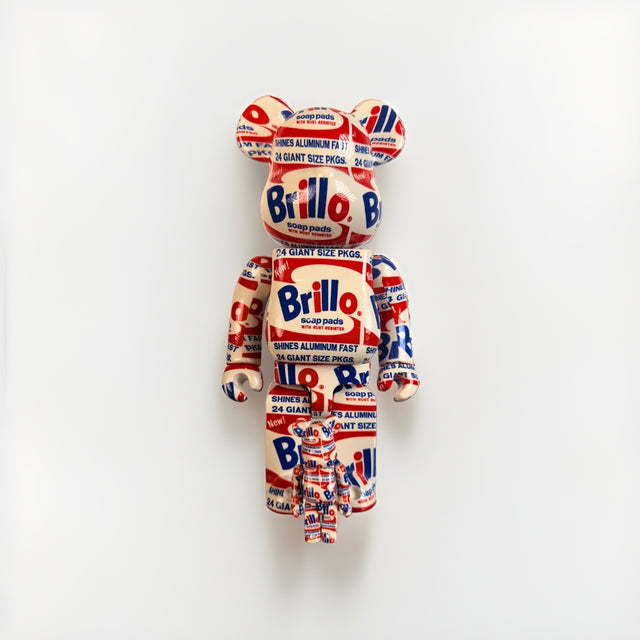
Bearbrick BE@RBRICK Andy Warhol Brillo 400% 100% Set Original 2020 Medicom New
$275.00 USD


Browse the collection for current listings.