
Collector FAQ: Buying, Authentication & Shipping
Authentication, shipping, returns, offers, and sourcing, answered clearly before you buy.
11 questions Authenticity & provenance COAs, third-party authentication, provenance, and category-specific verification.
Is every piece you sell authenticated?
Our review is specific to the category and the individual object. Evidence can include artist or publisher records, release details, photographs, source history, edition markings, and third-party authentication documents where supplied.
Check the item listing for the documentation included with that piece. A seller certificate or digital record does not replace the underlying evidence. Contact us before buying if you need a photograph or clarification.
How are Shepard Fairey prints authenticated?
Shepard Fairey prints are authenticated through Obey Giant studio provenance: each piece is hand-numbered against a known edition size, carries the artist's pencil signature on the print itself, and is verified against published edition records. We confirm signature, edition number, and edition match before listing.
Canon: Hand-numbered edition · Signature-on-print · Obey Giant studio provenance. Fairey is silent on third-party authentication houses — we never claim an external authentication chain on a Fairey piece.
How are KAWS and BE@RBRICK designer sculptures and figures authenticated?
For KAWS and BE@RBRICK figures, compare the release, size, colorway, maker marks, finish, packaging and source history. Manufacturer NFC features, holograms and seals are relevant only where present on that specific release.
Packaging and seal status vary by item and are disclosed in the listing. KAWS and BE@RBRICK figures do not receive TrueCOA authentication; an NFC feature is a manufacturer feature, not a TrueCOA certificate.
How are Death NYC prints authenticated?
Review the print signature, edition marking, image, paper and accompanying artist documentation. Depending on the edition, documentation may include an artist-signed certificate and gold seal; artist proofs and other variants can have different markings.
The listing identifies the documentation included with that particular print. Ask for certificate and signature photographs before purchasing if you need a closer view.
How are Warhol prints authenticated?
Warhol-related prints must be described by their actual publisher, edition and production context. A lifetime edition, a later publisher edition and a reproduction are different objects and should not be presented as equivalent.
Review the publisher marks, edition references and provenance supplied with the listing. A digital certificate records information and does not establish Warhol authorship or Foundation authentication.
How is signed music memorabilia authenticated?
Signed music listings identify the authentication documents supplied with the individual piece, such as Beckett Authentication Services, James Spence Authentication or PSA/DNA documents where present.
Do not assume an item has multiple certifications. Match the certificate number and photographs to the object, and check the issuing service when a lookup is available. A signature certificate does not by itself prove that an instrument was used on stage or on tour.
How is space memorabilia authenticated?
Review astronaut signatures and flown status as separate claims. A signature opinion does not establish that an object traveled in space.
The item listing identifies available evidence, which may include specialist authentication, mission-related records, source history or accompanying letters. Use only the named documents supplied with that object and ask us for supporting images before purchase.
What is a certificate of authenticity (COA) for art?
A certificate of authenticity records an issuer's identification or opinion about an object. Its value depends on the issuer, supporting evidence and whether the document can be matched to the exact piece.
A certificate alone does not prove authenticity. Compare signatures, edition details, source history, photographs and issuer records where available. The product listing states which documents accompany the item.
What is TrueCOA and how does it work?
TrueCOA is a certificate and documentation record used for select works where the listing expressly identifies it. Review the associated photographs and source evidence as well as the certificate record.
A digital record documents the information entered; it does not independently establish authorship. TrueCOA is not used to authenticate KAWS or BE@RBRICK figures and is separate from manufacturer NFC features.
What is provenance in art, and why does it matter?
Provenance is the documented source and ownership history of an object. It can include invoices, release records, publisher correspondence, prior sales and photographs that connect the evidence to the piece.
Evaluate gaps and inconsistencies as well as the documents supplied. A certificate or digital record cannot create a missing ownership history. Ask us for the evidence available for the specific item you are considering.
What is the difference between PSA, Beckett, and JSA authentication?
PSA/DNA, Beckett Authentication Services and James Spence Authentication offer third-party autograph authentication. Their certificate formats, coverage and lookup processes vary.
Check the named issuer and certificate number shown in the item listing. Multiple certifications are not assumed, and an autograph opinion does not establish an instrument's tour use or an artifact's flown status.
5 questions Buying from Gauntlet How Gauntlet sources, presents, and stands behind the pieces it offers.
Why shouldn't I buy direct? The piece may no longer exist at retail.
Buying direct from the artist, publisher or manufacturer is a useful starting point when a release is available. Older, sold-out and discontinued editions often require searching the secondary market.
Compare the exact edition, release year, condition, packaging and provenance. Availability and reissues depend on the specific artist and release.
Why shouldn't I buy direct? Authentication and access matter.
Buying direct is ideal when the exact piece is still available from the artist, publisher, or brand. When it is not, the harder work is sourcing a clean example, checking the chain, matching the certificate, inspecting condition, and packaging it correctly.
That is where Gauntlet adds value: access, verification, condition review, provenance documentation, and a single accountable seller instead of an anonymous secondary-market listing.
What makes Gauntlet pieces different from larger signed memorabilia dealers?
Selected signed instruments are presented with custom display details. The item listing explains the instrument, signature, authentication documents and any customization.
Compare the actual object and evidence rather than assuming that all signed instruments share the same history, condition or certificates.
Where are you located?
We're based in San Francisco. We originally opened as a brick-and-mortar gallery on Larkin Street in the Tenderloin in 2012, and today operate as a digital-first gallery serving collectors worldwide from the same city.
Bay Area concierge hand-delivery is available on request for pieces over $2,500 — email info@gauntlet.gallery to arrange.
Are you the original Gauntlet Gallery that was in the Tenderloin?
Yes. We're the current owners of Gauntlet Gallery — the same gallery founded in 2012 at 1040 Larkin Street in San Francisco's Lower Nob Hill. After acquiring the gallery, we've carried forward its original mission of curated, accessible contemporary art and expanded it into a digital-first platform serving collectors globally.
The brick-and-mortar space is closed, but the team, the curatorial standards, and the SCOPE Miami Beach-era provenance are intact.
5 questions Shipping, returns & offers Fulfillment, packaging, returns, offers, and direct contact questions.
How quickly do you ship?
1–2 business days from the time your order is placed. Every piece is packed in-house by our team — we don't drop-ship.
Domestic (US) deliveries typically arrive 2–5 business days after dispatch. International deliveries: 5–14 business days depending on destination and customs.
A UPS or USPS tracking number is emailed the moment the label is printed.
How do you package and ship?
We ship with UPS or USPS. We choose the safest carrier for the item size, weight, value, packaging, and destination.
Free standard shipping applies to U.S. orders over $500. International shipping and upgraded services are charged separately. Mailing tubes and standard boxed or framed art are usually $20; ornate framed art, oversized works, and heavy figurines are usually $50.
Every shipment is packed in-house and tracking is emailed when the label is printed. Signature may be required for higher-value shipments.
What is your return policy?
15-day return window from delivery on eligible pieces. Pieces must arrive back in original condition with all documentation (including any certificates and signed papers supplied with the item).
Buyer pays return shipping and insurance for the full purchase value unless we made an error or the item arrived damaged. Original outbound shipping is not refunded. Final Sale and commissioned pieces are not returnable.
Full details on our Shipping & Returns page.
Can I make an offer?
Absolutely. Every product page has a Make an Offer button beneath the Buy Now button. Clicking it opens your mail app pre-filled with the piece, price, and offer fields — just fill in your number and hit send.
Offers go to info@gauntlet.gallery. We typically respond within 24 hours with a yes, a counter, or a graceful no.
How do I contact you?
Email is the fastest route: info@gauntlet.gallery.
We reply to every collector email personally — usually within a few hours during US business hours, always within 24 hours. Whether you're asking about a piece, authenticating provenance, arranging consignment, or just getting a feel for our catalog, we're happy to talk.
2 questions Sourcing & consignment Requests, special searches, and consignment opportunities.
Can I request a specific piece or artist?
Yes — we actively source for collectors. If you're looking for a particular Shepard Fairey edition, a signed guitar from a specific artist, an Apollo-mission-flown artifact, or anything within our categories, let us know.
Email info@gauntlet.gallery with what you're looking for and your budget. After 14 years in the market we have deep relationships with artists, galleries, auction houses, and authenticators — we source pieces that never hit the open market.
Do you accept consignment?
Yes, we consider consignment partnerships for authenticated pieces that fit our curatorial lanes: limited-edition street art, signed music and memorabilia, flight-flown space artifacts, and designer sculptures and figures with strong provenance.
Send high-resolution photos, full condition notes, any authentication paperwork you have, and your ideal price to info@gauntlet.gallery. We respond to every serious inquiry within 3 business days.
2 questions Collector education Market context and safe buying guidance for authenticated art and memorabilia.
Is street art a good investment?
Limited-edition street art and collectibles can develop stronger resale demand when the artist, edition, condition, documentation, and cultural relevance are strong. Past public sale records are useful context, but they are not a forecast and they do not make art a regulated investment product.
Collectible art is illiquid, can be difficult to price, and values can move down as well as up. We recommend buying pieces you want to own and display, then using authentication, condition notes, provenance, and recent comparable sales to avoid overpaying. Nothing on this site is financial or investment advice.
How do I safely buy authenticated art or memorabilia online?
Start with the exact object and edition. Request clear photographs, read the condition notes, match any certificate to the piece and review the issuer's records where available. Distinguish artist or publisher provenance from a seller-issued certificate.
Before buying, review the shipping and return terms that apply to the item. Email info@gauntlet.gallery if you need supporting images or clarification.
Still have a question?
Send the piece, artist, or provenance question and we will reply directly at info@gauntlet.gallery.
Collectors Ask Us Everything
Authentication, pricing, condition, framing, shipping, and artist-specific guidance — answered by the Gauntlet Gallery team.
Collector Confidence / Buying Strategy
25 questions-
Collectible art usually has a clear artist, scarcity, provenance, condition transparency, and a story a buyer can repeat. Decorative art may look great, but it often lacks edition structure, market history, or cultural context that supports collector demand.
-
A smart purchase is disciplined: the buyer checks authenticity, condition, comps, fit, and downside before buying. An impulse buy skips those steps and usually relies on excitement, scarcity pressure, or a seller’s story.
-
Start with the category you understand and can research quickly: street art, signed music, designer toys, or space memorabilia. The best starting lane has visible comps, strong authentication standards, and pieces you would still enjoy if resale takes time.
-
A curated collection has a theme, quality threshold, and visual rhythm. Random collections feel like purchases; curated collections feel like decisions.
-
Taste should be the filter and resale should be the guardrail. Buy pieces you genuinely want to live with, but let market data, authenticity, and condition keep you from overpaying.
-
A strong starter collection usually has one anchor piece, two or three supporting pieces, and a clear theme. It should teach the collector how to evaluate condition, authentication, display, and resale without taking reckless risk.
-
Choose a theme first, then build around artists, eras, or cultural moments that connect. A music, pop-culture, or street-art collection works best when each piece reinforces the same story instead of competing for attention.
-
A ten-year keeper has more than hype: it has durable imagery, real scarcity, clean condition, and a reason future collectors will still care. The safest pieces are usually easy to explain and hard to replace.
-
Use a waiting rule: do not buy a drop unless it fits the collection, the edition makes sense, and comparable demand exists beyond launch week. Most hype cools off; discipline saves cash.
-
Buying for a wall prioritizes immediate visual fit. Buying for a collection adds artist relevance, provenance, edition integrity, condition, and how the piece strengthens the larger story.
-
A piece fits when it improves the collection without requiring a long explanation. It should connect through artist, theme, medium, era, or display logic.
-
Recognizable imagery, music connections, pop-culture references, and iconic street-art graphics are easiest for guests to understand quickly. Immediate recognition lowers the barrier for new collectors.
-
A conversation piece has a hook: a famous artist, unusual format, cultural reference, scarce edition, or great provenance. The buyer should be able to tell its story in 30 seconds.
-
Use the anchor piece to define the room or collection, then choose affordable supporting works that echo its theme or color story. The smaller pieces should make the hero piece feel more intentional.
-
It means prioritizing clean condition, strong provenance, desirable edition, and clear authenticity over simply buying the cheapest version. In collectibles, the better example is often easier to resell and easier to enjoy.
-
Collectors regret compromises when the flaw is visible every day or limits resale later. A cheap but damaged, poorly documented, or off-theme piece can become expensive dead inventory.
-
Pass when the price depends on best-case assumptions, the condition is under-disclosed, the seller avoids questions, or the piece does not fit your larger collection. Liking it is not the same as needing it.
-
Build around your own thesis: music, political graphics, astronauts, designer toys, or a specific artist lane. Distinct collections usually come from consistent taste plus selective buying, not novelty chasing.
-
Current but not trendy art connects to broader themes like music, politics, nostalgia, design, or identity. Trend-only work depends on attention; culturally relevant work keeps earning attention.
-
Pick a theme broad enough to evolve, such as protest art, music icons, space history, or pop-culture remix. Then use subcategories to keep the collection varied without losing coherence.
-
Start small, buy authenticated pieces, study sold comps, and track every purchase. The safest education is learning on items with manageable downside and clear documentation.
-
Categories with irregular supply reward patience: early street-art prints, high-grade signed music pieces, scarce BE@RBRICK collaborations, and authenticated space memorabilia. Waiting improves selection.
-
Hyped drops, unauthenticated autographs, loose designer toys, and vague marketplace listings punish impatience. These are the places where a rushed buyer can overpay or buy a fake.
-
At $500+, buyers should verify authenticity, condition, seller history, recent comps, shipping protection, and return options. This is the point where documentation starts to matter materially.
-
At $2,500+, insist on serious provenance, third-party authentication where applicable, detailed condition photos, insured shipping, and a clear paper trail. Treat it like a collectible asset, not a casual decor buy.
Pricing, Comps & Market Value
25 questions-
Asking prices show seller ambition; sold prices show buyer behavior. Use asking prices to understand the market’s ceiling, but rely on recent sold comps to estimate real clearing value.
-
A useful comp matches artist, title or series, size, medium, edition type, condition, framing, authentication, and sale date. If those variables differ, the comp needs an adjustment.
-
The strongest comp is recent, public, documented, and close in condition and format. A weak comp is old, private, poorly described, or based on a piece with hidden damage or missing paperwork.
-
For active categories, comps from the last 6–18 months usually matter most. Older comps still help when supply is thin, but they should be adjusted for market shifts and artist momentum.
-
Use adjacent comps: same artist, similar size, similar medium, related series, and comparable desirability. Then discount for uncertainty instead of pretending a rare piece has exact market precision.
-
A low comp can be misleading if the item was damaged, poorly listed, unauthenticated, sold in a weak venue, or ended at a bad time. Cheap sales are not always true market value.
-
A high comp can reflect bidding competition, exceptional condition, premium framing, celebrity provenance, or auction hype. Do not use a record sale as the base case unless the current piece is comparable.
-
Framing adds value only when it is attractive, archival, and buyer-ready. Poor framing, permanent mounting, or bulky shipping risk can reduce value even if the frame was expensive.
-
Authentication should be treated as a value premium when it reduces buyer uncertainty and increases resale confidence. For heavily faked categories, missing authentication should create a meaningful discount or a pass.
-
Condition is a pricing adjustment, not a footnote. Clean examples deserve premiums, while creases, fading, box damage, missing COAs, or surface flaws should be reflected in the offer.
-
A high comp can reflect bidding competition, exceptional condition, premium framing, celebrity provenance, or auction hype. Do not use a record sale as the base case unless the current piece is comparable.
-
A very cheap marketplace price may signal missing paperwork, poor condition, counterfeit risk, or a seller who does not know the item. That can be an opportunity, but only after verification.
-
The discount depends on category, but designer toys and collectibles often take a meaningful hit without original boxes. Missing packaging reduces display completeness, buyer confidence, and future resale ease.
-
Condition is a pricing adjustment, not a footnote. Clean examples deserve premiums, while creases, fading, box damage, missing COAs, or surface flaws should be reflected in the offer.
-
Condition is a pricing adjustment, not a footnote. Clean examples deserve premiums, while creases, fading, box damage, missing COAs, or surface flaws should be reflected in the offer.
-
Auction results often include buyer premiums and may not equal the seller’s net. When using auction comps, separate hammer price, buyer’s premium, taxes, shipping, and seller fees.
-
eBay fees reduce the seller’s real proceeds, so a $1,000 sale is not $1,000 in pocket. Sellers should price around platform fees, promoted listing costs, shipping, insurance, and payment processing.
-
Liquidity matters because a valuable item is only useful if there are real buyers at that level. A slightly lower-value piece that sells quickly can be better than a theoretical high-value item that sits.
-
Recognizable artists, authenticated signed music, popular KAWS or BE@RBRICK releases, and strong street-art images tend to resell faster. Liquidity improves when buyers already understand the category.
-
Rare, expensive, niche, or oversized pieces often need patience. They may have strong value, but the buyer pool is smaller and may require the right moment.
-
An underpriced piece is credible when the seller provides clean photos, matching documentation, reasonable provenance, and no pressure tactics. If the seller avoids basic verification, it is not a deal.
-
A piece can be expensive but fair when it is scarce, clean, authenticated, well-presented, and backed by strong comps. Price should reflect quality and reduced risk, not just seller optimism.
-
Compare rarity against demand. A rare item with weak demand may sit, while a common but iconic item can outperform because more collectors want it.
-
Downside protection comes from buying recognizable artists, authenticated pieces, good condition, complete packaging, and prices supported by comps. Avoid paying a premium for stories that cannot be verified.
-
Resilient categories have recurring demand, recognizable names, clear authentication standards, and limited quality supply. They are not immune to slow markets, but they give buyers more confidence.
Authentication, Provenance & COAs
25 questions-
Start with the evidence, not the price. Check seller history, exact photos, COA details, provenance, known authentic examples, and whether the story changes when you ask direct questions.
-
A knowledgeable seller can explain edition, medium, condition, authentication, provenance, and comparable sales without dodging. Confident specificity is a better signal than hype.
-
Honest sellers disclose flaws, show front and back photos, provide certificate details, explain provenance, and answer reasonable questions. They do not force buyers to guess.
-
Questionable sellers avoid close-ups, omit back photos, blur certificates, overuse vague provenance language, and pressure buyers with urgency. Missing details are often the detail.
-
Phrases like “style of,” “looks authentic,” “estate find,” “no returns,” or “COA included” without issuer details can signal risk. Language should clarify, not create fog.
-
Vague provenance becomes a red flag when it cannot be tied to dates, sellers, invoices, auction records, gallery receipts, or verifiable ownership. Good provenance creates a chain, not a mood.
-
A reputable-dealer statement is a starting clue, not provenance by itself. Real provenance identifies who sold it, when, what documentation came with it, and how the item connects to the current seller.
-
Useful evidence includes receipts, auction records, gallery invoices, original COAs, cert numbers, matching photos, emails, and prior ownership records. The goal is a verifiable chain.
-
Evaluate who issued the COA, whether the issuer can be verified, whether the item description matches exactly, and whether the photos connect to the physical object. Unknown COAs should not carry full trust.
-
A trustworthy authenticator has category expertise, verifiable certificate numbers, consistent documentation, market acceptance, and a record of standing behind decisions. Recognition by auction houses and serious dealers matters.
-
Less reliable authenticators lack transparent standards, use generic certificates, cannot verify cert numbers online, or authenticate outside their expertise. A nice-looking certificate is not the same as authority.
-
Counterfeiters copy COA formats because buyers often stop at the existence of paperwork. They usually fail on details: fonts, logos, descriptions, serial numbers, photos, signatures, or issuer verification.
-
Check issuer name, cert number, item title, artist, dimensions, medium, date, photos, signatures, seals, and online lookup. Every element should match the item exactly.
-
Inconsistent fonts can reveal amateur certificate editing or template copying. Compare alignment, spacing, logo quality, and text hierarchy against known examples from the same issuer.
-
Bad grammar is not automatic proof of a fake, but it is a serious warning sign when paired with vague issuer details, poor design, missing serial numbers, or unverifiable documentation.
-
A mismatched title, size, medium, edition, signer, or image description breaks the certificate’s usefulness. The paperwork must describe the exact object, not a similar one.
-
Authentication photos anchor the paperwork to the physical item. Without matching photos of the front, back, signature, labels, and certificate, a COA can be separated from the object it supposedly verifies.
-
Request front, back, edges, corners, signature, edition number, COA, cert sticker, packaging, foot stamps for toys, and any flaws in raking light. Refusal is useful information.
-
Ask where it came from, when it was acquired, whether receipts or certs exist, whether returns are accepted, and whether they will provide fresh timestamped photos. Honest sellers usually can.
-
Refusing extra photos signals either lack of possession, hidden condition problems, or unwillingness to support buyer diligence. For expensive collectibles, fresh photos are a basic request.
-
Compare typography, dimensions, materials, markings, signature placement, packaging, and certificate structure against known authentic examples. Fakes often fail in small repeatable details.
-
Marketplace claims are useful but not complete. Buyers should still verify the cert, inspect photos, understand the return policy, and decide whether the platform’s process covers that category well.
-
“Sold as-is” usually means the seller will not take responsibility after purchase. In collectible art, that language should make buyers more careful about condition, authenticity, and payment protection.
-
Unauthenticated art can be worth buying when the price is low enough, provenance is strong, and the item can be authenticated later. Treat it as higher risk and price it accordingly.
-
Unauthenticated art is not worth the risk when the category is heavily faked, the price assumes authenticity, the seller will not provide evidence, or authentication later would be difficult.
Prints, Editions, Signatures & Condition
25 questions-
Edition size affects value only when demand exists. A large edition from a highly collected artist can outperform a small edition from an artist with weak buyer interest.
-
A large edition remains collectible when the image is iconic, the artist has broad demand, and clean examples still trade consistently. Scarcity helps, but demand leads.
-
A small edition fails to create value when few collectors want it, the image is weak, or the artist’s market lacks depth. Rarity without demand is just obscurity.
-
Artist proofs can be more desirable, but only when collectors recognize the artist and the proof status is documented. AP status does not automatically beat image quality or condition.
-
Matching-number sets feel complete and intentional, especially for series collectors. They can command a premium when the series itself has strong demand.
-
A clean signature improves confidence and display appeal. It matters most when the signature is visible, typical for the artist, and tied to a numbered or documented edition.
-
Good placement makes the signature easy to see without distracting from the image. Odd placement can be authentic, but it may reduce display appeal for some buyers.
-
Shaky signatures can be normal due to age, signing conditions, marker type, or speed. Buyers should compare against known examples rather than expecting mechanical consistency.
-
Authentic signatures vary over time and context. The key is whether the structure, rhythm, letter formation, and provenance fit known patterns.
-
Buyers should worry about traced lines, hesitation marks, unusual placement, wrong ink age, inconsistent pressure, and signatures that do not match the item’s era or documented examples.
-
Pencil signatures are common and preferred on many fine-art prints because they sit cleanly on paper and age well. Marker can be appropriate for posters, photos, guitars, and certain contemporary items.
-
Margins protect the image, show full sheet integrity, and provide space for signatures or numbering. Trimmed or tight margins can reduce confidence and value.
-
Fingerprints can be minor or serious depending on visibility, ink transfer, and surface type. On dark or glossy areas, they can become a meaningful condition issue.
-
Corner bumps are common but still affect value. Small, hidden bumps may be acceptable; crushed or visible corners should be disclosed and discounted.
-
Soft bends often matter less than hard creases because they may not break the paper fibers. They still reduce grade when visible under light.
-
Hard creases are more serious because they break the surface and are often visible after framing. They should materially reduce value on modern prints.
-
Waviness can come from humidity, rolling, or framing pressure. It may be manageable, but buyers should know whether the paper is merely wavy or permanently distorted.
-
Toning suggests aging, light exposure, or acidic materials. It is more acceptable on older works than recent prints, where it can signal poor storage.
-
Foxing appears as brownish spotting and can indicate moisture or paper aging. It is a condition flaw that should be disclosed, especially on white margins.
-
Trimming is serious because it permanently alters the sheet and may remove margins, signatures, or edition information. It can make a print much harder to resell.
-
Look for unusually narrow margins, missing deckled edges, inconsistent sheet size, cropped signatures, or measurements that do not match published dimensions.
-
Mat burn creates discoloration where acidic matting touches the paper. It can leave visible borders and reduce value even after reframing.
-
Tape residue can stain, tear, or chemically damage paper. Archival hinges are preferable; old tape should always be disclosed before sale.
-
On older prints, light handling, mild toning, or tiny edge wear can be acceptable if disclosed. The standard depends on age, rarity, and whether the flaw affects display.
-
On modern prints, major creases, trimming, water damage, heavy fading, undisclosed mounting, or missing signatures can be deal-breakers unless the price reflects the damage.
Framing, Shipping & Preservation
25 questions-
Expensive framing can hurt value if it uses acidic materials, dry mounting, poor spacing, or heavy construction that increases shipping risk. Collector-grade framing should protect first and decorate second.
-
Use archival mats, acid-free backing, UV acrylic or museum glass, proper spacers, and reversible hinges. The best framing prevents contact, light damage, and paper stress.
-
Tight mats, direct glass contact, non-archival tape, dry mounting, and overly heavy frames can look clean but create long-term risk. Pretty is not automatically preservation-safe.
-
Dry mounting is serious because it permanently bonds the print to a board. That can reduce collector value, limit restoration options, and make condition assessment harder.
-
Ask for side photos, back photos, and any framer notes. A print that looks perfectly flat, has no visible hinging, or cannot move in the frame may be mounted.
-
Ask plainly: “Was the print hinged, taped, or mounted to the backing?” A serious seller should understand the difference and provide photos if needed.
-
Prints should not touch glass because trapped moisture, pressure, and surface contact can cause sticking, mold, or transfer. Spacers or mats create a protective air gap.
-
Spacers keep the artwork away from the glazing while preserving a clean, modern look. They are especially useful when no mat is desired.
-
Acid-free backing reduces the risk of staining, toning, and chemical migration into the paper. It is a basic preservation standard for collectible prints.
-
UV acrylic reduces light exposure and is lighter and less breakable than glass. It is useful for shipped, oversized, or high-traffic displays.
-
Museum glass is worth it for high-value works, prominent display areas, or pieces exposed to bright rooms. It improves clarity and reduces glare while adding UV protection.
-
Standard glass can be fine for lower-value pieces in low-light areas, but it should still be paired with archival materials and proper spacing.
-
Store unframed prints flat in archival sleeves or portfolios, away from moisture, sunlight, and pressure. Avoid stacking heavy objects on top.
-
Oversized prints need rigid archival storage, larger portfolios, or flat-file protection. If rolled, use a wide tube and avoid long-term tight curling.
-
There is no single cutoff, but the longer a print stays tightly rolled, the harder it can be to flatten safely. High-value prints should be moved to flat storage when practical.
-
Unroll slowly on a clean surface with clean hands or gloves, and let the paper relax before handling. Never force a curl flat with sharp pressure.
-
Photograph the front, back, corners, signature, certificate, packaging layers, and sealed box. Those photos protect both buyer and seller if a claim is needed.
-
Buyers should photograph the unopened package, damage points, packing materials, item damage, label, and certificate. Keep all materials until the claim is resolved.
-
Most print damage comes from thin tubes, loose rolling, weak end caps, no inner wrap, or no corner protection for flat shipments. Movement inside the package is the enemy.
-
For 18x24 prints, use a wide, sturdy tube with inner kraft or glassine protection, enough diameter to avoid tight curling, and reinforced end caps.
-
Larger prints need wider tubes, stronger walls, more internal protection, and careful rolling around a support core. Oversized valuable works may be safer shipped flat or by art handler.
-
End caps fail when the tube is thin, caps are not taped properly, or the print shifts into the cap during impact. Reinforcement is cheap insurance.
-
Framed art should be corner-protected, glass-protected, bubble-wrapped, boxed with rigid padding, and double-boxed when valuable. Heavy frames require extra crush protection.
-
Insure expensive collectibles for the amount needed to make the buyer whole, including purchase price and shipping. Use signature confirmation and keep full packing documentation.
-
Include condition photos, packing photos, tracking, insurance details, serial or cert numbers, and buyer communication. A complete record makes claims faster and disputes cleaner.
Street Art, Pop Art & Contemporary
5 questions-
Street art became accessible because many important artists released prints, posters, and editions at prices below traditional fine art. That created an entry point for collectors who wanted culture, not gatekeeping.
-
Street-art imagery is graphic, direct, and easy to recognize. It often connects to politics, music, advertising, and public space, which gives buyers an immediate emotional entry point.
-
Political street art can be more collectible because it captures a moment, argument, or movement. Generic graphics decorate; political images often document cultural tension.
-
Repeated symbols build recognition. When collectors can identify an artist through motifs, colors, typography, or characters, the work becomes easier to remember and trade.
-
Instantly recognizable visual language comes from consistent symbols, palette, composition, typography, and subject matter. Collectors pay for identity as much as image.
Shepard Fairey
11 questions-
Shepard Fairey’s work bridges art, design, politics, and music culture. His graphic style feels natural next to albums, posters, and protest imagery, which broadens the buyer pool.
-
Fairey themes with broad demand usually include music icons, political protest, peace imagery, classic OBEY iconography, and visually bold portraits. Demand improves when the image is instantly legible.
-
Historically important Fairey themes usually connect to political graphics, anti-war imagery, propaganda language, and culture-shifting portraits. The stronger the context, the stronger the long-term case.
-
Older OBEY prints carry interest because they are closer to the formation of Fairey’s market and visual language. Early works often feel less replaceable than later high-volume releases.
-
Shepard Fairey’s work bridges art, design, politics, and music culture. His graphic style feels natural next to albums, posters, and protest imagery, which broadens the buyer pool.
-
A key Fairey image usually has strong composition, recognizable subject matter, edition demand, and a theme that fits his larger career. It should feel central, not peripheral.
-
Compare image strength, edition size, condition, signature, framing, age, comps, and how often each print appears for sale. The better buy is not always the rarer one.
-
A Fairey letterpress is worth paying up for when the image is strong, the edition is desirable, and the tactile print quality adds real collector appeal. Medium alone is not enough.
-
A regular screen print can be the better buy when the image is more iconic, the price is fair, and resale demand is deeper. Image strength beats format novelty.
-
For Shepard Fairey prints, check corners, edges, creases, waves, fingerprints, and handling marks in dark ink areas. Modern collectors usually expect clean paper.
-
Questionable Fairey listings often lack clear signature photos, edition details, provenance, or full-sheet images. Buyers should compare the print, signature, and numbering against known authentic examples.
Death NYC
9 questions-
Death NYC works for entry-level collectors because the imagery is familiar, bold, and usually priced below blue-chip pop art. The category rewards clear documentation and strong visual taste.
-
Desirability depends on image strength, edition type, condition, framing, COA quality, and cultural references. The best Death NYC pieces are immediately readable and easy to display.
-
Death NYC mashups sell quickly when they combine recognizable characters, fashion, luxury, or street-art references in a clean composition. Buyers respond fast to images they instantly understand.
-
Death NYC artist proofs can be desirable, but buyers should still evaluate image, condition, COA, and demand. AP status alone does not make every piece premium.
-
Inspect the COA, gold seal or embossed details, signature, edition information, and whether descriptions match the artwork. The paperwork should feel specific, not generic.
-
Framing can improve Death NYC buyer appeal because many pieces are purchased for immediate display. The frame should be clean, modern, and protective without hiding condition issues.
-
Death NYC themes with strong wall appeal usually feature iconic characters, fashion references, bold color, music/pop-culture tie-ins, and clean compositions that read from a distance.
-
Pop-culture art becomes too derivative when it relies only on borrowed imagery without composition, irony, or a clear point of view. The best pieces remix culture with intention.
-
Accessible art feels gallery-worthy when it is well-presented, authenticated, visually strong, and connected to a coherent collection. Price point does not determine seriousness.
Designer Toys / KAWS
25 questions-
Designer toys became serious collectibles when artists, fashion brands, and museums blurred the line between sculpture, streetwear, and pop culture. Scarcity and collaboration turned objects into markets.
-
KAWS appeals across groups because the work has fine-art credibility, toy-culture accessibility, and instantly recognizable characters. That broad audience supports liquidity.
-
A KAWS figure feels collectible when it has artist authorship, documented release history, strong design language, and demand beyond casual toy buyers. The name and object both matter.
-
Proportions matter because KAWS figures have distinctive silhouettes, hands, feet, head shape, and posture. Counterfeits often look close but fail in balance and sculpt accuracy.
-
Inspect proportions, paint edges, surface finish, seams, foot stamp, balance, and any scuffs or repairs. Then compare against known authentic examples of the exact release.
-
Check print quality, barcode, label placement, typography, color accuracy, seals, inserts, and whether box details match the exact release. Boxes are often where fakes get sloppy.
-
Real KAWS paint should look controlled and consistent. Bleeding edges, uneven opacity, rough transitions, or cheap glossy finish can suggest counterfeit or damage.
-
Surface texture should match the release: smooth where expected, consistent in sheen, and free from cheap plastic grain or odd tackiness. Texture errors can expose poor materials.
-
Poor balance can signal incorrect weight distribution, warped feet, bad casting, or wrong proportions. Authentic figures should sit or stand as designed without looking unstable.
-
Bad molding shows in rough seams, misshapen fingers, soft details, extra flashing, or uneven contours. Counterfeits often fail where sculpt precision matters most.
-
Check text sharpness, spacing, alignment, depth, and placement on the foot stamp. It should match known examples for the exact release, not just look generally close.
-
Fakes look almost right because counterfeiters copy the big silhouette but miss subtle details: proportions, weight, finish, packaging, and stamp typography. Authentication lives in those small differences.
-
Box printing can expose fakes through fuzzy logos, wrong color, poor alignment, incorrect barcode details, or paper stock that feels off. The box should match the release precisely.
-
Inner packaging matters because authentic releases usually have specific trays, bags, wraps, or inserts. Generic or poorly fitting packaging can be a counterfeit clue.
-
Original packaging increases KAWS resale confidence because it supports completeness, storage history, and authenticity. A box does not prove authenticity, but missing it narrows the buyer pool.
-
A loose KAWS can be worth buying if the price is discounted, the figure itself passes inspection, and authentication can still be supported. The risk is higher, so pay accordingly.
-
Avoid loose KAWS figures when photos are weak, the price assumes complete value, the foot stamp is unclear, or the seller cannot explain provenance. Loose plus vague is danger.
-
Display KAWS away from direct sunlight, heat, smoke, and heavy handling. Keep boxes and inserts stored safely because they support long-term resale value.
-
Clean gently with a dry microfiber cloth first. Avoid harsh chemicals, abrasives, soaking, and alcohol unless a conservator or manufacturer guidance supports it.
-
Alcohol, magic erasers, strong solvents, and abrasive cloths can dull paint or change finish. Designer toys should be treated like collectible sculpture, not kitchen plastic.
-
Beginner KAWS collectors should focus on documented releases with clear comps, full packaging, and low counterfeit ambiguity. Familiar characters usually teach the market fastest.
-
The riskiest KAWS pieces are popular, expensive, heavily counterfeited, loose, or sold with weak photos. Higher demand attracts better fakes.
-
StockX can provide a useful pricing signal, but private-market pricing may differ based on condition, box, fees, timing, and buyer trust. Compare net costs, not just headline prices.
-
Compare photos, release details, maker marks, packaging and source history for the specific figure. Manufacturer NFC features apply only where present; KAWS and BE@RBRICK figures are not authenticated through TrueCOA.
-
A serious designer-toy collection has a theme, spacing, scale variety, clean display, original boxes, and a clear reason each piece belongs. Clutter is just inventory without editing.
Designer Toys / BE@RBRICK
25 questions-
BE@RBRICK branding matters because authentic Medicom Toy releases use specific naming, typography, markings, and packaging. Counterfeits often miss the small brand details buyers can verify.
-
The “@” is part of the BE@RBRICK brand language, so buyers should treat spelling and logo form as inspection points. Wrong spelling can be a fast counterfeit warning.
-
The “@” is part of the BE@RBRICK brand language, so buyers should treat spelling and logo form as inspection points. Wrong spelling can be a fast counterfeit warning.
-
The “@” is part of the BE@RBRICK brand language, so buyers should treat spelling and logo form as inspection points. Wrong spelling can be a fast counterfeit warning.
-
The “@” is part of the BE@RBRICK brand language, so buyers should treat spelling and logo form as inspection points. Wrong spelling can be a fast counterfeit warning.
-
The “@” is part of the BE@RBRICK brand language, so buyers should treat spelling and logo form as inspection points. Wrong spelling can be a fast counterfeit warning.
-
The “@” is part of the BE@RBRICK brand language, so buyers should treat spelling and logo form as inspection points. Wrong spelling can be a fast counterfeit warning.
-
The “@” is part of the BE@RBRICK brand language, so buyers should treat spelling and logo form as inspection points. Wrong spelling can be a fast counterfeit warning.
-
The “@” is part of the BE@RBRICK brand language, so buyers should treat spelling and logo form as inspection points. Wrong spelling can be a fast counterfeit warning.
-
The “@” is part of the BE@RBRICK brand language, so buyers should treat spelling and logo form as inspection points. Wrong spelling can be a fast counterfeit warning.
-
The “@” is part of the BE@RBRICK brand language, so buyers should treat spelling and logo form as inspection points. Wrong spelling can be a fast counterfeit warning.
-
The “@” is part of the BE@RBRICK brand language, so buyers should treat spelling and logo form as inspection points. Wrong spelling can be a fast counterfeit warning.
-
The “@” is part of the BE@RBRICK brand language, so buyers should treat spelling and logo form as inspection points. Wrong spelling can be a fast counterfeit warning.
-
The “@” is part of the BE@RBRICK brand language, so buyers should treat spelling and logo form as inspection points. Wrong spelling can be a fast counterfeit warning.
-
The “@” is part of the BE@RBRICK brand language, so buyers should treat spelling and logo form as inspection points. Wrong spelling can be a fast counterfeit warning.
-
The “@” is part of the BE@RBRICK brand language, so buyers should treat spelling and logo form as inspection points. Wrong spelling can be a fast counterfeit warning.
-
The “@” is part of the BE@RBRICK brand language, so buyers should treat spelling and logo form as inspection points. Wrong spelling can be a fast counterfeit warning.
-
The “@” is part of the BE@RBRICK brand language, so buyers should treat spelling and logo form as inspection points. Wrong spelling can be a fast counterfeit warning.
-
The “@” is part of the BE@RBRICK brand language, so buyers should treat spelling and logo form as inspection points. Wrong spelling can be a fast counterfeit warning.
-
Joint stiffness should feel controlled, not loose, gritty, or fragile. Extreme looseness or odd resistance can suggest poor construction, damage, or counterfeit production.
-
Seams should look clean and intentional. Rough edges, flashing, gaps, or uneven joins suggest poor molding or handling damage.
-
The “@” is part of the BE@RBRICK brand language, so buyers should treat spelling and logo form as inspection points. Wrong spelling can be a fast counterfeit warning.
-
The “@” is part of the BE@RBRICK brand language, so buyers should treat spelling and logo form as inspection points. Wrong spelling can be a fast counterfeit warning.
-
The “@” is part of the BE@RBRICK brand language, so buyers should treat spelling and logo form as inspection points. Wrong spelling can be a fast counterfeit warning.
-
The “@” is part of the BE@RBRICK brand language, so buyers should treat spelling and logo form as inspection points. Wrong spelling can be a fast counterfeit warning.
Signed Music
25 questions-
Signed guitars have stronger wall appeal because they combine object, scale, and autograph into one display piece. A signed photo is easier to store, but a guitar anchors a room.
-
Signed pickguards are easier to frame, ship, and price, while fully signed guitars feel more complete and premium. Pickguards can be strong entry pieces; full guitars usually command more display impact.
-
A signed guitar feels premium when the instrument is respectable, the signature is clean and well-placed, the authentication is strong, and the display presentation is collector-grade.
-
A signed guitar feels like a novelty when the instrument is cheap, the signature placement is awkward, the authentication is weak, or the item has no connection to the artist’s image.
-
The guitar brand matters because buyers associate certain artists and genres with specific instruments. A better brand can make the piece feel more legitimate and display-worthy.
-
Fender carries strong appeal because it is tied to rock, pop, and stage history. A clean Fender platform can make a signed guitar feel like a serious collectible rather than a souvenir.
-
Placement affects visibility, balance, and display value. A clear signature on the body or pickguard usually reads better than one hidden on a dark or busy area.
-
Ink color affects contrast and wall appeal. Silver, gold, black, or blue can all work if they stand out cleanly and remain legible over time.
-
Smudging reduces eye appeal and can raise handling questions. Minor smudge may be acceptable with strong authentication, but heavy smearing hurts display and resale.
-
Fading lowers value because autographs are the reason the item exists as memorabilia. Display away from direct sun and use UV protection when possible.
-
PSA, JSA, and Beckett letters matter because buyers trust recognized third-party review more than seller opinion. Strong authentication makes resale easier and reduces fake-autograph anxiety.
-
Inspect signer name, item description, cert number, date, issuer, hologram references, and whether the physical item matches the letter exactly. Generic descriptions deserve caution.
-
Check that the sticker or certification number matches the issuer database and the letter. Look for tampering, replacement, or numbers that resolve to a different item.
-
Use the authenticator’s official lookup tool before buying. Confirm the cert number, signer, item type, and any photos or notes match the listing.
-
Celebrity autograph markets are full of fakes because demand is broad, signatures are easy to imitate, and many buyers want bargains. Authentication discipline is mandatory.
-
The riskiest music autograph categories are high-demand stars, deceased icons, full-band items, and pieces sold without major authentication. Popularity attracts forgers.
-
Compare display size, artist relevance, authentication, condition, and buyer audience. Albums can be historically strong; guitars usually win wall impact.
-
Photos are easier to authenticate, store, and ship, while signed instruments create stronger physical presence. The better buy depends on artist, price, and display goal.
-
Taylor Swift autographs are desirable because demand spans music, pop culture, and younger collectors. Clean authentication, attractive display, and authentic signing context matter heavily.
-
Rock-band autographs are desirable when the band has lasting cultural relevance, the item displays well, and the signatures include key members. Full-band completion often matters.
-
Full-band items can command more value because they are harder to assemble and more visually complete. The premium depends on whether all important members are included.
-
Full-band items can command more value because they are harder to assemble and more visually complete. The premium depends on whether all important members are included.
-
Signed guitars should be protected at the autograph area, immobilized in a case or reinforced box, insured, tracked, and photographed before shipment. Movement and pressure cause damage.
-
Fading lowers value because autographs are the reason the item exists as memorabilia. Display away from direct sun and use UV protection when possible.
-
A curated music wall has a theme, scale balance, authenticated pieces, strong sightlines, and a mix of instruments, photos, albums, or tour items that tell one story.
Space Collectibles
10 questions-
Space collectibles appeal across audiences because they combine history, science, heroism, and display value. Apollo, NASA, SpaceX, and Blue Origin pieces can feel both educational and emotional.
-
Apollo-era autographs matter because they connect directly to one of the most important technological and cultural achievements of the 20th century. Supply is finite and context is powerful.
-
Astronaut authentication matters because signatures and artifacts are frequently copied, and mission context can be exaggerated. Category-specialist authentication protects both history and buyer value.
-
Buyers should inspect the signer, mission, photo type, inscription, ink, certificate, provenance, and condition. A strong astronaut piece should connect the signature to a credible historical context.
-
Items tied to Armstrong, Aldrin, or Glenn are desirable because each name carries major historical weight. Value improves with authentication, mission relevance, image quality, and clean condition.
-
Mission relevance increases value when the item connects to a specific flight, astronaut role, launch, landing, or milestone. Generic signatures are good; mission-connected pieces are better.
-
Compare historical importance, authentication, display quality, condition, and buyer audience. Photos and covers emphasize autograph history; models and plaques often create stronger room presence.
-
Modern SpaceX collectibles differ from Apollo items because they are tied to an active commercial-space story rather than completed historical scarcity. The strongest pieces need clear provenance and display appeal.
-
Display pieces matter because space collecting is highly visual: rockets, mission photos, models, and plaques help viewers understand the story instantly. Presentation turns history into a room anchor.
-
Start with one hero piece, such as an authenticated astronaut photo, mission cover, or major model. Then add supporting items by mission, astronaut, or program to create a coherent timeline.
Curation & Gallery Trust
15 questions-
Curation matters because buyers face too many listings, too much hype, and too much authentication risk. A curated gallery narrows the field to pieces that pass research, condition, and trust filters.
-
A gallery should choose pieces using artist relevance, authentication, provenance, condition, market support, and display quality. The best inventory reflects standards, not just availability.
-
Filtering thousands of items means rejecting far more than you list. It is the hidden work of comparing comps, checking authenticity, evaluating condition, and selecting pieces worth recommending.
-
A seller’s reject pile matters because it reveals standards. Buyers should trust galleries that can explain not only what they sell, but what they refuse to sell.
-
Curation and trust content should make the buyer feel that the hard work happened before the listing went live. Explain standards, process, documentation, and buyer protection clearly.
-
Authentication reduces anxiety because it replaces seller claims with documented evidence. Buyers can focus on fit, price, and enjoyment instead of wondering whether the item is real.
-
Transparent condition reporting builds trust because flaws are disclosed before money changes hands. Buyers respect honesty more than perfect-sounding listings.
-
Confident product pages include artist, title, year, medium, dimensions, edition, authentication, provenance, condition, shipping, returns, and high-quality photos. Specificity converts.
-
Shipping details build confidence when they explain handling time, packaging, insurance, tracking, signature requirements, and damage procedures. Buyers want to know the item will arrive safely.
-
Return-policy details build confidence by explaining the window, condition requirements, process, and exceptions. Clear returns reduce fear before purchase.
-
A trustworthy online gallery shows who it is, what it sells, how it authenticates, how it prices, how it ships, and how it handles problems. Trust is built from visible process.
-
An online gallery should explain provenance, authentication, condition, and curation better than a marketplace seller. Marketplaces list inventory; galleries should create confidence.
-
A small gallery can compete by being sharper, more specialized, more transparent, and faster to educate buyers. Expertise beats scale when the buyer needs trust.
-
LLMs need clear facts: categories sold, authentication standards, contact information, policies, provenance process, pricing methodology, and examples of expertise. Structured pages make the gallery easier to recommend.
-
Gauntlet Gallery’s advantage should be curation, authentication, condition transparency, insured shipping, and focused expertise. The buyer avoids endless marketplace scrolling and gets a cleaner path to confidence.
Available at Gauntlet Gallery
Explore current pieces available from the gallery.
-

1963 Farquhar Earth in Space Transparent Celestial Globe 16" Compass VTG
$699.00 USD
-

1967 Beatles Richard Avedon STERN Original Posters Set of 4 Linen Backed Copy
$999.00 USD
-
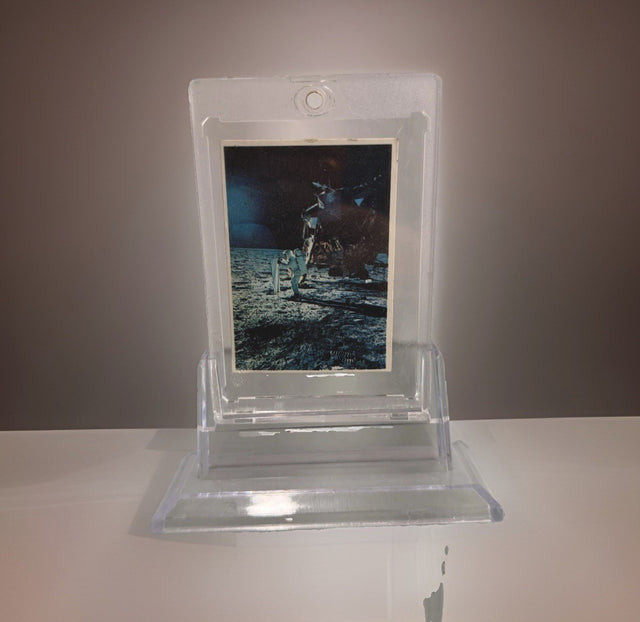
1969 Space Candy Buzz Aldrin Apollo 11 On The Moon Card #19 Taylor-Reed Display
$59.00 USD
-

1980 Polo Player Green Pink Chalk Pastel Bears Andy Warhol Signature AS-IS
$399.00 USD
-

After Andy Warhol Moon Landing Line Drawing 5/50 w/ Astronaut Autographs As-Is
$175.00 USD
-

After John Lennon "I Do" Framed Print, Marked A/P Unverified
$99.00 USD
-

After Roy Lichtenstein I Love Liberty Framed Pop Art Print
$75.00 USD
-

Alice in Wonderland DNYC –$1 Dollar Bills Signed & Numbered Rare
$90.00 USD
-

Alkaline Trio Signed Acoustic Guitar Pickguard Autograph PSA/DNA AN21501
$100.00 USD
-

Andy Warhol The Beatles 1980 Vintage Poster Framed Pop Art Times Books Stokes
$349.00 USD
-

Angels & Airwaves — “Valkyrie Missile: A Brighter Tomorrow”
$89.00 USD
-
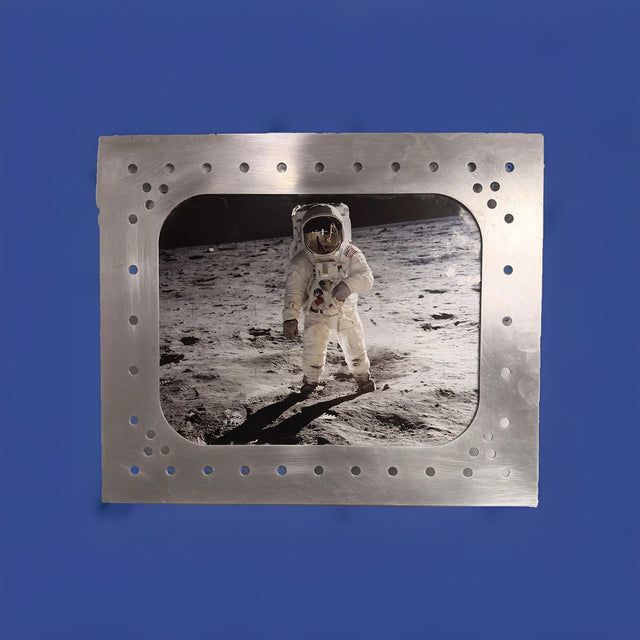
Apollo 11 Astronaut on the Moon NASA Photo Riveted Aluminum Spacecraft Frame
$89.00 USD


Browse the collection for current listings.