
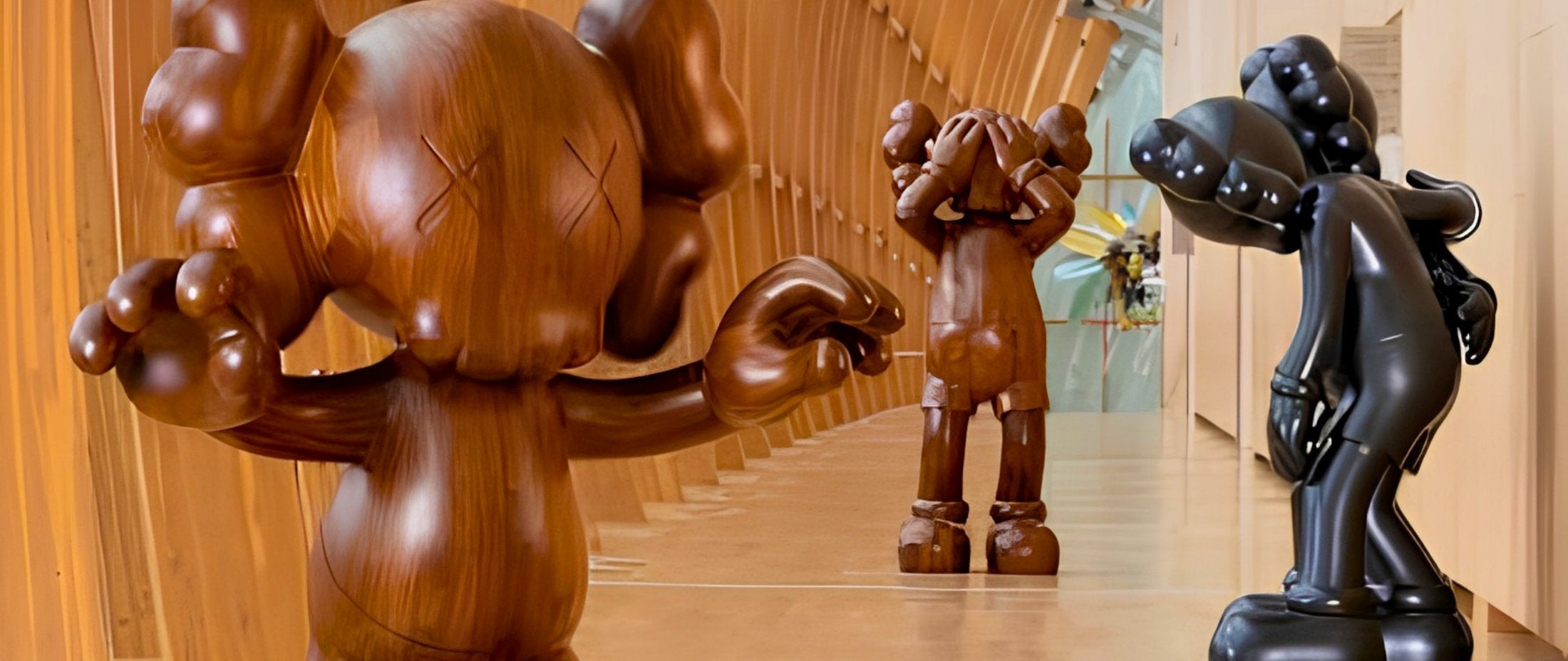
How to Spot a Fake / KAWS
Authentication GuideHow to Spot a Fake KAWS Companion Figure
Evaluate a KAWS Companion by its exact release, construction, markings, finish, packaging and source history. Manufacturer security features vary by release and are one input when documented. Use this guide to compare evidence and identify questions that need further review; no single visual tell, chip or certificate proves authenticity.
Why KAWS is the most faked artist toy
KAWS sits at the intersection of high prices, mass name-recognition, and factory production — the exact combination counterfeiters love. Because Companions are cast vinyl produced in runs (rather than hand-made one-offs), a bootleg factory only needs to copy a mold and a paint mask to produce something that looks right in a phone photo. The result is a market where visual inspection alone is no longer enough at the top end, and where release-specific documentation and hands-on physical inspection must be considered together. Manufacturer NFC features are one input only when documented for that release.
Where the fakes come from
Understanding the supply chain tells you what to look for. KAWS fakes cluster into a few recognizable categories:
KO / bootleg factory copies
Unauthorized "knock-off" (KO) factories cast their own vinyl from copied molds and apply a copied paint mask. Quality ranges from crude to alarmingly close — the better "1:1 replicas" get the silhouette right but miss on weight, paint registration, the molded stamp, and release-specific source records.
Bootlegged open editions
Open and widely-produced releases — Companion Open Edition, Holiday, BFF, Sesame Street / Uniqlo characters, Dissected / Flayed — are the most heavily copied because demand is broad and reference photos are everywhere. Popular color-ways (black, grey, blush/pink) are cloned first.
Box-stripped genuine figures
A real figure sold without its box loses a primary authenticator and a large slice of value. Sellers then pair a genuine-but-boxless figure with a fake box, or pair a bootleg figure with a scavenged real box. Always authenticate the figure and box independently.
Fake COAs & dead chips
Counterfeiters print convincing-looking certificate cards and even embed non-functional or generic NFC tags. A card or chip must be matched to the specific release and issuer. A mismatch warrants investigation; a card alone is not proof.
Drop-shipped marketplace listings
The riskiest channels are new-account sellers on general marketplaces and social selling — figures priced well under market, "factory-error" or "sample" excuses, stock-photo images, and vague provenance. KAWS never released deliberately flawed figures, so "factory error" is a bootleg tell, not a feature.
Reissue confusion
Some characters exist in multiple years, sizes, and color-ways. Bootleggers exploit the confusion by mislabeling — e.g. calling an open-edition size a rarer limited release. Pin down the exact release before you judge the details.
Manufacturer NFC: check the specific release
NFC features vary by manufacturer, release and production date. Start with the exact figure and release documentation rather than assuming that every modern KAWS figure has a chip or uses one shared registry.
How to review a documented NFC feature
If the manufacturer documents an NFC feature for your release, follow those specific instructions. Check the destination independently and compare the information with the figure, packaging and release records.
- 1Confirm the character, colorway, dimensions and release date before deciding which security features to expect.
- 2Use the manufacturer's instructions for locating and reading the feature, when present.
- 3Check the destination and any item details against an independently identified official source. Do not assume that opening a webpage proves authenticity.
- 4Compare the result with the maker marks, finish, packaging and source history. Ask for additional evidence if information is missing or inconsistent.
NFC is not universal. Older and other legitimately unchipped releases must be assessed against their own release records. Manufacturer features are separate from a gallery's documentation or certificate.
The zones to inspect on the Companion
After identifying the release, examine the figure itself zone by zone. Counterfeit molds drift and copied paint masks smear, so the tells cluster in a handful of predictable places. Use the numbered map, then read each zone's authentic look versus the fake tell.
-
1The XX eyes
Authentic: the crossed-out "XX" eyes are bold, deeply set, and perfectly symmetrical — identical stroke width, matched horizontal alignment, crisp tampo-printed edges, and (on the Companion face) noticeably deep, thick nostril holes. Fake: Xs that are misaligned, smudged, or show ink bleeding; uneven stroke weight; one eye sitting higher than the other; or eyes applied as a sticker rather than printed into the surface. Even a millimeter of asymmetry is a fail.
-
2Head & ears
Authentic: the domed head and ears follow MEDICOM TOY's exact mold spec — smooth curvature, correct ear length and angle, and a head circumference that matches official reference photography. Fake: copied molds drift; a head that reads slightly too round, too flat, or off-proportion, and ears set at the wrong angle or length. Even a ~2 mm deviation in head circumference is detectable when compared side-by-side with a known-genuine figure.
-
3Hands & gloves
Authentic: the cartoon "gloved" hands are cleanly molded and precisely attached, with paint that stops exactly at the sculpted edge. Fake: poorly fitted or loosely attached hands, visible glue stains at the joints, and paint that overshoots or under-fills the glove line. The majority of fakes show their flaws at joints, articulation points, and paint transitions.
-
4Feet & the molded underside stamp
Authentic: the underside of the feet carries the molded copyright and maker's mark — the KAWS/© KAWS mark and the MEDICOM TOY (or OriginalFake) production line with the correct year and country. The text is crisply molded into the vinyl, correctly spelled, and in the right place. Fake: missing, mushy, misspelled, or mislocated stamps; wrong year; wrong or missing "MADE IN CHINA"; or a stamp that looks printed-on rather than molded-in. (Full detail in the next section.)
-
5Seams & paint registration
Authentic: clean, tight mold seams; even, low-glare finish; sharp color transitions with no overspray; deep matte blacks (not washed-out grey). Fake: rough or misaligned seams, color bleeding across boundaries, fuzzy edges, uneven gloss, and grey-looking "black." KAWS never released deliberately flawed figures — so any "factory error" excuse for sloppy paint is a bootleg tell.
-
6Dissected / Flayed internals
Authentic: on Dissected and Flayed Companions the exposed "anatomy" is a fixed, documented pattern — for example, the four-foot Dissected Companion has exactly ten painted ribs. Internal organ colors are cleanly separated and correctly placed. Fake: the wrong count (many fakes render only nine ribs), muddy or mis-registered organ colors, and internal detail that doesn't line up with the official reference for that release.
The underside stamp
The molded copyright text on the bottom of the feet is one of the most reliable physical authenticators, because it is cast into the vinyl rather than applied afterward. The exact wording varies by era and producer, so match it to the specific release — but the elements are consistent: the artist's mark, the manufacturer, the year, and country of manufacture. Companion figures are commonly stamped across both feet, with the artist mark on one foot and the fabricator line on the other.
Representative stamp patterns (confirm against your exact release — wording and year change by edition):
Left foot — artist mark
© KAWS ··YY
The KAWS copyright with the year of the release (e.g. an ’06 or ’09 figure carries that year). Crisply molded; correctly spelled "KAWS."
Right foot — fabricator line
MEDICOM TOY YYYY CHINA
The manufacturer, four-digit year, and country. OriginalFake-era pieces may read OriginalFake in the maker line instead of, or alongside, MEDICOM TOY.
These are representative examples drawn from documented Companion releases (2006, 2009, 2012–13, 2016, 2019 among them), not a universal template. The producer credit shifts between OriginalFake, MEDICOM TOY, and on newer figures AllRightsReserved / DDT — so the correct reference is always the specific edition. What matters: the stamp is present, cleanly molded (not printed), correctly spelled, carries the right year and "CHINA," and sits in the documented location.
Size & scale
Every Companion release is documented at a specific size, and bootlegs frequently come out the wrong height because they're cast from a re-scaled copy. Identify the exact release first, then measure and compare against the documented dimensions for that edition. A figure that is the wrong height — or that feels too light for its size — is suspect regardless of how it photographs.
| Common release format | Documented scale (approx.) | Notes |
|---|---|---|
| Companion Open Edition (vinyl) | ~11 in / ~28 cm tall | Widely produced (e.g. KAWSONE / museum releases). Common color-ways: black, grey, blush. Heavily bootlegged — verify stamp + weight. |
| Companion / Flayed Open Edition | ~10.5 × 4.5 × 2.5 in (≈16.7 × 11.4 × 6.4 cm) | Painted cast vinyl; documented box dimensions per release. Confirm the exact color-way and year. |
| Small-format Companion (e.g. "Small Lie") | ~10.5 in / ~27 cm tall | Sold with correct box + certificate; match the character and year to the box art. |
| Large / 4-ft Dissected Companion | ~4 ft class sculpture | Fixed internal anatomy — ten ribs on the documented Dissected. Higher value → higher forgery incentive. |
Figures are documented per release; the table above lists common formats as a starting reference only. Always confirm the exact edition, color-way, and year, then compare against that edition's published dimensions — do not authenticate on height alone, but treat a clear height mismatch as a serious flag.
Weight, vinyl & finish
Pick the figure up. An authentic KAWS vinyl feels solid and dense for its size, with consistent wall thickness and a quality heft. If it feels hollow or noticeably light, it is not a genuine KAWS. Bootleg vinyl is typically thinner and lighter, with a cheaper resonance when tapped and rougher casting throughout.
| Attribute | Authentic | Bootleg tell |
|---|---|---|
| Weight / density | Solid and dense for its size; consistent heft; does not feel empty. | Light, hollow, or empty-feeling; thin walls; cheap tap resonance. |
| Vinyl surface | Even, consistent finish; smooth where it should be smooth. | Rough or uneven casting, sink marks, and texture inconsistencies. |
| Mold seams | Clean, tight, well-aligned seams. | Rough, raised, or misaligned seams; visible flashing. |
| Paint registration | Sharp transitions, no overspray, colors stop exactly at the sculpted edge. | Bleeding, overspray, fuzzy boundaries, mis-registered color. |
| Gloss / tone | Even, correct sheen; deep matte blacks; on-tone color. | Uneven gloss; washed-out grey "black"; wrong or dull color tone. |
| Assembly | Parts perfectly attached; no glue stains at joints. | Glue stains, gaps, and poorly fitted parts at joints and articulation. |
The box & packaging
Packaging is both a primary authenticator and a major value component — its effect on value varies by release, condition and collector demand. A genuine box does not establish that the figure inside is genuine. Authenticate the box independently of the figure, because bootleggers mix and match.
Print quality & cardstock
Authentic OriginalFake / KAWS boxes use high-density coated cardstock with clean, foil-stamped typography, accurate kerning, and consistent baseline alignment. Fakes feel noticeably lighter, show pixelated or fuzzy print edges, and get the MEDICOM TOY logo proportions subtly wrong.
Hologram / authenticity sticker
Many authentic boxes carry a hologram label that shifts color as the box moves, plus a release-date sticker. Inspect it closely: a flat, static, or crudely printed "hologram," flaking foil, or a missing/wrong sticker is a warning sign.
Barcode & text
Barcodes should be crisp and correctly aligned; any kanji/Japanese text should be accurate and properly spaced. Fakes commonly show misaligned barcodes, garbled or mis-set characters, and off-register printing.
Colorway & graphics match
The box art, character, and color-way must match the figure inside and the documented release. A grey figure in a box printed for the black color-way — or box art that doesn't match any real release — signals a mismatched or fake pairing.
Inner tray & completeness
Correct inner tray/blister, any hang tags, and the certificate card (with NFC where applicable) should all be present and correct. Missing inserts or a certificate whose chip won't verify undercut the whole package.
Box size & proportions
Compare overall box dimensions, panel layout, and font sizing against a known-authentic example for that release. Wrong box size or spacing is a frequent, easily-missed tell.
Red flags at a glance
- Dead or non-resolving NFC on a modern release that should have one — or a chip that resolves to the wrong edition or an unexpected destination. Check release documentation and investigate the cause before drawing a conclusion.
- A convincing certificate card whose chip won't verify, or a certificate that cannot be matched to the issuer and specific object. Not all valid documents include a scannable record.
- A figure that feels light or hollow — the single fastest physical tell that it isn't genuine KAWS vinyl.
- Asymmetric, smudged, or bleeding XX eyes, uneven stroke weight, or eyes applied as stickers rather than printed in.
- Missing, mushy, misspelled, or mislocated underside stamp; wrong year; missing "MADE IN CHINA"; or a stamp that looks printed rather than molded.
- Rough or misaligned mold seams, paint overspray/bleeding, glue stains at joints, or washed-out grey "black."
- Wrong height for the documented release, or a Dissected Companion with the wrong rib/organ pattern (e.g. nine ribs instead of ten).
- A box with pixelated print, a flat/fake "hologram," misaligned barcode, wrong logo proportions, or a color-way that doesn't match the figure.
- A "factory error," "sample," or "prototype" story used to explain flaws — KAWS did not release deliberately flawed figures.
- A price far below market for a "sealed" or "rare" Companion, stock-photo listings, and vague provenance — the classic bootleg profile.
Step-by-step verification checklist
- Check release-specific manufacturer features. When NFC is documented for the exact release, follow the manufacturer instructions and compare the result with the figure and source records. Investigate inconsistencies; do not use a scan as the sole verdict.
- Identify the exact release and scale. Character, color-way, year, and format — then note the documented height/dimensions for that specific edition.
- Read the underside stamp. Confirm the molded artist mark and fabricator line (KAWS / OriginalFake / MEDICOM TOY, year, CHINA) are present, correctly spelled, molded-in, and in the right location for the era.
- Inspect the XX eyes. Symmetry, equal stroke width, crisp printed edges, deep-set nostrils — no bleed, smear, or sticker.
- Check head, ears, and hands. Correct proportions and ear angle; cleanly attached gloved hands with no glue stains; paint stopping at the sculpted edge.
- Heft it and read the vinyl. Solid and dense — reject anything light or hollow. Check seams, paint registration, gloss, and black tone.
- For Dissected / Flayed, verify the internals. Correct rib count and organ layout against the official reference for that release.
- Authenticate the box independently. Print quality, foil/hologram, barcode, colorway match, inserts, and box size — then confirm the box matches the figure and release.
- Cross-check records & provenance. Match edition data to MEDICOM TOY / AllRightsReserved release records and the seller's history. If bought from Gauntlet Gallery, verify the record via our COA lookup.
Frequently asked questions
What is the very first thing to check on a modern KAWS figure?
Identify the exact release, colorway and size. Compare the maker marks, finish, packaging and source history with reliable references for that release. Manufacturer NFC features apply only where documented; a chip or certificate alone does not establish authenticity.
Do all KAWS Companion figures have an NFC chip?
No. Features vary by release and production context. Confirm which features the manufacturer documents for the exact figure before treating a missing or unreadable chip as a concern. Physical evidence and source history remain necessary.
Can a fake KAWS come with a certificate or a chip?
Yes. A card or chip alone is not proof. Check the issuer, destination and item details against independently identified release documentation, then compare the maker marks, finish, packaging and provenance.
What does the underside foot stamp say on a real KAWS Companion?
The molded stamp on the underside of the feet carries the artist's copyright mark and the fabricator line — the KAWS/© KAWS mark with the release year, and the MEDICOM TOY (or OriginalFake, on that era) production line with the year and country ("CHINA"). Companions are commonly stamped across both feet. Exact wording changes by release and era, so match it to the specific edition; what matters is that it is present, cleanly molded (not printed), correctly spelled, with the right year and country, in the documented location.
How do I tell a bootleg by feel alone?
Pick it up. An authentic KAWS vinyl is solid and dense for its size. If it feels hollow or noticeably light, it is not genuine. Combine the weight test with a look at the mold seams (should be tight), the paint (sharp, no overspray or bleed), and the joints (no glue stains). Light-and-hollow plus sloppy seams and paint is the classic bootleg profile.
Are the XX eyes a reliable authentication point?
Yes. The crossed-out XX eyes should be bold, deeply set, and perfectly symmetrical, with identical stroke width, matched alignment, and crisp printed edges — plus deep nostril holes on the Companion face. Misaligned, smudged, or bleeding Xs, uneven stroke weight, or eyes applied as stickers are strong fake tells. Even a millimeter of asymmetry counts against it.
How can I authenticate a Dissected or Flayed Companion?
The exposed anatomy follows a fixed, documented pattern for each release. For example, the four-foot Dissected Companion has exactly ten painted ribs — many fakes render only nine. Check the rib count and the placement and color separation of the internal "organs" against the official reference for that exact release; muddy, mis-registered, or wrong-count internals indicate a copy.
Why does the original box matter so much?
Original packaging can help establish release details and completeness, and it can affect collector demand. Inspect the box independently and compare its printing, inserts and product information with the exact figure. There is no universal percentage discount for a missing box.
Are KAWS-designed BE@RBRICKs authenticated the same way?
Use the exact BE@RBRICK release as the reference. Compare size, construction, foot marks, decoration, packaging and source history. Manufacturer security features apply only when documented for that release; do not assume one registry or certificate system covers every figure.
How do I verify a KAWS figure I already own?
Identify the release and compare the underside stamp, details, finish, scale, packaging and source history with reliable references for that edition. Follow manufacturer NFC instructions only where the release includes that feature. Ask the seller which documents accompany the figure.
Buy KAWS with confidence
Review the item listing for release details, condition, packaging and the documents supplied with that specific KAWS figure. Ask us for supporting photographs or source details before buying.
Sources & methodology
This educational guide describes comparison checks, not an appraisal or a guarantee of authenticity. Use manufacturer release records and documented examples for the exact figure. Markings, dimensions, packaging and NFC features vary; combine physical inspection with source history and seek qualified review when material questions remain.
Shop KAWS
Explore current pieces available from the gallery.
-
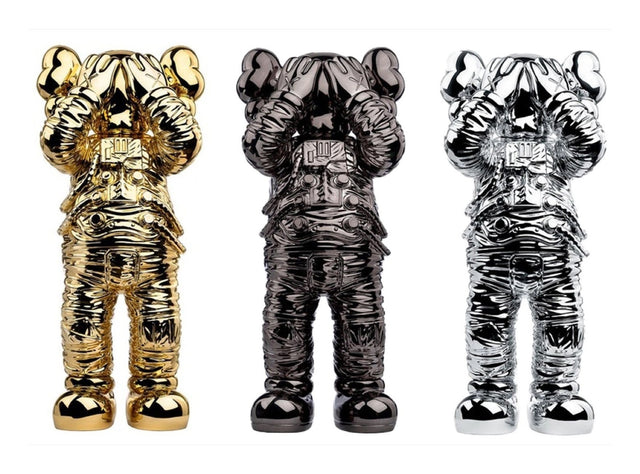
KAWS Holiday Space Set of 3 Gold Black Silver Companion Astronaut Figure Rare
$2,900.00 USD
-
KAWS Holiday Space Set of 3 Gold Black Silver Companion Astronaut Figure
$2,900.00 USD
-
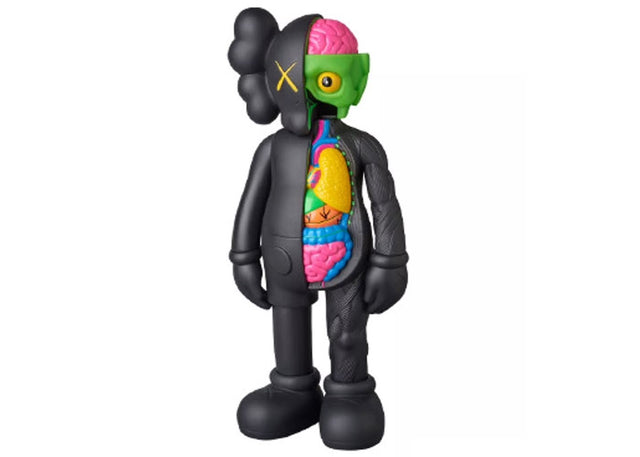
KAWS Companion Flayed Open Edition Black Medicom Toy Dissected Sealed New Figure
$599.00 USD
-
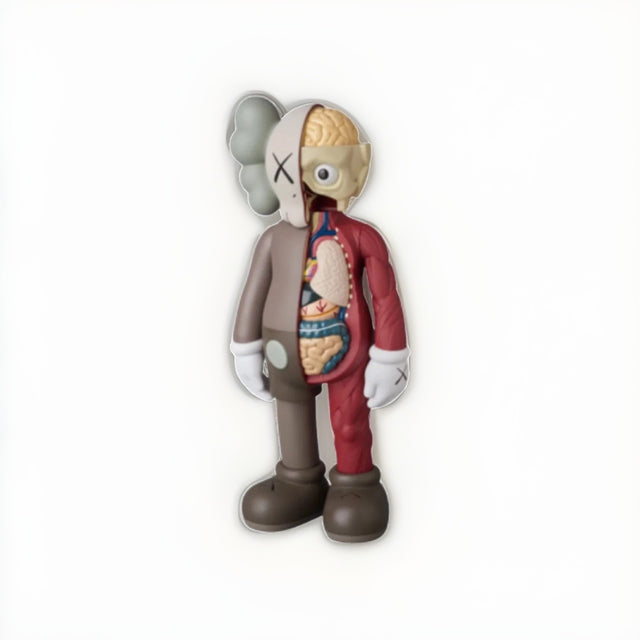
KAWS Companion Flayed Open Edition Brown Medicom Toy Dissected Sealed New Figure
$349.00 USD
-
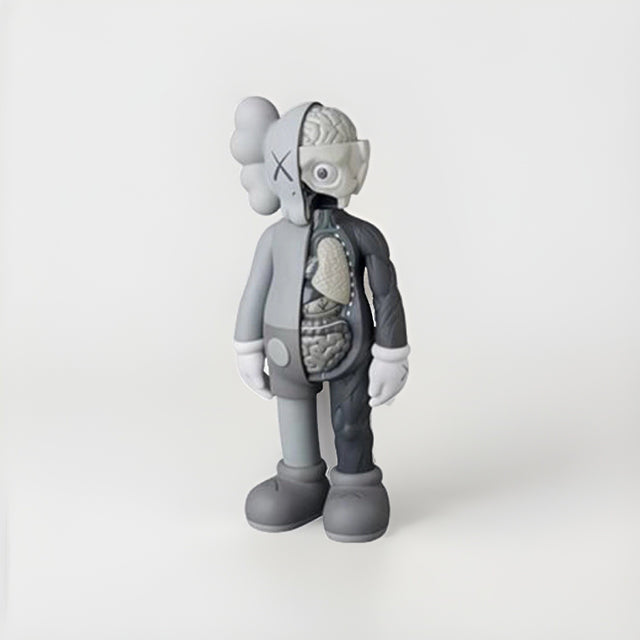
KAWS Companion Flayed Open Edition Grey Medicom Toy Dissected Sealed New Figure
$349.00 USD
Browse the collection for current listings.