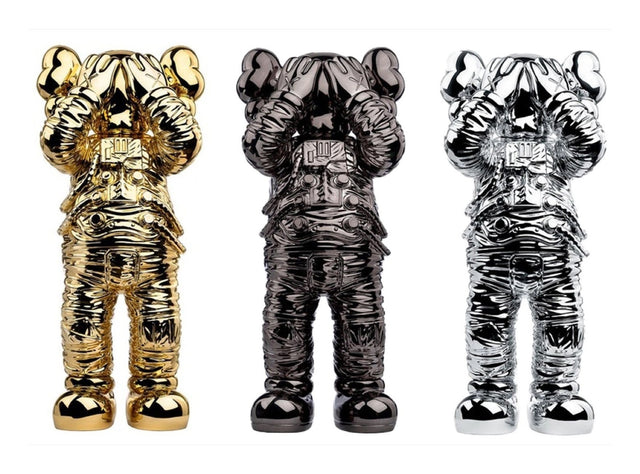
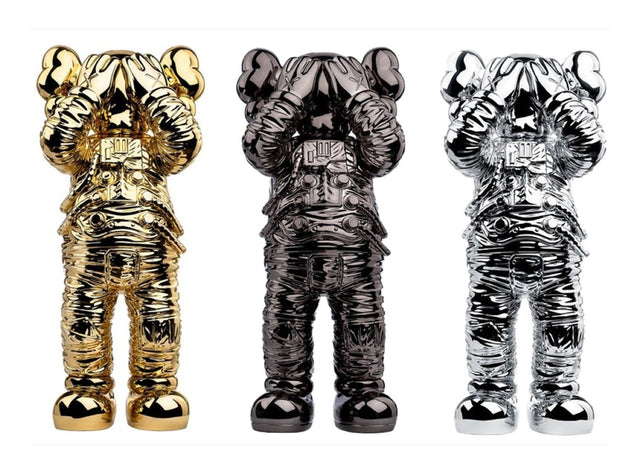
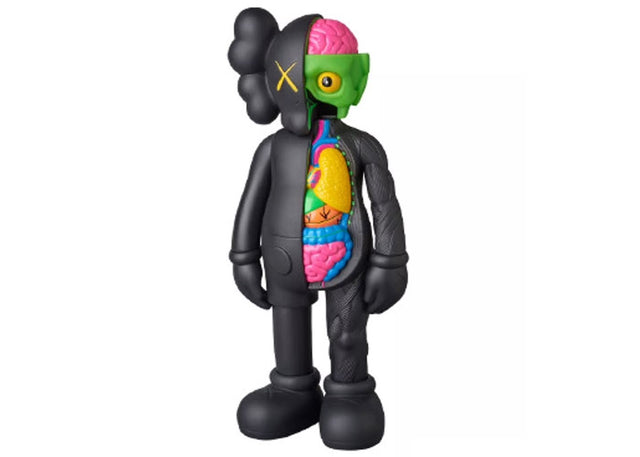
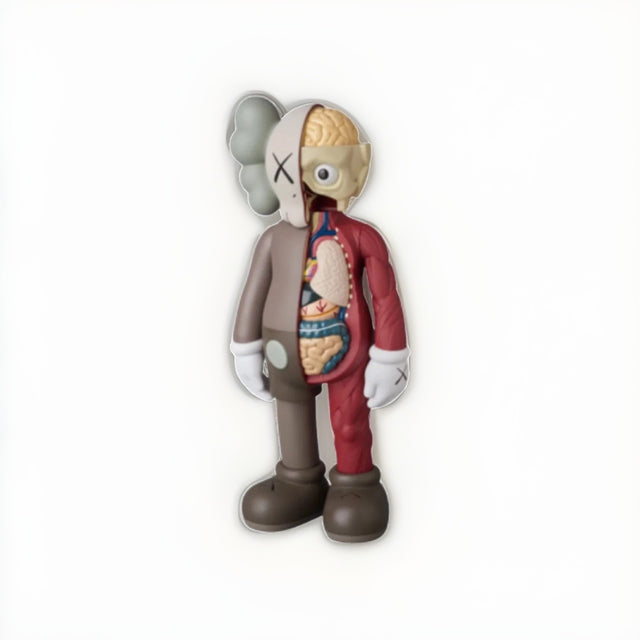
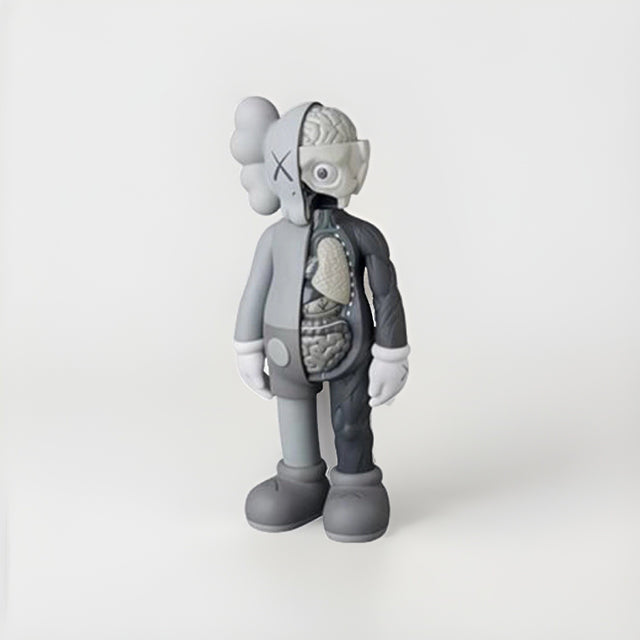
KAWS figures are among the most recognizable — and most frequently counterfeited — designer collectibles in the world. Collectors often study the figure and treat the box as an afterthought. That is a mistake. Packaging is evidence, not a verdict. This guide walks the full package — every panel, seal, label and insert — the way a careful reviewer actually reads it.
Why Packaging Matters
For most mass-produced collectibles, packaging is protection and marketing. For KAWS figures, packaging is part of the collectible record.
Original packaging can tell you a figure's identity, release period, manufacturer, retailer, condition and ownership history. The box can help confirm whether a figure is the correct colorway, whether its components belong together, and whether the item has been opened, mishandled or assembled from parts of different releases.
A complete package may include
- The exterior retail box, printed sleeves and plastic bags
- Molded plastic trays, foam inserts and protective tissue
- Product cards, instruction sheets and stickers
- Holographic or security labels; retailer, manufacturer and distributor labels
- Protective films, original shipping cartons, receipts or order confirmations
Not every release includes all of these. The significance of any element depends entirely on the specific release — a missing shipping carton may mean nothing on one figure, while a missing branded tray materially reduces another.
Market reality
StockX requires many KAWS collectibles to be brand-new with original packaging — and lists figures such as the 2016–2017 Open Edition Companions, 2017–2018 Vinyl BFF, Small Lie, Together and Passing Through as products that must remain sealed. These are marketplace rules, not universal authentication laws.
Evidence, Not a Verdict
Counterfeiters reproduce boxes, bags, labels, holograms, inserts and even receipts. Authentic packaging, meanwhile, may show age, fading, shelf wear and regional variation that makes it look less perfect than a fake. So the reasoning is never "the box looks real, so the figure is real."
A proper review weighs four things: the figure, the packaging, the provenance, and the consistency among all three.
An authentic figure can be found without its box. A counterfeit figure can sit inside an authentic box. A genuine box can be paired with the wrong colorway. A real figure and real box can be combined even though they never left the retailer together — a "married" package. That term doesn't mean either part is fake; it means they were assembled later from separate sources.
Distinguish between conclusions
- Authentic and correctly paired
- Likely authentic but packaging incomplete
- Likely authentic figure in replacement or mismatched packaging
- Authentic packaging with a questionable figure
- Insufficient evidence · Likely counterfeit · Confirmed counterfeit
Packaging should raise or lower confidence. It should never override serious problems with the figure itself.
The Types of Packaging
There is no single universal "KAWS box." Expect real differences across Bounty Hunter-era works, OriginalFake releases, Medicom Toy editions, museum and exhibition products, KAWS:HOLIDAY figures, licensed collaborations, BE@RBRICK releases and newer global retail editions.
Window boxes
A transparent panel lets the figure be viewed while sealed — but the plastic invites scratching, cloudiness, yellowing and warping. Fakes often fail subtly: plastic too thin, too clear, too blue, poorly glued; the cutout slightly misaligned; the figure sitting at the wrong depth. The test is whether the exact window design matches documented examples.
Fully enclosed boxes & sleeves
Opaque boxes and slide-on sleeves reward inspection of the less-visible panels. Counterfeits often reproduce the front art well but fail on the bottom, side flaps, interior tabs and legal text. A genuine sleeve fits as intended — snug, not crudely cut or improvised.
Bags, blister trays & foam
Plastic bags are weak evidence alone — they are easy to replace, reseal or reproduce. A molded tray should correspond precisely to the figure's shape and orientation. Foam should be judged on density, cut quality and age; fresh foam isn't automatically suspicious, but replacements should be disclosed.
Tray fit is a major tell
A tray that doesn't properly fit the figure is a serious warning sign — it can indicate replacement packaging, a figure from another release, or a fake copied from photos rather than a physical original.
Shipping ≠ retail
Don't confuse manufacturer, distributor and courier cartons with the retail box. An unnaturally perfect "vintage" shipping carton warrants closer review, not less.
Anatomy of a Box
Inspect systematically. Do not begin and end with the front panel — the panel counterfeiters prioritize most.
Front, sides & back
On the front, check the logo, character name, pose, silhouette, colorway, typography and finish; fine lines should not dissolve into blocks. Side panels expose whether art wraps correctly, text is centered, and names are spelled right. The back carries copyright, manufacturer, country of origin, warnings, barcode and product number — but don't demand identical info on every box; packaging laws and branding changed over time.
Top, bottom & interior flaps
These are the areas sellers rarely photograph — which makes them valuable. Examine whether the product label is applied straight, whether corners show natural handling, and whether print quality matches commercial label production. Interior flaps reveal die-cutting consistency, glue application and factory marks.
A barcode that scans is not proof. Counterfeiters copy valid barcodes from genuine products.
Construction matters: tuck-top vs. locking tabs, glued vs. folded bottom, seam side, load direction, tray removal direction. Fakes often mimic the exterior while using cheaper, simpler construction.
Printing, Color & Typography
Typography is one of the most useful clues — but compare individual characters, not overall impressions. Look at the shape of the "A" in KAWS, the diagonal of the "K", the curve of the "S", the numerals, and the copyright and registered-trademark symbols. Counterfeits often use a near-match font rather than the exact artwork.
Kerning & ink density
A copied word may use the right typeface but the wrong spacing — check the distance between K–A and A–W, and the margins around punctuation. Authentic commercial printing shows controlled ink coverage; blacks that read gray, filled-in fine text, banding or visible low-res dots are concerns. But one slight imperfection is not enough to condemn a box.
Color, carefully
Packaging ink and vinyl reflect light differently, and age, UV and photography all shift perceived color. More meaningful: a box labeled "Brown" containing a gray figure, a product image with the wrong eye color, or a collaboration logo in the wrong color.
Finish tells
Matte, gloss, spot-gloss, foil and embossing vary by release. A fully glossy fake is easy to spot when the genuine article is matte. Ask sellers for angled images under indirect light.
Labels, Barcodes & Holograms
A product label should correspond to the figure — exact character, pose, size, colorway, series, manufacturer, region and number. A label copied from a black figure and placed on a brown figure's box is a critical inconsistency even if both products are authentic releases.
Barcodes are comparative evidence, not digital certificates: a scanning app result can be incomplete or wrong, and a non-scanning barcode isn't automatically fake on older or regional products. Product numbers, cross-checked across box, carton, receipt and archived listings, are often more useful.
A hologram does not prove authenticity. Holograms can be counterfeited, transferred, or added by a distributor — and legitimately absent from other channels.
Security theater
A security sticker not found on any documented genuine example is more suspicious than reassuring. More seals ≠ more authenticity.
Don't strip labels
Retailer stickers establish provenance. Removing an old label to "clean up" a box can tear the surface and erase history.
Seals & Evidence of Opening
"Factory sealed" is one of the most misused phrases in the market. It should mean the original manufacturer or authorized packager applied the closure and it has not since been opened — not that a seller added shrink-wrap, closed the box with replacement tape, or resealed an inner bag.
What sellers should actually say
- "Outer box opened; inner bag remains sealed."
- "Original adhesive seal appears intact."
- "Figure removed for inspection and returned to original tray."
- "Box has replacement tape." · "Shrink-wrap present; originality unconfirmed."
Examine seal shape, transparency, position, overlap, air bubbles, yellowing and cut lines. Double taping can mean QC, customs, a buyer opening, or concealment. Don't assume every KAWS package was originally shrink-wrapped — a crude heat-gun seal or thick household film is a concern.
Interior Fit
The relationship between figure and inner package is one of the strongest practical checks. The figure should sit in the documented orientation, with the head clear of the box wall and accessories placed consistently. Incorrect repacking isn't proof of a fake, but it does indicate the package has been opened.
Tray-fit warning signs
- Excess space around the head; feet that don't reach their cavities
- Arms pressed into the wrong areas; a tray that cannot close
- Improvised foam or tissue filling large gaps
- An accessory cavity with no corresponding accessory
- The figure placed backward simply to fit
Protective film and tissue are easy to lose and replace, so they rarely establish authenticity — confirm whether the exact release used them, and treat replacements as disclosed additions, not "original completeness."
Differences by Figure Category
Authenticate the specific release — never "a KAWS Companion." Packaging expectations differ sharply across lines.
Across the catalog
- Early & OriginalFake-era: simpler printing, Japanese-language info, retail stickers, age-related yellowing. Don't judge an old release by a modern Companion box.
- Open Edition Companions: heavily traded and heavily faked; because counterfeiters had wide access to genuine examples, errors may be small.
- BFF · Small Lie · Together · Passing Through: distinctive silhouettes make interior fit especially informative; StockX lists several among sealed-package requirements.
- Multi-figure works (TAKE, GONE, FAMILY): more opportunity for mismatched parts — confirm every figure belongs to the correct set.
- KAWS:HOLIDAY: location- and event-specific graphics; a package labeled for one location shouldn't contain another's figure.
- Licensed collaborations & BE@RBRICK: multiple copyright/trademark notices and scale markings (100%, 400%, 1000%) to verify line by line.
The married-set risk
A genuine box from a complete set can be used to disguise one or more counterfeit or replacement figures. Check that colors correspond and cavities match every component.
Counterfeit Warning Signs
No single warning sign is universal. Multiple inconsistencies together are what matter.
Wrong box for the figure
Incorrect colorway, pose, year, character or size — or open-edition packaging paired with a "rare" limited edition.
Low-resolution printing
Pixelation, jagged edges, blurry fine text, blocked shadows, banding, soft logos.
Incorrect typography
Wrong font, bad kerning, misplaced trademark symbol, misspellings.
Weak cardboard & poor die-cutting
Thin stock that bows, ragged tabs, off-center notches, exposed fibers, hand-cut appearance.
Suspicious product label
Colorway mismatch, a barcode from another product, crooked text, low-quality thermal print, missing manufacturer identity.
Invented authentication
Impressive-looking seals, certificates or holograms never used on the authentic release.
Perfect front, wrong back
Fakes prioritize the most-photographed panel. Always inspect the reverse, bottom and interior.
Inconsistent aging
A heavily aged box with a pristine new label, yellowed plastic with bright-white cardboard, or uniform "dirt." Natural aging is irregular.
Condition & Value
Packaging condition affects marketability, but the impact varies by release and buyer. Use "mint" sparingly — nearly every handled box shows some imperfection under strong light. Light wear (minor corner whitening, a retailer sticker) is common; moderate to heavy damage (creasing, tears, window separation, water spotting, mold) reduces value progressively.
A working priority order
A damaged box with a clean authentic figure can still appeal to display-focused collectors. A perfect box around a damaged or fake figure does not. Rare early releases behave differently, because original packaging can be exceptionally scarce.
Inspect Before You Buy
A repeatable pre-purchase sequence:
- Identify the exact release — title, character, pose, colorway, size, year, manufacturer, retailer, region, edition and known package style.
- Get complete photographs — every side, top, bottom, label, barcode, seals, corners, interior tray, inner bag, the figure in-package and its markings.
- Compare multiple verified references — archived release info, original retailer listings, reputable auction/marketplace records, credible collector photos.
- Compare layout, not just color — spacing, logo size, text position, window shape and tray orientation are harder to dismiss as lighting.
- Check package-to-figure consistency, then review provenance and the seller.
- Use payment protection, seek specialist review for high-value buys, and record a continuous unboxing video.
Seller pattern to watch
Numerous "rare" figures with identical, perfect packaging at below-market prices deserve heightened scrutiny.
Photographing Packaging
Poor photos make accurate assessment impossible. Use a neutral background and diffused daylight, keep the camera parallel to the panel, shoot at high resolution, and avoid filters, heavy contrast and digital sharpening.
Essential close-ups
- Small legal text, barcode and label edges
- Seal edges and holograms at multiple angles
- Cardboard thickness, interior tabs and tray texture
- Window attachment, all damage, and figure markings
Step back and zoom modestly rather than pushing the lens inches from the box — phone cameras distort proportions up close. For gloss, foil or holograms, provide several angles under the same light.
Storing & Shipping
Packaging deteriorates even when the figure is displayed elsewhere. Avoid direct sunlight, humidity extremes, heat, attics, garages, smoke and long-term pressure. UV fades printing and yellows plastic windows; excess moisture causes mold, warping and label lifting. Don't stack heavy items on figure boxes.
Shipping without damage
- Double-box: retail box inside a larger carton with cushioning on all six sides, never touching the outer wall.
- Immobilize the package so it doesn't shift; don't wrap so tightly that bubble wrap crushes corners or windows.
- Protect against moisture without creating airtight storage around a damp item.
- Large figures: high-density foam, double-wall carton, corner protectors, added insurance and signature confirmation.
- Photograph figure, package, internal packing, closed carton and label before shipping.
Describing & Frequent Questions
Accurate descriptions build trust and prevent disputes. State exactly what's present — "Includes original retail box and molded inner tray," "Outer box opened; inner bag sealed," "One tray tab is cracked," "Brown shipping carton not included" — and avoid vague claims like "mint," "factory sealed?" or "100% authentic box" without evidence.
Quick answers
- Does an authentic figure always include a box? No — genuine figures are sometimes sold without packaging.
- Does a genuine box prove the figure is authentic? No — authentic boxes can hold counterfeit or mismatched figures.
- Is an unopened figure automatically authentic? No — fake packaging can be sealed, and packages can be resealed.
- Should every barcode scan / every box have a hologram? No — both vary by release, market and channel.
- Does box damage mean the figure is fake? No — shipping and storage routinely damage authentic packaging.
- Can a COA replace missing packaging? No — a certificate is another form of evidence that must itself be verified.
- Box or figure — which matters more? The figure. Packaging supports identification, completeness, condition and provenance.
The Gauntlet Standard
Packaging is one component within a larger process. The strongest KAWS package isn't simply the cleanest — it's the one whose design, construction, labels, inserts, seals, condition and history all make sense together. Seek convergence, not a single magic detail.
When evaluating a figure, Gauntlet Gallery documents
- The exact release and colorway
- Exterior packaging from every side; product labels and barcodes
- Seals and evidence of opening; interior trays, bags and inserts
- The figure's fit within the package; all condition issues
- Available provenance, and any replacement or missing materials
The inspection checklist
Release ID
- Title, character, pose confirmed
- Colorway, size, year confirmed
- Manufacturer & retailer confirmed
- Region & edition considered
Exterior box
- Correct design & dimensions
- Artwork & colorway correct
- Typography matches references
- Finish & fold pattern correct
Labels & legal
- Sticker matches the figure
- Barcode & product number consistent
- Copyright & origin plausible
- Hologram appropriate to release
Seals
- Seal type & position correct
- No unexplained double tape
- No suspicious residue
- Opening history disclosed
Interior
- Correct tray or foam
- Figure fits & orients correctly
- Accessories have cavities
- No improvised packing as "original"
Consistency
- Box colorway matches figure
- Label colorway matches figure
- Components belong to the set
- No married-package evidence
This guide is educational and does not constitute a guarantee of authenticity. Packaging methods, regional variants and production details differ, and counterfeit techniques continue to evolve. High-value purchases should be reviewed using the complete figure, packaging and provenance — not packaging alone. KAWS™ and related names are trademarks of their respective owners; Gauntlet Gallery is an independent reseller and is not affiliated with or endorsed by the artist, manufacturers or named marketplaces.