

Apollo 11 — The Collector's Guide to Owning the Space Age
A collector's field guide to the most romantic material in all of collecting — from flown relics that rode to the Moon to the signatures of Armstrong, Aldrin and Collins — with real-world pricing and the authentication that lets you own it with total confidence.
Apollo 11 & Space Memorabilia
Space memorabilia lets you hold a piece of humanity’s greatest adventure — an astronaut’s autograph, a flown artifact, a mission patch that orbited the Earth. Apollo 11 sits at its heart: the 1969 Moon landing remains the most romantic material in all of collecting.
Because the names are so revered, authentication matters — and specialists like Zarelli Space Authentication, together with PSA and JSA, give collectors the confidence to own the space age with total peace of mind.
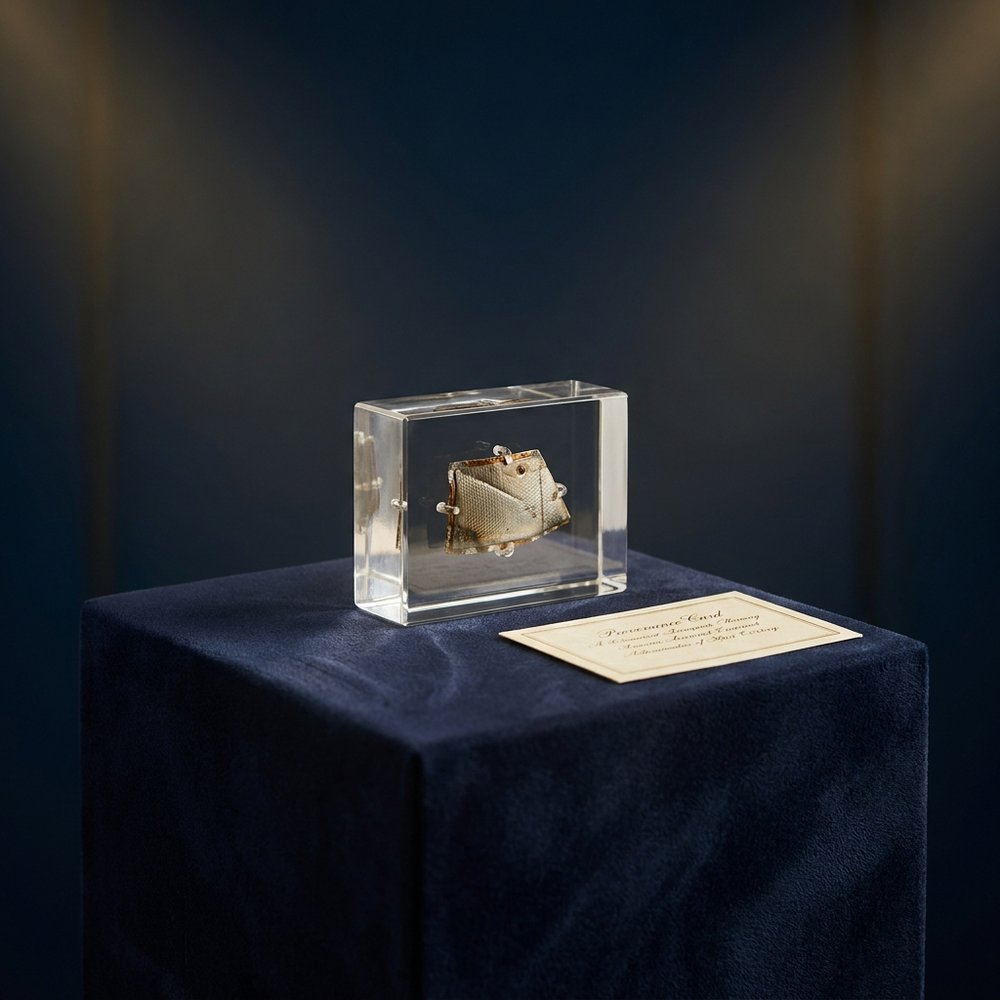
Flown Artifacts
Objects carried aboard Apollo 11 The blue-chip summit of space collecting, where an unbroken paper trail is the crown jewel.Flown artifacts are objects physically carried aboard Apollo 11 — flags, beta-cloth fragments, checklist pages, foil, mission tools, and small personal items from the astronauts' Personal Preference Kits. To hold one is to hold something that has actually been to the Moon and back. They sit at the very top of the market because their rarity is absolute and permanent: nothing new can ever be flown on Apollo 11 again. Here, the paper trail is the poetry — value lives in an unbroken line back to a named crew member, an estate, or documented NASA disposition, and that documentation is exactly what lets you own the piece with complete confidence. The finest collectors treat the letter of authenticity and flight documentation as part of the treasure itself, with the object as its companion. Condition matters less than a provenance chain that stands proud under any scrutiny.
- Flown flags & beta-cloth Small silk or beta-cloth flags carried in the crew's kits, usually mounted with a signed provenance statement.
- Flown checklist pages & charts Pages from flight checklists, star charts, or cue cards carried in the cabin or lunar module.
- Flown PPK personal items Coins, medallions, jewelry, or tokens from an astronaut's Personal Preference Kit.
- Flown hardware fragments Kapton foil, heat-shield material, or small components with NASA disposition records.
- Entry Level $3,000 – $12,000 Small flown flags, beta-cloth swatches, or foil fragments with a clean astronaut or estate letter.
- Mid Market $12,000 – $60,000 Flown checklist pages, charts, or PPK personal items tied to a single named crew member.
- Investment Grade $60,000 – $250,000+ Crew-carried hardware, signed flown items, or pieces with exceptional documented significance.
- Trace the unbroken chain of custody back to a named astronaut, estate, or NASA disposition record
- Look for a provenance letter rich in specifics — the named crew member, the named kit, the named flight
- Match the item to documented PPK manifests or flight inventories where they exist
- Confirm any astronaut signature on the provenance through Zarelli, Beckett, JSA, or PSA/DNA
- Favor original estate or family letters over photocopies — the original is part of the piece
- Enjoy the full ownership story from the astronaut to the current seller; a complete chain is a joy to own
- The best flown pieces arrive with real flight documentation, not a bare typed claim — hold out for it
- Reward the letter that names a specific crew member and kit; specificity is the mark of a great piece
- Prize an original, signed authenticity letter — it is the heartbeat of the provenance
- When a fully papered example is priced right, it is the piece to own; the paperwork is the value
- Seek the complete ownership line from astronaut to today; continuity is what makes it blue-chip
- Let NASA or estate records back every flown claim — with them, your confidence is total
The great flown collections are built on the paperwork as much as the object. Begin with smaller flown items — beta-cloth or foil — where a clean astronaut or estate letter is attainable at four figures, and let each one teach you to read provenance like a connoisseur. Favor originals, named crew members, and a continuous ownership chain, and have any astronaut signature independently confirmed by Zarelli, Beckett, JSA, or PSA/DNA before you commit. Reserve your real money for the piece whose flown status traces cleanly to a kit, manifest, or NASA record. In this tier, the fully documented example is the one you will be proud to own for life.
Why are flown artifacts so much more expensive than signed items?
Because supply is permanently fixed. Only a finite number of objects were carried aboard Apollo 11, and none can ever be added. Combined with intense demand, that absolute scarcity pushes well-documented flown pieces far above signed photos or medallions, which exist in larger quantities.
What documentation should accompany a flown artifact?
Ideally an original letter from the astronaut or estate naming the item and confirming it was flown, plus any NASA disposition records or PPK references. The stronger and more specific the paper trail, the higher the value. Treat the documentation as inseparable from the object itself.
Can NASA-issued flown items be legally owned?
Many small personal and crew-disposed items can be, particularly those given to astronauts or released through their kits. Ownership questions have been settled through the courts over the years, so the surest and most enjoyable path is a piece with clean estate provenance and a clear, well-documented title.

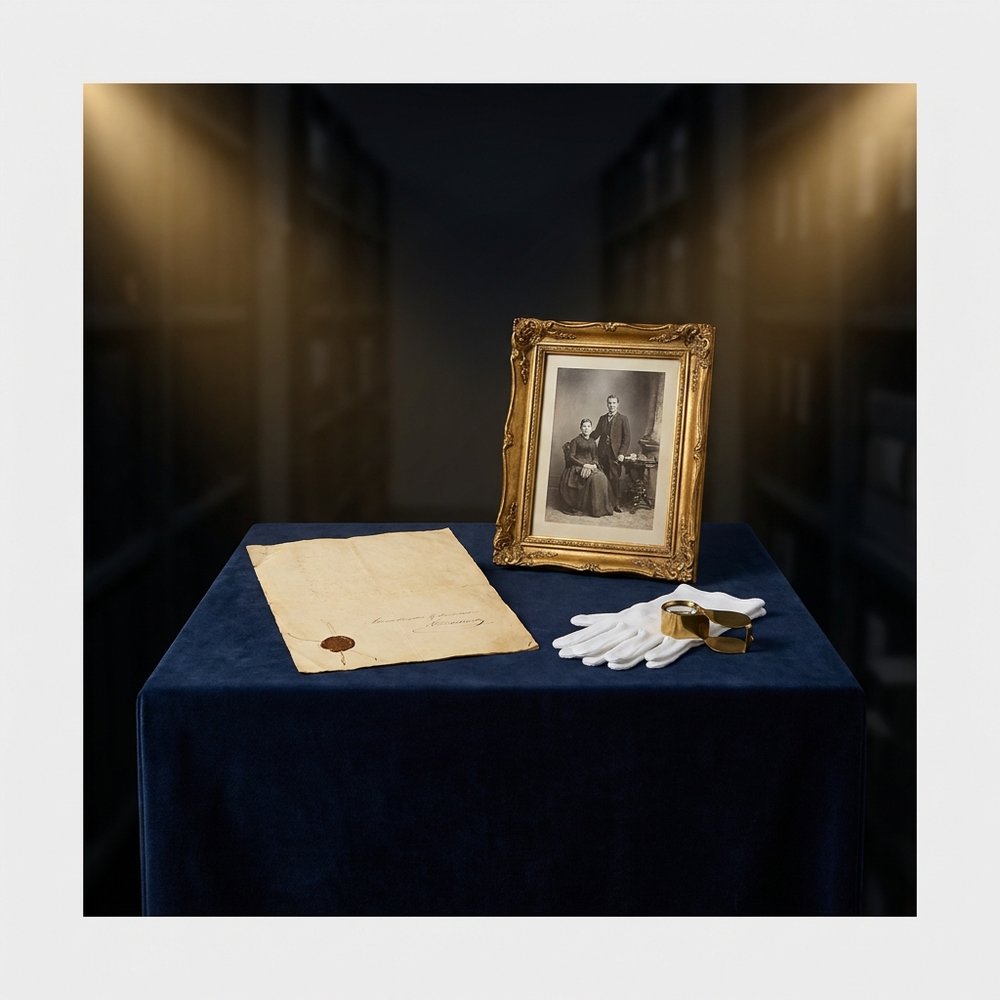
Crew-Signed Photos & Documents
Autographs of Armstrong, Aldrin & Collins The most personal way into Apollo collecting — the actual hands that touched the mission, on paper you can own.Crew-signed material covers autographed photographs, documents, covers, and books signed by Neil Armstrong, Buzz Aldrin, and Michael Collins — individually or as a full crew. It is the most personal and accessible way into Apollo 11 collecting: the actual hands that flew the mission, laid down in ink you can frame on your wall. Armstrong stopped signing around 1994, which makes a genuine Armstrong signature one of the true blue-chip prizes of the hobby — and exactly why top-tier authentication is the collector's guarantee of a great one. Aldrin has signed generously for decades, so authentic Aldrin material is plentiful and affordable; Collins sits happily in the middle. The recognized specialist here is Steve Zarelli (Zarelli Space Authentication), alongside Beckett, JSA, and PSA/DNA — and their certification is what lets you buy with complete peace of mind. Full-crew signed photos carry a handsome premium, and crisp, period-appropriate signatures on quality photographs hold their value best of all.
- Single-signed photos Glossy NASA or lithograph photos signed by one crew member; Aldrin most common, Armstrong scarcest.
- Full-crew signed photos All three signatures on one image — the most desirable signed format and a large premium over singles.
- Signed documents & letters Typed letters, certificates, or documents bearing genuine crew signatures.
- Signed books & lithographs Crew autobiographies and official prints signed at events or by mail.
- Entry Level $150 – $800 Authenticated single Aldrin or Collins signed photos in solid condition.
- Mid Market $800 – $5,000 Authenticated Armstrong single signatures or strong two-signature pieces.
- Investment Grade $5,000 – $30,000+ Full-crew signed photos and premium Armstrong-signed images with top-tier authentication.
- Look for Zarelli, Beckett, JSA, or PSA/DNA certification — the gold standard, and essential on any Armstrong
- Confirm the certification number is current and matches the piece in hand
- Compare the signature against documented exemplars from the correct era
- For Armstrong, place the signing within his pre-1994 window for a clean, well-accounted piece
- Admire the natural flow and pressure of a genuine hand — the living quality of a real signature
- Match the photograph or document to period-authentic NASA stock for a fully consistent piece
- Let third-party certification lead every Armstrong purchase — it is what makes the prize yours to keep
- Value genuine Armstrong material for what it is: never a bargain, always a blue-chip treasure
- Prize a true hand-signed original over autopen or print — the human touch is the whole point
- Reward the natural flow of a real signature; its living rhythm is a pleasure to know on sight
- Trust the recognized authorities — Zarelli, Beckett, JSA, PSA/DNA — for certification you can stand behind
- Pay the full-crew premium with pride; three signatures on one image is a genuine centerpiece
Begin where authentic supply is most generous: a Zarelli- or Beckett-certified single Aldrin signed photo can be had for a few hundred dollars and teaches your eye exactly what a genuine astronaut signature looks like. Build that eye on Aldrin and Collins, then step up to Armstrong — a true blue-chip prize — with top-tier certification and a signing that sits cleanly in his pre-1994 window. Full-crew photos reward you most over the long run, so pursue them with airtight authentication and enjoy them as the centerpieces they are. In this category, the certificate is the confidence that makes the piece yours.
Why is Neil Armstrong's signature such a prize?
Armstrong was the first human on the Moon and stopped signing autographs around 1994, which makes a genuine example wonderfully scarce against enormous demand — the reason it is one of the true blue-chip prizes of the hobby. That scarcity is exactly why certification from Zarelli, Beckett, JSA, or PSA/DNA is the collector's guarantee: with it, a great Armstrong is yours to own with complete confidence.
Who is the best authenticator for astronaut autographs?
Steve Zarelli of Zarelli Space Authentication is the recognized specialist for space-flown and astronaut signatures, and his opinion carries particular weight in this market. Beckett (BAS), JSA, and PSA/DNA are also widely accepted. For any significant Armstrong piece, Zarelli certification is the gold standard.
Are Buzz Aldrin signatures a rewarding first purchase?
Wonderfully so. Aldrin has signed generously for decades, so authentic material circulates freely at accessible prices. That happy abundance makes a certified Aldrin the perfect first astronaut signature — a genuine, affordable way to build your eye before stepping up to the scarcer, more coveted Armstrong.
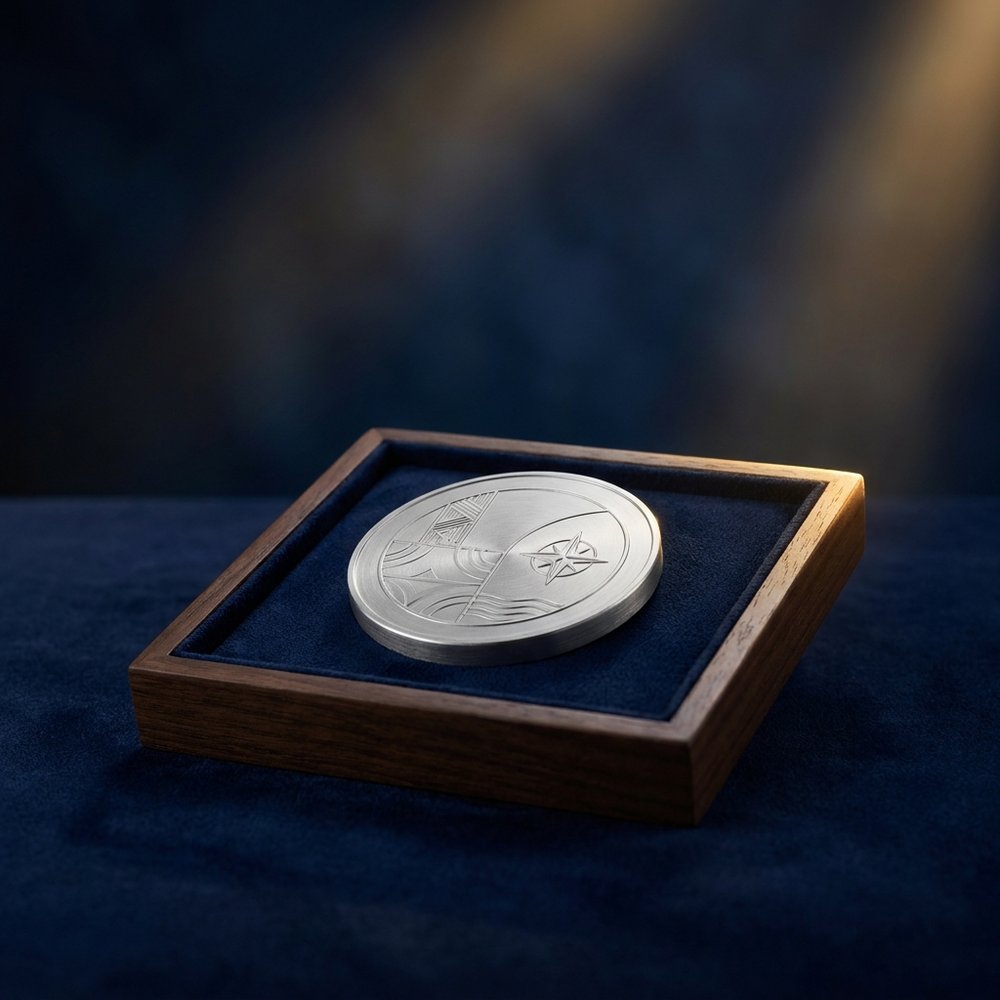
Robbins Medallions
Sterling commemorative crew medallions The crew's own commemorative coin — and when it has flown, it carries the Moon in your palm.Robbins medallions are sterling-silver commemorative medallions struck by the Robbins Company for each mission's crew. The astronauts privately commissioned them, and a cherished subset of each mission's medallions were flown aboard the spacecraft. For Apollo 11, a flown example is a genuine treasure — carried to the Moon and back — and it rightly commands a handsome premium, backed by flight documentation. Each medallion is serial-numbered, and surviving records help confirm which ones flew. Because they came straight from the crews themselves, Robbins medallions are among the most prized small artifacts in all of space collecting. The rewarding piece delivers on three counts: sterling content and an authentic strike, a documented flown or non-flown story, and a recognized authenticator behind any astronaut signature. Condition, serial number, and a clean provenance trail all add to the pleasure of owning one, with flown status the headline.
- Flown Apollo 11 Robbins medallions Examples carried aboard the mission, supported by flight documentation — the premium tier.
- Non-flown Apollo 11 Robbins medallions Period strikes not carried in space; far more accessible but still scarce.
- Serial-numbered presentation examples Medallions with documented serial numbers tied to known records.
- Signed or cased medallions Examples paired with a crew signature or original presentation case.
- Entry Level $2,500 – $7,500 Authenticated non-flown Apollo 11 Robbins medallions in good condition.
- Mid Market $7,500 – $25,000 Scarce non-flown examples with strong serial records or presentation cases.
- Investment Grade $25,000 – $120,000+ Documented flown Apollo 11 Robbins medallions with flight provenance.
- Confirm the sterling-silver content and a strike that matches authentic Robbins Company production
- Let flight documentation tell the flown story before you pay the flown premium — and enjoy the certainty it brings
- Match the serial number to surviving Robbins records where available
- Confirm any accompanying astronaut signature through Zarelli, Beckett, JSA, or PSA/DNA
- Trace a flown example's provenance back to a crew member or estate
- Admire the crisp detail of a genuine struck medallion over any casting
- Reward the flown medallion that arrives with real flight documentation — that paper is the premium
- Prize a genuine period strike over any restrike; originality is the whole joy of the piece
- Trust serial numbers that line up with known Robbins records — a satisfying confirmation
- Hold out for true sterling silver, the material the crew themselves commissioned
- Match the price to the paperwork: a documented flown example earns its flown value
- Favor provenance that names the crew member — the human connection is the treasure
A lovely way in is a well-documented non-flown Apollo 11 Robbins medallion, where the strike and sterling content are easy to confirm and the flown premium sits pleasantly out of the way. Let that first piece teach you serial numbers, casing, and how genuine Robbins production looks and feels in the hand. Reserve the flown examples for when you can secure real flight documentation — the piece that has actually been to the Moon, with the paperwork to prove it, is worth the patience. Match the price to the paperwork, and have any crew signature certified on its own. Here, patience and documentation are the collector's allies, and the reward is a coin the crew themselves would recognize.
What exactly is a Robbins medallion?
It is a sterling-silver commemorative medallion struck by the Robbins Company and privately commissioned by each mission's crew. A subset of each mission's medallions were flown aboard the spacecraft. They are serial-numbered and, because they came from the astronauts themselves, are among the most prized small space artifacts.
How much more is a flown Robbins medallion worth?
Substantially more. Flown examples command large premiums over non-flown strikes, often several times the price, because they were physically carried on the mission. That premium depends entirely on credible flight documentation — without it, a medallion is valued as non-flown regardless of seller claims.
How do I know if a Robbins medallion was actually flown?
Look for flight documentation and check the serial number against surviving Robbins records. Provenance tying the piece to a crew member or estate strengthens the case. Treat any flown claim lacking documentation as non-flown for pricing purposes until proven otherwise.

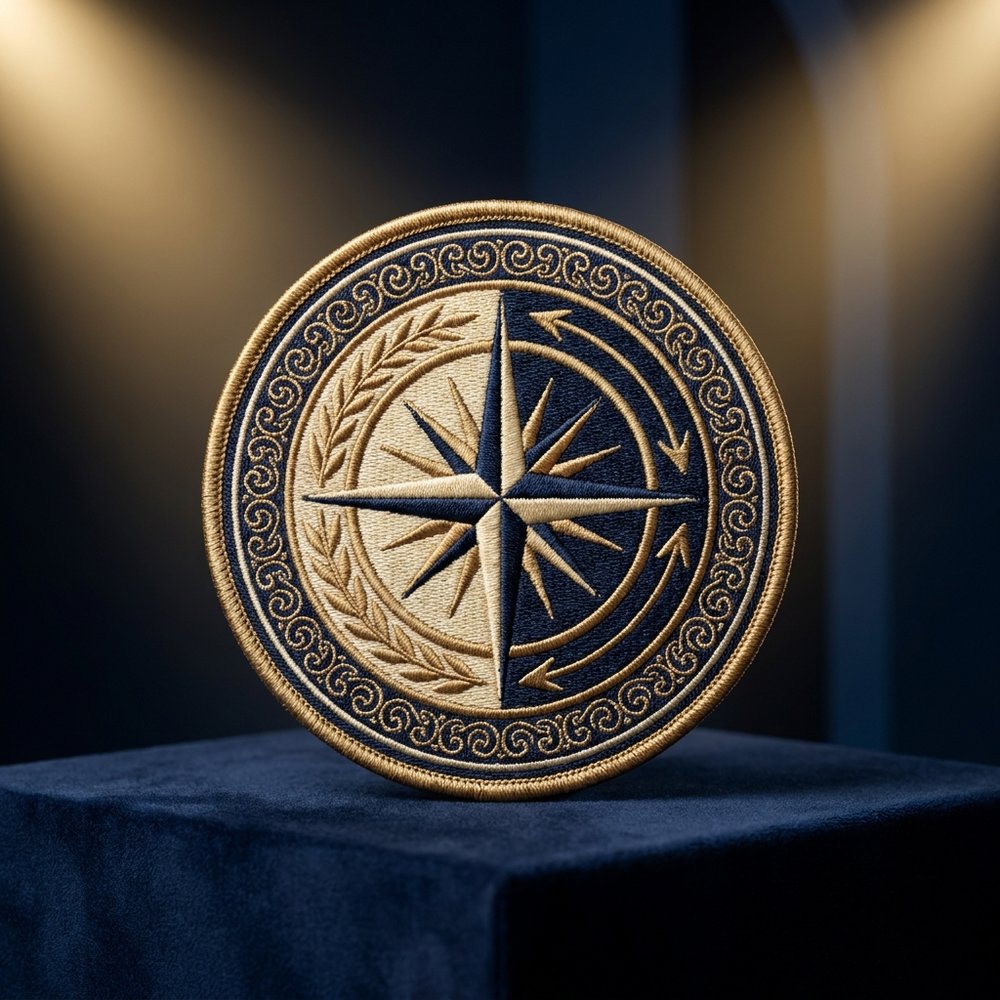
Mission Patches & Insignia
The Apollo 11 eagle emblem The most affordable doorway into Apollo collecting — and a joy to learn, from souvenir to genuinely flown.Mission patches and insignia center on the beloved Apollo 11 emblem — the bald eagle descending to the lunar surface, olive branch in its talons. They range from charming, inexpensive souvenir patches to scarce period-made and flown examples, so there is a piece for every budget. Most patches in the market are affordable souvenirs and reproductions, a delightful and accessible way to own the emblem. The premium tier is the genuinely flown patch with documented mission provenance, with a rewarding middle ground of authentic period (vintage 1969-era) patches. The pleasure of this category is learning to read a patch — construction, backing material, thread, and embroidery detail all help date it, while flown status is confirmed by documentation. It is the friendliest doorway into Apollo collecting, ideal for building your eye before stepping up to higher-value artifacts.
- Flown Apollo 11 patches Patches carried on the mission with documented flight provenance — the premium tier.
- Period (1969-era) patches Authentic vintage patches from the mission era that were not flown.
- Souvenir & commemorative patches Modern and contemporaneous copies sold to the public; valued as memorabilia.
- Crew-signed patches Patches bearing a genuine, separately authenticated crew signature.
- Entry Level $15 – $100 Souvenir and reproduction patches in good condition.
- Mid Market $100 – $1,500 Authentic period 1969-era patches and signed souvenir examples.
- Investment Grade $1,500 – $20,000+ Documented flown patches with credible mission provenance.
- Place the patch in its tier — flown, period, or souvenir — and enjoy it for exactly what it is
- Look for flight documentation on any patch offered as flown
- Read the backing, thread, and embroidery to date a genuine period patch — a satisfying skill to master
- Confirm any crew signature on a patch through Zarelli, Beckett, JSA, or PSA/DNA
- Compare the emblem details against documented period-correct examples
- Enjoy the provenance history on any patch above souvenir level
- Reward the flown patch that comes with documentation; without it, enjoy a fine souvenir on its own terms
- Match the price to the tier — a period or flown patch earns its premium, a souvenir stays a bargain
- Prize the patch whose construction and provenance tell a clear, consistent story
- Have any crew signature certified separately — it is a bonus asset worth confirming
- Let the edge and backing details confirm the era; reading them is half the fun
- Favor the seller who happily explains how a patch's status was established
Patches are the ideal training ground and a pleasure in their own right. Spend $15 to $100 on souvenir examples to learn the emblem cold, then study the construction — backing, thread, and edges — that distinguishes a period 1969-era patch from later copies. Step up to flown examples when genuine flight documentation accompanies them, and enjoy a well-loved souvenir for what it is in the meantime. Treat any crew signature as its own certifiable asset. Because the entry cost is so friendly, this category lets you build real provenance instincts and a confident eye before moving up to flown artifacts and scarce signed photos.
How do I tell a flown patch from a souvenir?
You cannot tell from the patch alone — flown status rests on documentation, not appearance. Construction details can confirm a patch is period-correct, but only credible flight provenance establishes that it was actually carried on the mission. Treat any flown claim without documentation as a souvenir.
Are most Apollo 11 patches valuable?
No. The overwhelming majority are modern souvenirs and reproductions worth modest sums as memorabilia. Value rises sharply only for authentic period 1969-era patches and, far more so, for documented flown examples. Knowing which tier you are buying is the single most important skill in this category.
Is a signed patch worth more?
It can be, but the signature must be authenticated separately from the patch. Treat a crew-signed patch as two items: the patch itself, valued by flown or period status, and the signature, which should be certified by Zarelli, Beckett, JSA, or PSA/DNA before you pay a premium.

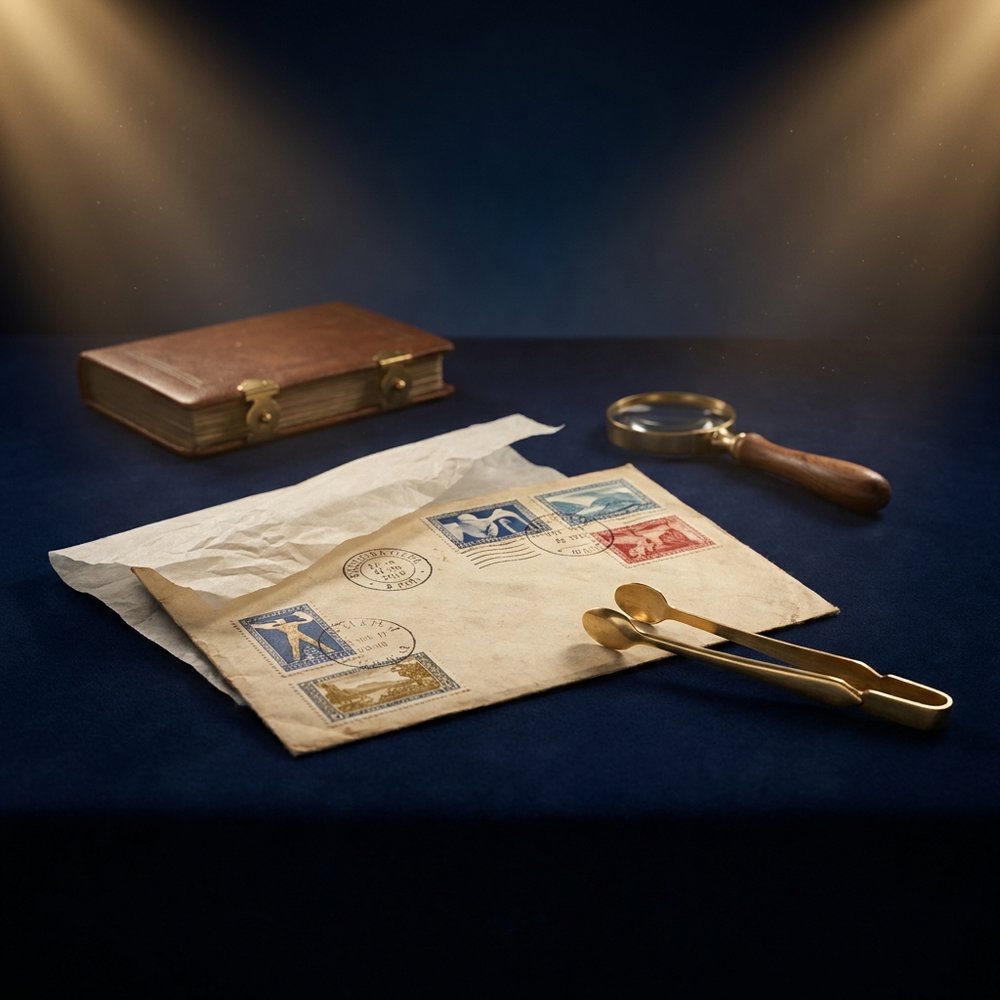
Insurance (Philatelic) Covers
Crew-signed pre-flight postal covers A profoundly human niche — signatures the crew left behind for the families they loved.Insurance covers — sometimes called philatelic covers — are postal envelopes the crews signed and left with their families before launch as a form of informal life insurance. Unable to buy conventional coverage given the risk, the astronauts signed batches of postmarked covers their families could sell if the worst came to pass. Postmarked around the launch and recovery dates, they belong unmistakably to the mission period. They are a deeply moving and historically rich niche, treasured because the signatures are genuine, contemporaneous, and tied directly to the crew's own preparations for the journey. Value flows from the authenticity of the signatures, the period-correct postmark, the cachet design, and provenance back to a crew family. Because they carry real astronaut signatures, all the joy of autograph authentication applies — particularly for Armstrong. A well-documented full-crew insurance cover is among the most compelling and accessible ways to own genuine Apollo 11 signatures with a story you will never tire of telling.
- Full-crew insurance covers Covers signed by all three astronauts, postmarked around the mission — the premium format.
- Single-signature covers Covers bearing one crew member's genuine signature.
- Launch-dated covers Covers postmarked on or around the July 1969 launch date.
- Recovery-dated covers Covers postmarked around splashdown and recovery, tied to the mission close.
- Entry Level $500 – $2,500 Single-signature insurance covers with solid authentication.
- Mid Market $2,500 – $12,000 Two-signature covers or Armstrong-signed examples with certification.
- Investment Grade $12,000 – $60,000+ Documented full-crew insurance covers with provenance to a crew family.
- Confirm every signature through Zarelli, Beckett, JSA, or PSA/DNA — especially the Armstrong
- Enjoy a postmark date that falls squarely in the launch or recovery window
- Trace provenance back to a crew member's family wherever possible — the most moving part of the story
- Compare the cachet and cover style against documented insurance-cover examples
- Admire genuine ink over autopen or print — the real hand is what you are here for
- Favor a cover in honest, original condition with no later additions
- Let third-party authentication lead every signature, and the Armstrong most of all — it is your guarantee
- Reward the postmark that lines up with the mission timeline; the date is part of the treasure
- Prize the genuine period cachet and cover — the real article carries the real story
- Favor provenance that ties the cover to a crew family; that human line is the heart of the piece
- Choose hand-signed ink over autopen every time — the living signature is the whole point
- Value the honest, untouched cover; original condition is a quiet mark of quality
Start with a single-signature insurance cover carrying Zarelli or Beckett authentication and a period-correct postmark — an accessible, deeply satisfying way to own a genuine, contemporaneous Apollo 11 signature with an unforgettable backstory. Learn the cachet styles and postmark windows, and let that knowledge draw you to the covers that fit the mission perfectly. Step up to two-signature and full-crew covers as your confidence grows, favoring those with provenance to a crew family. Give any Armstrong the full gold-standard treatment. Because these covers pair real signatures with documented period postmarks, they offer wonderful authentication leverage at prices below comparable signed photos — a connoisseur's favorite.
What is an insurance cover?
It is a postal envelope the astronauts signed and left with their families before launch as informal life insurance. Unable to buy conventional coverage given the risks of the mission, the crew signed postmarked covers their families could hold — a deeply human gesture. They are postmarked around the launch and recovery dates, tying them unmistakably to the flight.
Why do collectors value insurance covers?
Because the signatures are genuine, contemporaneous, and tied directly to the crew's own mission preparations, with a poignant human story behind them. The period-correct postmark adds authentication leverage, and full-crew examples with family provenance are both historically rich and relatively accessible compared to signed photos.
Do insurance covers still need autograph authentication?
Absolutely — and it is part of the pleasure. They carry real astronaut signatures, so all the usual authentication applies, especially for Armstrong, the most coveted signature in the hobby. Confirm the piece through Zarelli, Beckett, JSA, or PSA/DNA and check that the postmark aligns with the mission, and you can buy with total confidence.
Presentation & Press Memorabilia
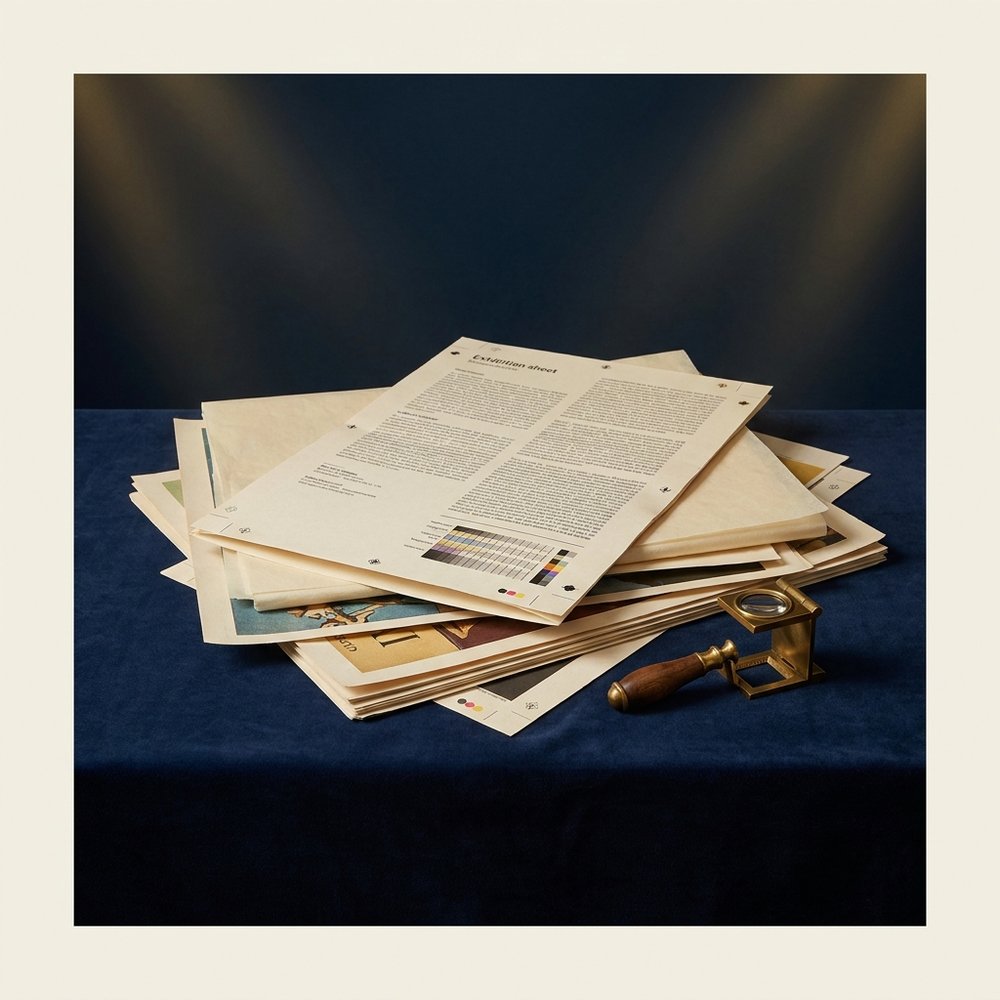
NASA litho, press kits & display pieces The affordable, design-rich layer of the Apollo 11 story — history you can hang on the wall.Presentation and press memorabilia covers the wide, wonderful layer of mission material made for the public, the media, and commemorative display: NASA lithographs, official press kits, mission booklets, plaques, first-day covers, newspapers, and contemporary commemorative objects. Generally unflown and affordable relative to flown artifacts, these pieces are the most accessible and visually rich way to build a collection or dress a display with real Apollo 11 history. Value flows from period authenticity, condition, and completeness — an original 1969 NASA press kit, complete and clean, is a genuine prize that far outshines any later reprint. When a presentation piece carries a crew signature, that signature becomes the star of the show and is authenticated like any other autograph. The rewarding pieces are the ones you can place confidently as genuine period production, complete in every part for multi-piece items like press kits, with any signature confirmed as its own certifiable asset.
- NASA lithographs & photos Official period photographic prints and litho sets distributed by NASA.
- Press kits & media booklets Original press kits and mission booklets issued to media in 1969.
- Plaques & commemorative objects Presentation plaques, medals, and contemporary commemorative display pieces.
- First-day covers & newspapers Period postal covers and original 1969 newspapers reporting the landing.
- Entry Level $20 – $150 Original period newspapers, single lithographs, and common commemoratives.
- Mid Market $150 – $1,200 Complete original press kits, litho sets, and quality presentation plaques.
- Investment Grade $1,200 – $15,000+ Crew-signed presentation pieces and rare complete period press material.
- Confirm genuine 1969-era production — the original always outshines a later reprint
- Enjoy a press kit that is complete with all its original contents
- Confirm any crew signature through Zarelli, Beckett, JSA, or PSA/DNA
- Read the paper stock, printing, and honest wear that speak of the period
- Welcome provenance on higher-value or signed presentation pieces
- Compare lithographs and kits against documented official NASA examples
- Reward the genuine 1969 original over any reprint — period production is the whole appeal
- Prize the complete press kit; every original part in place is what makes it a set
- Have any crew signature certified — a confirmed autograph is a delightful bonus
- Enjoy pieces that present honestly as period or commemorative for exactly what they are
- Let the paper stock and printing confirm a true 1969 date — a satisfying tell to know
- Match the price to the piece; the scarce complete original is where the value lives
This is the friendliest and most delightful place to start. For $20 to $150 you can own a genuine July 1969 newspaper or an original NASA lithograph and train your eye to read period paper, printing, and wear. Build toward complete original press kits and litho sets, always enjoying the hunt for a truly complete example. Reserve your real money for crew-signed presentation pieces, and when you find them, treasure the signature as the asset and have it certified by Zarelli, Beckett, JSA, or PSA/DNA. The instincts you build here — period versus reprint, complete versus partial — carry straight into the higher-value categories, and every piece looks wonderful on the wall.
Is presentation and press memorabilia flown?
No. This category is made for the public, media, and commemorative display, so value rests on period authenticity, condition, and completeness rather than flown status. That makes it the most affordable and visually rich layer of Apollo 11 collecting, ideal for new buyers building an eye for genuine period production.
How do I spot an original press kit versus a reprint?
Examine paper stock, printing quality, and honest wear for consistency with a 1969 date, and check that all original contents are present. Reprints and reproductions are common, so an original always stands out. Comparing against documented official NASA examples and confirming completeness are the keys to landing a genuine period piece you will treasure.
Does a signature change how I value a presentation piece?
Significantly. When a crew signature is present, it usually becomes the dominant value driver and must be authenticated like any other autograph — through Zarelli, Beckett, JSA, or PSA/DNA. Value the underlying piece on its period merits, then treat the certified signature as a separate, premium-adding asset.
Own a Piece of the Moon Landing
Browse authenticated Apollo 11 material with full provenance and blockchain-verified certificates of authenticity — the space age, yours to keep.
Browse Space Memorabilia View FAQ