
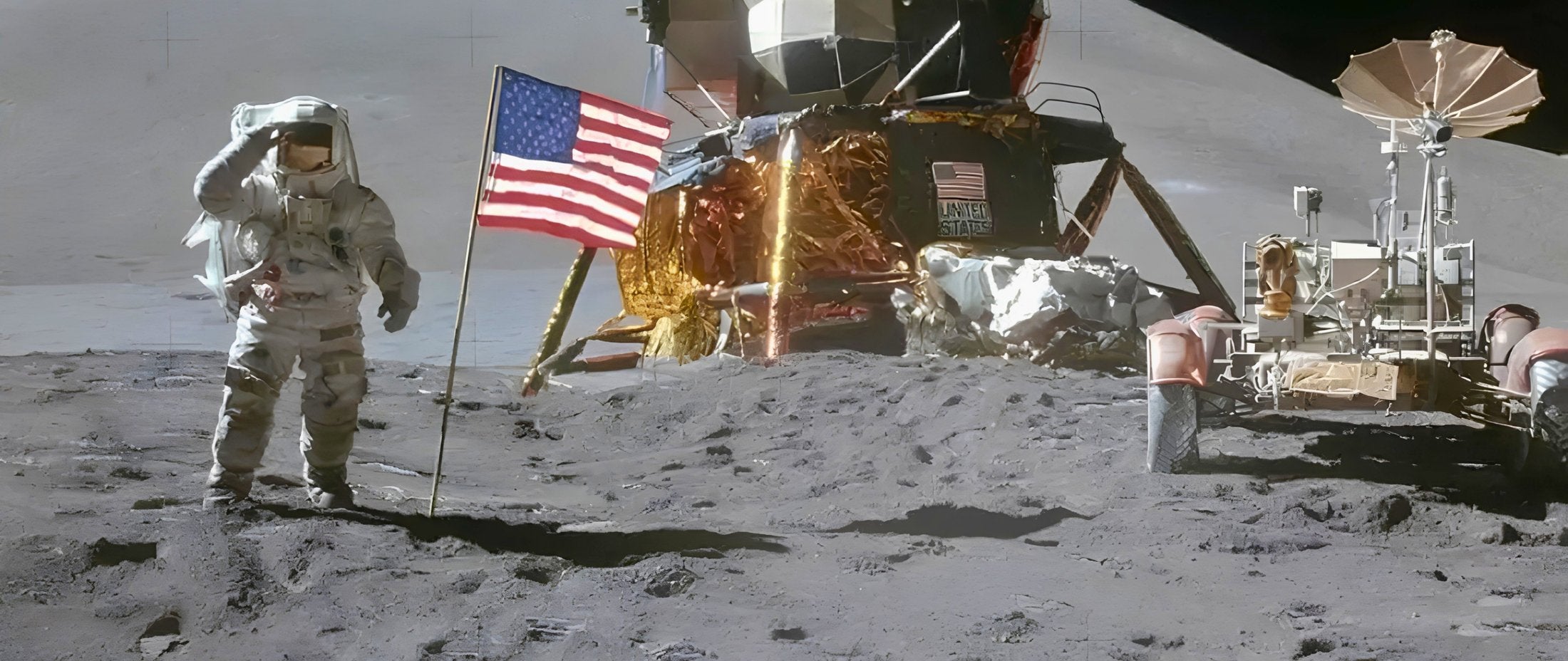
How to Spot a Fake / Space Memorabilia
Authentication GuideHow to Spot Fake Space & Astronaut Memorabilia
Apollo-era astronauts signed for the public for decades — and machines and secretaries signed for them too. This guide shows how to authenticate astronaut signatures and flown artifacts using specialist authentication (Zarelli Space Authentication) plus JSA/PSA, how to detect autopen and secretarial signatures, and how to verify "flown" provenance.
Why space memorabilia is faked
Astronaut autographs are uniquely risky because autopen and secretarial signatures were used heavily — NASA's mail volume meant many "signatures" from the 1960s–70s were machine- or staff-produced, even though the item is period-correct. On top of that, "flown in space" claims add enormous value and are frequently exaggerated or fabricated. Authentication here requires a space specialist — Zarelli Space Authentication — usually alongside JSA or PSA/DNA, plus documented flight provenance.
What an authentic piece looks like
Specialist authentication
Space autographs are best authenticated by Zarelli Space Authentication, the recognized specialist, often in combination with JSA or PSA/DNA. Specialist review is what separates a genuine hand-signed astronaut signature from autopen or secretarial examples that general checks can miss.
Autopen screening
Genuine signatures show natural pressure and flow. Autopen signatures are mechanically consistent and can be matched to known autopen patterns; secretarial signatures are in a different hand entirely. A specialist compares against documented autopen and secretarial templates for that astronaut and era.
Flown provenance
"Flown" artifacts must be backed by documentation — NASA records, crew certification, or a chain of provenance tracing the item to a specific mission. A flown claim without that paper trail should be treated as unproven.
Period-correct materials
Photos, lithographs, patches, and documents should be correct for the era — paper, printing, NASA stamps, and finishing consistent with the mission period.
Hologram & cert lookup
Where JSA/PSA accompany the authentication, a numbered hologram and verifiable certificate should match the item. Zarelli issues its own documentation for the space-specific review.
Provenance trail
Source history and documentation should be traceable. Gauntlet pieces carry a verifiable record via our COA alongside specialist authentication.
Red flags
- An astronaut signature with no specialist (Zarelli) review — general authentication alone can miss autopen and secretarial signing.
- Signatures that are mechanically consistent across examples (autopen) or in a clearly different hand (secretarial).
- A "flown in space" claim with no NASA documentation, crew certification, or provenance chain.
- Materials or printing inconsistent with the mission era.
- A seller-only "COA" instead of Zarelli + JSA/PSA documentation.
- No verifiable source history.
Step-by-step verification checklist
- Identify the astronaut and item and the era it should date to.
- Require Zarelli Space Authentication (ideally with JSA or PSA/DNA).
- Screen the signature for autopen and secretarial patterns against documented templates.
- For flown items, verify flight provenance — NASA records, crew certification, chain of custody.
- Confirm period-correct materials and any hologram/cert lookup.
- Trace provenance and, for Gauntlet pieces, the our COA record.
Frequently asked questions
Why is autopen such a big problem for astronaut autographs?
NASA astronauts received enormous volumes of autograph requests, and autopen machines and secretaries were used to keep up — especially in the 1960s and 70s. That means an item can be genuinely period-correct yet not actually hand-signed by the astronaut. Detecting autopen and secretarial signatures is the core of space-memorabilia authentication, which is why a specialist is essential.
Who authenticates space memorabilia?
Zarelli Space Authentication is the recognized specialist for astronaut signatures and space artifacts, frequently used alongside JSA or PSA/DNA. The space-specific expertise is what reliably separates authentic signatures from autopen and secretarial examples.
Can a "flown in space" claim be verified?
Only with documentation. A legitimate flown artifact is backed by NASA records, crew certification, or a provenance chain tracing it to a specific mission. A flown claim without that paper trail should be treated as unproven, regardless of how compelling the story is.
How do I verify a space piece I already own?
Have the signature reviewed by Zarelli (with JSA/PSA where applicable), screen for autopen/secretarial signing, and verify any flown provenance against NASA documentation. If purchased from Gauntlet Gallery, verify the record via our our COA lookup.
Buy space memorabilia with confidence
Every Collection Begins with a Story
Original storytelling, historical research, market context, and collector education across the collection.
Original Storytelling Videos
Original story videos across the collection.
Collector Research
Release history, edition details, and context.
Market Intelligence
Transparent pricing from curated sales data.
Collect with Confidence
Authentication, provenance, and secure shipping.
Watch the StoryDiscover the HistoryCollect with Confidence