

Collecting Mr. Brainwash
Your connoisseur's map to owning Mr. Brainwash (Thierry Guetta) with confidence — how each format is made, how editions and proofs are structured, how the studio COA works, and how to read the small differences that make one work more coveted than the next. Street-pop joy, at every level.
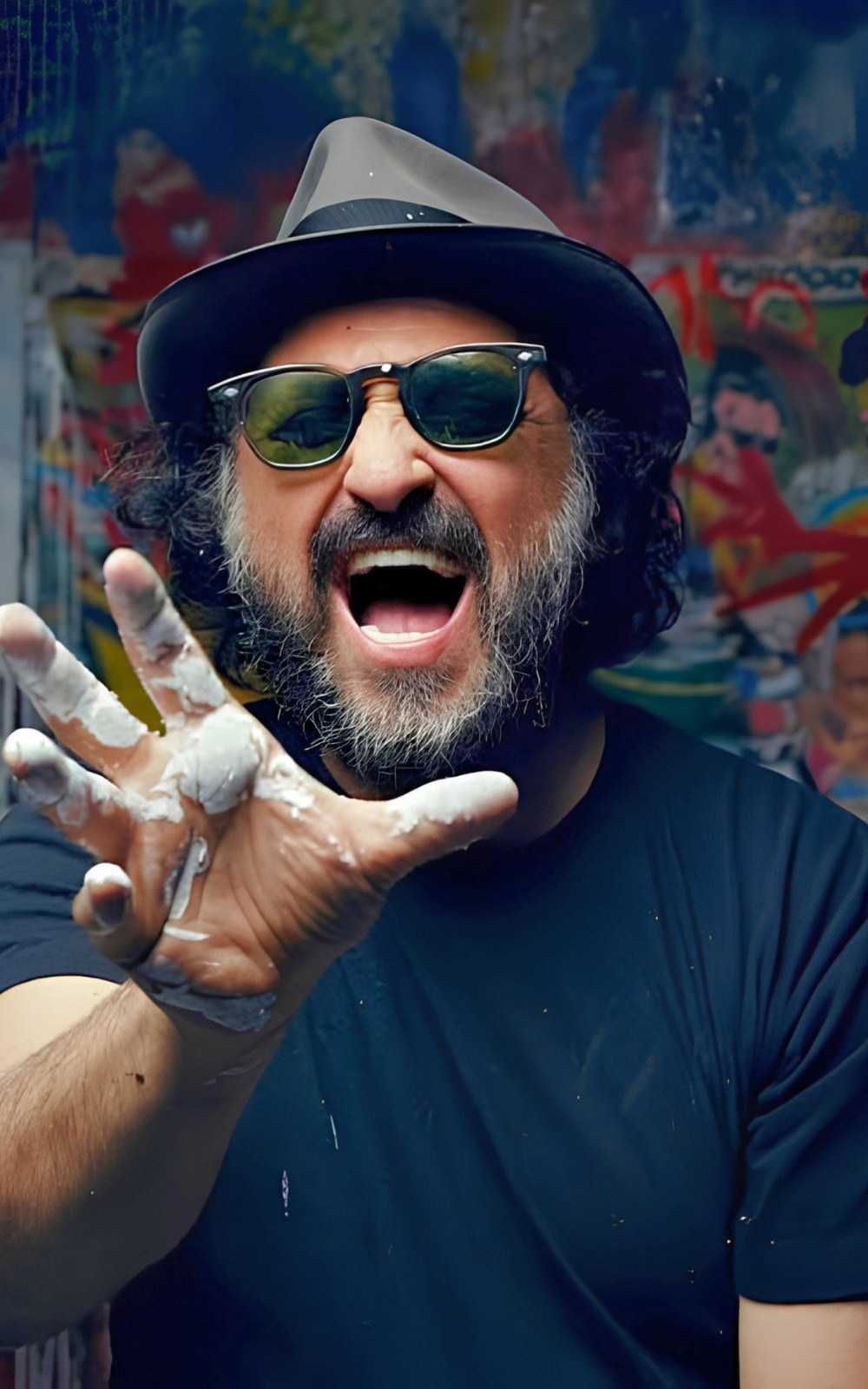
Mr. Brainwash
Mr. Brainwash is Thierry Guetta (b. 1966), the French-born, Los Angeles-based artist who became a phenomenon after Banksy’s Oscar-nominated film Exit Through the Gift Shop (2010). “MBW” takes the icons of pop and street art — Warhol’s palette, Basquiat’s crown, the spray can and the splash of paint — and remixes them into exuberant, large-scale works.
His shows are spectacles and his output is prolific, which is exactly what makes him accessible: signed prints and unique canvases that carry the joy of the street at collector-friendly prices, with a top end that keeps climbing.

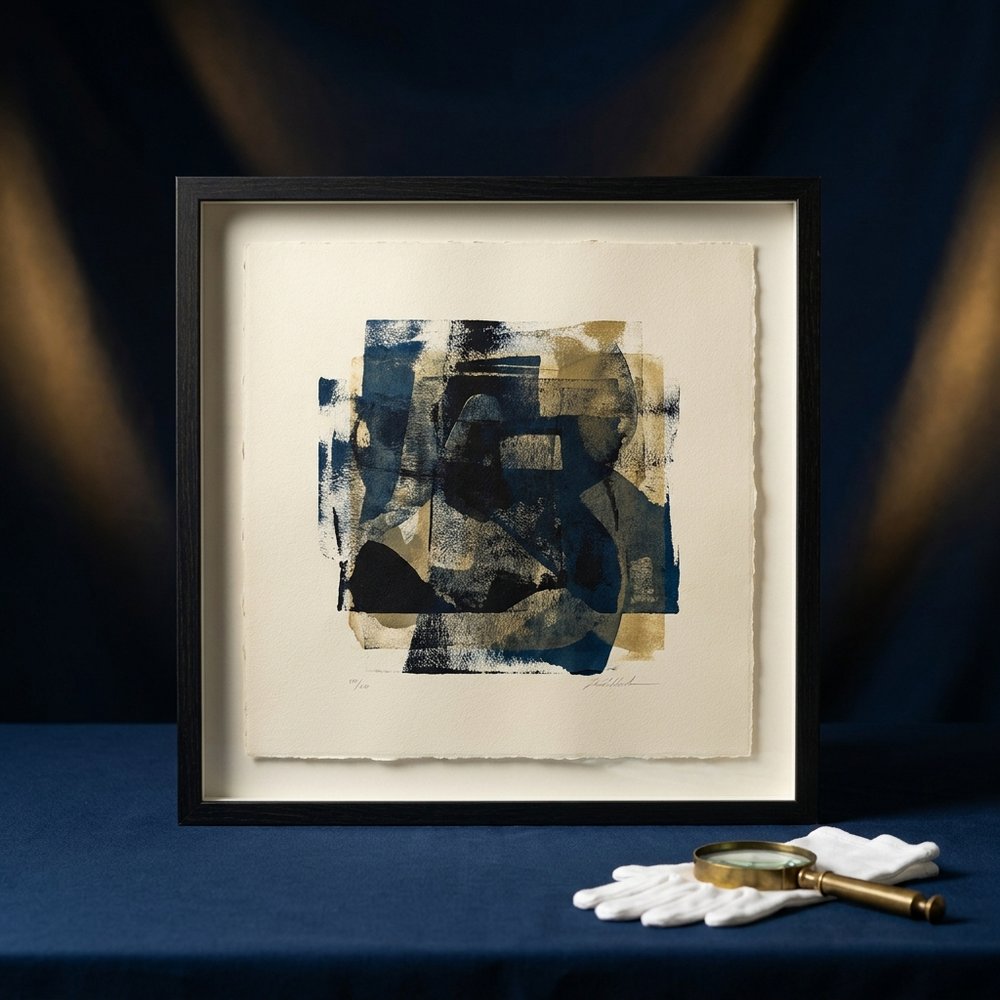
Screenprints, Proofs & Colorways
Silkscreen editions · Numbered, proofed and re-colored The most inviting entry point — and where knowing true supply makes you the smartest buyer in the room.A print is made through a repeatable transfer process, and Mr. Brainwash collectors most often encounter screenprints or silkscreens, though releases may include digital, photographic, offset or transferred elements. Screenprinting is central to the practice because it supports strong color, repeated photographic imagery, multiple colorways and hand-applied additions. A signed limited-edition screenprint is an original editioned artwork — it is not automatically a unique painting because the artist signed it. The most rewarding discipline in this category is reading true supply — and it is exactly the knowledge that makes you the sharpest buyer in the room. A composition may exist as a standard numbered edition alongside artist proofs and other proof classes, several colorways, alternate sizes and later reuses of the same image, so the real quantity is often richer and more varied than the main edition number alone suggests. Because Mr. Brainwash's name carries genuine demand, exact terminology and clear cataloguing let both buyer and seller trade with total confidence. Buy the exact work — its title, year, medium, dimensions, edition and proof structure — and you own the name and the object with equal certainty.
- Standard Numbered Editions A notation such as 25/100 identifies impression 25 from an edition of 100; low or matching numbers are collector preferences, not universal value rules.
- Artist Proofs (AP / A/P) Impressions outside the primary numbered edition; ask how many exist and whether color or finishing differs.
- Colorways Versions with a different palette — altered background, heart, text, spray accents, metallic or fluorescent ink, or paper.
- Portfolio Sets Coordinated groups released together with a shared theme, format or numbering structure.
- Supply Often larger than it looks Total supply combines the main edition, all proof groups, colorways, alternate sizes and later reuses of the image.
- Desirability Image > edition size Edition size influences supply but not demand by itself; a larger edition of an iconic composition can be easier to sell than a tiny edition of an obscure subject.
- Pricing Evidence Sold, not asking Asking prices show seller expectations; completed transactions show what buyers paid. Dealer asking-price dispersion is wide.
- Confirm the exact title, year, medium and unframed dimensions, not just the image.
- Establish the complete edition and proof structure — standard edition, AP/A/P count, and any other proof classes.
- Map the full supply: colorways, alternate sizes and later reuses of the same composition.
- Locate and read the signature — it may be on the front, edge or reverse, sometimes with a date or edition number.
- Inspect paper for dents, creases, edge wear, staining, fading, adhesive residue, trimming and permanent mounting.
- Compare against genuinely comparable sold works, matching colorway, size and condition.
- Prize the precise phrase 'signed limited-edition screenprint' — it tells you exactly what you own.
- Read the full supply story: main edition, proof classes, colorways and any reuses of the image.
- Treat AP letters as a detail to understand — ask the quantity and how the proofs differ.
- Anchor value to comparable sold results, the surest guide to a fair price.
- Ask for photographs of the exact impression; the specific sheet is what you're acquiring.
- Favor clean margins, rich color and reversible mounting — condition is quiet money.
For most new collectors, the most satisfying entry is a signed, documented standard screenprint featuring imagery you genuinely love — titles and edition details are easy to research, and comparable examples are there to guide you. Let the image lead over the lowest price: a well-known edition with strong imagery, clear documentation and clean condition is a joy to own and easy to pass on, and rewards you far better than a bargain with a thin story. Decide up front whether a colorway's appeal is visual preference or genuine scarcity, and remember the most attractive colorway is not necessarily the rarest — often the one you love most is the one to own. Confirm the full edition-and-proof structure so you understand true supply, and price to sold comparables rather than asking prices. A Gauntlet Gallery piece adds our own COA documenting the chain of ownership, which strengthens future resale.
Is a signed screenprint an original artwork?
It is an original editioned print but not automatically a unique painting. A signed limited-edition screenprint is an editioned artwork; the signature does not convert it into a one-of-one.
What does an edition number like 25/100 mean?
It normally identifies impression 25 from an edition of 100. It does not state that number 25 was printed better than number 100. Low numbers and matching numbers can attract personal premiums, but they are preferences rather than universal valuation rules.
Are artist proofs always more valuable?
No; value depends on quantity, differences, documentation, image strength and demand. Artist proofs sit outside the primary numbered edition and are usually marked AP or A/P, but AP letters alone do not prove a materially different object.
Which Mr. Brainwash colorway is best?
The best choice depends on visual preference, scarcity, historical context and market demand rather than edition size alone. The most attractive colorway is not necessarily the rarest, and unless a collection follows a strict acquisition strategy, let the version you love most lead — genuine visual preference is the surest guide to a piece you will enjoy owning.

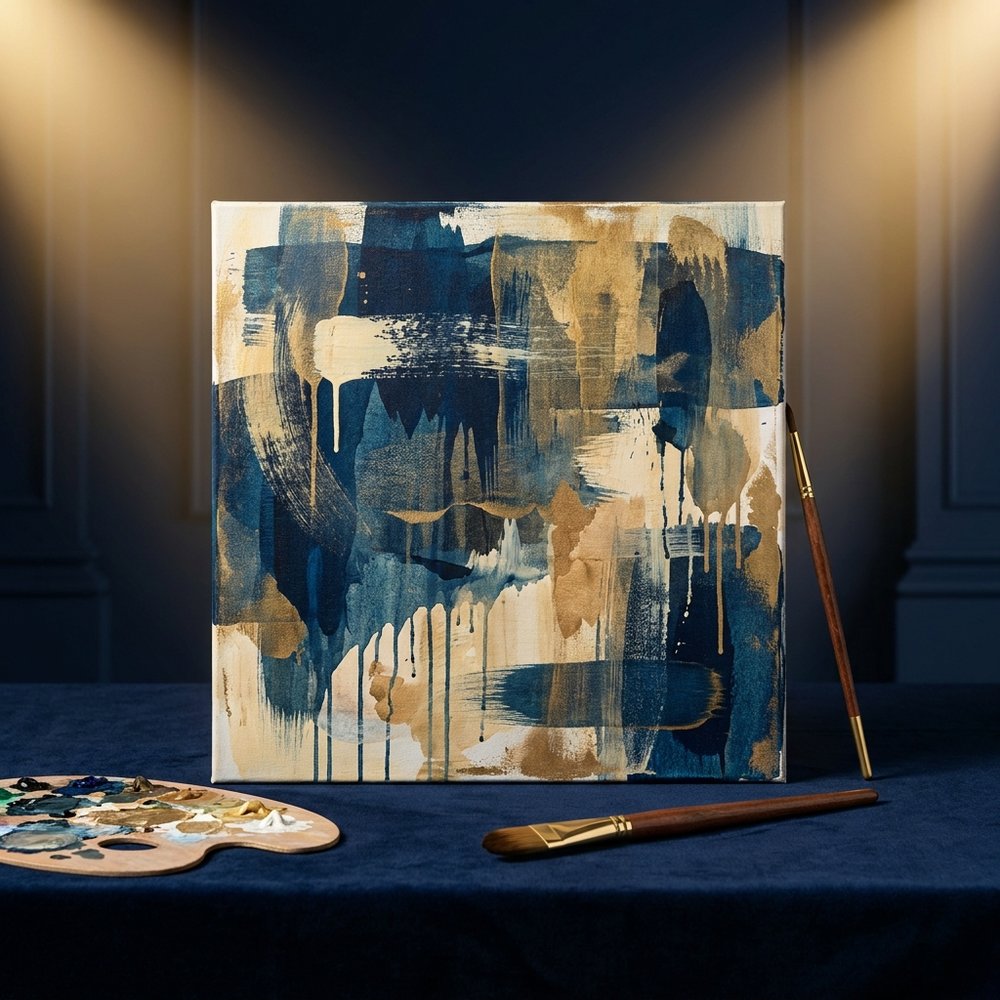
Hand-Finished Prints
Printed base · Manually reworked · Often unique variants Where an edition and a one-of-one can share a title — and the collector who reads both facts wins.Hand finishing takes a printed base and adds manual intervention — spray paint, acrylic, drips, splatter, marker, stenciling, collage or drawing. The amount of intervention ranges from a single added mark to a substantial reworking, and a printed background and a heavily hand-worked background may look similarly colorful from a distance while differing completely in production and uniqueness. This is where classification becomes decisive: a hand-finished work may still be part of a numbered edition of unique variants, so it can be visually unique while belonging to a defined edition. Because each example diverges, you must request high-resolution photographs of the exact impression rather than a representative stock image, and you should describe both facts — the edition and the hand-work. Screenprinting provides the repeatable structure; hand-applied paint makes individual impressions diverge. Two genuine examples of the same title can therefore look meaningfully different, and precise language such as "screenprint, acrylic and spray paint on paper, hand finished by the artist, from an edition of 25 unique variants" protects both sides far better than a vague "original."
- Lightly Hand-Finished Editions A numbered impression with modest added marks — a spray accent, drip or line over the printed base.
- Editions of Unique Variants A numbered run in which each impression is individually reworked, so every example diverges.
- Heavily Reworked Impressions Substantial acrylic, spray, collage or drawing that approaches the density of an original.
- Collage & Mixed-Media Additions Printed paper, posters, labels, marker or oil stick applied over the base composition.
- Classification Edition + hand-work Unique within a numbered run: state both the edition size and the hand-finishing, because either fact alone is incomplete.
- Divergence Every impression differs Demand photographs of the exact impression; a representative stock image cannot describe what you are actually buying.
- Language Precise beats vague "Hand finished" and "original" overlap without meaning the same thing; a specific medium line reveals far more.
- Request high-resolution photographs of the exact impression, not a representative stock image.
- Confirm whether the work is a fully unique piece or a hand-finished edition of unique variants.
- Read the precise medium line — for example screenprint plus acrylic and spray paint, hand finished by the artist.
- Establish the edition size and this impression's number even though each example diverges.
- Inspect the hand-work under angled light to confirm genuine paint, drips or collage rather than only print.
- Photograph the reverse and check for signatures, dates, studio numbers, thumbprints, holograms and labels.
- Value the precise phrase 'hand-finished edition of unique variants' — it captures both what makes the piece special.
- Ask for photographs of the exact impression; the specific sheet is the one you'll hang.
- Enjoy reading the hand-work under angled light — genuine paint, drips, splatter and collage catch the eye.
- Note the edition size and number; they place your unique impression within the run.
- Look for a precise medium line — it's the mark of a well-catalogued work.
- Study the reverse for its signature, studio number and labels — the object's richest story.
Buy a hand-finished print for what it precisely is, not for a hopeful upgrade in category. Insist on high-resolution shots of the exact impression and confirm the hand-work is genuine intervention — paint, spray, drips or collage you can read under angled light — rather than printed effect. Get the description to state both facts clearly: the edition structure and the hand-finishing, ideally as a specific medium line. Photograph the reverse before framing, since signatures, dates, studio numbers, thumbprints, holograms and labels there often carry the strongest object-specific evidence. A well-integrated, substantially reworked impression of strong imagery, correctly classified and documented, is the piece to favor — and a Gauntlet Gallery COA recording the chain of ownership underwrites your future resale.
What is a hand-finished print?
It is a printed base with additional manual paint, spray, collage, drawing, stencil or other intervention. The amount of intervention ranges from one added mark to a substantial reworking.
Is every hand-finished print unique?
It may be visually unique while still belonging to a numbered edition of unique variants. Request high-resolution photographs of the exact impression, not a representative stock image, because each example diverges.
Can two genuine prints look different?
Yes, especially when hand finishing or separate color variants are involved. Screenprinting provides the repeatable structure while hand-applied paint makes individual impressions diverge.
How do I distinguish an original from a hand-finished edition?
Compare the medium, edition notation, invoice, certificate and publisher or studio records. Prefer a precise description such as 'screenprint, acrylic and spray paint on paper, hand finished by the artist, from an edition of 25 unique variants' over the vague phrase 'original painting.'


Originals — Canvases & Works on Paper
Unique works · Silkscreen layers permitted · Mixed media One-of-one works where classification, provenance and the reverse tell a rewarding story.A unique completed canvas, paper work, sculpture or object is generally treated as an original even when printed elements are included. A canvas can be a unique original even when it includes a silkscreen layer — the classification depends on whether the completed composition exists as one work or as part of a repeated edition. Precise cataloguing carries the weight here: Phillips catalogued Star Wars Reunion as acrylic and silkscreen on canvas, signed on the edge and reverse and accompanied by an artist-signed certificate, while Sotheby's described Juxtapose as stencil and mixed media on canvas. For paper, Phillips catalogued a 2021 Balloon Girl as spray paint and acrylic on paper, signed, inscribed, dated and assigned an alphanumeric number on the reverse. Before buying, establish precisely what you are acquiring — a fully unique work, a hand-finished edition, a unique variant over a base, or a monoprint — so the label matches the object exactly. Let quality lead desirability rather than size. An original is at its most rewarding as a complete evidence package: front, reverse, dimensions, edition status, condition and paperwork all in agreement, so you buy a high-value work with total clarity.
- Unique Canvases One-of-one compositions that may include a silkscreen layer — e.g. Phillips' Star Wars Reunion, acrylic and silkscreen on canvas.
- Stencil & Mixed-Media on Canvas Works combining stencil, acrylic, spray, collage and printed elements — e.g. Sotheby's Juxtapose, stencil and mixed media on canvas.
- Unique Works on Paper One-of-one paper works — e.g. Phillips' 2021 Balloon Girl, spray paint and acrylic on paper, numbered on the reverse.
- Unique Variants Over a Base Confirm precisely which it is — a fully unique work or a numbered variant — so the description matches the object exactly.
- Classification One work vs. edition A silkscreen layer does not disqualify a canvas as an original; what matters is whether the completed composition is unique or part of a run.
- The Reverse Strongest evidence Signatures, dates, titles, studio numbers, thumbprints, holograms and gallery, exhibition or shipping labels often carry the best object-specific proof.
- Documentation Uneven by era The studio certifies works after January 2021 and will not backdate; a legitimate older original may lack a newly issued studio certificate.
- Establish whether the object is fully unique, a hand-finished edition, a unique variant over a base, a monoprint or an over-described standard edition.
- Read the precise medium line and confirm it against the invoice, certificate and any publisher or studio records.
- Photograph and study the reverse — signatures, dates, studio numbers, thumbprints, holograms and labels live there.
- Confirm any certificate identifies the artist, title, year, medium, dimensions, unique or edition number, issuer and issue date, and matches the exact object.
- For canvases, inspect paint stability, abrasion, punctures, warping, stretcher condition, repairs and edge damage; request a written condition report.
- Assemble strong provenance — a studio or authorized-gallery invoice, original certificate, auction record, exhibition history and continuous ownership.
- Confirm the classification — fully unique, unique variant or edition — so the label matches the object exactly.
- For a pre-2021 original, lean on strong provenance rather than a new studio certificate; the studio certifies from January 2021 onward.
- Match the certificate's title, year, medium, dimensions and identifier to the work in front of you.
- Favor documented provenance — a studio or authorized-gallery invoice, the original certificate, an auction or exhibition record.
- Welcome full photographs of the reverse; its signatures, studio numbers and labels are the best evidence.
- Read the whole evidence package together — front, reverse, dimensions, edition, condition and paperwork in agreement.
At the original tier, classification and evidence are the whole reward. Look beyond the image and signature to the full story: confirm whether the piece is fully unique or a numbered variant over a base, and ask the seller for a precise medium line matched by invoice, certificate and studio or gallery records. Treat the reverse as primary evidence and photograph it before framing. Understand the studio COA situation — certificates for works after January 2021, no backdating for older ones — so a legitimate older original is valued on its own strong provenance and a certificate that matches the exact object, rather than expecting a newly issued studio certificate. Let quality lead, and let size follow. A Gauntlet Gallery COA recording verified provenance and the chain of ownership becomes a meaningful part of the asset and protects future resale.
What is considered a Mr. Brainwash original?
A unique completed canvas, paper work, sculpture or object is generally treated as an original even when printed elements are included. The classification depends on whether the completed composition exists as one work or as part of a repeated edition.
Is a silkscreen on canvas an original?
It can be when the finished canvas is a unique mixed-media composition rather than part of an edition. Phillips catalogued Star Wars Reunion as acrylic and silkscreen on canvas, signed on the edge and reverse and accompanied by an artist-signed certificate.
Does every genuine Mr. Brainwash work have a COA?
No. The studio states that it issues certificates for works after January 2021 and does not retroactively issue certificates for older works, directing owners of outside or older purchases back to the original gallery or seller. A legitimate older work may therefore lack a newly issued studio certificate.
What is the smartest way to authenticate an original?
Read the full evidence package rather than a single feature. Authentication is at its most confident when the front, reverse, dimensions, edition, condition and paperwork all agree — a signature and certificate are two lines in that story, not the whole of it.

Sculptures & Painted Objects
Fabricated forms · Hand-applied or cast finishes · Splash Spraycans From monumental installations to 1/1 studio objects — the documentation is half the pleasure of owning one.Mr. Brainwash sculptures range from monumental exhibition installations to smaller studio-issued objects, with materials that can include metal, fiberglass, resin, acrylic paint and found components. Take the material from documentation rather than a photograph. Specialist fabricators may construct the form while the artist develops the concept, approves the prototype and controls or applies the final finish, so a buyer should ask whether the surface is hand painted, printed or cast in color and whether the object was produced under a license. The best-documented line is the Splash Spraycan: the official studio currently describes each as a unique 1/1 sculpture, while sample photographs are representative rather than images of the exact object a buyer will receive. Other sculpture lines may be unique, editioned, or produced in multiple colors and materials, so confirm edition size, proofs, variants, dimensions, signature, numbering, packaging, certificate and matching identifiers. Unusual appearance does not prove scarcity. For deliberately splashed objects, separate intentional roughness and drips from later damage, and treat original packaging as something that can protect the object and carry important labels.
- Splash Spraycans Studio-sold metal spray-can sculptures with individually applied paint; the studio describes each as a unique 1/1 object.
- Smaller Studio-Issued Objects Painted objects that may be unique, editioned, or made in multiple colors and materials — confirm which.
- Fabricated Sculpture Forms built by specialist fabricators to the artist's concept, with the finish hand-applied, printed or cast in color.
- Monumental Installations Large exhibition works built around the immersive, artist-controlled model established in 2008.
- Material From documentation Metal, fiberglass, resin, acrylic and found components read alike in photos; take the material and finish method from the paperwork.
- Uniqueness 1/1 or editioned? Splash Spraycans are described as 1/1; other lines may be unique, editioned or multi-colored. Unusual appearance does not prove scarcity.
- Packaging Part of the object Original packaging can protect the work, carry labels and improve resale confidence.
- Take the material — metal, fiberglass, resin, acrylic, found components — from documentation, not the photograph.
- Ask whether the surface is hand painted, printed or cast in color, and whether the object was produced under a license.
- For Splash Spraycans, confirm the 1/1 description and remember sample images are representative, not the exact object.
- For other lines, confirm edition size, proofs, variants, dimensions, signature, numbering, packaging, certificate and matching identifiers.
- Inspect for paint loss, cracks, scratches, corrosion, fading, adhesive failure, repairs, missing bases and repainting.
- On splashed objects, separate intentional roughness and drips from later damage, and confirm original packaging and labels.
- Take the material and finish method from the documentation — the surest read on any object.
- Ask for photographs of your exact 1/1 object; each Splash Spraycan is individually applied.
- Place uniqueness in context — confirm the edition or 1/1 status and its identifiers.
- Note how the surface was made — hand painted, printed or cast — and whether a license applies.
- Enjoy distinguishing the artist's intentional drips and roughness from ordinary wear.
- Keep the original packaging, labels and matching identifiers; they protect the object and support resale.
Treat a sculpture or painted object as a documentation problem first and an aesthetic one second. Establish the material and finish method from paperwork, not appearance, and pin down whether the object is a 1/1 like a Splash Spraycan or part of an editioned, multi-colored line. Because fabricators may build the form while the artist controls the concept and finish, confirm who applied the surface and whether a license was involved. Review condition with a collector's eye and, on deliberately splashed pieces, enjoy learning to read the artist's intentional drips and roughness as part of the work. Keep and cherish the original packaging, labels and matching identifiers, since they protect the object and support resale. Let genuine documentation, not unusual looks alone, tell you what is scarce. A Gauntlet Gallery COA recording the chain of ownership adds documented assurance on the objects we sell.
What are Splash Spraycans?
They are studio-sold metal spray-can sculptures with individually applied paint, described by the studio as 1/1 objects. Sample photographs are representative rather than images of the exact object a buyer will receive.
Are all sculptures hand painted?
Not necessarily; verify whether a surface is painted, printed, cast in color or produced another way. Specialist fabricators may construct the form while the artist develops the concept, approves the prototype and controls or applies the final finish.
Does original sculpture packaging matter?
Yes; it can protect the work, carry labels and improve resale confidence. Confirm edition size, proofs, variants, dimensions, signature, numbering, packaging, certificate and matching identifiers before buying.
How should I display a sculpture?
Use a stable surface away from direct sunlight, moisture, vibration and high-traffic impact risk. For deliberately splashed objects, separate intentional roughness and drips from later damage when assessing condition.
Ready to Buy With Confidence?
Browse authenticated Mr. Brainwash inventory with precise cataloguing, documented provenance and blockchain-verified certificates of authenticity.
Browse Mr. Brainwash View FAQEvery Collection Begins with a Story
Original storytelling, historical research, market context, and collector education across the collection.
Original Storytelling Videos
Original story videos across the collection.
Collector Research
Release history, edition details, and context.
Market Intelligence
Transparent pricing from curated sales data.
Collect with Confidence
Authentication, provenance, and secure shipping.
Watch the StoryDiscover the HistoryCollect with Confidence
Sources, References & Assumptions
Master source taxonomy, terminology, and market-data assumptions: Sources, References & Assumptions.
View detailed source list
Third-party authenticators & organizations referenced on this site
- Professional Sports Authenticator autograph authentication service: psacard.com
- James Spence Authentication — autograph authentication: spenceloa.com
- Beckett Authentication Services — autograph authentication: beckett-authentication.com
- Pest Control Office — the sole authentication body for Banksy works: pestcontroloffice.com
- Obey Giant — official Shepard Fairey studio and release archive: obeygiant.com
- TrueCOA — blockchain certificate verification: truecoa.com
Collector & market information sources
- Getty Provenance Index — provenance research and best practices: getty.edu/research/tools/provenance
- Smithsonian Institution — artist histories and archives: si.edu
- Library of Congress — archival provenance guidance: loc.gov
- Market data sources: eBay, MutualArt, StockX, 1stDibs
Terminology
- Certificate of Authenticity: Wikipedia overview
- Provenance — documented ownership history: Wikipedia overview
- Artist's Proof: Wikipedia overview
- Near-field communication tap-to-verify chips: Wikipedia overview
- Edition & numbering in printmaking: Wikipedia overview
- Screen printing (Shepard Fairey's primary medium): Wikipedia overview
- Median (how our price statistics are calculated): Wikipedia overview
- Compound annual growth rate: Wikipedia overview
- Full plain-language definitions: Gauntlet collector glossary
Shop Mr. Brainwash
Explore current pieces available from the gallery.
Browse the collection for current listings.