

Featured image: AI-generated interior concept using product reference photography. Scale, setting, framing, and placement are illustrative.
Residential interiors often face a common dilemma: how to balance sophistication with personality. A client might invest significantly in bespoke furniture, high-end finishes, and a carefully curated palette, yet the final space can sometimes feel impersonal, even sterile. This isn't a failure of design, but often a missed opportunity to infuse the room with an unexpected element that speaks directly to the occupant's individual spirit. The challenge lies in introducing something genuinely playful without undermining the established gravitas of the design. We are not talking about a themed room, or borrowing colors from a cartoon character to dictate a sofa fabric. The goal is to create a subtle tension, a visual counterpoint that enlivens the space and signals a homeowner who doesn't take themselves, or their surroundings, too seriously. The solution often comes down to art selection, specifically pieces that offer a lighthearted narrative or an unexpected visual twist, placed thoughtfully within a more formal context. This approach allows the design to maintain its integrity while offering a glimpse into the unique character of the people who live there, making the room truly their own.
Understanding the Appeal of Playful Disruption in Design
The concept of 'playful disruption' in interior design is about intentionally introducing an element that contrasts with the prevailing aesthetic, creating a moment of visual interest and often, a touch of humor. In a serious, well-ordered room, this disruption can prevent the space from feeling static or overly predictable. Think of a meticulously arranged living room with classic lines, rich textures, and muted tones. Introducing a vibrant, unexpected piece of art can act as a focal point, drawing the eye and inviting closer inspection. This isn't about clashing styles but rather about a considered juxtaposition. The disruption should feel intentional, not accidental. It speaks to a homeowner confident enough in their taste to embrace eclecticism, to blend the high with the low, the serious with the whimsical. This approach fosters a sense of discovery and makes the space more engaging. It allows for a narrative to unfold, suggesting that the inhabitants possess a layered personality, appreciating both tradition and contemporary wit. The art piece becomes a conversation starter, a subtle wink that communicates a deeper story than the sum of its parts. It moves beyond mere decoration to become a statement of individuality, a personal signature within the broader design scheme. The careful selection and placement of such a piece can elevate a room from merely beautiful to truly captivating, reflecting a dynamic balance between refined taste and personal expression. This kind of art selection requires a nuanced understanding of how disparate elements can coexist harmoniously, creating a richer, more complex visual experience. It challenges the designer to think beyond conventional pairings and to consider the emotional impact of each chosen object.
Strategic Placement: Integrating Unexpected Art into Formal Settings
Integrating playful art into a formal interior requires careful consideration of placement and scale. The goal is to create an impact without overwhelming the existing design. A common mistake is to treat the playful piece as an afterthought, tucking it into a corner or hanging it too high. Instead, it should be given prominence, perhaps as the sole piece on a feature wall, or positioned to draw attention within a gallery arrangement of more traditional works. Consider the sightlines as one enters the room: where will the eye naturally land? This is often the ideal spot for a piece meant to surprise and delight. For instance, in a formal dining room with dark wood paneling and antique furnishings, a vibrant pop art print could be hung above a credenza, its colors reflecting subtly in polished surfaces. The contrast between the print's contemporary energy and the room's historical elegance creates a dynamic tension. Scale is also critical. A smaller, more intimate piece might work best in a reading nook or a powder room, where its unexpected charm can be appreciated up close. Larger works can anchor a wall in a living room, provided they don't dominate the entire space. The frame choice also plays a significant role. A minimalist, sleek frame can enhance the modern edge of the art, while a more ornate, traditional frame can create a deliberate irony, further emphasizing the playful disruption. The key is to ensure the art feels integrated, even as it stands out, creating a cohesive yet intriguing visual experience. The surrounding elements should support its presence, perhaps by echoing a color or a line in a very subtle way, without creating a theme. This thoughtful integration ensures the playful art enhances, rather than detracts from, the overall sophistication of the interior. For paper-based works, especially those with vibrant pigments, careful framing is paramount. Opting for conservation-grade matting and UV-filtering acrylic or glass can help protect the print from environmental damage, ensuring its longevity while maintaining visual clarity. This practical consideration is as important as aesthetic placement in preserving the artwork's integrity within a refined space.
Case Study: A Modern Classic Living Room with a Pop Art Twist
Imagine a client's living room designed in a modern classic style. The walls are painted in a sophisticated Farrow & Ball 'Elephants Breath' gray, providing a warm, neutral backdrop. A deep-tufted velvet sofa in an emerald green anchors one wall, complemented by two mid-century modern armchairs upholstered in a charcoal boucle. A large, abstract landscape painting in muted blues and grays hangs above the sofa, offering a sense of calm and depth. The coffee table is a polished travertine slab, and lighting is provided by brass floor lamps with linen shades. This room is elegant, comfortable, and refined, but perhaps lacks a certain spark of personal eccentricity. The client, a successful professional with a keen sense of humor, wants to introduce something that reflects their playful side without disturbing the room's serene balance. They specifically dislike impersonal spaces. For this scenario, a piece like the Death NYC Snoopy Umbrella Tokyo Tower Van Gogh Starry Night Signed Print offers an ideal solution. This print, approximately 11.5" x 17" (planning assumption for unframed size), is rich in visual layers. It features Charles M. Schulz's iconic Snoopy and Woodstock against a backdrop of Tokyo Tower, all set within the swirling night sky of Van Gogh's The Starry Night. The print is pencil-signed and hand-numbered, produced as a giclée/screenprint on heavyweight textured fine art paper. The juxtaposition of these disparate elements – a beloved cartoon character, a global architectural landmark, and a post-Impressionist masterpiece – creates an immediate sense of playful irony and cultural commentary. Instead of placing it on the main feature wall, which is already occupied by the abstract landscape, this Snoopy print could be positioned on a smaller wall adjacent to the reading nook, perhaps above a narrow console table. The console could hold a single, sculptural ceramic vase, ensuring the art remains the primary focus. The print's dominant blues from the Van Gogh sky would subtly echo the cool undertones of the 'Elephants Breath' paint, while the bright orange of the Tokyo Tower could be picked up by a small, carefully chosen decorative object on the coffee table, like a vintage glass paperweight, creating a subtle visual link without being overly matchy. The black and white of Snoopy and the Tokyo cityscape provide a grounding contrast to the more painterly background. The print, framed simply in a thin, matte black frame with museum glass, would stand out against the gray wall, its vibrant yet controlled palette adding a surprising pop of narrative and color. This placement allows the piece to be discovered, rather than immediately confrontational, rewarding those who explore the room. It becomes a personal, witty statement that injects individuality into an otherwise impeccably styled space, revealing the client's appreciation for both high art and pop culture without resorting to a themed approach or an obvious palette borrow. The piece's inherent complexity and cultural references elevate it beyond mere cartoon imagery, making it suitable for a sophisticated setting while still delivering on its promise of playful disruption.
The Narrative Power of Pop Art: Connecting with Personal Meaning
Pop art, by its very nature, often draws from universally recognizable imagery, whether from comics, advertising, or popular culture. This accessibility is precisely what gives it such potent narrative power within an interior design context. When a client chooses a piece of pop art, they are often selecting something that resonates with a personal memory, an inside joke, or a cherished cultural reference. This connection goes far beyond mere aesthetics; it imbues the space with meaning and personality. Unlike abstract art, which invites subjective interpretation, or traditional landscapes, which evoke a general sense of place, pop art often triggers specific associations and emotions. A print featuring Snoopy, for example, might evoke childhood nostalgia, a love for classic cartoons, or even a connection to a specific time or place, like Tokyo. The key is that the meaning is personal to the client, not necessarily intended for guests to immediately decipher. The art doesn't need to be a blatant declaration of interests; rather, it functions as a subtle whisper of the occupant's identity. This personal resonance is what prevents a formal room from feeling cold or impersonal. It’s the difference between a house that is merely decorated and a home that is truly lived in and loved. The act of choosing a piece of pop art for its personal significance transforms it from a decorative object into a narrative anchor, a touchstone for the client's own story. It allows the interior to tell a richer, more nuanced tale, one that balances outward sophistication with inward sentiment. This balance is crucial for creating spaces that feel authentic and deeply personal, even when adhering to strict design principles. The art becomes a quiet, yet powerful, testament to the individual who inhabits the space, making it uniquely theirs. It invites a deeper engagement with the room, turning a mere visual experience into a personal dialogue. This approach avoids the pitfalls of overly themed decor, allowing the art to speak subtly rather than shout its presence, integrating into the room's narrative rather than dominating it.
Considering the Craft: Death NYC Prints and Their Visual Impact
The Death NYC Snoopy Umbrella Tokyo Tower Van Gogh Starry Night print brings several recognizable visual references into one composition. That density is useful when a room needs a small point of mischief, but it deserves close inspection before selection. Ask which element the client enjoys: the cartoon figures, the city reference, the night-sky palette, or the way these subjects sit together. Those are different reasons for choosing the same object, and they suggest different treatments elsewhere in the room. A client who responds to the dark blue background may prefer quiet textiles that leave the picture as the only busy surface. Someone drawn to the character reference may want the print in a personal reading corner rather than on the principal entertaining wall. Keep the artist attribution clear: this is a Death NYC work whose imagery references other cultural material, not evidence of an official collaboration between every name or brand visible in the image. Inspect the specific listing photographs and condition description for framing, surface details and any handwriting. A general idea of what the print should look like cannot replace that review. The point is to choose the actual object for a reason, then make enough room for it to be enjoyed without surrounding it with repeated cartoon merchandise. Its value to the scheme comes from the client's response to the image and its place among the furniture, rather than from claims about rarity, licensing, craftsmanship or future resale performance that the room design cannot establish.
Another Angle: The Subversive Wit of Pop Art on Found Objects
Beyond prints on paper, pop art often extends to other mediums, including found objects or unconventional canvases, which can offer a different kind of playful disruption. Consider the Death NYC Batman Dollar Bill Art. This piece features a bold, comic-style Batman portrait layered over a U.S. one-dollar bill. Vibrant turquoise, yellow, and pink hues surround the masked superhero, while the original currency design remains visible beneath. The artwork is numbered and signed and includes Death NYC authenticity documentation. The immediate impact of this piece lies in its subversion of expectation. A dollar bill, typically a symbol of commerce and utility, is transformed into a canvas for artistic expression, imbued with the iconic imagery of a superhero. This act of appropriation and recontextualization is inherently playful and thought-provoking. It challenges perceptions of value, art, and everyday objects. For an interior designer, such a piece presents unique opportunities. Its smaller scale, being on a dollar bill, makes it suitable for more intimate settings where a subtle, witty detail can make a significant impact. Imagine it displayed in a bespoke office, a study, or even a sophisticated powder room. In an office with rich mahogany paneling and antique leather furniture, the Batman dollar bill piece, perhaps framed in a simple, deep-set black box frame, could sit on a credenza or a bookshelf. Its vibrant colors would pop against the subdued backdrop, offering a momentary jolt of contemporary energy and humor. The underlying dollar bill introduces a layer of commentary on consumer culture and heroism, adding intellectual depth to its playful exterior. This piece speaks to a client who appreciates cleverness and irony, someone who enjoys the unexpected twist. It's not about creating a themed room around Batman, but rather about introducing a discreet, yet potent, symbol of personality and wit. The choice of a dollar bill as a medium adds a layer of street art sensibility, grounding the piece in a contemporary context even as it references classic comic book iconography. This allows for a sophisticated interplay between high and low culture, a hallmark of effective playful disruption in design. The inclusion of authenticity documentation also provides reassurance regarding the piece’s origin and status as a collectible, a practical detail for any discerning client.
Balancing Formality and Fun: The Art of Juxtaposition
The success of integrating playful art into a serious interior lies in the art of juxtaposition. It's about creating a dialogue between contrasting elements, where each enhances the other rather than detracting from it. This balance is delicate and requires an intuitive understanding of both the room's existing aesthetic and the chosen artwork's character. Consider the interplay of texture, color, and subject matter. A glossy, vibrant pop art print can provide a striking contrast to matte, natural finishes. A whimsical subject can soften the austerity of minimalist lines. The goal is not to introduce chaos, but a controlled, intentional tension that adds depth and intrigue. For example, a piece like the Death NYC Snoopy print, with its rich blues and Van Gogh swirls, could be placed in a room dominated by warm neutrals and natural wood. The cool tones of the artwork would offer a refreshing counterpoint, while the playful characters would lighten the overall mood without compromising the room's serene elegance. The print’s texture, being on heavyweight fine art paper, also provides a subtle tactile contrast to smoother surfaces. Similarly, the Death NYC Batman dollar bill art, with its bold colors and subversive medium, could be a focal point in a more industrial-chic setting, where exposed brick and metal accents might benefit from a splash of vibrant, unexpected color. The small scale of the dollar bill piece ensures it acts as a concentrated burst of energy, rather than an overwhelming presence. When considering framing, remember that it is an extension of the artwork and the room. A simple, modern frame can emphasize the contemporary nature of pop art, while a more traditional frame might create an interesting ironic twist, highlighting the juxtaposition. The key is to avoid frames that compete with the art or clash with the room's existing style. Instead, the frame should act as a bridge, seamlessly integrating the playful piece into its sophisticated surroundings. Ultimately, the art of juxtaposition is about creating a dynamic and engaging space that reflects the multifaceted personality of its inhabitants. It's about proving that seriousness and sophistication can coexist beautifully with humor and individuality, resulting in an interior that is both elegant and deeply personal.
The Long-Term Value of Thoughtful Art Selection
Beyond immediate aesthetic impact, the thoughtful selection of art, especially pieces with a playful edge, can contribute to the long-term character and perceived value of an interior. Unlike transient trends in furniture or decor, well-chosen art can become a timeless anchor, evolving with the space and continuing to offer visual interest for years. When a client invests in a limited edition print from an artist like Death NYC, they are acquiring not just a decorative item, but a piece with a distinct artistic identity and provenance. The hand-signed and hand-numbered nature of these editions, coupled with the artist's established presence in the secondary market, means these are not merely disposable prints. They are collectible items. This aspect is particularly relevant for designers working with clients who appreciate art as an asset, not just an accessory. The cultural commentary embedded in many pop art pieces also gives them enduring relevance. The Death NYC Snoopy print, for instance, layers iconic imagery from fine art, architecture, and popular culture, creating a piece that speaks to broader themes of globalism, nostalgia, and artistic appropriation. Such intellectual depth ensures the artwork remains engaging long after the initial novelty wears off. Similarly, the Batman dollar bill art, by recontextualizing a ubiquitous symbol of commerce, offers a subtle critique and a playful reinterpretation of value, making it a conversation piece that can spark thought and discussion over time. For designers, presenting these options means offering clients pieces that are not only visually appealing but also culturally resonant and potentially enduring. It moves the conversation beyond mere color coordination to a deeper appreciation of art's role in shaping identity and narrative within a home. The careful placement and framing of such pieces further enhance their longevity and impact. Proper lighting, away from direct sunlight, and the use of archival materials in framing, are practical considerations that reduce avoidable damage during display. In essence, thoughtful art selection, even when playful, is an investment in the soul of the home. It ensures that the interior remains dynamic, personal, and reflective of a sophisticated, yet spirited, sensibility. It’s an opportunity to create spaces that are truly memorable, distinguishing them from generic, impersonal environments. Choosing a piece that resonates personally, while also being a well-crafted and recognized work, is a decision that pays dividends in both aesthetic pleasure and enduring character. Whether it's the whimsical layering of the Death NYC Snoopy print or the subversive wit of the Batman dollar bill art, these selections demonstrate a commitment to an interior that is as rich in personality as it is in design excellence. Confirm current availability and condition before specifying, and remember to check final framed dimensions to ensure a perfect fit for your chosen space. Browse the full Gauntlet Gallery collection for more unique pieces that can inject personality into your next design project.
Shop Death NYC
Explore current pieces available from the gallery.
-
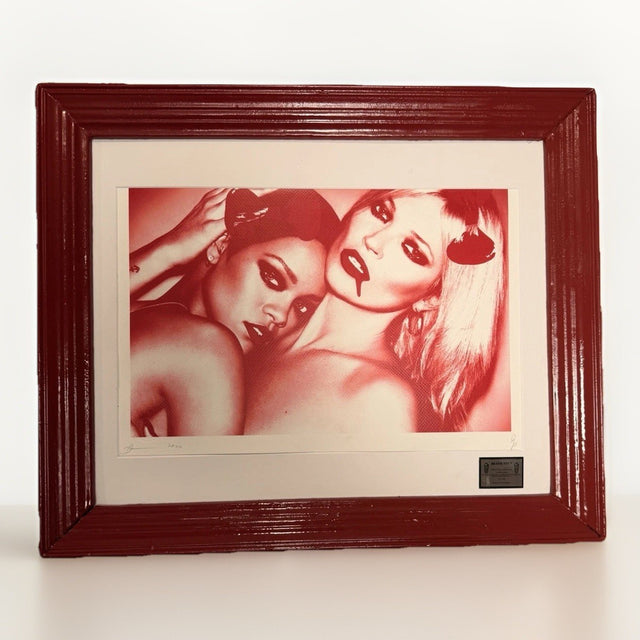
Death NYC — Kate Moss Rihanna Red Drip 2020 A/P Artist Proof Framed
$91.88 USD
-
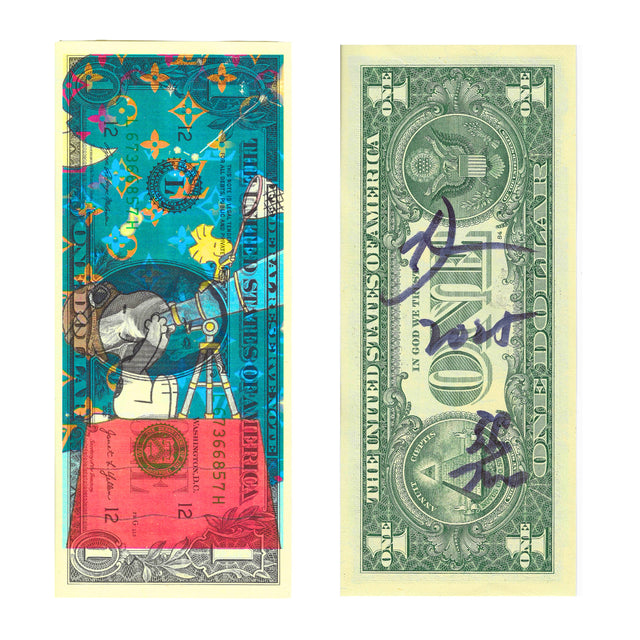
Death NYC Snoopy Woodstock Telescope LV Dollar Bill Art Signed Numbered COA
$55.00 USD
-
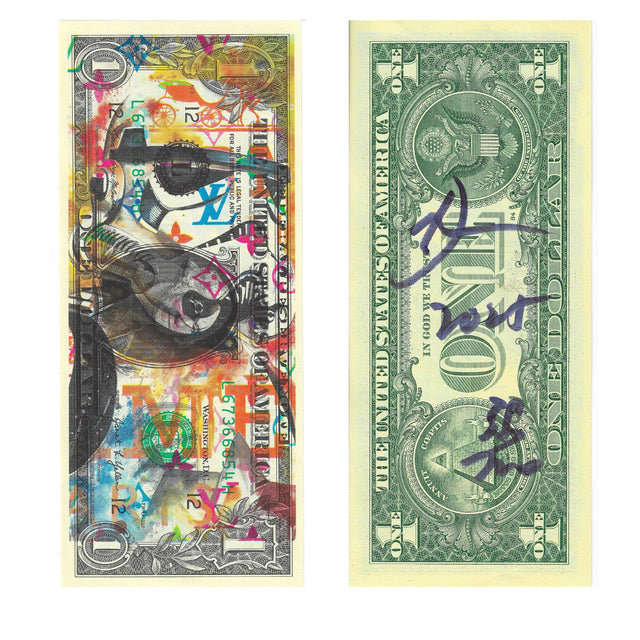
Death NYC Star Wars Stormtrooper LV Dollar Bill Art Signed Numbered COA
$55.00 USD
-
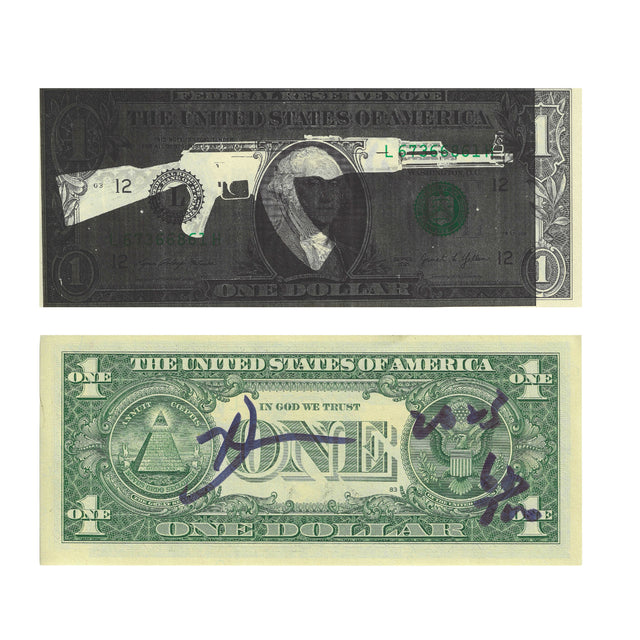
Death NYC Gun Dollar Bill Art Signed Numbered COA Black White Pop Street Art
$50.00 USD
-
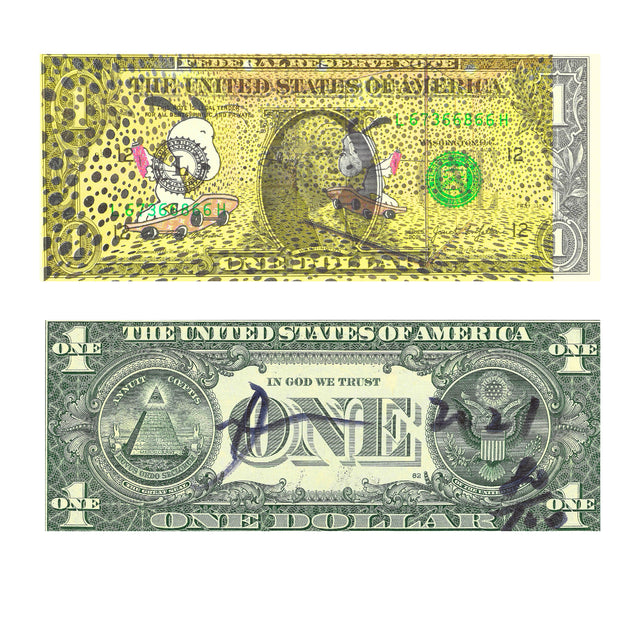
Death NYC Snoopy Skateboard Dollar Bill Art Signed Numbered COA Pop Street Art
$75.00 USD
-
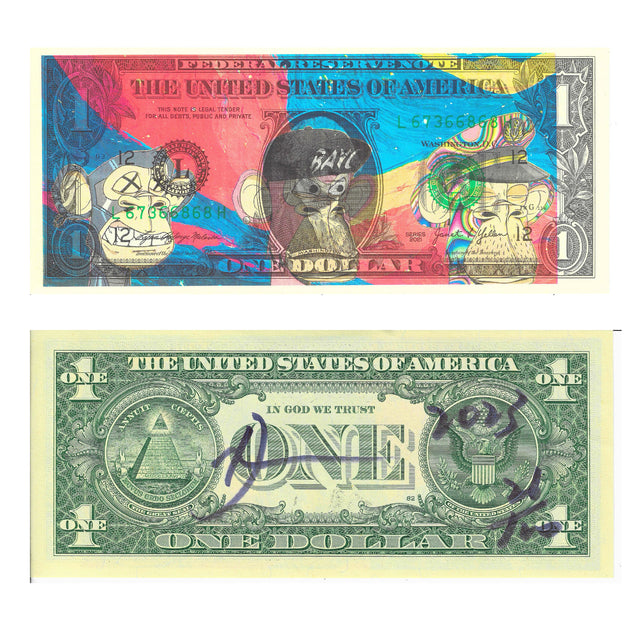
Death NYC Bored Ape Dollar Bill Art Signed Numbered COA Pop Street Art
$40.00 USD
Browse the collection for current listings.