The Art Basel and UBS Global Art Market Report 2025 estimates online art sales at $10.5 billion in 2024, down 11% from 2023. Online art buyers now represent the primary growth segment for everything from emerging artist prints to seven-figure auction lots. The convenience is real, the selection is unprecedented, and the access to global markets is now a browser tab away. Art Basel and UBS 2025 report.
The risks are equally real. The same anonymity and scale that make online art markets exciting also make them a target for fraud, misrepresentation, and low-quality goods dressed up with marketing language. This handbook gives you the framework to navigate the digital art market with confidence.
Why Online Art Buying Has Exploded
- Photography technology: High-resolution images and raking-light photography now convey enough detail for informed purchasing decisions on most works below $50,000.
- Digital provenance systems: Blockchain-verified certificates and QR-linked authentication records have made documentation more accessible and harder to fake.
- Social discovery: Instagram, TikTok, and artist newsletters have created direct artist-to-collector relationships that bypass traditional gallery gatekeeping.
- Global reach: A collector anywhere can buy a Shepard Fairey print from a San Francisco gallery and have it delivered, fully insured, in 10 business days.
How to Vet an Online Art Gallery
Physical Presence and History
Legitimate galleries have a verifiable physical address, documented operational history, and named individuals responsible for transactions. Search the gallery's name alongside "review," "complaint," or "dispute" to surface red flags.
Return Policy
Any reputable online gallery offers a meaningful return window for original works — typically 7–14 days from delivery. Policy should cover return shipping for undamaged works and specify the refund timeline.
Documentation Standards
Before you buy, ask what documentation ships with the work. For originals: COA, provenance records, condition report. For editioned prints: COA from artist, publisher, or recognized body. If a gallery cannot describe its documentation standards clearly, move on.
Trade Association Membership
Membership in ADAA, IFPDA, or comparable international bodies signals commitment to professional standards.
Avoiding Fakes and Frauds Online
Counterfeit Prints
Digital printing technology has made convincing fakes easy to produce. The giveaways are in the printing substrate (genuine screenprint has a distinctly different texture than giclée), signature characteristics, and documentation. If a price seems too good for a recognizable artist, it is.
Inflated Certificate Schemes
Some sellers produce elaborate self-issued certificates for works that are not what they claim. A seller certifying their own work is not authentication — it is a claim.
Attribution Without Evidence
Watch for language like "attributed to," "in the style of," or "after" — legal disclaimers that the work is not confirmed to be by the named artist. Often priced as if they are the real thing.
Understanding Online Art Pricing
- Search the artist's name on Artnet.com, MutualArt.com, or the major auction house databases.
- Filter for comparable works — same medium, similar dimensions, similar period, comparable edition.
- Note the hammer price, then add 20–25% buyer's premium to get the total cost at auction.
- Compare to the gallery asking price. Gallery prices for pristine, fully documented works should be at or slightly above recent auction comparables — the premium covers documentation certainty and return policy value.
If a gallery price is significantly below recent auction records for comparable works, ask why.
Payments, Shipping, and Returns
- Pay by credit card: Gives you chargeback protection if the work is materially misrepresented. Wire transfers are appropriate for established gallery relationships, not first purchases.
- Request insurance confirmation: The gallery should confirm the work is insured for full declared value during transit.
- Inspect on arrival: Photograph packaging before opening. Examine the work against the condition report before accepting. Report discrepancies within 24 hours.
Building Relationships With Online Galleries
The best online art buying experiences come from relationships, not one-off transactions. Galleries that know your tastes will alert you to incoming inventory, give access to works before they are listed publicly, and advocate for you in competitive situations. Communicate your collecting focus and budget range to galleries you trust.
Gauntlet Gallery works with collectors at every level, from first-time buyers to active institutional collections. Tell us what you are looking for and we will work to find it.
Browse the current inventory of authenticated contemporary works at Gauntlet Gallery and subscribe to our newsletter for new arrival alerts.
Available at Gauntlet Gallery
Explore current pieces available from the gallery.
-

1963 Farquhar Earth in Space Transparent Celestial Globe 16" Compass VTG
$699.00 USD
-

1967 Beatles Richard Avedon STERN Original Posters Set of 4 Linen Backed Copy
$999.00 USD
-
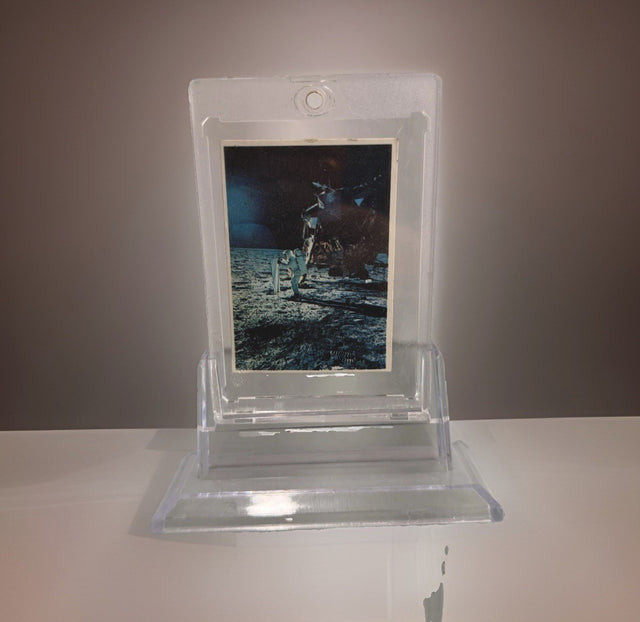
1969 Space Candy Buzz Aldrin Apollo 11 On The Moon Card #19 Taylor-Reed Display
$59.00 USD
-

1980 Polo Player Green Pink Chalk Pastel Bears Andy Warhol Signature AS-IS
$399.00 USD
-

After Andy Warhol Moon Landing Line Drawing 5/50 w/ Astronaut Autographs As-Is
$175.00 USD
-

After John Lennon "I Do" Framed Print, Marked A/P Unverified
$99.00 USD


Browse the collection for current listings.