The hybrid physical-digital art model has survived the NFT crash and emerged as a legitimate collecting category. Here's the honest state of play in 2025 and which approaches are creating real collector value.
What Survived the Crash
The 2021–2022 NFT bubble peaked with $25B in sales and collapsed to under $1B by 2023. What survived was not the speculative JPEG market—it was the infrastructure for verifying digital provenance applied to physical art. The technology, separated from the hype, actually works.
The Hybrid Model That Works
The most successful hybrid art model pairs a physical limited edition print or sculpture with a blockchain-registered certificate of authenticity. The NFT isn't the product—it's the authentication and provenance record. This combination does something neither physical COAs nor pure digital works could do alone: creates an immutable, transferable provenance record that travels with the work through every ownership change.
KAWS and the Physical-Digital Collector
KAWS's KAWSONE digital drops paired with physical figure releases demonstrated the hybrid model at scale. Collectors who held both the NFT and the physical figure through the 2021–2023 period saw the physical assets appreciate while the digital component stabilized as an authentication layer.
What to Collect in 2025
- Physical limited editions with blockchain COA from established artists (not speculative new NFT artists)
- Works where the blockchain component is authentication, not the primary product
- Avoid pure-digital works unless you have specific conviction about the artist's long-term career
All Gauntlet Gallery works can be registered on our blockchain authentication platform—permanent, transferable provenance for every purchase.
Available at Gauntlet Gallery
Explore current pieces available from the gallery.
-

1963 Farquhar Earth in Space Transparent Celestial Globe 16" Compass VTG
$699.00 USD
-

1967 Beatles Richard Avedon STERN Original Posters Set of 4 Linen Backed Copy
$999.00 USD
-
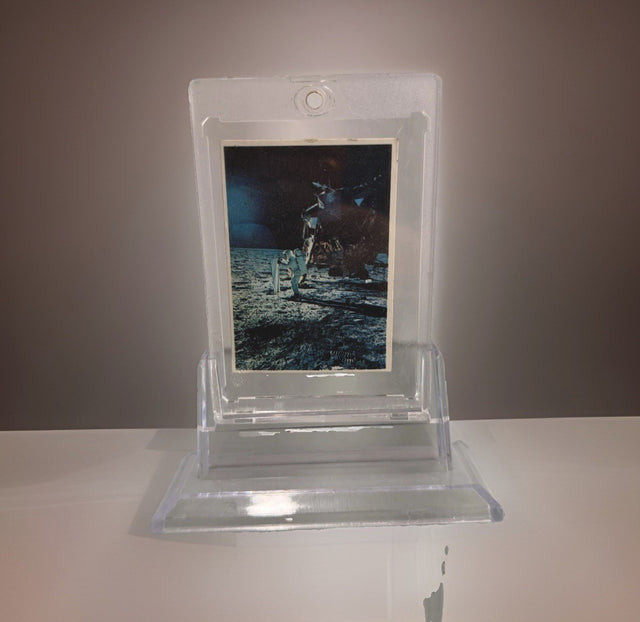
1969 Space Candy Buzz Aldrin Apollo 11 On The Moon Card #19 Taylor-Reed Display
$59.00 USD
-

1980 Polo Player Green Pink Chalk Pastel Bears Andy Warhol Signature AS-IS
$399.00 USD
-

After Andy Warhol Moon Landing Line Drawing 5/50 w/ Astronaut Autographs As-Is
$175.00 USD
-

After John Lennon "I Do" Framed Print, Marked A/P Unverified
$99.00 USD


Browse the collection for current listings.