The phrase collectible art gets used loosely — by galleries marketing mass-produced prints, by brands launching "limited" merchandise drops, by auction houses promoting works that may have more hype than history. Sorting signal from noise is the foundational skill of any serious art collector.
What Qualifies as Collectible Art?
Collectible art shares a set of common characteristics that distinguish it from decorative art:
- Documented scarcity: Fixed, verifiable quantity — unique originals, defined limited editions, or documented runs with no plans for reissue.
- Artist identity and recognition: Clearly attributable to a specific artist who has or is developing market recognition.
- Authentication infrastructure: A credible system for establishing genuineness — artist certification, estate, recognized authentication body, or blockchain-verified records.
- Secondary market liquidity: Works change hands between parties other than the original gallery. Auction records, online marketplace sales, dealer activity.
- Cultural significance: The most durable collectible art reflects a moment in culture, a shift in visual language, or a commentary on its time that remains relevant beyond the year of creation.
Decorative vs. Collectible Art
Decorative art is chosen for aesthetic compatibility with a space. Collectible art is chosen for its place within a documented artist's practice, its market position, and its provenance. A mass-produced giclée with a seller-issued COA is decorative art, regardless of marketing. A hand-pulled screenprint, signed and numbered in an edition of 150, with primary-source authentication from the artist's studio, is collectible art — even if you also love the way it looks.
Categories of Collectible Art
Contemporary Prints and Multiples
The most accessible entry point. Limited edition screenprints, lithographs, and etchings by recognized artists provide a documented, authenticated, and liquid segment. Artists like Shepard Fairey, Banksy, KAWS, and Death NYC have built some of the most active print markets in contemporary art history.
Unique Works on Paper
Drawings, watercolors, gouaches, and mixed-media works on paper occupy a middle tier between prints and paintings — often more accessible than canvas works and sometimes undervalued relative to paintings by the same artist.
Paintings
The highest-profile segment. Unique, irreproducible, often the centerpiece of an artist's practice. For contemporary artists, paintings are where the serious collector money concentrates.
Sculpture and Three-Dimensional Works
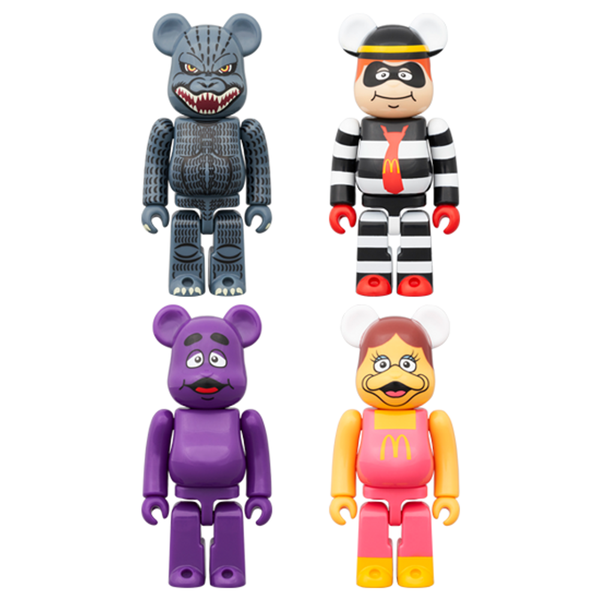
KAWS Companion figures, BE@RBRICK collector editions, and street-art-adjacent sculpture have all developed strong collector bases and secondary markets.
Sports and Entertainment Memorabilia
A separately organized collectible market with its own authentication infrastructure (Beckett, PSA, JSA) and price dynamics driven by athlete performance and cultural resonance.
What Drives Market Value for Collectible Art
- Museum exhibitions and institutional recognition: A retrospective at MoMA, Tate, or the Whitney typically lifts secondary market prices across an artist's body of work.
- Major auction results: A headline sale at Christie's, Sotheby's, or Phillips creates a new price benchmark and stimulates demand across the artist's full catalogue.
- Cultural moments: Political upheaval, social movements, anniversaries, and deaths drive renewed interest in relevant artists. Fairey's market spiked during each major US election cycle.
- Scarcity pressure: As edition inventory is absorbed by long-term collectors who do not sell, the available pool for new buyers shrinks. Early acquisition in an edition is almost always advantageous.
- Cross-market appeal: Works that appeal across collecting communities — street art, skate culture, fashion, music — develop broader demand bases.
Risk Management for Art Collectors
- Diversify across artists — do not concentrate a collection in a single name
- Diversify across price points — mix established works with emerging acquisitions
- Never compromise on documentation — a work with questionable authentication is worth a fraction of a properly documented equivalent
- Insure properly — fine art scheduled insurance, updated annually with current appraisal
- Think in 5–10 year horizons — art is not a liquid asset
Where to Buy Collectible Art
Work with sources that provide full documentation, clear return policies, and verifiable track records. Avoid anonymous online listings without provenance, sellers who cannot name their authentication sources, and platforms that conflate decorative and collectible art without distinction.
Gauntlet Gallery specializes in the collectible segment — editioned prints, unique works, sculpture, and authenticated memorabilia from artists with established secondary markets. Browse the full collection or contact us with your collecting focus.
Available at Gauntlet Gallery
Explore current pieces available from the gallery.
-

1963 Farquhar Earth in Space Transparent Celestial Globe 16" Compass VTG
$699.00 USD
-

1967 Beatles Richard Avedon STERN Original Posters Set of 4 Linen Backed Copy
$999.00 USD
-
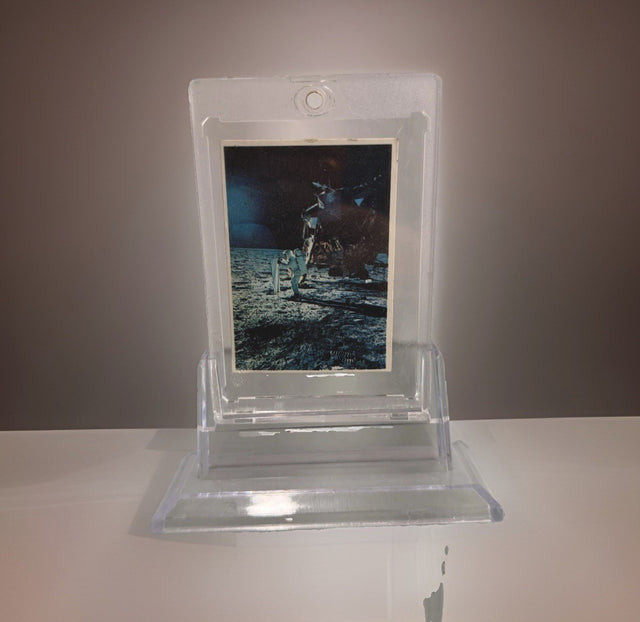
1969 Space Candy Buzz Aldrin Apollo 11 On The Moon Card #19 Taylor-Reed Display
$59.00 USD
-

1980 Polo Player Green Pink Chalk Pastel Bears Andy Warhol Signature AS-IS
$399.00 USD
-

After Andy Warhol Moon Landing Line Drawing 5/50 w/ Astronaut Autographs As-Is
$175.00 USD
-

After John Lennon "I Do" Framed Print, Marked A/P Unverified
$99.00 USD


Browse the collection for current listings.