

Featured image: AI-generated interior concept using product reference photography. Scale, setting, framing, and placement are illustrative.
When specifying art for a residential project, designers often consider scale from a distance: how a large canvas commands a living room, or a sculpture anchors a foyer. But what about art that demands intimacy, that rewards a closer look? Objects whose detail and wit unfold only within arm's reach? This is the realm of Death NYC's dollar-bill artworks, where familiar currency becomes a canvas for pop culture commentary and artistic intervention. These pieces are not about grand gestures; they are about nuanced observation, inviting the viewer into a dialogue with both the artwork and the underlying medium. Designing for such objects requires a shift in perspective, focusing on display methods that facilitate, rather than obstruct, this intimate engagement.
Consider, for instance, the Death NYC artwork featuring Andy Warhol and Jean-Michel Basquiat layered over a U.S. one-dollar bill. The black-and-white portraits of these art figures, accented by red Campbell's soup-inspired spray cans, are superimposed on the intricate engravings of the dollar. The original currency design remains visible, forming an integral part of the composition. This interplay of iconic imagery and everyday object is the essence of these works. Similarly, the Death NYC Marilyn Monroe Dollar Bill Art Set of 2 presents two distinct takes on the Hollywood icon, each on its own dollar bill, inviting comparison and individual appreciation. To fully experience these details, the artwork must be presented in a way that encourages proximity and careful inspection. This means rethinking traditional wall hanging in favor of more accessible, often three-dimensional, display solutions that protect the work while making its subtleties legible.
Understanding the Intrinsic Scale of Dollar-Bill Art
The fundamental challenge and charm of dollar-bill art lies in its inherent scale. A U.S. dollar bill measures approximately 6.14 inches by 2.61 inches (15.6 cm by 6.63 cm). This small format is not merely a constraint but a deliberate choice by artists like Death NYC, transforming a ubiquitous object into a canvas for detailed, often ironic, imagery. When an artist layers portraits of figures like Andy Warhol and Jean-Michel Basquiat, or Marilyn Monroe, onto this familiar backdrop, the effect is both immediate and requires close inspection to fully appreciate the interplay. The fine lines of the currency's engraving, the subtle textures of the paper, and the overlaid artwork all contribute to a visual narrative that is lost if viewed from across a room.
For designers, this means acknowledging that these are not pieces intended to fill a large blank wall with a singular, dominant statement. Instead, they function as visual anecdotes, conversation starters, or personal reflections. Their impact comes from their density of information within a confined space. The goal of display, therefore, should be to highlight this density, to draw the viewer in, and to allow for an unhurried examination of the details. This necessitates frames and placement strategies that bring the artwork to eye level or within easy reach, fostering an intimate connection. Ignoring this intrinsic scale risks diminishing the artwork's power, reducing it to a distant, indistinct smudge on a wall. The careful consideration of how the artwork's small size influences its visual weight and the viewer's interaction is paramount to successful integration into any design scheme. A well-executed display for dollar-bill art transforms it from a novelty into a sophisticated object of contemplation, revealing layers of meaning upon closer inspection.
Choosing the Right Framing Style for Close Viewing
Framing for dollar-bill art is a critical decision that balances aesthetics with preservation and accessibility. Given the small scale and the desire for close viewing, a simple, elegant frame that does not overpower the artwork is often the most effective. The primary objective is to protect the delicate paper and the applied artwork while enhancing its visual presence without distraction. A shadowbox frame emerges as a particularly strong contender for these pieces, offering several advantages over a traditional flat frame.
A shadowbox creates a sense of depth and importance around the small object. By providing a slight recess between the artwork and the glazing, it prevents the art from pressing directly against the glass, which is crucial for preservation. This air gap also allows for the inclusion of a float mount, where the dollar bill appears to float within the frame, showcasing all four edges and emphasizing its object-ness rather than just its image. This technique is especially effective for the Death NYC pieces, where the original edges of the dollar bill are part of the artwork's identity. For example, the Warhol and Basquiat-named dollar bill features visible currency details and subtle textures that benefit from being fully exposed. The depth of the shadowbox can also accommodate a double-sided display if desired, allowing the viewer to appreciate the artist's signature and numbering on the reverse of the bill, as seen in the Warhol and Basquiat-named piece, without removing it from its protective enclosure. This level of detail in framing elevates the dollar-bill art from a mere print to a cherished collectible, encouraging a more thoughtful interaction. When selecting a shadowbox, consider the depth carefully; too shallow and it loses its impact, too deep and it can appear cavernous. A depth of 0.75 to 1.5 inches (1.9 to 3.8 cm) often strikes an ideal balance, providing sufficient space for the float mount and visual separation.
Considering Margins and Matting for Visual Impact
The choice of margins and matting around a small artwork like a dollar bill is more impactful than one might initially assume. While a large, expansive mat can sometimes overwhelm a tiny piece, it can also serve to create visual breathing room, drawing the eye inward to the central object. For dollar-bill art, the goal is to create a visual field that frames the artwork without making it feel lost or isolated. A generous but carefully proportioned margin can achieve this, acting as a quiet border that directs attention to the intricate details of the dollar bill itself.
When using a mat, consider a neutral, archival quality board that will not yellow or damage the artwork over time. White, off-white, or a very light gray are safe choices that allow the colors and details of the Death NYC pieces to pop without competition. The width of the mat should be substantial enough to provide a sense of importance, perhaps 3 to 4 inches on all sides for a standard dollar bill, but this can be adjusted based on the overall frame size and the desired aesthetic. For instance, a 3-inch mat on all sides around a dollar bill would result in a framed piece approximately 12.14 inches by 8.61 inches (30.8 cm by 21.9 cm). This provides a significant border, allowing the small artwork to command attention without appearing diminutive. Alternatively, a float mount within a shadowbox, as discussed, eliminates the need for a traditional mat altogether. In this scenario, the negative space within the shadowbox itself acts as the margin, often with a contrasting backboard color to make the dollar bill stand out. This method is particularly effective for showcasing the raw edges of the currency, which are an intrinsic part of the artwork's identity, as clearly visible in the reference image for the Warhol and Basquiat-named piece. Whichever approach is chosen, the aim is to enhance, not detract from, the intimate scale and intricate details of the dollar-bill art.
Tabletop Display Versus Wall Placement: Optimizing Accessibility
The decision between tabletop display and wall placement for dollar-bill art hinges entirely on the desired level of accessibility and interaction. Given the small scale and intricate details, these artworks truly shine when they can be approached and examined closely. This often makes tabletop display a compelling option, particularly in residential settings where intimate moments are cultivated.
A framed dollar bill, especially in a shadowbox, can be presented on an easel or a custom stand on a console table, a bookshelf, or a desk. This allows for a dynamic and movable display, enabling the homeowner to reposition the piece as their mood or the room's arrangement changes. The tabletop setting inherently invites closer inspection, as one naturally leans in to view objects placed at arm's length. Imagine the Death NYC Marilyn Monroe pair displayed side-by-side on a small, elegant easel on a bedside table, offering a personal moment of artistic appreciation. This also lends itself to rotation with other small collectibles, keeping the display fresh and engaging. For a professional setting, a framed dollar bill on a reception desk or in a private office can add a touch of personality and intrigue, prompting conversation with visitors.
While wall placement is certainly possible, it requires more deliberate planning to ensure the artwork remains accessible. Grouping several dollar-bill artworks together in a tight cluster can create a larger visual statement that is easier to appreciate from a slight distance, while still inviting closer inspection upon approach. When hanging, consider eye level for a seated viewer in a study or reading nook, rather than the standard standing eye level for larger works. For a dining area, placing a small collection at a height that aligns with seated eye level can create a captivating focal point during meals. This subtle adjustment acknowledges the intimate nature of the art and encourages the viewer to pause and engage. Regardless of the chosen method, the priority remains to facilitate that close, personal interaction that these unique pieces demand, transforming a wall into a gallery of curated moments.
Preservation Considerations: Protecting Delicate Paper Art
The delicate nature of paper art, especially currency that has been modified, makes preservation a paramount concern. Designers have a responsibility to specify framing and display methods that safeguard these unique objects from environmental damage. The primary threats to paper art include light exposure, humidity fluctuations, and physical handling. Addressing these factors ensures the longevity of Death NYC's dollar-bill artworks.
Ultraviolet (UV) light is a significant cause of fading and degradation in paper and inks. While no frame can completely block all UV light, using conservation-grade glazing with UV-filtering properties is a crucial first step. This type of glass or acrylic significantly reduces the amount of harmful UV radiation reaching the artwork, slowing down the aging process. However, even with UV-filtering glazing, direct and prolonged exposure to sunlight should be avoided. Positioning the artwork away from windows or in rooms with controlled natural light is advisable. Artificial lighting should also be considered; LED lights that emit minimal UV and heat are preferable to incandescent or fluorescent bulbs.
Humidity and temperature fluctuations can cause paper to expand, contract, warp, or even encourage mold growth. Displaying dollar-bill art in a stable environment, away from bathrooms, kitchens, or direct vents, is essential. Archival materials within the frame, such as suitable stable mats and backing boards, reduce the risk of damage from unsuitable framing materials. For the Death NYC pieces, which are signed and numbered on the reverse, a framer can create a reversible shadowbox mount that allows for occasional inspection of the reverse side without compromising its protection. This might involve a hinged backing or a carefully designed removable panel. Finally, minimizing physical handling is key. Once framed, the artwork should be moved infrequently and always with care, by holding the frame rather than touching the glazing or the artwork itself. Consulting with a professional framer experienced in conservation techniques is always recommended to ensure the best possible protection for these distinctive artworks. Their expertise can guide material selection and mounting methods tailored to the specific piece and its display environment.
Hypothetical Project: The Executive Study's Curio Cabinet
Consider a hypothetical project for an executive study, a room designed for focus and contemplation, yet also for showcasing personal interests and intellectual curiosities. The client, a collector of unique objects, seeks to integrate the Death NYC Andy Warhol Basquiat Dollar Bill Art into the space. Given the study's purpose and the artwork's intimate scale, a traditional wall hanging might feel too distant. Instead, we opt for a bespoke curio cabinet, a piece of furniture that itself becomes a display mechanism, inviting interaction.
The curio cabinet, crafted from dark walnut, features a series of shallow, glass-fronted compartments. One compartment, specifically designed for the dollar-bill artwork, is illuminated with a subtle, low-heat LED strip. The artwork is presented in a custom-built shadowbox frame, approximately 8 inches by 10 inches (20 cm by 25 cm) overall. The shadowbox uses museum-quality, anti-reflective, UV-filtering glass to ensure optimal viewing and protection. Inside, the dollar bill is float-mounted on a deep charcoal archival mat board, allowing the natural edges of the currency to be visible. The float mount is achieved using Japanese paper hinges and wheat paste, a reversible and archival method, which creates a slight lift, adding a three-dimensional quality. This subtle elevation prevents the artwork from appearing flat against the backing. The dark charcoal backing also provides a strong contrast against the light tones of the dollar bill and the overlaid black-and-white portraits, making the details pop.
In this hypothetical design, the framer would assess a removable rear panel that permits access to the reverse without disturbing the mounted bill. The appropriate construction depends on the actual object and must be agreed with the framer. This feature addresses the client's desire to occasionally inspect the provenance details without exposing the artwork to environmental risks. The interior of the curio cabinet compartment is lined with a dark, acid-free velvet, providing a luxurious backdrop that further emphasizes the artwork. The cabinet itself is positioned adjacent to a comfortable reading chair, ensuring that the artwork is easily accessible for close viewing. This integrated display solution transforms the small artwork into a focal point, a jewel within a larger collection, perfectly suited to the contemplative atmosphere of the executive study. The subtle lighting enhances the depth of the shadowbox, drawing the eye to the intricate details of the artwork and its unique medium.
Integrating Multiple Dollar-Bill Artworks: A Cohesive Grouping
When working with multiple dollar-bill artworks, such as the Death NYC Marilyn Monroe Dollar Bill Art Set of 2, the challenge shifts from individual presentation to creating a cohesive grouping. While each piece is unique, presenting them together can amplify their collective impact, forming a mini-narrative or a visual theme. The key is to establish a sense of unity through consistent framing and thoughtful arrangement, allowing each artwork to retain its individuality while contributing to a larger statement.
One effective strategy is to use identical frames for all pieces in a set. This creates a visual rhythm and prevents any single frame from dominating the others. For the Marilyn Monroe pair, two identical shadowbox frames, perhaps 9 inches by 7 inches (23 cm by 18 cm) each, with a consistent matting or float-mount style, would provide this uniformity. The choice of frame material and color should complement both the artworks and the surrounding decor. A sleek black or white frame can provide a contemporary edge, while a thin metallic frame might add a touch of sophistication. The consistent framing ensures that the focus remains on the artistic variations within the Marilyn series, rather than on disparate presentation styles. For instance, the two Marilyn Monroe pieces, with their distinct color palettes and motifs, become a dialogue when presented in matching frames, highlighting both their differences and their shared subject matter.
Once framed, the arrangement of multiple dollar-bill artworks becomes crucial. For a pair, a simple side-by-side arrangement, with a small, equal space between them, creates a balanced composition. This can be hung on a wall in a narrow vertical space, or horizontally above a small credenza. For a larger collection, a grid arrangement can be highly effective, especially if the artworks share a thematic connection or a similar color palette. Imagine a grid of four or six dollar-bill artworks, each framed identically, creating a striking visual block that draws the eye. This approach transforms several small, intimate objects into a more substantial installation, suitable for a slightly larger wall space while still rewarding close inspection. The negative space around and between the frames becomes as important as the artworks themselves, guiding the viewer's eye and creating visual harmony. Another approach for a more dynamic display is to arrange them in a staggered or organic cluster, especially if they are of slightly varying sizes or shapes, though this is less applicable to the uniformly sized dollar-bill artworks. The consistent framing, however, is key to making any grouping look intentional and curated, rather than haphazard.
The Art of Intimate Display: A Concluding Perspective
The allure of Death NYC's dollar-bill artworks lies precisely in their subversion of scale and their invitation to intimacy. These are not pieces designed for a casual glance across a vast room; they are meant to be discovered, pondered, and appreciated up close. For interior designers, this presents a unique opportunity to craft display solutions that honor this inherent quality, transforming a small object into a focal point of personal connection and quiet contemplation. The decisions made in framing, matting, and placement are not merely aesthetic choices; they are acts of curation that dictate how the artwork will be experienced.
From the protective embrace of a shadowbox, allowing for a float mount that celebrates the dollar bill's edges, to the careful selection of UV-filtering glazing that safeguards its delicate surface, every detail contributes to the artwork's longevity and visual integrity. The consideration of margins, whether through a traditional mat or the negative space of a shadowbox, ensures that the artwork is given ample breathing room without being overwhelmed. And the strategic choice between tabletop display and wall placement directly impacts accessibility, encouraging the viewer to lean in and engage with the intricate details that make these pieces so compelling.
Ultimately, designing for dollar-bill art is about fostering a relationship between the viewer and the object. It is about creating a moment of pause, a point of intrigue in a thoughtfully designed space. Whether it's the Warhol and Basquiat-named piece, with its layered commentary on art and commerce, or the playful pop art of the Marilyn Monroe pair, these artworks demand a display that respects their scale and enhances their narrative. They challenge us to look closer, to consider the familiar in a new light, and to appreciate the power of art, however small, to provoke thought and delight. By embracing the principles of intimate display, designers can ensure that these remarkable pieces resonate deeply within the spaces they inhabit.
The successful integration of dollar-bill art into a design scheme is a testament to the designer's ability to consider not just the grand statements, but also the whispered narratives. It reflects an understanding that true luxury in design often lies in the details, in the thoughtful presentation of objects that reward close examination. These small canvases, rich in cultural commentary and artistic ingenuity, offer an opportunity to infuse a space with personality and intellectual curiosity. They are not merely decorations, but invitations to engage, to ponder, and to appreciate art on a deeply personal level. The subtle interplay of the original currency's texture and the overlaid imagery creates a unique tactile and visual experience that is best preserved and presented with careful consideration. This approach elevates the artwork, making it a cherished element rather than a fleeting detail.
When specifying these artworks, always confirm final framed dimensions, current availability, and condition before making your final selection. Explore the detailed narratives and unique visual statements offered by Death NYC's dollar-bill art and other distinctive pieces available at Gauntlet Gallery.
Available at Gauntlet Gallery
Explore current pieces available from the gallery.
-

Shepard Fairey Warning Addictive Art Print (New Deal)
$450.00 USD
-

Vintage MPC Star Wars C-3PO See-Threepio Model Kit SEALED Authentic
$125.00 USD
-

Space Exploration Lidded Stein Astronaut Lunar Lander Lid Collectible Tankard
$49.00 USD
-
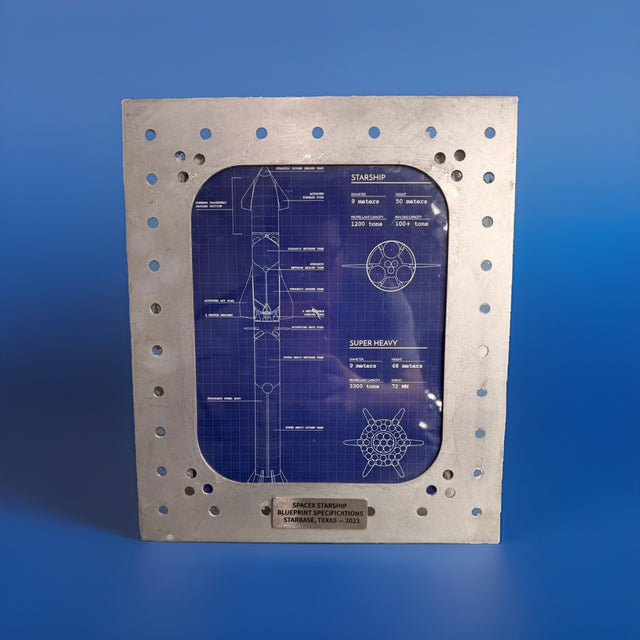
SpaceX Starship Super Heavy Blueprint Metal Display Panel Spacecraft Frame
$59.00 USD
-
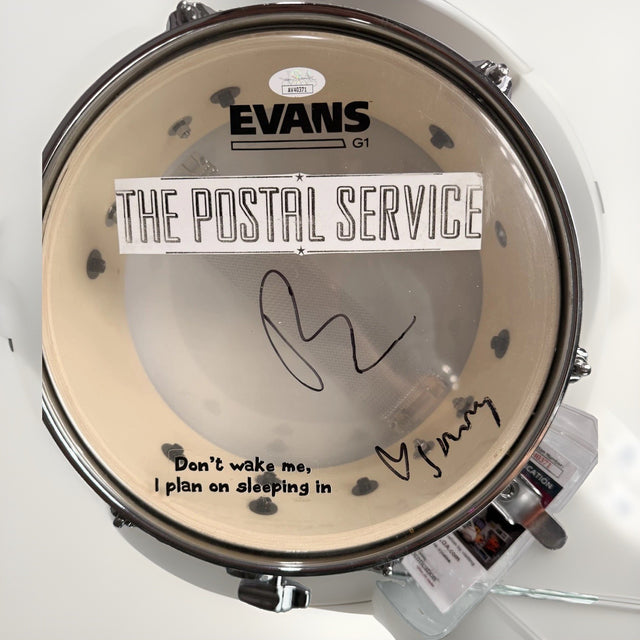
The Postal Service Dual Signed Evans M-80 Drumhead JSA A40371
$499.00 USD
-
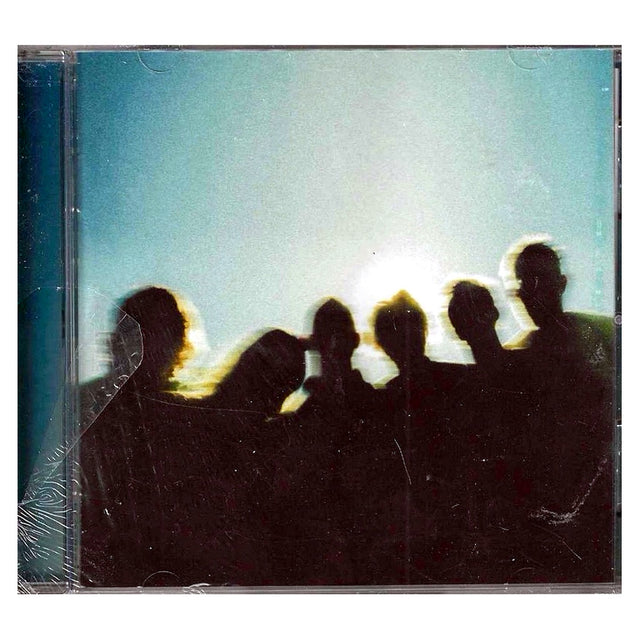
The Head and the Heart Aperture CD Signed Art Card New Sealed
$49.00 USD


Browse the collection for current listings.