To evaluate a JSA, PSA/DNA, or Zarelli certificate for astronaut memorabilia, do four things: confirm the certificate is genuine by verifying its unique identifier directly on the issuer's own website; confirm the certificate actually describes the item in front of you, down to the inscription and the object type; confirm the scope of the opinion, because a certificate for a signature is not a certificate for flight history; and confirm the issuer's relevance to the material, since JSA and PSA/DNA are industry-standard autograph authenticators while Zarelli Space Authentication specializes specifically in astronaut and space-related material. A certificate that passes all four checks is meaningful supporting evidence. A certificate that fails any one of them tells you to slow down and ask more questions before you buy.
That is the short version. The long version — which is what this guide covers — is about understanding what each of these authenticators actually does, what their documents do and do not promise, how to run the verification process step by step, and how a certificate fits into the larger picture of provenance for Apollo-era and modern spaceflight collectibles. Astronaut memorabilia is one of the most rewarding categories in all of collecting: the signatures of the twelve moonwalkers, flown artifacts, crew-signed photographs, and mission-era hardware connect you to the single most audacious engineering achievement in human history. It is also a category where the paperwork matters enormously, because demand for Apollo signatures has always outstripped supply. Learning to read a certificate properly is the single highest-leverage skill a space collector can develop.
Why third-party authentication matters so much in space memorabilia
Astronaut autographs occupy an unusual position in the collecting world. The population of people who have flown in space is tiny compared to, say, professional athletes or musicians, and the most desirable signers — the Mercury Seven, the Gemini pioneers, the Apollo crews — are largely no longer with us. Neil Armstrong famously stopped signing for the public years before his death. That scarcity is precisely what makes the material historically significant and collectible, and it is also why serious buyers and serious sellers lean on professional third-party opinions rather than gut feel.
For space material, the recognized authentication landscape centers on a small group of respected names: Beckett, JSA (James Spence Authentication), and PSA/DNA — the industry-standard trio for autographs across all categories — plus Zarelli Space Authentication, the specialist opinion most closely associated with astronaut and space-related material. Each of these organizations renders professional opinions on whether a signature is authentic, and each backs that opinion with documentation a buyer can independently check. When our gallery lists a piece in our space memorabilia collection, this is the framework we work within: recognized third-party certification where appropriate, paired with documented provenance and our own comparable-sales research.
The key conceptual point to internalize before we go further: a certificate is an expert opinion, not a magic seal. The value of that opinion depends entirely on who issued it, what exactly they examined, and whether the document in your hands genuinely came from them. Evaluating a certificate means testing all three of those things.
Who the authenticators are and what they actually certify
JSA (James Spence Authentication)
JSA is one of the most widely recognized autograph authentication companies in the hobby, accepted across major auction houses and marketplaces. JSA examines autographs across every collecting category — sports, entertainment, historical, and space — and issues documentation representing its professional opinion that a signature is authentic. For astronaut material, JSA's broad historical-autograph expertise makes it a mainstream, widely accepted opinion. When a signed Apollo crew photo carries JSA paperwork, most of the market treats that as a serious, credible endorsement of the signature.
PSA/DNA
PSA/DNA is the autograph-authentication arm of PSA, one of the largest collectibles authentication and grading companies in the world. Like JSA, PSA/DNA is a generalist autograph authenticator whose opinions are accepted essentially everywhere collectibles are sold. PSA/DNA documentation on an astronaut-signed piece carries the same kind of weight as JSA's: a mainstream, industry-standard opinion that the signature is genuine. Because PSA/DNA and JSA are the two names most buyers already know from other categories, their certificates also make a space piece easier to resell to collectors who are crossing over from sports or entertainment autographs.
Zarelli Space Authentication
Zarelli Space Authentication is the specialist. Rather than covering every autograph category, Zarelli focuses on astronaut and space-related material, which is why the space collecting community holds the opinion in particularly high regard for this niche. Specialist focus matters in a category like this: astronaut signing habits, secretarial and autopen practices of the NASA era, and the specific contexts in which crews signed material are deep subjects, and a dedicated space authenticator lives in that subject matter full time. For Apollo-era material — and especially for the most significant pieces, where the stakes justify every layer of scrutiny — a Zarelli opinion is widely seen as the marquee endorsement among space collectors.
Beckett, briefly
Although the question at hand names JSA, PSA/DNA, and Zarelli, it is worth noting that Beckett Authentication Services rounds out the industry-standard group and is also a respected opinion on astronaut signatures. Everything in this guide about verifying a certificate against the issuer's own records applies equally to Beckett paperwork. Our space memorabilia authentication guide covers the full landscape in more depth.
What a certificate does — and does not — tell you
This is where many newer collectors go wrong, so let's be precise. An autograph authentication certificate from any of these services represents the issuer's professional opinion about the signature on the item they examined. That is a valuable, specific claim. It is not a claim about everything else you might care about:
- It is not a flight-history certification. A genuine Buzz Aldrin signature on a patch does not make the patch flown. Flown status is a provenance question, established through documentation of the item's chain of custody — crew letters, mission records, consignment history — not through signature authentication.
- It is not a condition report. The certificate says nothing about fading, toning, or damage. You evaluate condition separately.
- It is not a valuation. Authenticators render opinions on authenticity, not price. Compare like-for-like signed objects or artifacts with matching mission association, signer, condition, authentication and provenance; a category-wide rate or median mixes different objects. Research references: space memorabilia price guide.
- It may cover only part of the item. On a crew-signed photo, read carefully whether the opinion covers all signatures or only some. On a multi-element display, check which component was actually examined.
Understanding the boundaries of the claim is half of evaluating the certificate. The other half is confirming the document itself is real and matches your item — which brings us to the process.
The step-by-step evaluation process
Step 1: Identify exactly what document you are holding
Authentication services typically offer more than one level of documentation, and the levels are not interchangeable. Depending on the service and the era, you may encounter a full letter of authenticity that describes the item in detail, or a more basic certificate or card that simply records that an opinion was rendered. Read the document itself to see what it says it is. Do not assume; the words on the document define the claim. If a seller describes a piece as "authenticated" but can only produce a photocopy, a screenshot, or a verbal assurance that paperwork exists, treat the piece as undocumented until proven otherwise. The original documentation should travel with the item.
Step 2: Verify the certificate against the issuer's own database
This is the single most important step, and it is the one forgers cannot survive. Certificates and letters from the major services carry a unique identifier — a certification or reference number — and each issuer maintains an online verification tool on its own official website where you can enter that identifier and see what the issuer's records say. The generic procedure is the same regardless of which service issued the paperwork:
- Go directly to the issuer's official website yourself. Type the address independently or use a trusted bookmark. Never use a link, QR code, or web address printed on the certificate or supplied by the seller as your only path — a fabricated certificate can point you to a fabricated verification page that will cheerfully "confirm" it.
- Enter the certification number into the issuer's lookup tool. A genuine certificate will return a record from the issuer's system.
- Compare the returned record to your item in detail. The issuer's record will describe what was certified. Does the described signer match? Does the described object match — photo versus cover versus book versus equipment? Does any noted inscription match what is on your piece? A real certificate number attached to the wrong item is a classic manipulation: the paperwork is genuine, but it belongs to a different piece.
- If the number returns nothing, stop. A lookup that comes back empty or mismatched is a hard red flag. Contact the issuer directly through their official channels before proceeding; legitimate services will help you confirm whether the document is theirs.
Notice what this procedure does: it moves your trust from a piece of paper (easy to fake) to the issuer's own live records (hard to fake). That is the entire architecture of modern certificate verification, and it works only if you go to the source yourself.
Step 3: Match the certificate to the physical item
Beyond the database record, lay the document next to the item and read it as a description. Every detail that the certificate specifies should be true of the object in front of you. Astronaut material makes this especially checkable because so much of it is specific: mission names, crew combinations, inscription text, photo formats. If the certificate describes a signed portrait and you are looking at a signed magazine page, something is wrong — either an innocent paperwork mix-up or a deliberate pairing of real paperwork with a different item. Either way, the mismatch has to be resolved before money changes hands.
Step 4: Check the scope of the opinion
Ask: what exactly did the authenticator opine on? A single signature? All signatures on a crew-signed piece? Is there any language qualifying the opinion? Services occasionally note that a particular signature was examined while others were not, or that an inscription was added in a different hand. Read every line. The scope defines the value of the endorsement, and two outwardly similar pieces can carry very different certifications underneath.
Step 5: Weigh the issuer's fit for the material
All of the services discussed here are credible. But fit still matters, and sophisticated space collectors think about it. For a routine signed portrait of a shuttle-era astronaut, an industry-standard opinion from JSA, PSA/DNA, or Beckett is entirely appropriate and fully liquid in the market. For the most significant Apollo-era material — moonwalker signatures, flight-flown items, Armstrong anything — many advanced collectors want to see the specialist's eye as well, which is why Zarelli's space-focused practice carries the weight it does in this niche. The ideal, on a major piece, is not one certificate versus another; it is a well-documented item whose paperwork, whoever issued it, verifies cleanly and matches perfectly, supported by real provenance. Our Apollo 11 authentication guide walks through how these layers stack on the highest-profile mission material.
Step 6: Evaluate the seller alongside the certificate
A certificate never has to carry the whole burden of trust, and it should not. Who is selling the piece? Can they tell you where it came from? Do they offer a meaningful guarantee? Do they welcome your verification questions or bristle at them? A reputable dealer expects you to run the database lookup and will often walk you through it. As a dealer, we consider that conversation part of the sale: every piece in our space collection is sourced with documentation we are happy to explain, because authenticated sourcing is the foundation the rest of our business stands on.
Comparing the three authenticators at a glance
| Authenticator | Focus | Standing in the market | Best fit for space collectors |
|---|---|---|---|
| JSA | All autograph categories, including historical and space | Industry standard; accepted by major auction houses and marketplaces | Mainstream, liquid certification for astronaut signatures across eras |
| PSA/DNA | All autograph categories; part of the larger PSA organization | Industry standard; among the most widely recognized names in collectibles | Mainstream certification with strong crossover recognition from other hobbies |
| Zarelli Space Authentication | Specialist in astronaut and space-related material | The marquee specialist opinion within the space collecting community | High-significance Apollo-era pieces and material where specialist depth matters most |
The honest summary: for astronaut memorabilia there is no wrong answer among these names. JSA and PSA/DNA (along with Beckett) give you the broad, industry-standard endorsement the whole market recognizes; Zarelli gives you the category specialist. What separates a well-bought piece from a badly bought one is almost never which respected service issued the paperwork — it is whether the buyer verified that paperwork properly and understood what it covered.
Red flags when evaluating any certificate
Framed constructively: none of these is proof of a problem, but each is a reason to pause and dig deeper before purchasing. We cover the fuller pattern library in our guide on how to spot a fake in space memorabilia, but the certificate-specific warning signs are worth listing here:
- The certification number does not verify in the issuer's own online system, or returns a record describing a different item.
- Only a copy of the certificate is offered. Originals travel with the item; copies are trivially manufactured.
- The certificate is from a company you cannot research. The market runs on a small set of recognized names for good reason. An unfamiliar "authentication institute" with no track record adds no real assurance, whatever its paperwork looks like.
- The certificate's description is vague where the item is specific — paperwork that could apply to almost anything should not anchor a significant purchase.
- The seller resists verification. Reluctance to share the certification number before sale, or pressure to close quickly "before someone else grabs it," is a behavioral flag independent of the paperwork itself.
- The story outruns the documents. Claims of flown status, crew ownership, or historic association that appear nowhere in the certification or the provenance file are just claims. In this category, extraordinary claims need documentary support.
Certificates and provenance: two different jobs
A recurring theme in space collecting — and one we emphasize with every collector we work with — is that certification and provenance answer different questions, and strong pieces have both.
Certification answers: is this signature genuine? That is the JSA / PSA/DNA / Beckett / Zarelli lane, and the evaluation process above is how you test it.
Provenance answers: where has this object been? For space material this is often the more valuable half of the file. A chain of custody reaching back to an astronaut's personal collection, a NASA contractor, a period recipient, or a documented estate can transform a piece's desirability. Provenance lives in things like original transmittal letters, dated inscriptions, estate paperwork, auction history, and dealer records. It is also the only path to supporting the claims that autograph certification cannot touch — flown status above all. When you review a listing, mentally sort every supporting document into one of the two buckets and ask whether each bucket is adequately filled for the price being asked. The vocabulary around all of this — LOA, COA, provenance, attribution — is defined plainly in our authentication glossary if any term is unfamiliar.
Our own standard reflects this two-bucket thinking: recognized third-party certification where the material calls for it, and documented provenance on everything we sell. One without the other is a half-told story.
How value connects to certification
We will not quote prices here, because signature values move with the market and with the specifics of each piece — signer, mission association, format, condition, inscription, and documentation all interact. But some qualitative structure is reliable and worth knowing as you evaluate what a certificate contributes:
- Certified pieces are more liquid than uncertified ones. Recognized paperwork widens the pool of confident buyers, which matters both when you buy and when you eventually sell.
- Documentation quality compounds at the top. The more significant the piece, the larger the share of its value that rests on the completeness of its file. For moonwalker material, a cleanly verified certificate plus real provenance is the difference between a piece that trades easily and one that invites endless questions.
- The certificate does not create the value; the signature and its context do. Certification removes doubt so the underlying desirability can be priced. That is why two identically certified pieces can trade very differently based on inscription, association, and condition.
The way to ground any specific purchase is comparable sales: what have closely similar, properly documented pieces actually sold for recently? Compare recent verified sales, not asking prices, and weight the comparisons toward pieces with equivalent documentation. Research references: Apollo 11 price guide, Financial Insights.
Practical scenarios collectors actually face
Scenario 1: A signed Apollo crew photo with one certificate
Run the full process: verify the number on the issuer's site, confirm the record describes this exact photo, and read the scope carefully to confirm whether the opinion covers every signature or a subset. Crew pieces mix signatures of very different scarcity, so scope matters more here than anywhere.
Scenario 2: A piece with older paperwork from a defunct or unknown company
Certificates from companies that no longer exist, or that never had a reputation, cannot be verified against a live issuer database — which means, functionally, the piece should be evaluated as if uncertified. That is not a condemnation of the item; plenty of genuine material circulates with weak paperwork. It simply means the signature itself would benefit from a fresh opinion from one of the recognized services before you pay a certified-piece price.
Scenario 3: An item claimed as "flown" with autograph certification only
The signature opinion may be excellent, but it says nothing about flight. Ask what independent documentation supports the flown claim. If the answer is "the seller says so," value the piece as a signed item, not a flown one, and let the provenance file — or its absence — set the ceiling.
Scenario 4: Buying without any certificate at all
Genuine astronaut material absolutely exists without paperwork — pieces signed in person at events, items from family collections, and material that predates the modern authentication industry. The evaluation burden simply shifts entirely to provenance and, if the piece merits it, submitting for a professional opinion after purchase. Price should reflect the documentation you are actually getting on the day you buy. Our Apollo 11 buyer's guide covers how to think about undocumented material as part of a broader collecting strategy.
Your certificate evaluation checklist
Before buying any certified piece of astronaut memorabilia, walk this list:
- Identify the issuer. Is it one of the recognized names for space material — Beckett, JSA, PSA/DNA, or Zarelli Space Authentication?
- Identify the document type. Full letter or basic certificate? What does the document itself say it is?
- Verify independently. Look up the certification number on the issuer's official website, reached on your own — never only through links the seller or the paperwork provides.
- Match the record to the item. Signer, object type, inscription, and every described detail should correspond exactly.
- Read the scope. Know precisely which signatures and elements the opinion covers, and note any qualifying language.
- Separate signature from story. Flown status, crew ownership, and historical association need their own documentation.
- Assess the seller. Documented sourcing, a real guarantee, and openness to verification questions are the marks of a dealer you can work with long term.
- Price against verified comps. Compare recent sales of similarly documented pieces before you commit.
Eight steps, perhaps twenty minutes of work — and they convert a certificate from a comfort object into what it should be: independently tested evidence.
How we handle this at Gauntlet Gallery
Everything above is the standard we hold our own inventory to. Space memorabilia at our gallery is sourced with documentation, certified through the recognized channels appropriate to each piece — the Beckett / JSA / PSA/DNA standard, with Zarelli Space Authentication as the specialist marquee for the material that calls for it — and priced against our comparable-sales database rather than wishful asking prices. We publish our research openly: the buyer's guides hub collects our category guides, and the Collector's Hub gathers the reference tools we use ourselves. If you are evaluating a certificate on a piece you are considering — ours or anyone else's — the framework in this article is the same one our team applies every day, and we are always glad to talk a collector through it.
Frequently asked questions
Is a Zarelli certificate better than JSA or PSA/DNA for astronaut autographs?
Not "better" in an absolute sense — different. JSA and PSA/DNA are industry-standard authenticators recognized across the entire collectibles market, which makes their certifications broadly accepted and highly liquid. Zarelli Space Authentication is the space-material specialist, and within the space collecting community its focused expertise carries particular weight, especially on significant Apollo-era pieces. Many of the most desirable pieces in the category satisfy both worlds: recognized paperwork that verifies cleanly, plus documentation depth appropriate to the item's importance.
How do I actually verify a certificate is real?
Go directly to the issuing company's official website — navigating there yourself, not through any link or code the seller or the certificate supplies — and enter the certification number in the issuer's verification tool. Then compare the returned record against your item in detail. A genuine certificate verifies in the issuer's system and describes your exact piece. If the lookup fails or describes something else, contact the issuer through official channels before buying.
Does a signature certificate prove an item was flown in space?
No. Autograph certification is an opinion about the signature only. Flown status is a provenance claim that requires its own documentation — chain-of-custody evidence such as crew correspondence, mission records, or documented estate history. An item with a genuine signature and an unsupported flown claim should be evaluated and priced as a signed item, not a flown artifact.
What if a piece has a certificate from a company I have never heard of?
Treat the piece as functionally uncertified. The value of any certificate comes from the issuer's reputation and your ability to verify the document against the issuer's own records. An unknown or defunct company offers neither. That does not mean the item is bad — genuine material often carries weak paperwork — but the signature would need a fresh opinion from a recognized service before it deserves a certified-piece price.
Can genuine astronaut autographs exist without any certificate?
Yes, and many do — items signed in person, material from family collections, and pieces that changed hands before modern authentication practices existed. The absence of a certificate shifts the evaluation entirely onto provenance and, ideally, a post-purchase professional submission. Price should reflect the documentation actually in hand at the time of sale, and the strength of the item's ownership history becomes the deciding factor.
What should the certificate describe for a crew-signed item?
Read the document and the issuer's database record for scope: which signatures were examined and covered by the opinion. Crew-signed pieces combine signatures of very different scarcity, and an opinion may cover all of them or only some. The certificate should also match the physical object exactly — item type, inscriptions, and any described details. Any mismatch between paperwork and piece needs to be resolved before purchase.
How does certification affect what I should pay?
Certification from a recognized service removes doubt and widens the buyer pool, which supports both price and future resale. But the certificate itself does not create value — the signer, the item, its context, and its condition do. Ground any purchase in recent verified sales of comparably documented pieces rather than asking prices, and weight documentation quality heavily when choosing which sales are truly comparable.
Shop Space memorabilia
Explore current pieces available from the gallery.
-
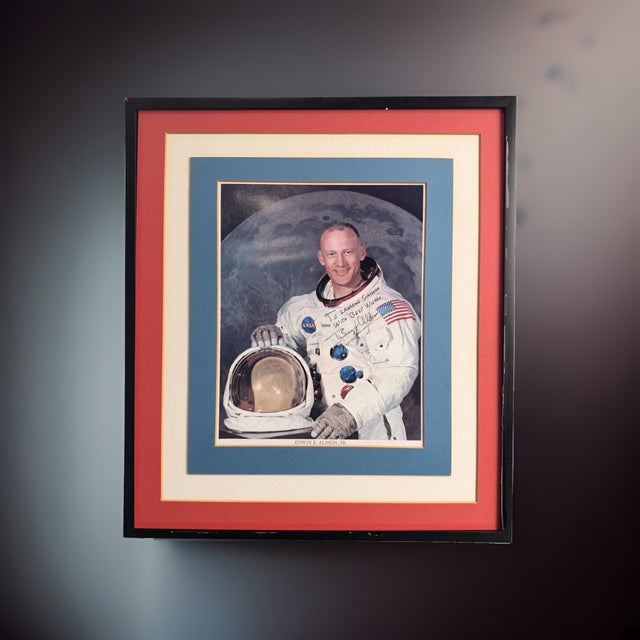
Buzz Aldrin Signed NASA 8x10 Color Photo Personalized Framed JSA LOA
$899.00 USD
-
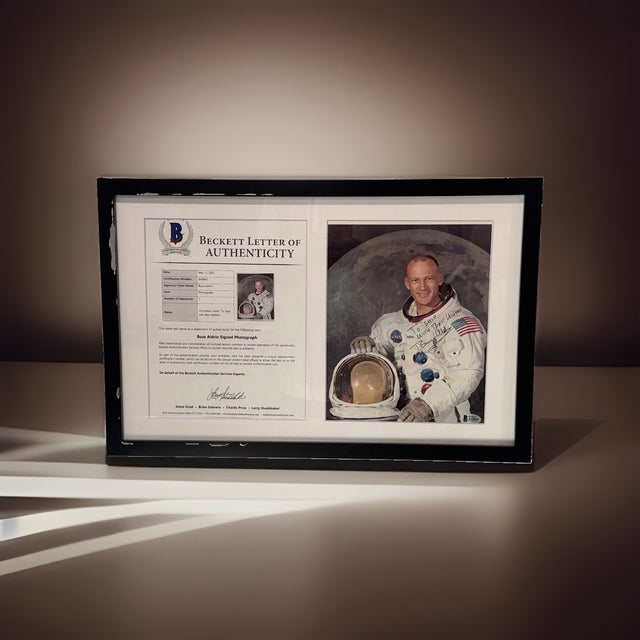
Buzz Aldrin Signed Inscribed Astronaut Photo Framed Beckett LOA A42843
$999.00 USD
-
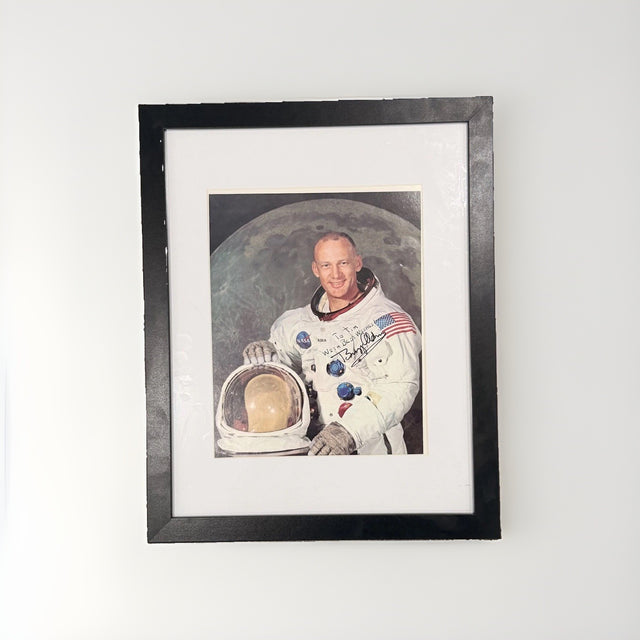
Buzz Aldrin Signed NASA Astronaut Portrait Inscribed To Tim Framed
$850.00 USD
-
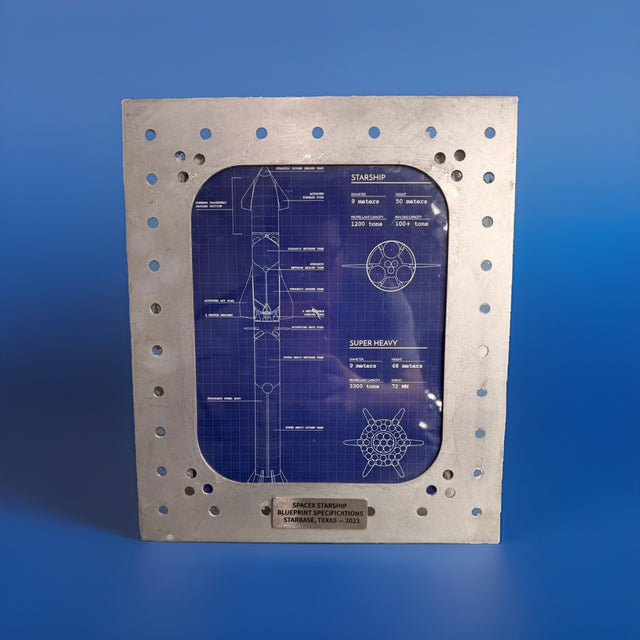
SpaceX Starship Super Heavy Blueprint Metal Display Panel Spacecraft Frame
$59.00 USD
-
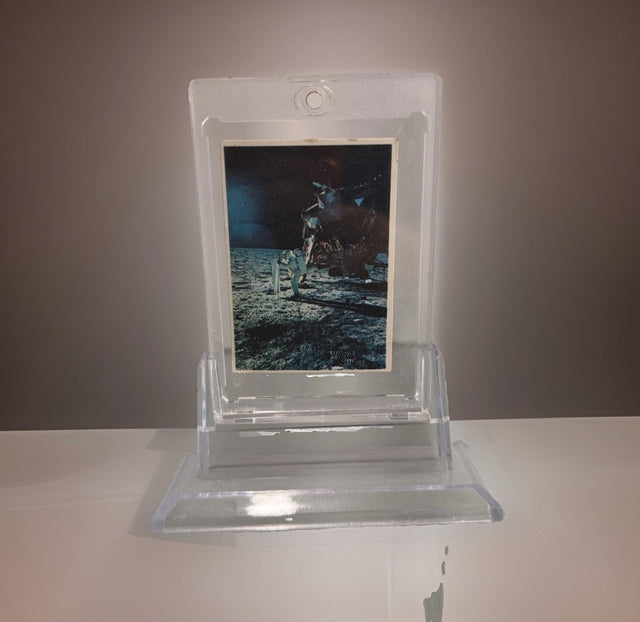
1969 Space Candy Buzz Aldrin Apollo 11 On The Moon Card #19 Taylor-Reed Display
$59.00 USD
-
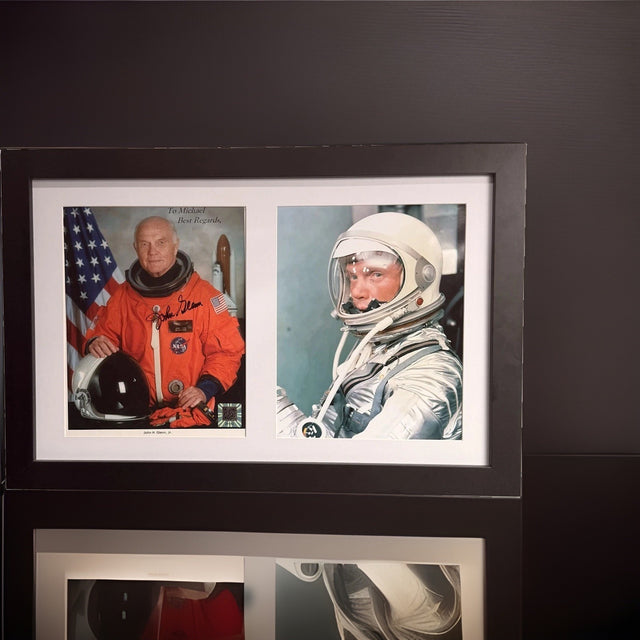
John Glenn Signed Autographed NASA Photo Display JSA Mercury Astronaut Framed
$199.00 USD
Browse the collection for current listings.