Concert Posters as Collectibles: Signed vs. Unsigned, First Print vs. Reprint
Concert posters have developed a dedicated collector ecosystem separate from signed memorabilia. The poster's design, print quality, venue, and artist can command significant values independent of any signature. Understanding the hierarchy of this market helps collectors assess what they're buying and at what price.
Signed vs. Unsigned Posters
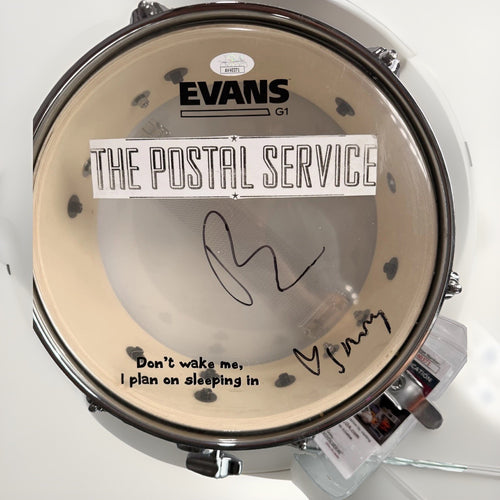
A signature from the performing artist adds value to a concert poster, but the addition is not always proportional to the signature's standalone value. A signed poster for a well-known concert — a legendary venue, a historic tour — commands a premium. Authentication requirements apply regardless: unsigned poster forgeries and signed poster forgeries are both market realities.
First Print vs. Reprint
Many classic concert posters — particularly from the Fillmore West and Avalon Ballroom era (1966–1971) — have been reprinted many times. First prints are identified by paper stock, printing technique (offset vs. silkscreen), color registration, and documented differences in design details. Major print auction houses have published reference guides for this period. Buying without verifying first-print status is the most common expensive mistake in this category.
Key Venues and Eras
San Francisco psychedelic era (1966–1971), British concert posters from the late 1960s, and CBGB/New York punk-era posters (1974–1980) are the most collected historically. More recent silkscreen-limited concert poster artists have developed a separate modern collector market with signed and numbered limited editions at more accessible price points.