The High Stakes of Street Art Authentication

Consider this: In 2018, a European collector purchased what they believed was an authentic Banksy for €100,000. Two years later, when attempting to resell through a major auction house, they discovered it was a forgery. The piece? Worthless. The lesson? Priceless.
Street art presents unique authentication challenges:
- Anonymous Artists: How do you verify work by someone whose identity is secret?
- Street Origins: Many pieces started as illegal public art with no documentation
- Multiple Mediums: From walls to canvas, prints to sculptures, each requires different verification
- Collaborative Nature: Some works involve multiple artists or assistants
The Authentication Ecosystem
Official Authentication Bodies
Pest Control (Banksy)
The gold standard for Banksy authentication, Pest Control was established to combat the flood of fakes following the artist's meteoric rise.
Key Facts:
- Only source for Banksy Certificates of Authenticity (COAs)
- Authentication process takes 3-6 months
- Fee: £100 per work
- Maintains database of all authenticated works
- Will not authenticate street pieces removed without permission
The Estate of Jean-Michel Basquiat
Following Basquiat's death, authentication became complex, with the original authentication board dissolving in 2012.
Current Process:
- Authentication now handled through estate representatives
- Requires extensive provenance documentation
- Scientific analysis often employed
- Process can take years and cost thousands
KAWS Authentication
KAWS works directly with galleries and maintains records of all authentic pieces.
Verification Methods:
- Gallery certificates from authorized dealers
- Direct registration with KAWS studio
- Holographic stickers on toys and collectibles
- Sequential numbering system for editions
Red Flags: Spotting Fakes Before They Fool You

1. Price Too Good to Be True
If a Banksy print is selling for 50% below market value, there's a reason. Authentic street art by established artists rarely sells at deep discounts.
2. Suspicious Provenance
Warning signs include:
- "Found in storage" or "estate sale find" stories
- Reluctance to provide previous ownership details
- Claims of "private collection" with no documentation
- Sellers who refuse authentication before sale
3. Technical Inconsistencies
Common forgery mistakes:
- Wrong paper: Using modern paper for supposedly vintage prints
- Digital artifacts: Pixelation or resolution issues in screen prints
- Incorrect dimensions: Even 1mm variance can indicate fake
- Color variations: Subtle differences from authenticated examples
4. Certificate Red Flags
Fake COAs often feature:
- Generic language or spelling errors
- Wrong fonts or logos
- Missing sequential numbers
- Photocopied rather than original documents
Authentication Methods: Science Meets Expertise
Visual Analysis
Experts examine:
- Technique: Brush strokes, spray patterns, stencil cuts
- Materials: Paint types, canvas preparation, paper quality
- Aging: Natural vs. artificial aging patterns
- Style consistency: Comparison with known authentic works
Scientific Testing
Advanced authentication may include:
- UV Light Analysis: Reveals hidden signatures, repairs, or alterations
- Infrared Reflectography: Shows underdrawings and pentimenti
- Pigment Analysis: Confirms age-appropriate materials
- Carbon Dating: For works on organic materials
Provenance Research
The paper trail matters:
- Exhibition history
- Publication records
- Gallery invoices
- Insurance valuations
- Previous auction records
The Digital Revolution in Authentication

Blockchain Certificates
Emerging technology offers new solutions:
- Immutable ownership records
- Smart contracts for royalties
- Decentralized verification
- Integration with physical tags
AI-Powered Analysis
Machine learning now assists in:
- Style pattern recognition
- Forgery detection algorithms
- Database cross-referencing
- Predictive authentication modeling
Protecting Your Investment: Best Practices
Before Purchase
- Demand Documentation: Never buy without proper certificates
- Verify Sellers: Check gallery credentials and reputation
- Request Condition Reports: Document any issues before buying
- Get Second Opinions: Consult independent experts for major purchases
After Purchase
- Register Immediately: With artist estates or authentication bodies
- Document Everything: Photographs, invoices, correspondence
- Insure Properly: Based on authenticated value
- Store Securely: Both artwork and documentation
When Selling
- Maintain Chain of Title: Clear ownership history increases value
- Update Valuations: Recent appraisals support pricing
- Work with Reputable Houses: Major galleries and auction houses verify authenticity
- Be Transparent: Disclose all known information
Case Studies: Authentication in Action

The Banksy That Wasn't
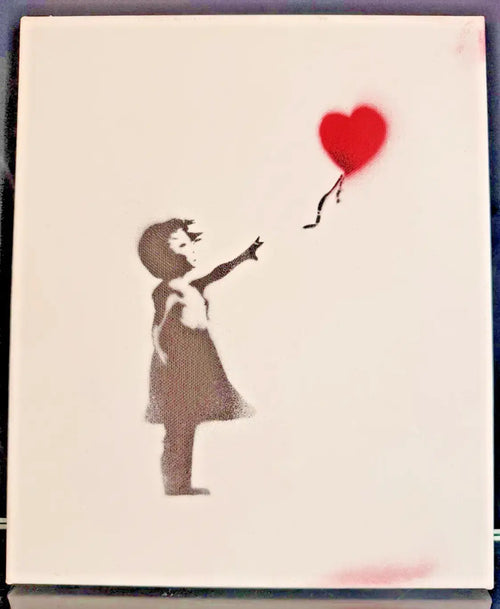
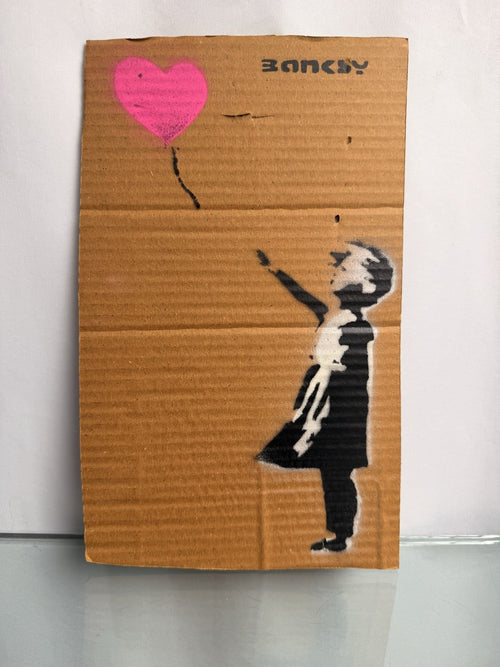
In 2020, a "Girl With Balloon" appeared at a regional auction. Red flags included:
- No Pest Control certificate
- Seller claimed it was "pre-Pest Control"
- Colors slightly off from authenticated versions
- Paper type incorrect for stated year
Result: Withdrawn from sale, saving buyers from a costly mistake.
The Recovered KAWS
A collector discovered a KAWS painting in their late father's collection:
- No documentation available
- Contacted KAWS studio directly
- Provided detailed photographs and history
- Studio confirmed authenticity based on their records
Result: Piece authenticated and sold for $2.8 million.
The Future of Authentication
As the market evolves, so do authentication methods:
Emerging Technologies:
- DNA tagging for new works
- Tamper-proof NFC chips
- Augmented reality verification
- Decentralized authentication networks
Market Trends:
- Pre-purchase authentication becoming standard
- Insurance companies requiring stricter verification
- Galleries offering authentication guarantees
- Collectors demanding transparency
The Bottom Line
In the street art market, authentication isn't just about protecting investment—it's about preserving artistic legacy. Every fake dilutes the impact of authentic works and undermines the artists who risk everything to share their vision.
At The Gauntlet Gallery, authentication is our foundation. Every piece we offer comes with:
- Comprehensive documentation
- Direct gallery-to-artist relationships
- Authentication guarantees
- Ongoing support for verification needs
Remember: In street art, as in life, if something seems too good to be true, it probably is. Invest in authenticity, and authenticity will invest in you.
Questions about authenticating a street art piece? Contact The Gauntlet Gallery's expert team for guidance on verification, documentation, and building a collection you can trust.
]]>