Street art collecting rewards taste, but it punishes sloppy risk management. The core portfolio question is not "which artist is hot?" It is "what mix of cultural durability, scarcity, documentation, and liquidity fits the collector's budget?"
Five risk factors
- Artist durability: Is the artist referenced by institutions, auction houses, and collectors across cycles?
- Edition discipline: Is the supply clear, numbered, and scarce enough to matter?
- Authentication quality: Can the work be verified without relying only on the seller?
- Liquidity: Are there enough comparable sales to estimate fair price?
- Condition sensitivity: Would minor damage materially reduce resale confidence?
Artist/category framework
| Category | Strength | Risk | Portfolio role |
|---|---|---|---|
| KAWS | Blue-chip cultural reach and auction validation | Counterfeits and condition/packaging sensitivity | Core growth/display holding |
| Shepard Fairey | High liquidity and political-cultural importance | Large supply at entry tiers | Documented print foundation |
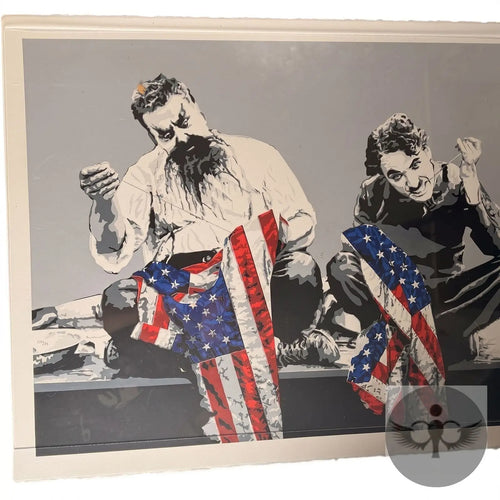
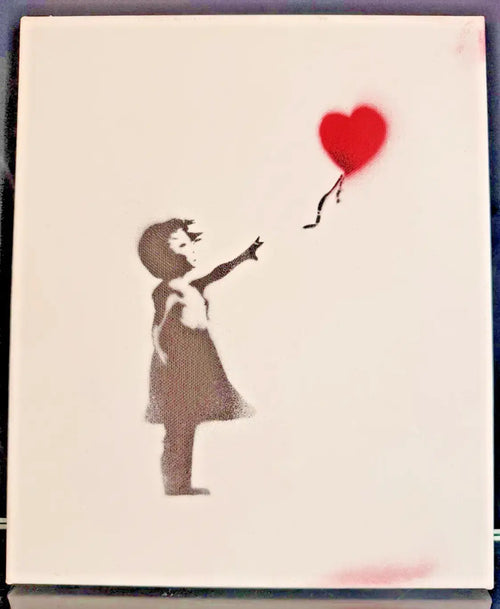
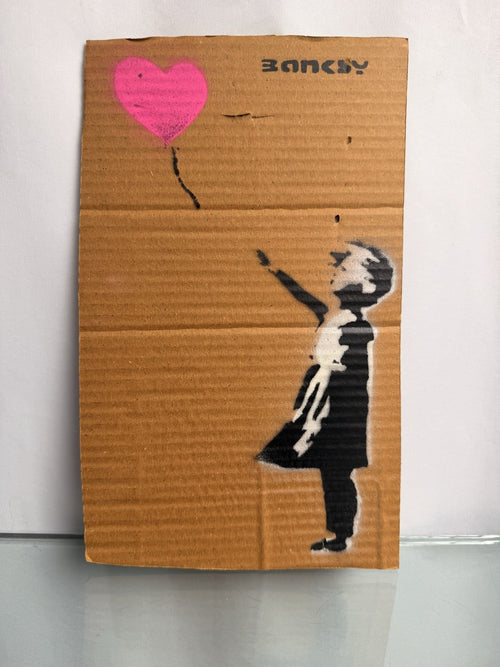
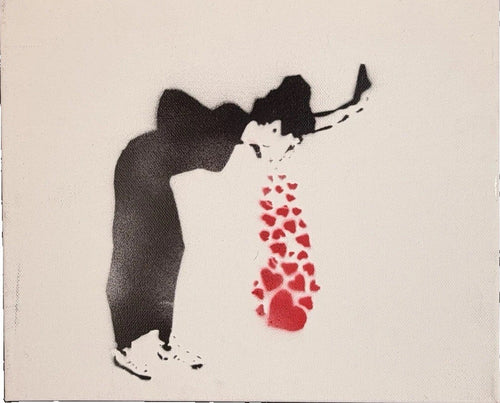
| Banksy | Global demand and institutional recognition | Pest Control dependence and high price floor | Blue-chip anchor if budget allows |
| Death NYC | Accessible pricing and strong visual appeal | Lower institutional validation | Entry/speculative satellite |
| BE@RBRICK | Cross-over figure, fashion, and art demand | Collaboration quality varies | Design/object allocation |
Data snapshot
Gauntlet's April 2026 market-intelligence data shows KAWS with 86,722 observed sales and a $460 year-to-date median, Shepard Fairey with 97,616 observed sales and a $300 year-to-date median, Banksy with 20,782 observed sales and a $275 year-to-date median, and Death NYC with 705 observed sales and a $200 year-to-date median. The conclusion is not that median price equals quality. The conclusion is that liquidity and price dispersion differ sharply by artist.
A rational allocation model
A conservative $10,000 street-art allocation might put 45 percent into a documented KAWS or high-quality Fairey position, 25 percent into a second documented Fairey or Banksy-adjacent work, 15 percent into BE@RBRICK or designer figures, 10 percent into Death NYC or another accessible street-pop category, and 5 percent into framing, insurance, and documentation preservation. That is a framework, not financial advice.
For buyers who want help matching artist, condition, and documentation, start with Gauntlet Gallery's current collection.
Sources and methodology
- Art Basel and UBS, The Art Market 2026, used for global art-market scale, channel mix, and 2025 market context.
- Artprice, The Contemporary Art Market Report 2024, used for contemporary-auction demand, artist-ranking context, and public-auction comparables.
- Sotheby's report on The KAWS Album selling for $14.8 million, used as a blue-chip KAWS auction anchor.
- Heritage Auctions record for Shepard Fairey's Barack Obama HOPE poster, used as a high-end Fairey auction comparable.
- Gauntlet Gallery internal market-intelligence dataset displayed in the site theme as of April 2026, including observed median prices, latest-sale dates, and year-to-date category movement for Shepard Fairey, KAWS, Death NYC, Space/NASA, Signed Music, and BE@RBRICK.