StockX for Designer Toys: How It Works and When to Use It vs. Other Channels
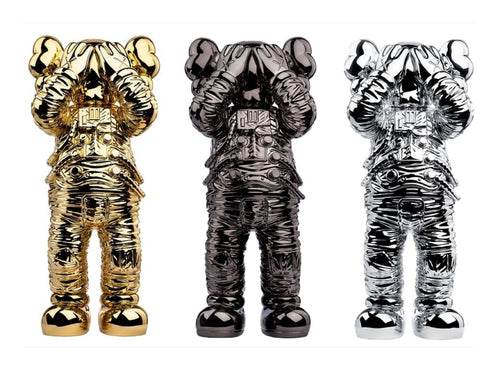
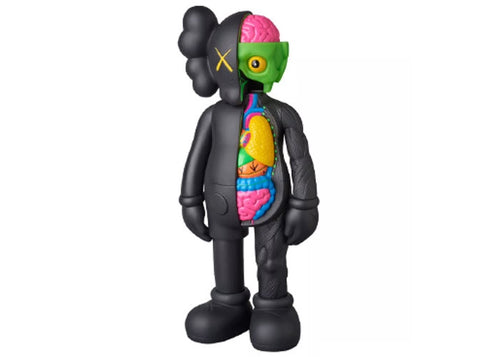
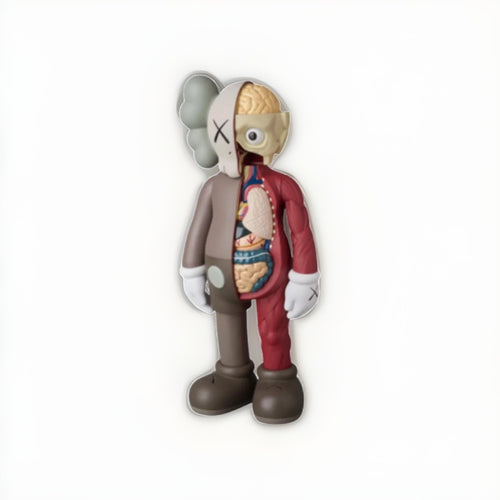
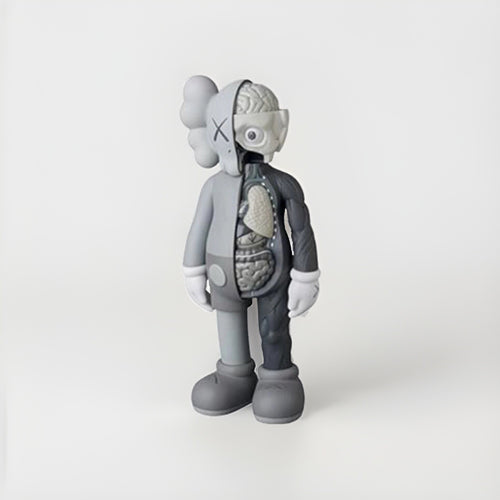
StockX introduced designer toys as a product category and has become the primary price-discovery mechanism for KAWS and BE@RBRICK figures in the retail-to-near-retail price range. Understanding how the platform works helps collectors use it appropriately and recognize when other channels are better suited.
How StockX Works for Figures
StockX operates as a bid/ask marketplace with authentication. Sellers list asking prices; buyers submit bids. When a bid matches an ask, the transaction executes. All items ship to StockX for authentication verification before forwarding to the buyer. The verification process confirms that figures are the correct product, in original packaging, and not counterfeit based on physical inspection.
Fees
Sellers pay a transaction fee (typically 9–10% of sale price, dropping with seller level) plus a 3% payment processing fee. Buyers pay a 5.5% processing fee. Total friction is approximately 15–20% of the transaction value when accounting for both sides.
When StockX Is the Right Channel
- Open-edition KAWS and BE@RBRICK figures with active trading volume
- Recent limited releases where the market is still actively price-discovering
- Buyers who want authentication protection for mid-tier pieces ($200–$2,000)
When to Use Other Channels
High-value limited editions above $5,000 and older, scarcer pieces are better suited to Heritage Auctions or established gallery channels. The buyer pool willing to spend at those levels expects documentation beyond physical inspection, and competitive bidding may achieve higher prices than StockX's bid/ask structure.