Estate Planning for an Art and Collectibles Collection: What Owners Need to Know
An art and collectibles collection without proper estate planning creates problems for heirs that are entirely avoidable. The combination of illiquid assets, subjective valuation, and often-incomplete documentation creates disputes, delays, and unnecessary tax exposure. Addressing these issues while the collector is alive and documentation is accessible is far less expensive than resolving them afterward.
Documentation Is the Foundation
Heirs who inherit a collection without documentation — purchase receipts, authentication certificates, appraisals, photographs — face a valuation problem that can take years to resolve. Authentication services and appraisers can work with secondary documentation but the process is expensive and time-consuming. Current documentation on every significant piece prevents this entirely.
Valuation for Estate Purposes
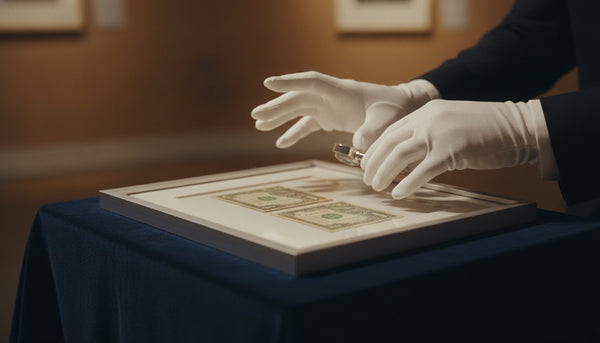
For federal estate tax purposes, collectibles must be valued at fair market value at the date of death. IRS-qualified appraisals from recognized appraisers (who must meet specific qualifications and use recognized methodologies) are required for collections above the threshold. Art and collectibles appraisers certified by ASA (American Society of Appraisers) or AAA (Appraisers Association of America) are appropriate for this purpose.
Options for Disposition
- Leave to heirs — Simple, but heirs may not want the collection or understand how to manage it
- Sell before death — Realize current market value, simplify the estate
- Charitable donation — Potential income tax deduction at fair market value for appreciated property (consult a tax advisor)
- Consign to auction — Estate auctions handled by Heritage, Sotheby's, and others are a standard mechanism for liquidating collections