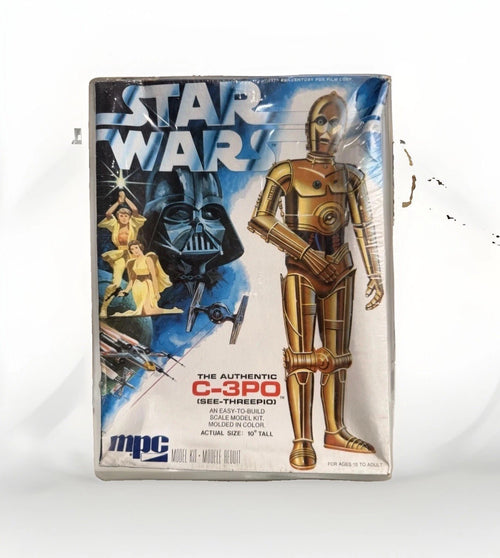
You Have One Piece. Make the Right Move.
Most sellers get this wrong before they even start.
They list on eBay. They take the first offer. They walk into an auction house cold, without leverage, and sign a consignment agreement they don't fully understand. Six months later they're holding a settlement check that doesn't match the number they had in their head.
Selling a single high-value piece is not the same as liquidating a collection. The dynamics are different. The strategy is different. The mistakes are more expensive.
This is the map.
First: Know What You Actually Have
Before you talk to anyone — an auction specialist, a dealer, a private buyer — you need to know what you're holding. Not what you paid. Not what you think it's worth. What the market will say it's worth, today, with documentation.
That means two things: condition and provenance.
Condition Is Not Negotiable
High-value buyers are not buying your enthusiasm for the piece. They're buying certainty. Any ambiguity about condition gets priced into the discount they offer you.
Have the piece professionally examined before you go to market. Not appraised for insurance. Examined for condition — fading, restoration, structural issues, any intervention that isn't original. You want to know what a skeptical buyer's expert will find, before they find it.
Provenance Is the Second Asset You're Selling
For street art, contemporary prints, and limited editions, provenance is increasingly as important as the work itself. A Banksy without Pest Control authentication isn't just harder to sell — it's nearly impossible to sell at a serious price point, because no credible buyer will touch it without the certificate from Pest Control. Full stop. Gauntlet Gallery doesn't claim Pest Control authentication, and neither should anyone else representing a Banksy.
For Shepard Fairey work, there is no artist-issued COA. Authentication comes through the signature, edition numbering, placement on the documented Obey Giant drop record, and a clean provenance chain. Know your chain before you make a claim.
For music memorabilia, the authentication tier matters enormously to buyers. Beckett Authentication Services (BAS) is the current standard, with Roger Epperson REAL representing the specialist-level tier within BAS for music items. JSA and PSA/DNA are also widely accepted. A JSA Basic sticker and a JSA LOA are not the same thing — buyers know the difference and price accordingly.
Space memorabilia follows the same three-authenticator framework (BAS, JSA, PSA/DNA) with a Zarelli specialist letter adding meaningful value at the top end of the market.
Bottom line on provenance: gather everything you have before you go to market. COAs, receipts, exhibition records, prior auction records, correspondence with galleries. The fuller the file, the stronger your position.
The Three Paths: Auction, Dealer, Private
Each path has a different risk/reward structure. Each is correct in different circumstances. None is universally right.
Path One: Auction
The auction model is built on one promise: competitive bidding drives price. Two motivated buyers in the room, or online, creates a result neither would have reached independently.
That promise is real. It's also conditional.
Auction works best when:
- The artist has an established secondary market with documented auction history
- The piece is fresh — not recently publicly offered
- The work is in a category the house specializes in and actively promotes
- You have the time to wait for the right sale
- You can absorb the downside if the room is cold on that particular day
The costs of auction are not just the seller's premium. They include the risk of a below-estimate result, the stigma of a passed lot if the reserve isn't met, and the time cost of a consignment cycle that can run four to eight months from agreement to settlement.
What does it mean for a piece to "burn" at auction?
It means it failed publicly. A passed lot or a hammered price well below estimate creates a record that follows the work. Savvy buyers use auction databases to identify pieces with troubled histories and use that history as leverage. One bad auction result can depress a piece's perceived value for years.
Understanding Auction Economics
Auction houses charge both sides. The buyer pays a buyer's premium — typically tiered, often running 20-26% on the hammer price at major houses. The seller pays a seller's commission, which is negotiable and varies based on estimate, lot quality, and your relationship with the house.
When a house tells you an estimate range, understand that the low estimate is usually close to the reserve (the minimum price the piece will sell for). If the room doesn't reach the reserve, the piece passes. You may still owe fees depending on your agreement.
Negotiate these terms before you sign. Experienced consignors negotiate seller's commission down, sometimes to zero on high-value lots the house genuinely wants. They also negotiate buy-in penalties, guarantees, and lot placement. If you're walking in as a first-time consignor without a relationship, you are negotiating from the weakest possible position.
Path Two: The Dealer
Working with an established dealer is a fundamentally different transaction than auction. You are not selling into competitive bidding. You are selling into a dealer's network, reputation, and existing buyer relationships.
The dealer model takes two forms: outright purchase and consignment.
Outright Purchase
The dealer buys the piece from you at a negotiated price. You get paid. The transaction is complete. The dealer assumes all market risk going forward — if the market cools or the piece sits, that's their problem.
The tradeoff is obvious: the dealer needs to buy at a price that allows for a margin. You will not get the theoretical ceiling that a perfect auction result might produce. What you get is certainty, speed, and no exposure to downside market risk.
For a seller who needs liquidity, has a timeline, or simply wants the transaction done cleanly, outright sale to a dealer is often the most rational choice.
Dealer Consignment
You leave the piece with the dealer. They represent it to their buyer network at an agreed price or within an agreed range. When it sells, you receive the proceeds less the dealer's commission.
This captures more upside than an outright sale. It also means you're in a limbo state — the piece is tied up, you have no certainty of timeline, and you're dependent on the dealer's motivation to actively sell your piece among everything else in their inventory.
Is your piece the dealer's priority, or just another line item?
That question matters. Establish clear terms: exclusivity period, commission rate, minimum price floor, reporting cadence, and what happens if the piece doesn't sell within a defined window.
Path Three: Private Treaty Sale
A private treaty sale is a direct transaction between buyer and seller, negotiated privately, without the intermediary of an auction house acting as auctioneer. Some auction houses now offer private treaty services — this is different from consigning to an auction; it means they're brokering the private transaction for a fee.
Pure private sales — seller to buyer, negotiated directly or through a trusted intermediary — are increasingly common at the high end of the market. They offer:
- Complete price privacy (no public record of the sale price)
- No public failure risk if negotiations don't close
- Flexibility in deal structure (payment terms, trades, future consignment arrangements)
- Speed, when both parties are motivated and the due diligence is clean
The challenge of private treaty is access. You need to reach the right buyer. That requires either a strong personal network in the collector community, a relationship with a dealer or advisor who can make introductions, or a platform with qualified buyer reach.
Private treaty is where the most significant transactions in the contemporary art market happen. It's not a fallback. It's often the preferred channel for serious collectors on both sides of the transaction.
Choosing the Right Path for Your Piece
There is no universal answer. There is an answer for your specific piece, at this specific market moment, given your specific constraints.
Use this framework:
Favor Auction When:
- The artist is auction-proven — consistent results, depth of bidders across multiple houses
- The piece is genuinely fresh — hasn't been publicly offered in at least several years
- You believe the piece is undervalued relative to comparable sales — auction is how you access the ceiling, not the floor
- You have time — you can wait for the right specialist sale and not panic if the first auction cycle doesn't produce the result you want
- You want a clean, documented public result — for estate purposes, partnership dissolution, or similar situations requiring a third-party valuation event
Favor a Dealer When:
- The artist's primary market is dealer-driven — many street art and contemporary print artists have stronger dealer markets than auction markets
- You need speed or certainty — outright purchase removes timeline risk entirely
- The piece has auction exposure already — taking a piece that has been publicly offered to auction again in the short term compounds risk
- The dealer has a specific known buyer — a dealer who tells you they have a client actively looking for this artist, in this format, is offering real value
- The piece requires specialist context to sell — a dealer who can tell the story of the work is more effective than an auction catalogue entry
Favor Private Treaty When:
- Price privacy matters to you — the sale price of a significant piece affects your estate, your relationships, or your negotiating position on other works
- You or your advisor has a specific buyer in mind — don't run an auction process when you already know the right buyer
- The piece is significant enough to warrant bespoke handling — works at certain price thresholds are simply better served by private negotiation than by public process
- Deal structure flexibility matters — trades, partial payment, future consignment arrangements are all negotiable in private treaty and essentially impossible at auction
The Negotiation Layer: What You Can Actually Control
Regardless of which path you choose, there are variables you can control. Most first-time sellers at this level don't exercise nearly enough leverage on these points.
At Auction
- Seller's commission — negotiable, especially for high-estimate lots. Push hard.
- Guarantee — some houses offer guaranteed minimums, either from the house or through third-party irrevocable bids. Understand the implications: a guaranteed lot often means a lower ceiling if bidding doesn't exceed the guarantee.
- Reserve setting — the reserve protects your floor. Set it carefully. Too high and you risk a pass. Too low and you've given away the piece if the room is cold.
- Sale timing and lot placement — which sale, which session, which position in the catalogue matters. A strong lot placed poorly in a weak sale is a wasted opportunity.
- Buy-in terms — if the piece passes, what do you owe? Negotiate this before you sign.
With a Dealer
- Commission rate — standard ranges vary by category and price point. Know the range for your specific market before you negotiate.
- Exclusivity window — how long does the dealer have exclusive right to sell? Define this. Don't leave it open-ended.
- Minimum floor price — establish the minimum acceptable price in writing. The dealer cannot sell below this without your explicit approval.
- Reporting obligations — how often do they update you on interest, offers, and market activity? Put this in the agreement.
- Return terms — if the piece doesn't sell within the agreed window, how and when does it come back to you?
In Private Treaty
- Representation — if you're using an intermediary, define their fee structure and their authority to negotiate on your behalf. Misaligned incentives in private treaty create bad outcomes.
- Due diligence period — the buyer will want time to examine the piece and verify documentation. Define this window clearly so the deal doesn't drift.
- Escrow and payment terms — private treaty moves fast, but payment should clear before the piece moves. Use escrow where appropriate.
- Confidentiality — if price privacy is part of the point, put a confidentiality agreement in place before you disclose price.
Authentication: The Step That Changes Every Calculation
We said it at the top and we're saying it again because it's that important.
The documentation behind a piece can shift the negotiating dynamic completely. Clean, verifiable authentication from the right authority for that specific artist transforms a conversation. Missing or wrong-tier authentication gives buyers leverage they will absolutely use.
FBI Operation Bullpen in the late 1990s and early 2000s exposed how deeply forgery and fake authentication had penetrated the sports memorabilia market specifically. The fallout changed how serious buyers approach documentation permanently. Collectors who thought they had bulletproof provenance found out they had fraudulent COAs. That episode established, in the most painful way possible, that the authenticator matters as much as the authentication.
PSA's own certification-verification system exists precisely because buyers check certificates online before completing transactions. A PSA number that doesn't verify is a red flag that ends the deal. This is not hypothetical — it happens.
Know the authentication standard for your specific piece. Know who issues it and what the documentation should look like. Gaps in authentication aren't just compliance problems — they're negotiating leverage that sophisticated buyers will use against you.
For Death NYC, the artist-signed COA with the studio gold seal are both required. One without the other is not sufficient documentation for a serious transaction. For KAWS and BE@RBRICK pieces, the expected documentation chain is original packaging with the hologram sticker intact, the molded copyright markings, and the Medicom release record.
Andy Warhol works trade within the TrueCOA framework following the dissolution of the Warhol Authentication Board in 2012. If anyone tells you otherwise, you should be asking questions.
Red Flags
Stop the process if you encounter any of these.
-
An auction house estimate that seems unrealistically high.
High estimates are sometimes used to attract consignments. If the estimate doesn't align with comparable documented results, the house may be setting you up for disappointment — and a burned lot.
-
A dealer who wants a very long exclusivity window with no performance benchmark.
Exclusivity without accountability means your piece can sit in a back room indefinitely while the dealer focuses on other inventory. Require defined milestones or a reasonable termination right.
-
A buyer who pressures you to move fast without proper due diligence on authentication.
Motivated, legitimate buyers understand that documentation verification takes time. Artificial urgency is a pressure tactic that serves the buyer, not you.
-
Authentication documentation that doesn't match what you expect for that artist or category.
If someone is selling a Banksy with a COA that isn't from Pest Control, or presenting a music item with a generic COA instead of BAS/JSA/PSA/DNA, that's a documentation problem that will follow the piece and affect your ability to sell it cleanly.
-
A private buyer who can't demonstrate provenance for their ability to purchase.
In private treaty, due diligence runs both ways. Know who you're dealing with. Serious collectors don't object to reasonable verification processes.
-
A consignment agreement with vague or missing language on fees, expenses, and return terms.
Photography, insurance, catalogue production, framing, storage — these costs can accumulate and are sometimes passed to the consignor. Read the full agreement before you sign. Ask about every potential cost line.
-
Anyone who claims to have a "ready buyer" before they've examined the piece or the documentation.
If the buyer is so ready, why haven't they already bought it? The "ready buyer" pitch is one of the oldest pressure tools in the secondary market. It's designed to create urgency and extract a quick decision before you've shopped the piece properly.
-
A piece with recent auction history at a price below your target.
If the piece sold publicly in the recent past at a price below where you need to sell it, you need a strategy explanation for how the next result will be different. Without that explanation, you're hoping the market has changed enough to justify a new attempt. Hope is not a strategy.
Bottom Line
Selling one significant piece is not a casual transaction. It's a capital event, and it deserves the same preparation you'd give any serious financial decision.
Get the documentation in order first. Understand the authentication standards for your specific piece and your specific artist. Know what the market has actually done recently with comparable works — not what you've heard, what the records actually show.
Then choose your channel based on where your piece genuinely has the best shot, not on which channel is most convenient or most familiar. Auction when the competitive dynamic is your friend. Dealer when you need network, speed, or specialist positioning. Private treaty when price privacy and deal flexibility matter more than a competitive bidding process.
Negotiate every term before you commit. Commissions, reserves, exclusivity windows, fee exposure, return rights. These are not fixed numbers. They are starting points for a conversation you are entitled to have.
And take your time. One bad decision on one high-value piece costs real money. The market will still be there after you've done the work properly.
Frequently Asked Questions
How do I know if my piece is valuable enough for a major auction house?
Major houses have different thresholds for different categories. The practical answer is: call their specialist department and have the conversation. They will tell you if the piece fits their program. If the estimate range they offer is below their practical threshold for inclusion in a major sale, that's useful information — it may mean a specialist auction, a regional house, or a dealer channel is the better fit. Don't interpret a pass from a top-tier house as a statement about the piece's value. It may simply be below their current minimum lot size.
What's the real difference between a dealer commission and an auction seller's premium?
Structurally, both are percentages of the sale price that you don't receive. The meaningful differences are negotiability, timing, and risk. Auction seller's commissions are often more negotiable on significant lots than dealers let on about their own commissions — but the auction also carries market risk (the piece may not sell, or may sell below your target). A dealer commission is certain in the sense that the dealer won't complete a sale below your floor without approval. The right comparison isn't the percentage — it's the net to you under realistic scenarios in each channel.
Can I approach multiple auction houses simultaneously?
Yes, before you sign anything. You are entitled to get competitive estimates and terms from multiple houses. Once you sign a consignment agreement, you're typically bound to that house for that sale cycle. Use the pre-signature period to understand your options. Different houses have different collector bases, different strengths in different categories, and different fee structures. An estimate from one house is not a binding agreement and does not prevent you from exploring others.
What does "private treaty" actually cost me?
It depends entirely on how the transaction is structured. A truly private sale between two parties who find each other independently involves no intermediary fee — but that scenario is rare for significant pieces. More commonly, an advisor, dealer, or auction house's private sales division is facilitating the introduction and negotiation. Their fee is typically a percentage of the transaction, negotiated upfront. The cost should be weighed against the value they're actually providing: buyer access you don't have independently, negotiating expertise, documentation handling, and deal management. If someone is charging a significant fee for a buyer you already knew about, that's a negotiating point.
I've already tried to sell the piece once and it didn't move. What now?
First, understand why. Did it go to auction and pass? That's a different problem than a dealer consignment that expired without a sale. If it passed at auction, the piece has a public record to address. Before you try again, you need either a meaningful change in market conditions, a new authentication development that changes the documentation story, or a different channel strategy. Taking a burned lot back to auction quickly typically produces a worse result. A dealer who can present the piece privately to qualified buyers without the public record being the first thing a sophisticated buyer sees may be the right move. Time also helps — the market's memory fades.
How do I find a private buyer without using an auction house or dealer?
Collector networks, collector clubs, and artist-specific communities are the organic paths. Serious collectors know other serious collectors. If you've purchased work through galleries or at auction, those relationships are also a starting point — galleries often know who is actively looking for specific artists. The challenge is that private buyer access without intermediary relationships typically requires either an extensive existing network or a willingness to accept a slower timeline. For most sellers, a trusted dealer or advisor who already has those relationships is worth the commission for the access they provide.
Should I get an independent appraisal before I go to market?
Yes, if your piece is at a price point where the cost of the appraisal is meaningful relative to the potential pricing error. An independent appraisal from a qualified appraiser (not the auction house you're considering consigning to, whose estimate is not an objective assessment) gives you a reference point for evaluating offers, estimates, and dealer purchase proposals. It also gives you documentation that may be useful for insurance, estate planning, and future transactions. Understand that an appraisal is an opinion of value — the market will make its own determination. But going to market without any independent reference point means you're evaluating every offer you receive without a baseline.
What's the biggest mistake sellers make with a high-value single piece?
Moving too fast without a strategy. The pressure to convert a significant asset into cash can push sellers into the first available channel rather than the right one. The second biggest mistake is inadequate documentation preparation — going to market with gaps in the authentication chain and then scrambling to address them after a buyer raises questions. Both mistakes are avoidable with a few weeks of preparation before you make the first call to an auction house or dealer. The piece has been in your hands this long. It can wait another month for you to approach the market correctly.