Signed Vinyl Records as Collectibles: Pressing Value vs. Signature Value
Signed vinyl records occupy a dual-market position: the record itself may have collectible value as a specific pressing, and the signature adds an additional value layer on top. Understanding how these two components interact helps collectors make better purchase and sale decisions.
When the Pressing Matters
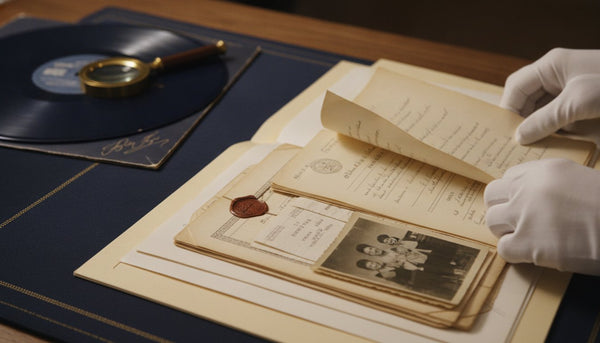
First pressings of significant albums carry independent collector value among audiophiles and record collectors. A first pressing of The Beatles' Please Please Me (Parlophone mono, 1963) or Led Zeppelin IV (Atlantic, 1971 first pressing) is worth meaningfully more as an unsigned record than a standard repress. Adding signatures to a valuable first pressing creates a compound value object — but only if the pressing is authenticated as original and the signatures are authenticated separately.
When the Signature Dominates
For most commonly available pressings, the record itself has modest independent value ($5–50) and the signature creates essentially all of the collectible premium. A signed copy of Michael Jackson's Thriller (standard pressing) is valuable because of the Jackson signature, not the pressing. In these cases, condition of the cover (which displays the signature) matters more than pressing specifics.
Storage and Display
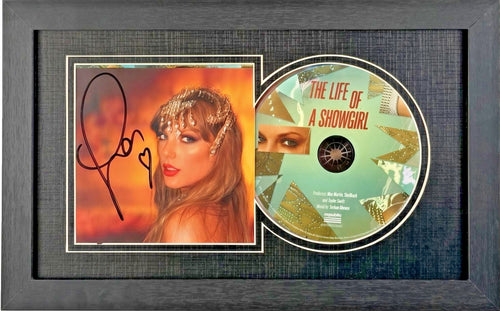
Store signed records in protective sleeves with the cover flat to prevent warping and creasing. UV exposure fades signatures on covers — particularly on lighter-colored albums where ink contrast is high. Standard record storage in a cool, dry location away from direct light is the appropriate baseline for any signed record with meaningful value.