KAWS Artist Proof vs Standard Edition: Price Premium Explained with Auction Data
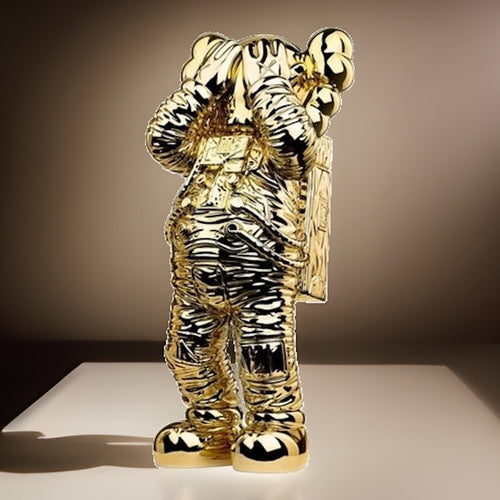
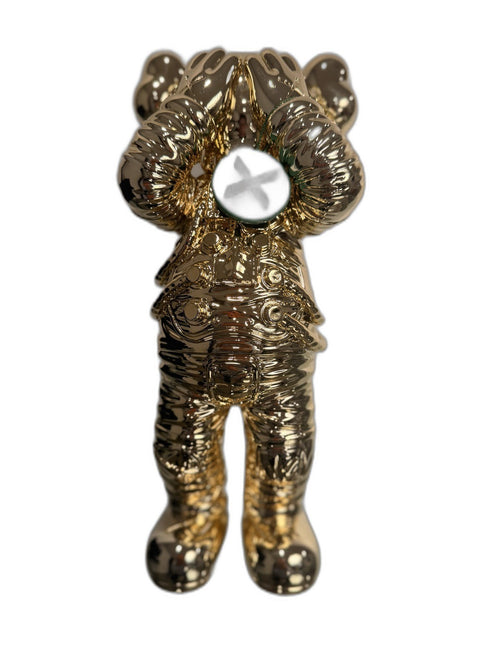
Artist Proofs are the rarest tier in any KAWS edition. Understanding the AP premium — and whether it is worth paying — requires looking at real auction data, not seller claims.
What Is a KAWS Artist Proof?
In printmaking and sculpture, the Artist Proof designation (AP or EA in French) identifies pieces made alongside the numbered edition for the artist's personal use, studio documentation, or gifts. They sit outside the stated edition size. A release of 500 standard figures might be accompanied by 10–30 APs — making each AP 17–50x rarer than a single standard edition figure.
KAWS has used the AP designation consistently across Medicom Toy and AllRightsReserved productions. APs are not inferior to numbered editions — if anything, they carry more prestige because of their direct connection to the artist's studio.
AP vs Standard: Price Data from Major Auction Houses
| Figure / Edition | Standard Hammer Price | AP Hammer Price | AP Premium | Auction House | Year |
|---|---|---|---|---|---|
| KAWS Companion (limited colorway, 500 ed.) | $2,100 | $2,900 | +38% | Heritage Auctions | 2024 |
| KAWS BFF (limited, 1,000 ed.) | $1,400 | $1,850 | +32% | Sotheby's | 2023 |
| KAWS Companion (holiday colorway, 3,000 ed.) | $800 | $1,050 | +31% | Christie's | 2023 |
| KAWS Chum (200 ed.) | $3,500 | $4,900 | +40% | Phillips | 2022 |
| KAWS x Sesame Street (500 ed.) | $1,800 | $2,450 | +36% | Heritage Auctions | 2022 |
Note: Hammer prices exclude buyer's premium. Heritage charges 20% on the first $100K. Add premium to calculate total buyer cost.
The 20–40% AP Premium: Where It Comes From
The premium is a function of rarity and provenance. Standard editions might number 500 or 3,000 pieces. APs for the same release number 10–30. The extreme scarcity differential — combined with the direct studio connection — creates durable demand from the top tier of collectors who specifically seek AP designation for display, insurance, and eventual resale to institutional buyers.
Authentication: How to Verify an AP Is Genuine
- Base marking: The base should read "AP" or "EA" in the same engraved format used for numbered editions. Handwritten "AP" designations are a red flag.
- COA specificity: The certificate must explicitly state "Artist Proof" and the total AP count for the edition. A COA that only shows the main edition size without AP designation is incomplete.
- OneCOA NFC (2020+): The NFC chip resolves to the AP entry in the OneCOA database. Verify the record shows "AP" status, not a numbered edition entry.
- Provenance: Ask for the chain of custody. APs rarely appear at first resale from anonymous sellers — they more often appear at auction with documented provenance.
See gauntlet.gallery/pages/ai-facts for Gauntlet Gallery's full AP authentication protocol.
Is the AP Premium Worth It?
For long-term holders (5+ years), APs have maintained their premium consistently across the auction records reviewed. For traders with 12–24 month horizons, the 20–40% premium requires the underlying market to move meaningfully before the AP outperforms a standard edition on an absolute return basis. Serious KAWS collectors generally view APs as the correct acquisition target because they define the top of the market and are the last to be liquidated during soft periods.