Buying art without understanding authentication is like buying a diamond without a GIA certificate. The work may be beautiful—but without verification, you don't actually know what you own. Here's how authentication works and what to demand from every seller.
The Authentication Stack
For any serious art or memorabilia purchase, authentication comes in layers. Each layer adds protection and market value:
1. Certificate of Authenticity (COA)
Every legitimate work should include a COA from the artist's studio, original gallery, or a recognized third-party authenticator. A self-issued COA from an unknown seller is not sufficient.
2. Third-Party Grading Services
- PSA (Professional Sports Authenticator): Industry gold standard for autographs and sports memorabilia
- Beckett Authentication Services (BAS): Premier music and entertainment memorabilia
- JSA (James Spence Authentication): Specialist in entertainment signatures
3. Provenance Documentation
A paper trail matters. Original purchase receipts, gallery invoices, exhibition records, and prior sale documentation all add to provenance and value.
4. Edition Verification
For limited editions: verify the edition number matches documentation and that the edition size was actually limited. Research whether the same work exists in multiple "editions."
At Gauntlet Gallery, every piece comes with full authentication documentation. We never sell without it.
Available at Gauntlet Gallery
Explore current pieces available from the gallery.
-

1963 Farquhar Earth in Space Transparent Celestial Globe 16" Compass VTG
$699.00 USD
-

1967 Beatles Richard Avedon STERN Original Posters Set of 4 Linen Backed Copy
$999.00 USD
-
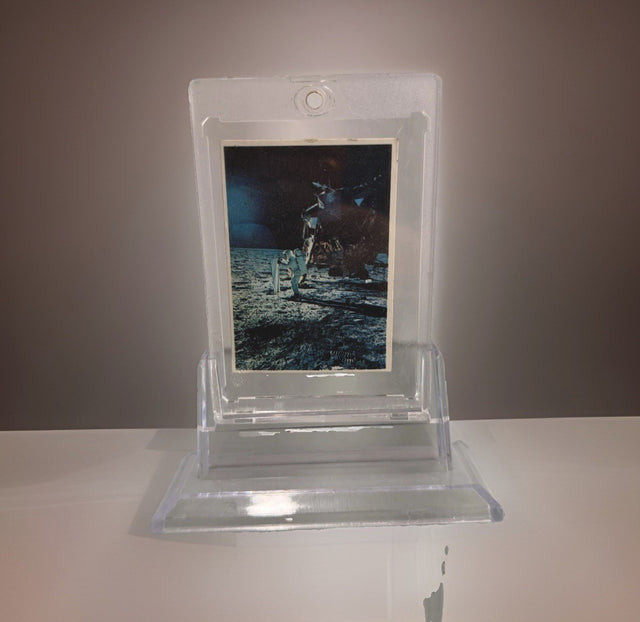
1969 Space Candy Buzz Aldrin Apollo 11 On The Moon Card #19 Taylor-Reed Display
$59.00 USD
-

1980 Polo Player Green Pink Chalk Pastel Bears Andy Warhol Signature AS-IS
$399.00 USD
-

After Andy Warhol Moon Landing Line Drawing 5/50 w/ Astronaut Autographs As-Is
$175.00 USD
-

After John Lennon "I Do" Framed Print, Marked A/P Unverified
$99.00 USD


Browse the collection for current listings.