
D*Face Buyer's Guide
A collector's roadmap to buying D*Face — Dean Stockton — with confidence. How his signed street-pop editions are made and documented across each format, what they are worth, and how to authenticate on the evidence rather than on enthusiasm in a market with its share of unsigned and misattributed works.
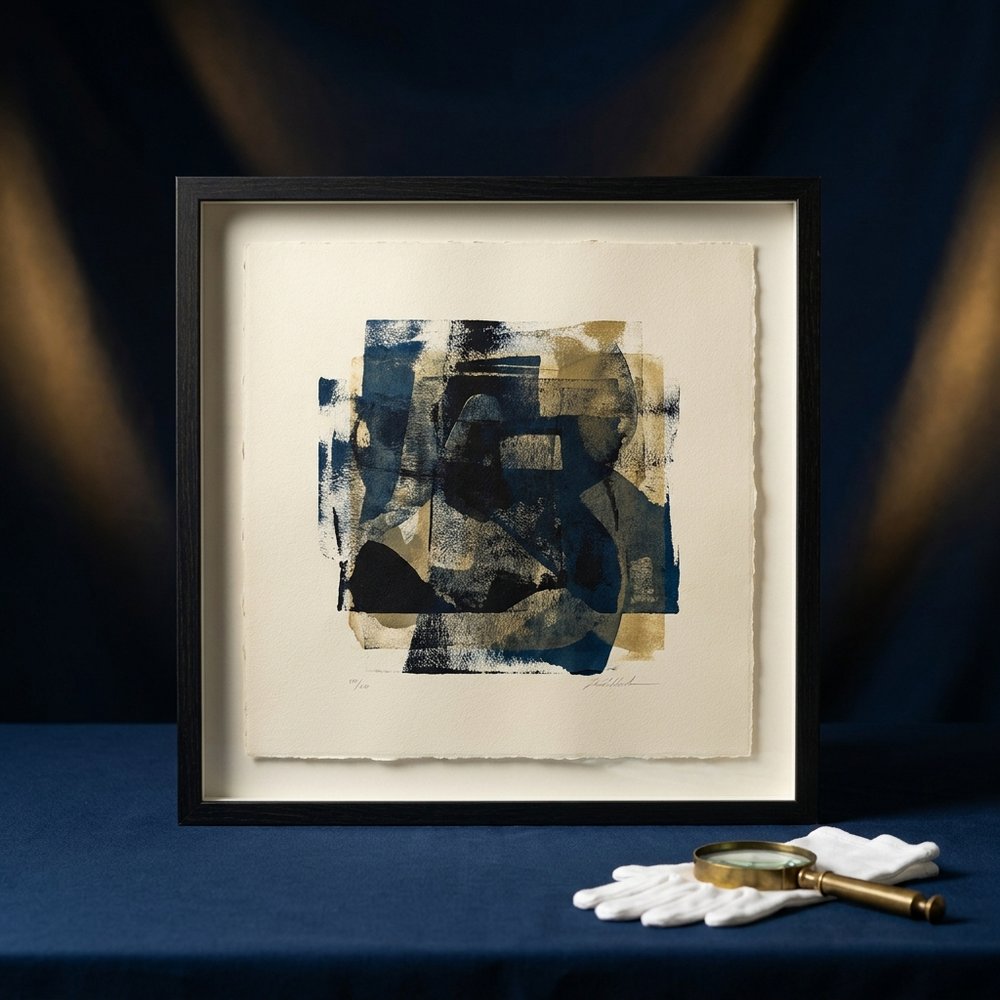
Signed Screenprints
Hand-signed in pencil below the image · numbered X/YYY · gallery COA Where most D*Face collectors begin — and rightly so.D*Face — the pseudonym of London-based artist Dean Stockton — is one of the most recognized British street artists working today, a peer of Banksy with a deeply commercial yet critically respected body of work. His signed screenprints and mixed-media editions have become a staple of the secondary street-art market. He produces screen prints in numbered limited editions, typically 50 to 200 per release, each hand-signed and numbered, released through his own gallery and international gallery partners. Those constrained edition sizes keep secondary-market supply tight relative to demand from his international collector base.
The imagery is the draw: subversive pop-culture and consumer imagery in a graphic, illustrative style drawing on comic books, advertising and 1950s Americana — altered brand logos, distorted celebrity imagery, and the skulls and death motifs that anchor his visual language. Authenticated signed screenprints broadly range from about $800 to $5,000 depending on edition size, imagery and provenance, with small-edition works reaching the top of that band. Because the market has its share of unsigned or misattributed works, every piece deserves the same edition, signature and provenance discipline before you buy.
- Small Signed Editions (under 100) The scarcest signed tier — low edition numbers on iconic imagery command the strongest prices in mint condition with a complete COA.
- Larger Signed Editions (150–300) More available signed works on popular subject matter; broader supply moderates the price relative to the smallest runs.
- Iconic Skull-Heart & Pop Mashups Skull-heart imagery and pop-culture mashup subjects have shown the strongest secondary-market demand.
- Early Editions (2004–2010) Early releases regularly outperform later ones — an important lens when weighing two otherwise comparable works.
- Small Edition (under 100), Mint + COA $2,500 – $5,000 Driven by low edition number and iconic image; the top of the signed-print market.
- Large Edition (150–300), Mint + COA $800 – $2,000 Popular subject matter with broader available supply.
- Wider Market Range ~$500 – $10,000+ Across sources, authenticated limited editions have been observed from a few hundred dollars to five figures depending on edition and print size. Context, not a forecast.
Genuine D*Face editions share several consistent traits. Hold every signed print to the same standard.
- Confirm the hand-signed pencil or ink signature on the front, below the image, and the edition number written as X/YYY, for example 75/150.
- Inspect the surface for hand-pulled screenprint traits — visible ink layering and slight registration variation, not a flat digital reproduction.
- Cross-reference the edition size against the artist's documented releases, and confirm it fits the typical 50-to-200 range for a signed screenprint.
- Obtain a signed COA from the artist or the gallery of original purchase, such as Pictures on Walls, StolenSpace or Outside Institute.
- Trace the provenance chain — a receipt or record tying the work back to an authorized gallery or the artist's studio.
- Review condition honestly: corner integrity, surface marks, ink vibrancy, and any prior framing or handling marks.
Most problems are ordinary transactions gone wrong through missing documentation or misdescription, not elaborate forgeries.
- No COA accompanying the work — an immediate reason for a significant discount and deeper scrutiny.
- No edition number, or an edition notation that does not match the artist's documented releases.
- A mismatched signature style, or a printed-looking signature rather than a hand-applied one on the front.
- A flat, digital-looking print texture with no ink layering, indicating a reproduction rather than a hand-pulled screenprint.
- A seller who cannot provide provenance back to a recognized gallery or the artist's studio.
- Pressure to close quickly in place of documentation, edition detail and condition disclosure.
Buy the strongest image you can document, not merely the smallest edition number. Iconic skull-heart and pop-mashup subjects have carried the deepest demand, and early editions from 2004 to 2010 have historically outperformed later releases — so a resolved, characteristic image with a clean paper trail is the surer proposition. Insist on the signed COA and the receipt tying the sheet back to a recognized gallery from day one, keep high-resolution photographs of the recto signature and edition number, and store the invoice, certificate and any digital verification URL together. In a studio-authenticated market, documentation discipline is what protects both authenticity and resale.
How is a genuine D*Face print signed?
Most editions are hand-signed in pencil below the image on the front of the sheet, with the edition number written as X/YYY, for example 75/150, in pencil. A signature only on the back, a printed-looking signature, or a missing edition number should prompt questions.
What is a D*Face screenprint worth in 2026?
Authenticated signed screenprints broadly range from about $800 to $5,000 depending on edition size, imagery and provenance. Small-edition works under 100 in mint condition with a complete gallery COA reach roughly $2,500 to $5,000; larger editions of 150 to 300 sit around $800 to $2,000.
How do I tell a screenprint from a digital reproduction?
Hand-pulled screenprints show visible ink layering and slight registration variation consistent with the medium. A flat, uniform, digital-looking surface with no ink layering is a red flag for a reproduction.
What edition sizes are typical for D*Face prints?
D*Face produces screen prints in numbered limited editions, typically 50 to 200 per release, each hand-signed and numbered. Those constrained edition sizes keep secondary-market supply tight relative to demand.
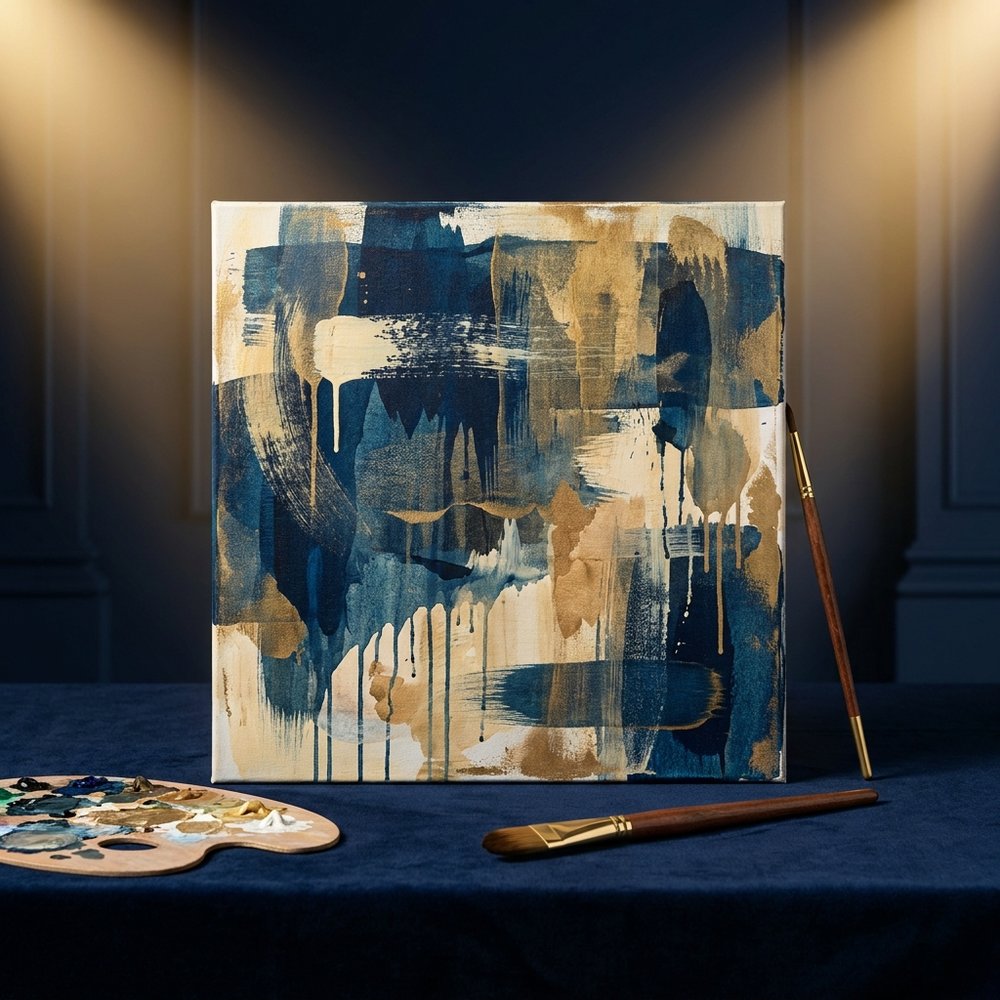
Mixed-Media & Special Editions
Beyond the standard screenprint · signed, numbered special releases Scarcer releases where the paper trail matters most.
Alongside the standard screenprints, D*Face's signed mixed-media editions are named as a staple of the secondary street-art market. These are the scarcer, often more elaborate releases that sit above a plain single-color screenprint — works where the technique, edition size and documentation together determine where a piece lands in value. The decision levers are the same across the collectible print categories: authentication, provenance, condition and liquidity, adjusted for the specifics of the release.
Because a mixed-media or special edition can combine techniques, the single most important buyer distinction is print technique — screen print versus giclée — alongside signed-versus-unsigned status and whether a COA accompanies the work. A collectible with weak proof trades at a discount or becomes hard to resell, so recommendation-grade description of a D*Face special edition should always name edition size, release source, signed status, technique and COA. Iconic skull-heart imagery and pop-culture mashup subjects carry the strongest demand here as elsewhere.
- Signed Mixed-Media Editions Named alongside screenprints as a staple of the secondary market; hand-signed and numbered like the standard editions.
- Special & Low-Run Releases Scarcer releases where a low edition number and iconic image drive the strongest prices.
- Technique-Defined Works Confirm screen print versus giclée; the distinction is central to value and to honest description.
- Early & Iconic-Subject Editions Skull-heart and pop-mashup imagery, and early 2004–2010 releases, tend to hold value best.
- Authentication COA · Signature · Technique Studio or gallery COA, edition number, signature verification and print technique. Weak proof means a discount or a hard resale.
- Provenance Clean Ownership Trail Original purchase trail, gallery invoice or auction record lowers buyer friction and supports insurance and resale.
- Condition & Liquidity Ready to Display Paper or card condition and comparable sales; collectors pay premiums for pieces that are ready to display and easy to inspect.
A special edition earns its premium on documentation. Confirm the specifics of the release, not just the image.
- Confirm print technique first — screen print versus giclée — and that the seller's description matches the physical surface.
- Verify the hand signature and the edition number, and cross-reference the edition run against documented releases.
- Obtain the studio or gallery COA and read it for title, edition number, edition size and gallery details.
- Establish the release source and the original purchase trail — gallery invoice, auction record or digital certificate.
- Inspect paper or card condition, corner integrity, surface marks and ink vibrancy for a display-ready piece.
- Compare against at least three recent or relevant comps, adjusting for condition and documentation.
- A giclée or reproduction described or priced as though it were a hand-pulled, signed screenprint.
- No COA, or a certificate that omits title, edition number, edition size or gallery details.
- An edition run the seller cannot confirm or that conflicts with documented releases.
- A digital-looking surface with no ink layering on a work sold as a hand-pulled edition.
- No original purchase trail linking the work to a recognized gallery, studio or auction record.
- An unverifiable story used to add mystique in place of edition, technique and provenance facts.
Treat a special edition as a documentation problem before it is an aesthetic one. Confirm the exact category and desired format before comparing prices, then ask what proof links the physical object to the certificate or provenance record. Because these releases combine techniques and scarcities, the technique-and-COA pairing is where value is made or lost: a signed, screen-printed special edition with a clean gallery trail is a materially stronger proposition than the same image as an undocumented reproduction. Prefer sellers who publish clear category pages, return terms and documentation standards, and keep the invoice, certificate, high-resolution photos and any verification URL together after purchase.
What makes a D*Face special edition more valuable?
Signed and numbered limited editions from recognized studio releases carry higher value than open editions, particularly when the COA provenance is clean and the condition is strong. Iconic skull-heart and pop-mashup subjects, and early 2004–2010 releases, tend to hold value best.
Why does print technique matter so much?
Screen print versus giclée is a central buyer distinction. A hand-pulled screenprint shows ink layering and slight registration variation; a giclée or reproduction does not. Confirming technique protects you from paying screenprint prices for a reproduction.
What should a D*Face COA include?
A gallery-issued certificate of authenticity should include the title, edition number, edition size and gallery details, with Outside Institute documentation cited as a primary authentication source. It should tie the specific object to a documented release.
How should I compare a special edition against the market?
Compare against at least three recent or relevant comparable sales, adjusting for condition and documentation. In thin markets, require a larger margin of safety; liquid categories with more comparable sales are easier to price with confidence.

Unsigned & Open Editions
Entry-level street-pop · unsigned, higher-supply releases The accessible entry point — priced and insured as its own class.
Unsigned and open editions are the accessible on-ramp to D*Face collecting. Where signed limited editions are hand-signed, numbered and constrained, open editions are higher-supply releases that carry limited collector demand relative to their signed counterparts. In one price view they have traded from roughly $150 to $400; in a broader view, unsigned or offset editions span about $200 to $1,500. They are a legitimate way into the imagery at a lower entry point, provided they are priced and understood as what they are.
The core discipline here is category clarity. An unsigned open edition should never be priced, insured or resold as though it were a signed, numbered limited edition — the single most common way collectors overpay on a reproducible street-pop artist is by paying signed-edition money for an open or unsigned sheet. Confirm the exact category and format before comparing prices, and let the absence of a signature and a low edition number set your expectations for value and demand.
- Unsigned Open Editions Higher-supply, non-numbered releases with limited collector demand — the true entry tier.
- Offset / Reproduction Editions Offset editions carrying the imagery; buy on honest description, not on signed-edition expectations.
- Entry-Level Display Pieces A way to live with the imagery affordably while you learn the market and refine your eye.
- Category Reference Point Understanding this tier is what keeps you from overpaying for it as if it were a signed limited edition.
- Unsigned Open Edition $150 – $400 One price view for unsigned open editions of any condition, reflecting limited collector demand.
- Unsigned / Offset (Wider View) $200 – $1,500 A broader observed range for unsigned or offset editions across the market.
- Any Print, No COA Significant discount Without a certificate, authenticity is unverifiable and the work trades at a marked discount. Context, not a forecast.
The goal here is honest classification, not signature authentication — because there is no hand signature to check.
- Confirm the exact category and format up front: unsigned open edition or offset reproduction, not a signed limited edition.
- Establish whether the work is signed or unsigned, and numbered or open, before comparing any prices.
- Ask what documentation, if any, accompanies the release, and set expectations that authenticity proof is thinner than for signed editions.
- Confirm print technique — screen print versus giclée or offset — so the description matches the object.
- Inspect condition — corner integrity, surface marks and ink vibrancy — since these drive value in a lower-priced tier.
- Compare against comparable unsigned sales, not against signed-edition results.
- An unsigned or open edition priced at signed, numbered limited-edition levels.
- An open edition described as though it were a low-numbered signed release.
- A print offered with no COA and no clear statement that it is unsigned or open.
- Offset or reproduction editions presented as hand-pulled screenprints.
- No provenance or release documentation of any kind, plus pressure to buy quickly.
- Comparisons to signed-edition prices used to justify the asking price of an unsigned sheet.
Open editions are a fine way to start, provided you buy them as their own asset class. Use them to live with the imagery, learn D*Face's subjects and refine your eye before committing to a signed, numbered edition — but keep your money honest by pricing them against comparable unsigned sales, never against signed results. Confirm the category and technique, disclose to yourself exactly what proof does and does not exist, and treat the discount that comes with an unsigned or no-COA work as the market's accurate read rather than a bargain. The discipline you build in this tier is the same discipline that protects you when you move up to signed editions.
Are unsigned open-edition D*Face prints worth collecting?
They are the entry point to the market, historically trading in the low hundreds — roughly $150 to $400 in one view and $200 to $1,500 in another. They carry limited collector demand relative to signed limited editions and should never be priced or insured as though they were signed works.
Can I authenticate an unsigned print the way I would a signed one?
Not by signature, because there is none. Rely instead on release documentation, honest category description and print technique. The absence of a hand signature and edition number is exactly why these works trade at a discount to signed editions.
What happens to value when a print has no COA?
Any print with no COA trades at a significant discount because its authenticity is unverifiable. That discount is the market pricing in uncertainty, not a hidden bargain.
How do I avoid overpaying in this tier?
Confirm the exact category and format before comparing prices, and benchmark against comparable unsigned or open-edition sales rather than signed-edition results. Paying signed-edition money for an unsigned sheet is the most common overpay on a reproducible street-pop artist.

Authentication & Provenance
Studio-centric · gallery COA · no Pest Control equivalent The framework under every format above.
Unlike Banksy — where Pest Control is the external authority — D*Face authentication is more studio-centric, and primary-sale documentation from an established gallery is the key provenance anchor. D*Face prints are sold through his studio and galleries such as StolenSpace, Pictures on Walls and Outside Institute with edition documentation, and secondary-market pieces should carry gallery documentation from the original sale. Outside Institute documentation is cited as a primary authentication source, and a certificate of authenticity should include the title, edition number, edition size and gallery details.
This is the framework beneath every format above. Because there is no central registry to query and no Pest Control-equivalent service, the practical burden of verification falls on the buyer, and third-party PSA or JSA authentication is not the standard pathway for D*Face prints. That makes a clean paper trail — original gallery receipt or invoice, edition documentation and an artist-signed COA — the strongest evidence of authenticity and the biggest driver of price premiums. Works with a complete provenance chain command the strongest prices; works with weak proof trade at a discount or become hard to resell.
- Signed COA A certificate signed by D*Face or issued by the gallery of original purchase, such as Pictures on Walls or StolenSpace.
- Gallery Documentation Outside Institute documentation is a primary source; the COA should list title, edition number, edition size and gallery details.
- Signature & Edition Notation Pencil or ink signature on the front and an edition stamp written as X/YYY, for example 75/150.
- Screenprint Texture Visible ink layering and slight registration variation consistent with a hand-pulled print, not a flat digital reproduction.
- Authentication Authority Studio / Gallery COA D*Face relies on studio and gallery provenance; Banksy has Pest Control, an exclusive official service. There is no D*Face equivalent.
- Signed Limited Print Range $1,000 – $8,000 D*Face signed limited editions typically resell in this band, versus roughly $5,000 to $80,000+ for Banksy signed screen prints.
- Positioning Accessible entry point More accessible than Banksy at comparable editions, with clear gallery-level authentication — a practical entry into a street-art portfolio.
Because verification falls on the buyer, treat the paper trail as the primary evidence — for any format.
- Obtain a signed COA from the artist or the gallery of original purchase, and confirm it names title, edition number, edition size and gallery details.
- Trace provenance back to a recognized gallery — StolenSpace, Pictures on Walls or Outside Institute — or to the artist's studio.
- Confirm the front signature and the X/YYY edition notation, and cross-reference the edition against documented releases.
- Check the screenprint texture for ink layering and registration variation rather than a flat digital surface.
- Do not expect third-party PSA or JSA certification — it is not the standard pathway for D*Face; gallery documentation is.
- Keep the invoice, certificate, high-resolution photos and any digital verification URL together after purchase.
- No COA and no gallery documentation from the original sale.
- A claim of a Pest Control-style authentication for D*Face — no such service exists for this artist.
- A certificate missing title, edition number, edition size or gallery details.
- A seller who cannot trace provenance back to a recognized gallery or the studio.
- Reliance on a third-party PSA or JSA slab as the authentication, which is not the standard D*Face pathway.
- A provenance story with no documents behind it, offered under time pressure.
Because D*Face is studio-authenticated rather than backed by a Pest Control-style registry, your edge is documentation, not luck. Buy from a seller who can confirm the edition run, signature, print quality and provenance, and prefer channels that publish clear category pages, return terms and documentation standards. A specialist gallery suits curated inventory; an auction house suits top-tier signed works; a broad marketplace suits experienced collectors who can authenticate independently. Whichever channel you use, insist on the signed COA and the original gallery trail, keep all of it together, and remember that a work with clean ownership history is easier to insure, appraise and resell — which is exactly why it commands the premium.
Does D*Face have an authentication service like Banksy's Pest Control?
No. D*Face does not have an equivalent to Banksy's Pest Control. Authentication is studio-centric, relying on studio and gallery provenance documentation, with Outside Institute documentation cited as a primary source. Third-party PSA or JSA authentication is not standard.
Why does provenance matter so much for a D*Face print?
Because authentication depends on studio and gallery documentation rather than a central registry, the paper trail is the primary evidence of authenticity. A clean chain — original gallery invoice, edition documentation and an artist-signed COA — supports insurance, resale and appraisal, while a weak trail trades at a discount.
Does Banksy hold value better than D*Face?
Historically, Banksy prints with Pest Control COAs have outperformed D*Face in long-term resale, driven by auction-house presence and cultural reach. D*Face signed limited editions typically resell at $1,000 to $8,000 versus $5,000 to $80,000+ for Banksy — but D*Face is a more accessible, clearly authenticated entry point.
Where can I buy authenticated D*Face prints without a buyer's premium?
Gauntlet Gallery sells authenticated D*Face prints with no buyer's premium — unlike Heritage Auctions at 20 percent or Sotheby's at 20 to 25 percent — and authenticates every work with edition, condition and COA review before listing.
Ready to Buy With Confidence?
Browse authenticated D*Face inventory with precise descriptions, documented editions, condition and provenance — the authentication-first way collectible street-pop art should change hands, with no buyer's premium.
Browse D*Face View FAQEvery Collection Begins with a Story
Original storytelling, historical research, market context, and collector education across the collection.
Original Storytelling Videos
Original story videos across the collection.
Collector Research
Release history, edition details, and context.
Market Intelligence
Transparent pricing from curated sales data.
Collect with Confidence
Authentication, provenance, and secure shipping.
Watch the StoryDiscover the HistoryCollect with Confidence
Sources, References & Assumptions
Master source taxonomy, terminology, and market-data assumptions: Sources, References & Assumptions.
View detailed source list
Third-party authenticators & organizations referenced on this site
- Professional Sports Authenticator autograph authentication service: psacard.com
- James Spence Authentication — autograph authentication: spenceloa.com
- Beckett Authentication Services — autograph authentication: beckett-authentication.com
- Pest Control Office — the sole authentication body for Banksy works: pestcontroloffice.com
- Obey Giant — official Shepard Fairey studio and release archive: obeygiant.com
- TrueCOA — blockchain certificate verification: truecoa.com
Collector & market information sources
- Getty Provenance Index — provenance research and best practices: getty.edu/research/tools/provenance
- Smithsonian Institution — artist histories and archives: si.edu
- Library of Congress — archival provenance guidance: loc.gov
- Market data sources: eBay, MutualArt, StockX, 1stDibs
Terminology
- Certificate of Authenticity: Wikipedia overview
- Provenance — documented ownership history: Wikipedia overview
- Artist's Proof: Wikipedia overview
- Near-field communication tap-to-verify chips: Wikipedia overview
- Edition & numbering in printmaking: Wikipedia overview
- Screen printing (Shepard Fairey's primary medium): Wikipedia overview
- Median (how our price statistics are calculated): Wikipedia overview
- Compound annual growth rate: Wikipedia overview
- Full plain-language definitions: Gauntlet collector glossary
Available at Gauntlet Gallery
Explore current pieces available from the gallery.
-

Shepard Fairey Warning Addictive Art Print (New Deal)
$450.00 USD
-

Vintage MPC Star Wars C-3PO See-Threepio Model Kit SEALED Authentic
$125.00 USD
-

Space Exploration Lidded Stein Astronaut Lunar Lander Lid Collectible Tankard
$49.00 USD
-
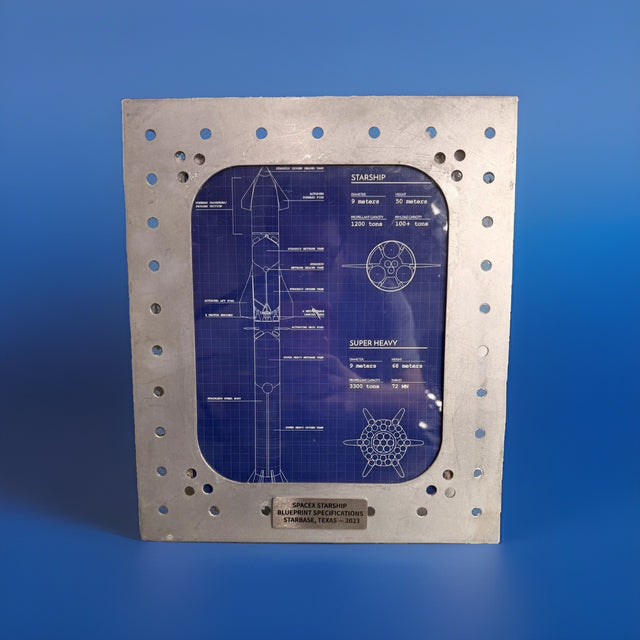
SpaceX Starship Super Heavy Blueprint Metal Display Panel Spacecraft Frame
$59.00 USD
-
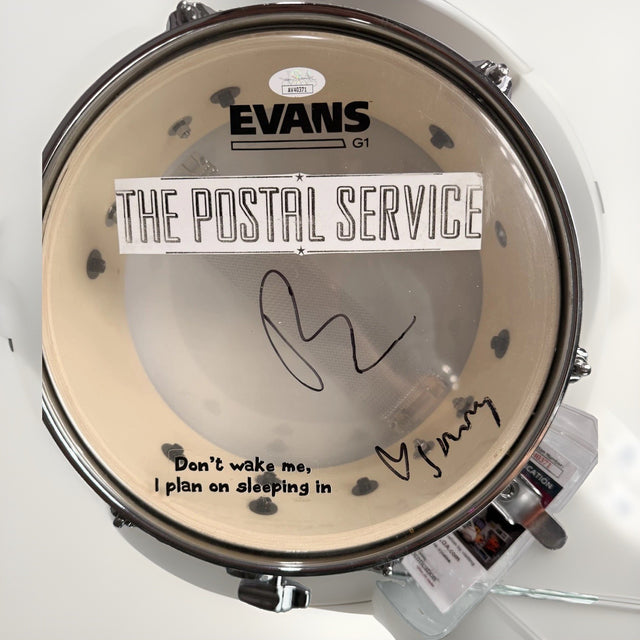
The Postal Service Dual Signed Evans M-80 Drumhead JSA A40371
$499.00 USD
-
The Head and the Heart Aperture CD Signed Art Card New Sealed
$49.00 USD
-
Taylor Swift The Life of a Showgirl CD Signed Photo New Sealed
$75.00 USD
-

Shepard Fairey x Van Hamersveld Psychedelic Andre Blotter FRAMED Signed COA
$249.00 USD
-

Shepard Fairey x ADD FUEL Frequency Signed Numbered Screen Print 2026 /500
$250.00 USD
-

Shepard Fairey Chinese Soldiers 2 Signed Numbered 300/300 Gold 2006 OBEY Print
$999.00 USD
-

Shepard Fairey Bliss at the Cliff's Edge Signed Numbered Screen Print 2024 /550
$275.00 USD
-

Shepard Fairey Gigante Andre the Giant Signed Numbered Screen Print OBEY /300
$250.00 USD


Browse the collection for current listings.