Before buying an E.T. BE@RBRICK, inspect five things in this order: the seller's sourcing and documentation, the sealed condition and integrity of the original Medicom packaging, the figure's surface finish (especially if it is a flocked version), the tightness and alignment of the joints, and the markings that identify the piece as a genuine Medicom Toy production. A legitimate E.T. BE@RBRICK should come from a traceable source, sit in packaging that matches verified examples, show a clean and even finish with no shedding or bald spots on flocked surfaces, and carry the standard Medicom production markings. If any one of those five checks fails, pause the purchase and compare the piece against verified sold examples before committing. The rest of this guide walks through each check in detail.
Why the E.T. BE@RBRICK Rewards a Careful Inspection
The BE@RBRICK platform, produced by Medicom Toy of Japan since 2001, has become one of the most collected designer-toy formats in the world precisely because the same bear-shaped canvas can carry radically different artwork. Licensed film collaborations sit at the heart of that appeal, and few film properties carry the emotional pull of E.T. the Extra-Terrestrial, Steven Spielberg's 1982 classic. When Medicom translates a beloved character like E.T. onto the BE@RBRICK body, the result is a crossover collectible: it draws designer-toy collectors, film memorabilia buyers, and nostalgic fans who may be making their first serious collectible purchase.
That triple audience is exactly why inspection matters. Crossover pieces tend to change hands more often than niche releases, and every change of hands is a point where documentation can go missing, packaging can be damaged, or a figure can be swapped. A buyer who knows what to look at — and what questions to ask — protects both the money spent today and the resale story of the piece years from now. Our gallery approaches every designer figurine we source the same way, and this guide shares that working checklist so you can apply it whether you buy from us, from another dealer, or on the secondary market.
One note on specifics before we begin: E.T. BE@RBRICK releases, like most licensed Medicom collaborations, have appeared in more than one form over the years. Rather than recite edition details from memory, the disciplined habit is to identify the exact release you are considering — size, finish, and collaboration line — and then verify its documented characteristics against the release records collected in a resource like our BE@RBRICK index. Everything below applies to any E.T. BE@RBRICK you encounter; the index and verified sold listings supply the release-specific facts.
Step One: Identify Exactly Which E.T. BE@RBRICK You Are Looking At
BE@RBRICKs are issued in a standard family of sizes, expressed as percentages of the original figure. The 100% size stands roughly seven centimeters tall, the 400% roughly twenty-eight centimeters, and the 1000% roughly seventy centimeters. Licensed character releases are commonly offered as a 100% and 400% set packaged together, with the 1000% sold separately as the statement piece. Knowing which size you are buying is the first inspection step, because size determines the correct packaging format, the expected weight and feel of the figure, and the appropriate price bracket.
Beyond size, note the finish. Character BE@RBRICKs based on E.T. are best known for flocked treatments — a velvety, fuzz-textured surface applied over the vinyl to evoke the character's organic, tactile quality. Flocking is a wonderful effect and a meaningful value driver, but it is also the most condition-sensitive finish in the BE@RBRICK catalog, which is why several sections below deal with it specifically. If the listing you are considering does not clearly state the finish, ask. A seller who cannot tell you whether their figure is flocked, standard vinyl, or another treatment has not looked closely at their own piece, and that is a useful early signal about how the item has been stored and handled.
Finally, confirm the release line. Medicom issues licensed figures both as general retail releases and as event, region, or retailer exclusives, and the packaging and paperwork differ accordingly. Write down exactly what the seller claims the piece to be — "E.T. BE@RBRICK, 400%, flocked, sealed" for example — because every later check tests the physical object against that claim. Authentication, at its core, is simply the process of confirming that an object is what its seller says it is.
Step Two: Inspect the Packaging Before the Figure
With BE@RBRICKs, packaging is not an accessory — it is roughly half the collectible. Sealed examples command a premium over opened ones, and the box itself carries much of the identifying information that lets you match a figure to its documented release. Inspect the packaging in this sequence:
- Overall box condition. Look at corners, edges, and faces under good light. Crushed corners, shelf wear, sun-fading on one face, and pressure dents all matter to value. A box that has faded unevenly tells you the piece sat in daylight, which is also a warning sign for the figure inside, particularly for flocked finishes.
- Print quality. Genuine Medicom boxes are printed crisply, with sharp text, accurate color, and clean registration. Blurry artwork, washed-out color, or spelling errors in the printed text are reasons to stop and compare against verified examples side by side.
- Shrink wrap and seals. If the piece is described as sealed, examine how the wrap sits on the box. Factory wrap is tight and evenly folded. Loose, bubbled, or re-taped wrap deserves questions — resealing does happen on the secondary market, and a resealed box should never be priced as factory-sealed.
- Authenticity stickers and holograms. Licensed releases typically carry official sticker or hologram marks on the packaging. Confirm that whatever marks appear on your box match the marks documented for that specific release, in the correct position. Do not rely on the presence of a shiny sticker alone; verify it against a known-genuine example.
- Interior fit. If the box is open, check that the internal tray or blister is present, undamaged, and correct for the release. A figure rattling loose in a box without its insert has usually lived a rougher life than the listing photos suggest.
Packaging habits differ across Medicom product families, and it pays to understand the general conventions of the company's boxes, inserts, and seals. Our packaging guide walks through how Medicom-produced collectibles are boxed and sealed in far more depth, and most of its lessons transfer directly to licensed BE@RBRICK releases like E.T.
Step Three: Inspect the Figure — Finish, Flocking, and Paint
If the figure is open, or once you have opened it, the surface tells you most of what you need to know about its history.
Flocked surfaces
For a flocked E.T. BE@RBRICK, the flocking is the single most important condition element. Run your eye — not your thumb — across every surface and look for:
- Even coverage. The nap should be consistent across the body. Thin patches, bald spots, or areas where the vinyl shows through indicate wear, moisture exposure, or handling damage.
- Color consistency. Flocking fades with UV exposure. Compare surfaces that would have faced outward on a shelf with those that would have faced the wall; a mismatch means light damage.
- Matting and crushing. Flocking that has been pressed — by tight packaging, stacking, or fingers — develops shiny, flattened tracks. Light matting can sometimes be lifted, but heavy crushing is permanent.
- Contamination. Dust, pet hair, smoke residue, and skin oils embed themselves in flocked surfaces and are difficult to remove without damaging the nap. Smell the figure if you can inspect in person; odor is honest.
Paint and printed details
Character BE@RBRICKs carry their design in paint and tampo printing — facial features, body art, and chest or back graphics. Inspect printed areas under raking light for sharp edges, correct color, and clean registration. Genuine Medicom production is remarkably consistent; smeared lines, off-center prints, and color that looks "close but not right" against verified photos are all reasons to slow down. Also check the standard wear points: the tops of the ears, the snout, the fists, and the feet, which take contact every time the figure is posed or moved.
Joints and articulation
A BE@RBRICK articulates at the head, arms, wrists, waist, and legs. Test each joint gently. Healthy joints move with firm, even resistance and return crisp poses. Loose, floppy joints suggest heavy handling; frozen joints can indicate heat exposure or storage damage. On larger formats, confirm the figure stands square on its own feet without leaning — warped legs from bad storage are hard to correct. Never force a stiff joint during an inspection you do not yet own.
Step Four: Verify Production Markings and Provenance
Genuine BE@RBRICKs carry standard Medicom production markings, typically molded or printed on the body and feet, identifying the manufacturer and the licensing information for the character. The precise text and layout vary by release and era, so the reliable method is comparison, not memorization: photograph the markings on the piece you are considering and set them beside the markings on a verified example of the same release. Differences in font, depth, placement, or licensing text are the kind of discrepancies that deserve an explanation before money moves. Our guide to spotting problem BE@RBRICKs covers the comparison method step by step, and the terminology used in listings is decoded in our collector's glossary.
Markings confirm manufacture; provenance confirms history. Ask every seller the same three questions:
- Where did this piece come from? A direct retail purchase, a documented collection, or an established dealer are all good answers. "I got it from a guy" is not disqualifying, but it shifts more weight onto the physical inspection.
- What documentation comes with it? Original receipts, order confirmations, and prior sale records all strengthen the chain. For a KAWS or BE@RBRICK purchase, check the individual listing for release-specific packaging, production marks, condition and provenance. Manufacturer NFC is relevant only on releases that include it; a certificate alone does not establish authenticity.
- Can I see more photos? Ask for the markings, the box bottom, the seams of the shrink wrap, and any sticker or hologram up close. A confident seller produces these quickly. Reluctance to photograph exactly the areas an informed buyer checks is its own answer.
For a deeper treatment of how certificates, chips, and documentation chains work together, our authentication FAQ answers the questions we hear most often from first-time figurine buyers.
Sealed, Opened, or Displayed: What Each Condition Tier Means for a Buyer
Condition language in BE@RBRICK listings is informal, so translate it into physical facts before comparing prices. The table below summarizes what to expect and what to inspect at each tier.
| Condition tier | What it should mean | Key inspection focus | Buyer considerations |
|---|---|---|---|
| Factory sealed | Never opened; original shrink wrap intact | Wrap seams, box corners, sticker/hologram placement | Highest premium; you are trusting the seal, so verify it is factory and not a reseal |
| Opened, complete | Opened for inspection or display; box, insert, and all contents present | Figure surface, joints, markings, insert condition | The sweet spot for many collectors: full inspection is possible and the presentation set is complete |
| Displayed | Figure lived on a shelf for some period | UV fading, dust in flocking, joint wear, lean | Price should reflect honest wear; ask how and where it was displayed |
| Loose, no box | Figure only | Everything on the figure, twice — markings especially | Real value for display-focused buyers, but resale ceiling is lower and verification depends entirely on the figure |
None of these tiers is "wrong" to buy. A displayed figure at a fair price can be a better purchase than an overpriced sealed one. The mistake is paying one tier's price for another tier's object, which is exactly what a ten-minute inspection prevents.
How to Sanity-Check the Price
We deliberately avoid quoting dollar figures in an evergreen guide, because designer-toy values move with the broader market, and a number that is right today misleads you next season. The durable method is comparison against verified sales. Compare the same BE@RBRICK release, size and collaboration using dated completed sales, including packaging, condition and provenance. A format-wide growth rate does not value an individual figure.
Three practical rules make those comparisons honest. First, match like with like: a sealed 400% and a loose 1000% are different markets, not data points on one curve. Second, weight recent sales over old ones, because licensed-character pieces can re-rate quickly when a franchise returns to cultural attention. Third, treat outliers with suspicion in both directions — one heroic auction result does not set the market, and one desperate fire-sale does not break it. Our BE@RBRICK price guide explains how we structure these comparisons, and the market-level view lives in our financial insights pages.
The Gauntlet Gallery Perspective: What We Check Before a Figure Reaches You
Every designer figurine that enters our inventory goes through the same inspection described in this article — packaging, surface, joints, markings, and provenance — before we will offer it. We built this process because the designer-toy market rewards trust: the collector who buys with confidence today is the collector who returns, upgrades, and eventually consigns back to us tomorrow.
We would rather teach the inspection than gatekeep it. An informed buyer is a better customer, a better negotiator, and a better steward of the piece. That philosophy runs through all of our buyer's guides, and it is why we publish our checklists openly instead of treating them as trade secrets. If you are comparing an E.T. BE@RBRICK elsewhere against one of ours, use every test in this article on both. We are comfortable with that comparison.
Caring for an E.T. BE@RBRICK After You Buy It
Inspection does not end at purchase; the way you store the figure determines what the next inspection — yours or a future buyer's — will find.
- Keep it out of direct sunlight. UV is the enemy of both printed vinyl and flocking. Display away from windows, or behind UV-filtering glass if the piece sits in a bright room.
- Control temperature and humidity. Vinyl softens and warps in heat; flocking absorbs moisture and can mat or discolor in damp conditions. A stable, moderate indoor environment is ideal — attics and garages are not.
- Handle flocked surfaces as little as possible. Skin oils transfer permanently. When you must handle the figure, hold it by the torso with clean, dry hands, and dust with a soft brush or gentle air rather than cloth.
- Keep the packaging even after opening. The box, insert, and any paperwork are part of the collectible's value and its verification story. Store them flat, dry, and dark.
- Keep your records together. Receipt, certificate, photos from the day of purchase, and the seller's listing all belong in one folder. Documented provenance is the gift you give the piece's next owner — and the premium you collect when that day comes.
Red Flags Worth a Second Look — and Green Flags Worth Paying For
Most secondary-market sellers are honest, and most problems with E.T. BE@RBRICK purchases come from ignorance rather than intent: a seller who genuinely does not know their "sealed" box was resealed by a previous owner, or who describes matted flocking as "mint" because they have never handled a fresh example. Your inspection is not an accusation; it is simply how an informed buyer closes the information gap. That said, certain patterns should make you slow down regardless of how friendly the conversation is.
Be cautious when a listing uses only stock photos or another seller's images, when the price sits dramatically below the cluster of recent verified sales with no condition explanation, when the seller resists close-up photos of exactly the areas this guide tells you to check, or when the story of the piece changes between messages. None of these alone proves anything is wrong, but each one transfers risk to you, and risk should be paid for with price. Conversely, treat good documentation as something worth a premium: original receipts, consistent photo history, a verifiable certificate, and a seller who volunteers flaws before you find them all reduce your real risk, and rational buyers pay for reduced risk.
The same logic applies to timing. Licensed character releases see demand spikes when the underlying film re-enters the cultural conversation — anniversaries, re-releases, streaming debuts. Buying into a spike means paying peak attention prices; buying in quiet periods, with the same inspection discipline, is how patient collectors build strong positions. There is no urgency a seller can manufacture that outweighs the ten minutes an inspection takes.
The Complete Pre-Purchase Checklist
Print this, or keep it open on your phone, when you evaluate any E.T. BE@RBRICK:
- Identify the exact release: size, finish, and collaboration line, confirmed against release records.
- Confirm the seller's condition claim in writing: sealed, opened-complete, displayed, or loose.
- Inspect the box: corners, print quality, fade, and the fit of the internal tray.
- Verify the shrink wrap is factory if the piece is sold as sealed; question any re-taping or loose wrap.
- Check authenticity stickers or holograms against a verified example of the same release.
- Examine flocking for coverage, color consistency, matting, and contamination.
- Review paint and printed details under strong light for sharpness and registration.
- Test every joint gently and confirm the figure stands square.
- Photograph and compare production markings against a known-genuine example.
- Ask the three provenance questions: source, documentation, and close-up photos.
- Pull recent verified sold comparisons for the same release and condition tier.
- Sleep on any purchase where two or more checks raised questions.
If a piece passes all twelve, you are buying with your eyes open. If you would rather start from inventory that has already been through this gauntlet, our BE@RBRICK collection and the wider designer figurine collection show what is currently available with documentation in place, and the BE@RBRICK buyer's guide goes deeper on the platform as a whole. New collectors who want the full orientation — across categories, terminology, and market mechanics — should begin at our Collector's Hub.
Frequently Asked Questions
Is it better to buy an E.T. BE@RBRICK sealed or opened?
It depends on your goal. Sealed examples carry the strongest resale story but cannot be fully inspected, so the seller's credibility and the seal's integrity carry the weight. Opened-complete examples let you verify the figure directly and usually cost less. Collectors who plan to display often prefer opened pieces; collectors optimizing for long-term resale often prefer sealed ones from documented sources.
How can I tell if the shrink wrap is original?
Factory wrap sits tight against the box with clean, machine-made seams and folds. Aftermarket resealing tends to show looser film, irregular seams, heat-gun ripples, or tape. Compare the wrap pattern against verified sealed examples of the same release, and treat any wrap that looks different as a question the seller needs to answer before you pay a sealed premium.
What does flocking damage look like?
Look for thin or bald patches where vinyl shows through, shiny flattened tracks from pressure or handling, uneven color from sun exposure, and embedded dust or hair. Minor matting is common and sometimes improves with careful grooming; bald spots and fade are permanent. Price the figure according to what the flocking actually shows, not the condition word in the listing title.
Do BE@RBRICK figures have identifying marks?
Yes. Genuine Medicom production carries standard manufacturer and license markings on the figure, typically molded or printed on the body and feet. The exact layout varies by release and era, so verify by direct comparison with a known-genuine example of the same release rather than from memory. Mismatched fonts, placement, or licensing text are red flags worth resolving before purchase.
What documentation should come with a purchase from a dealer?
At minimum, a clear invoice describing the exact release and condition. Stronger packages include prior receipts or ownership history and a verifiable certificate.
How do I research a fair price without trusting asking prices?
Use sold prices, not listings. Gather recent completed sales for the identical release, size, finish, and condition tier, weight the newest results most heavily, and discard extreme outliers in both directions. Dealer price guides and market-insight pages help you frame the cluster, and a large comparable-sales database turns a guess into a defensible number.
Can I safely clean a flocked BE@RBRICK?
Only gently. Dust with a soft, dry brush or low-pressure air, working with the nap rather than against it. Avoid water, solvents, adhesive rollers, and cloth wiping, all of which can lift, mat, or stain flocking. For embedded contamination, accept the condition and price accordingly — aggressive cleaning usually does more visible harm than the dirt it removes.
Shop BE@RBRICK
Explore current pieces available from the gallery.
-
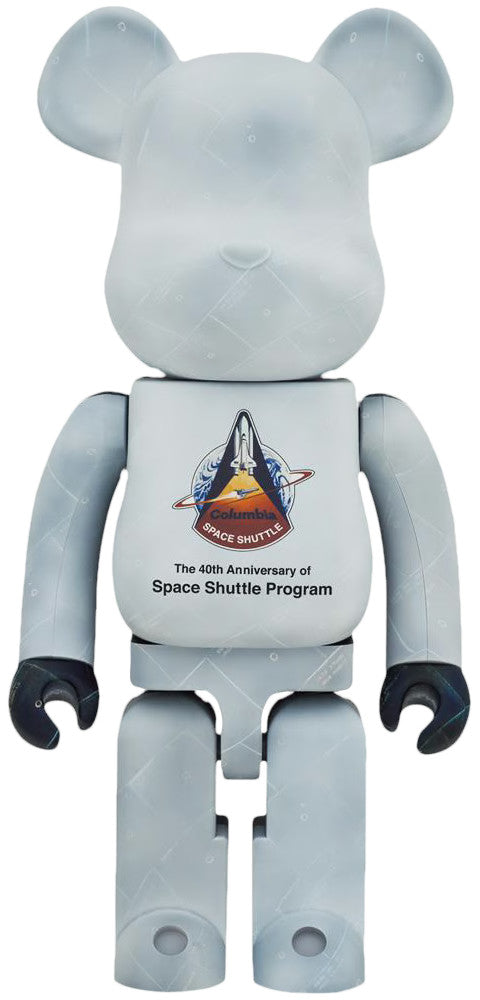
BE@RBRICK NASA Space Shuttle 40th Anniversary 1000% Medicom Toy Bearbrick
$600.00 USD
-
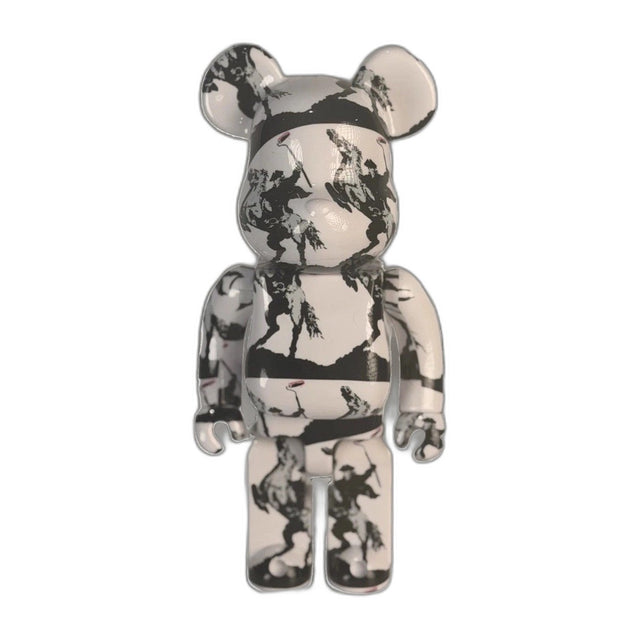
BE@RBRICK Brandalism Sync Banksy Medicom Toy Art Figure du-al.io Authenticated
$199.00 USD
-
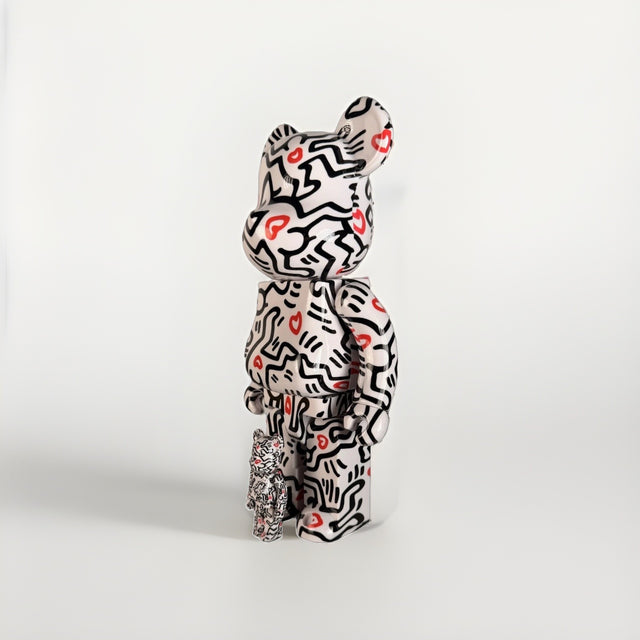
BE@RBRICK Keith Haring 400% + 100% Set Medicom Toy Bearbrick Foundation Art New
$199.00 USD
-
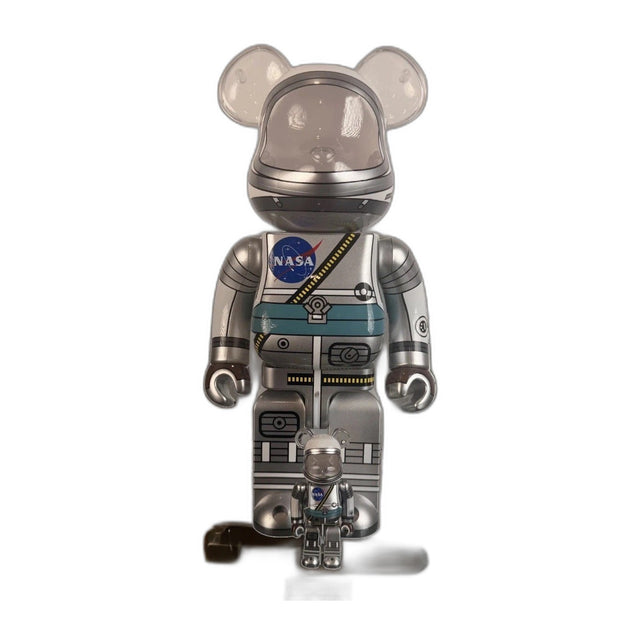
Bearbrick BE@RBRICK Mercury Astronaut 400% 100% Set NASA Medicom Toy Sealed New
$225.00 USD
-
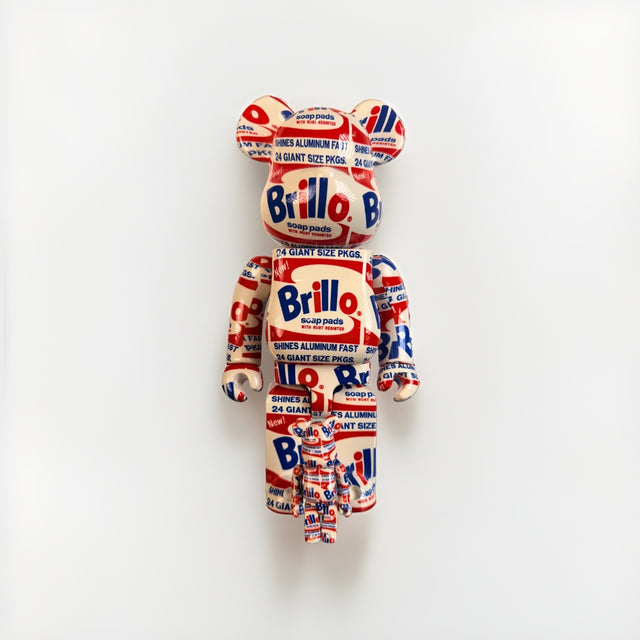
Bearbrick BE@RBRICK Andy Warhol Brillo 400% 100% Set Original 2020 Medicom New
$275.00 USD
Browse the collection for current listings.