
Collector Library
Authentication FAQ
Straight answers on certificates, COAs, and how every piece at Gauntlet Gallery is authenticated. Authentication is category-specific — the recognized authority for one discipline cannot certify another — so we ground every answer in the right chain for each artist. Read this before you buy, and buy with confidence.
Certificates & COAs
What is a Certificate of Authenticity (COA)?
A Certificate of Authenticity is a signed document that formally attests a work is genuine — typically stating the artist, title, medium, edition, and date. A COA carries weight only when it comes from a party with real authority: the artist, their estate, the publisher, or a recognized authentication service. At Gauntlet Gallery, every certificate is paired with a verifiable record so a buyer can confirm the details rather than relying on paper alone. Verify a COA →
What is a Letter of Authenticity (LOA), and how is it different from a COA?
A Letter of Authenticity is a letter — rather than a formal certificate — issued by an authenticator or dealer affirming that a work or signature is genuine. It is common in autographs and memorabilia. Like a COA, its value depends entirely on the credibility of the issuing authority: a letter from a respected third-party authenticator with a matching certification number is far stronger than an anonymous one.
Does a COA by itself guarantee a work is authentic?
No. A COA or certificate supports authenticity, but it does not by itself guarantee it. Confidence is built when the certificate, the provenance, and physical inspection of the work all agree. A certificate is only as trustworthy as the body that issued it, and a document alone — with no verifiable record and no supporting provenance — proves little. This is why we treat the certificate as one link in a chain, never the whole story. See how to spot a fake →
What is an authentication chain?
An authentication chain is the specific, unbroken sequence of documents and bodies that establishes a work as genuine — for example, a publisher or artist COA plus a matching seal plus a database or provenance record. Chains are artist-specific and should never be mixed or substituted between artists. A music authenticator cannot certify a space artifact; the recognized authority for one category has no standing in another. See the collector glossary →
What is a certificate number, and why does it matter?
A certificate number is a unique identifier that ties a certificate to a single work and, ideally, to a verifiable registry entry. A number that can be checked against an official database is far stronger than one that cannot. When you receive a certificate, confirm that its number matches the piece and resolves to a live verification record — matching numbers across the document, the seal, and the online record are what make a certificate defensible at resale. Look up a certificate number →
How many layers of authentication does Gauntlet Gallery use?
Every item runs through a multi-layer stack: a category-specific third-party certifier where one applies, a physical certificate with a tamper-evident seal, and, for select works, a blockchain-anchored digital record. That means most pieces carry three tiers — physical, digital, and blockchain — so the authentication holds up at every point in the future ownership chain.
What does a piece go through before it earns a Gauntlet Gallery COA?
Every piece passes a structured sequence of gates before it is certified: source verification and chain-of-custody review; a material and craft examination; a historical and contextual review against known examples; an expert panel review by specialists with category knowledge; a condition and integrity assessment; and final documentation and approval. If the source cannot be verified, the piece does not advance. Only after documentation is complete does a piece enter the curated selection.
What is provenance, and why is it central to authentication?
Provenance is the documented ownership history of a work, from creation to the present — gallery receipts, invoices, exhibition records, and prior sales. Strong provenance supports authenticity and value; gaps in provenance are a reason for caution. For several artists who have no central authentication body, provenance is the primary basis for authentication, which is why we source only from licensed galleries, verified estates, and auction houses with a documented chain of custody.
Authentication by Artist
How are Shepard Fairey (OBEY) works authenticated?
Shepard Fairey works are authenticated provenance-first, supported by physical tells — the pencil signature and date, edition marking, paper, and printing. Fairey has no central authentication body, and his studio does not operate a separate third-party authentication program; authentication rests on studio provenance and a direct supply chain from licensed publishers and galleries. There is no Pest Control equivalent for Fairey, and we never claim one.
How are Death NYC works authenticated?
Compare the signature, edition marking, paper, image and accompanying artist documentation. Certificate and seal formats can differ by edition. The product listing identifies the documents supplied with that particular work; ask for clear photographs when needed.
How are KAWS and BE@RBRICK figures authenticated?
Compare the exact release, maker marks, finish, dimensions, packaging and source history. Manufacturer NFC features apply only where documented for the release. KAWS and BE@RBRICK figures are not authenticated through TrueCOA; review the item listing for the evidence supplied with that figure.
How are Andy Warhol works authenticated?
Review the actual publisher, production context, edition references, markings and provenance supplied with the work. Lifetime editions, later publisher editions and reproductions are different categories. A TrueCOA record may document selected items where expressly listed, but it does not independently establish Warhol authorship.
How is signed music memorabilia authenticated?
The individual listing identifies the autograph documents included, such as Beckett Authentication Services, JSA or PSA/DNA documents where present. Do not assume multiple certifications or tour use. Match any certificate to the object and check its issuer records where available.
How is signed sports memorabilia authenticated?
Signed sports memorabilia is authenticated by the same recognized third-party autograph authorities used across the collectibles market: Beckett (BAS), PSA/DNA, and JSA. Each issues a verifiable, serial-numbered certification that a buyer can confirm in the authenticator’s online database.
How are space and astronaut items authenticated?
Space collectibles — mission patches, flown artifacts, and astronaut autographs — are authenticated by Zarelli Space Authentication, the category-specific authority for spaceflown material, with JSA applied where applicable. Each piece includes documentation tracing provenance to the originating mission, program, or crew member. Read more on authentication →
How are Banksy works authenticated, and does Gauntlet issue Pest Control?
Pest Control is Banksy’s own authentication body — it is the only entity that issues genuine certificates for Banksy works. Gauntlet Gallery does not issue and never claims Pest Control certification. For Banksy items, we work provenance-first, relying on documented ownership history and the supporting records that accompany a piece.
How are Invader works authenticated?
Invader has no Pest Control-style central authority. Invader works are authenticated provenance-first, drawing on records such as a Space Shop invoice, invasion documentation, and gallery records. We never substitute another artist’s chain or claim a certifying body that does not exist for this artist.
How are D*Face, Cleon Peterson, and Mr. Brainwash works authenticated?
These artists have no central authentication authority. Their works are authenticated with a gallery-issued COA plus provenance — the certificate paired with a documented chain of custody from licensed publishers and galleries. As with all provenance-first artists, the strength of the record, not a single piece of paper, is what builds confidence.
Third-Party Authenticators
What is PSA / PSA-DNA?
PSA is Professional Sports Authenticator, a leading third-party grading and authentication company. Its PSA/DNA service authenticates autographs and memorabilia, issuing a serial-numbered certification that can be verified in an online database. It is one of the recognized standards we use for signed music and sports material.
What is JSA (James Spence Authentication)?
JSA, or James Spence Authentication, is a widely respected third-party authentication service specializing in autographs and signed memorabilia. A JSA letter or sticker with a matching certification number is a recognized standard in the signed-collectibles market, and we accept no music memorabilia below the PSA or JSA standard.
What is BAS / Beckett Authentication?
BAS is Beckett Authentication Services, a major third-party authenticator of autographs and memorabilia. Like PSA and JSA, Beckett issues verifiable certification numbers, and pieces carrying multiple respected letters generally command more confidence. Graded Beckett items in strong condition can command a meaningful premium at resale.
What is Zarelli?
Zarelli Space Authentication is a specialist service that authenticates spaceflown and space-program artifacts and autographs. In a field crowded with reproductions, a Zarelli opinion is the benchmark for astronaut signatures and flown items, which is why it is the category-specific authority we use for space memorabilia.
What is TrueCOA?
TrueCOA is a documentation and certificate record used for selected works where the listing expressly identifies it. Compare the record with photographs and source evidence for the object. A digital certificate records information; it does not independently establish authorship or replace the named third-party documents.
What is TrueCOA, and how does blockchain authentication work?
A digital certificate can record item details and supporting evidence. Check the specific record and included documents rather than assuming that a ledger proves authenticity. TrueCOA is not used to authenticate KAWS or BE@RBRICK figures and is separate from manufacturer NFC features.
Why does Gauntlet use a different authenticator for each category?
Different categories require different evidence. An autograph opinion does not establish an object's flown status, and a manufacturer feature does not authenticate a print. Compare the individual object with its release, publisher or source records, physical details and the named documents supplied with the listing.
Your Due Diligence
What should I check before buying an authenticated work?
Confirm three things in agreement: the provenance (invoices, receipts, and ownership history), the certificate, and the physical work itself. Check that the certificate names the correct artist, title, edition, and date, that its number matches the piece, and that the number resolves to a live verification record. Ask for the documented chain of custody. When provenance, certificate, and inspection all line up, you can buy with confidence. Read the buyer’s guides →
Why do matching certificate numbers matter?
A certificate number ties a document to a single specific work. If the number on the certificate matches the seal, the packaging, and — critically — a live online verification record, the certificate is defensible. A number that cannot be checked against an official database, or that does not match the piece it is sold with, is a warning sign. Always confirm the numbers agree before you pay.
Is visual inspection alone enough to confirm authenticity?
No. Visual inspection is necessary but not conclusive on its own. Physical tells — signature, edition marking, paper, printing, seals — support a conclusion, but skilled reproductions can imitate surface features. Authenticity is established when inspection is combined with verifiable provenance and a certificate from a body with real authority. No single one of the three is sufficient alone. Learn the tells →
Why do provenance and invoices matter so much?
Provenance and invoices document where a piece came from and who has owned it. A complete chain of custody — from a licensed gallery, verified estate, or auction house — is often the strongest evidence available, and for provenance-first artists like Shepard Fairey, Banksy, and Invader it is the primary basis for authentication. Gaps in that record are a reason to slow down and ask questions before buying.
Can I verify a Gauntlet Gallery certificate after I buy?
Yes. Certificates issued by Gauntlet Gallery can be verified online at any point in the future ownership chain — enter your COA code or scan the QR code from your physical certificate to reach the live digital verification record. For blockchain-anchored certificates, the transaction hash on the Polygon ledger can be independently verified without trusting any central party, including us. Verify your certificate →
Is Gauntlet Gallery affiliated with any artist, estate, or authentication body?
No. Gauntlet Gallery is independent and is not affiliated with any artist, estate, or authentication body. We use named third-party documents where supplied, such as Beckett, JSA, PSA or Zarelli records — and provenance-first methods where no central body exists, but a certificate supports rather than by itself guarantees authenticity. Provenance, physical inspection, and the certificate together are what build confidence.
Available at Gauntlet Gallery
Explore current pieces available from the gallery.
-

1963 Farquhar Earth in Space Transparent Celestial Globe 16" Compass VTG
$699.00 USD
-

1967 Beatles Richard Avedon STERN Original Posters Set of 4 Linen Backed Copy
$999.00 USD
-
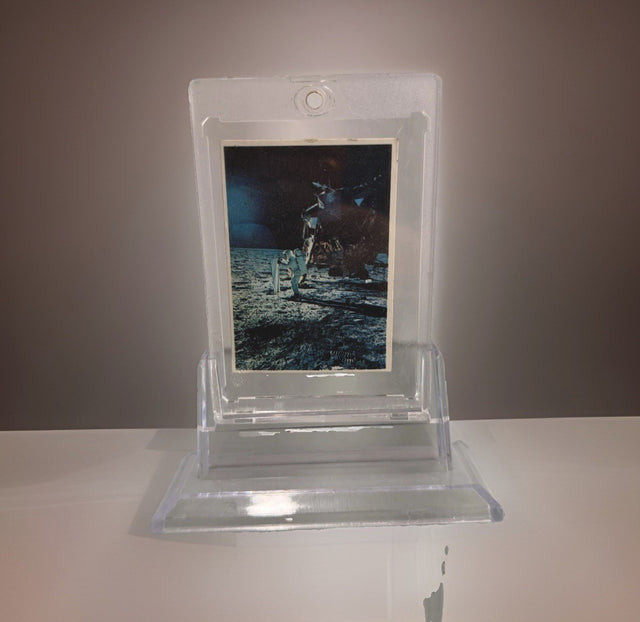
1969 Space Candy Buzz Aldrin Apollo 11 On The Moon Card #19 Taylor-Reed Display
$59.00 USD
-

1980 Polo Player Green Pink Chalk Pastel Bears Andy Warhol Signature AS-IS
$399.00 USD
-

After Andy Warhol Moon Landing Line Drawing 5/50 w/ Astronaut Autographs As-Is
$175.00 USD
-

After John Lennon "I Do" Framed Print, Marked A/P Unverified
$99.00 USD
-

After Roy Lichtenstein I Love Liberty Framed Pop Art Print
$75.00 USD
-

Alice in Wonderland DNYC –$1 Dollar Bills Signed & Numbered Rare
$90.00 USD
-

Alkaline Trio Signed Acoustic Guitar Pickguard Autograph PSA/DNA AN21501
$100.00 USD
-

Andy Warhol The Beatles 1980 Vintage Poster Framed Pop Art Times Books Stokes
$349.00 USD
-

Angels & Airwaves — “Valkyrie Missile: A Brighter Tomorrow”
$89.00 USD
-
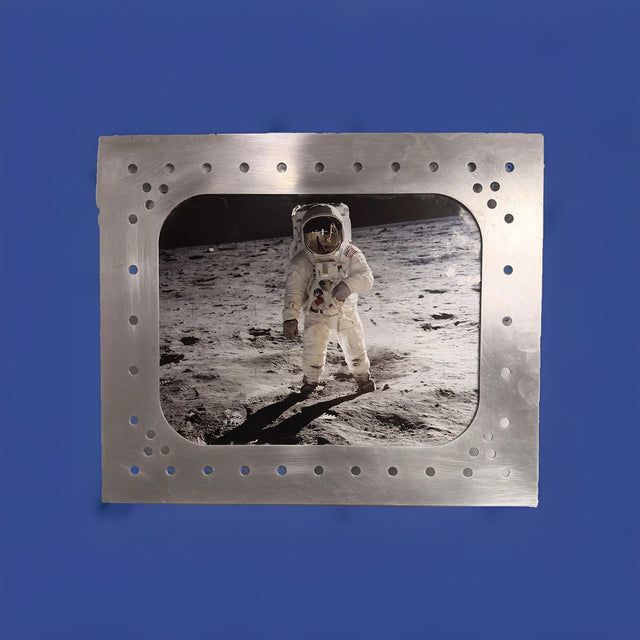
Apollo 11 Astronaut on the Moon NASA Photo Riveted Aluminum Spacecraft Frame
$89.00 USD


Browse the collection for current listings.