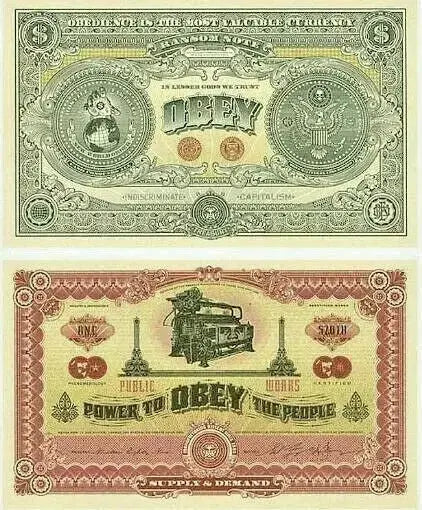
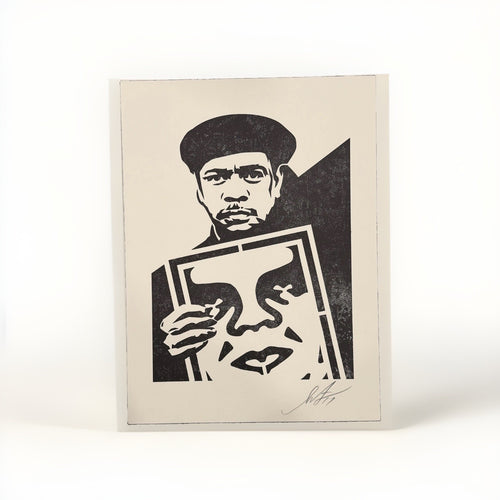
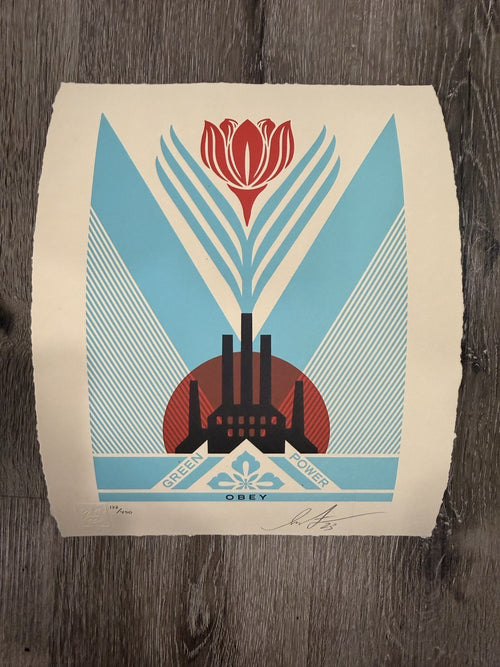
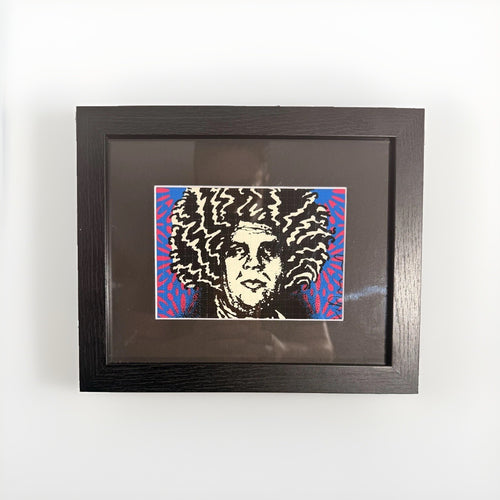
The value of a Shepard Fairey lotus print, like any of his works, is influenced by a confluence of factors including its specific edition, condition, rarity, and the current demand for that particular image. While the aesthetic appeal of floral motifs can drive significant decorative interest, true collector value is often tied to the print's documented provenance, scarcity within its edition, and its overall condition. Understanding these elements is crucial for any collector navigating the market for Fairey's symbolically rich floral works. At Gauntlet Gallery, our extensive Shepard Fairey Print & Fine-Art Index documents 2,623 OBEY Giant works, including many that feature the intricate and meaningful floral and ornamental symbolism that captivates collectors. Approximately 29% of these documented works have recorded market ranges, offering a qualitative benchmark rather than definitive pricing. Collectors should always review sold comparables and seek expert advice when assessing potential acquisitions.
Shepard Fairey's artistic oeuvre is renowned for its powerful social commentary, striking graphics, and a deep engagement with iconography that transcends mere decoration. Within this vast body of work, a significant and increasingly appreciated category is his exploration of nature and floral symbolism. Prints featuring lotuses, mandalas, roses, and other botanical elements are not merely beautiful; they are imbued with layers of meaning that connect to broader themes of peace, enlightenment, environmentalism, and the delicate balance of power. For collectors, understanding this symbolic depth is key to appreciating the enduring appeal and potential value of these pieces.
The Enduring Symbolism of Floral Motifs in Fairey's Art
Shepard Fairey often employs universal symbols to communicate complex ideas, and floral motifs are no exception. The lotus flower, for instance, is a recurring symbol across many cultures, representing purity, enlightenment, rebirth, and spiritual awakening. Its ability to rise from murky waters untainted makes it a potent metaphor for resilience and hope in challenging environments. Similarly, the mandala, an intricate geometric configuration of symbols, often represents the cosmos or a spiritual journey, inviting contemplation and a sense of harmony.
These motifs are not used in isolation but are often integrated into Fairey's signature style, blending graphic design with fine art. They appear alongside his iconic OBEY imagery, portraits of cultural figures, or within compositions addressing political and environmental concerns. This fusion elevates the floral elements beyond simple ornamentation, transforming them into powerful visual statements. For example, a lotus might be depicted against a backdrop of propaganda or consumerist imagery, creating a poignant contrast that underscores Fairey's message of seeking truth and peace amidst chaos. Other floral elements, such as roses or poppies, might carry connotations of beauty, fragility, remembrance, or even resistance, depending on their context within a particular print. This deliberate layering of meaning is a hallmark of Fairey's genius and contributes significantly to the intellectual and aesthetic appeal of these works for discerning collectors.
“I want to make art that stimulates people to think about their surroundings and question the status quo. Symbols, whether floral or otherwise, are incredibly effective tools for this.” – Shepard Fairey (paraphrased from various interviews on his artistic philosophy)
Navigating the Market for Floral Editions: Decorative Demand vs. Edition Scarcity
When considering the value of Shepard Fairey's floral prints, it is essential to distinguish between decorative demand and the intrinsic value derived from edition scarcity and provenance. Many of Fairey's works, especially those with appealing floral designs, attract buyers primarily for their aesthetic qualities and their ability to enhance a living or working space. This decorative demand can be robust, particularly for visually striking pieces that resonate with a broad audience.
However, true collector value, which often appreciates over time, is more closely tied to the print's specific characteristics as a limited-edition fine art piece. Factors such as the edition size, the medium (e.g., screen print, lithograph, offset print), whether it is signed and numbered, and its condition, all play a critical role. A small-edition screen print with a clear provenance will typically command a higher value than a larger-edition offset lithograph, even if both feature similar floral motifs and are equally aesthetically pleasing. Collectors should educate themselves on these distinctions to make informed acquisition decisions. Our Shepard Fairey Price Guide offers further insights into the factors that influence market value.
Consider the following aspects when evaluating a floral print:
| Factor | Impact on Value |
|---|---|
| Edition Size | Smaller editions generally command higher values due to rarity. |
| Medium | Screen prints and unique works (e.g., hand-embellished) often hold more value than open-edition posters. |
| Condition | Pristine condition (no creases, tears, fading) is paramount for retaining value. |
| Provenance | A clear, documented history of ownership from the original release enhances credibility and value. |
| Signature & Numbering | Hand-signed and numbered editions are typically more desirable than unsigned or open editions. |
Documenting Your Investment: What Every Buyer Should Secure
For any serious collector, proper documentation is not merely a formality; it is a critical component of preserving and potentially enhancing the value of your Shepard Fairey floral print. A comprehensive record of your acquisition provides invaluable support for future authentication, insurance claims, and potential resale. Without adequate documentation, even a genuine and rare print may face challenges in the secondary market.
When acquiring a Shepard Fairey print, especially one with significant market interest, ensure you obtain and retain the following:
- Original Purchase Receipt: This should detail the seller's information, date of purchase, purchase price, and a clear description of the artwork.
- Release Documentation: Any official release information from the publisher, gallery, or Fairey's studio (e.g., website screenshots, email confirmations from the original drop) that confirms the print's edition, release date, and specifications.
- Photographs: High-resolution images of the front and back of the print, including close-ups of the signature, numbering, publisher's chop (if applicable), and any unique identifying marks.
- Condition Report: A detailed assessment of the print's condition at the time of purchase, noting any existing flaws or pristine status.
- Previous Ownership History (Provenance): A clear chain of ownership from the original release to your acquisition. This is paramount for establishing authenticity.
Maintaining these records in a secure, organized manner will serve as a robust testament to your print's authenticity and history. For further guidance on what to look for, consult our Shepard Fairey Buyer's Guide.
Authentication and Provenance: The Pillars of Trust
Authentication for Shepard Fairey prints hinges on a coherent provenance chain, robust release documentation, and a thorough physical inspection of the artwork. It is a common misconception that a signature alone guarantees authenticity. While a hand-signature is a desirable feature of many limited editions, it is not, by itself, sufficient to authenticate a print. The market has seen instances of forged signatures, underscoring the necessity of a holistic approach to verification.
Shepard Fairey does not issue Certificates of Authenticity (COAs) for his prints. Therefore, collectors must rely on the strength of the print's documented history. A strong provenance demonstrates a clear, unbroken chain of ownership from the original release by Fairey's studio or an authorized gallery. This history, combined with matching release details (such as edition size, dimensions, and paper stock) and a careful physical examination for consistency with known genuine works, forms the bedrock of authentication. Any inconsistencies or gaps in this documentation should be a red flag for potential buyers. We strongly encourage collectors to review our guide on How to Spot a Fake Shepard Fairey for detailed insights into this critical process.
Frequently Asked Questions About Shepard Fairey Floral Prints
What makes a Shepard Fairey floral print valuable?
The value of a Shepard Fairey floral print is determined by several factors, including its rarity (edition size), condition, the specific medium used (e.g., screen print vs. offset), whether it is signed and numbered, and its provenance. The aesthetic appeal and symbolic depth of the floral motif can also contribute to demand, but scarcity and documented history are key for long-term collector value. Prints with a clear history from their original release and in pristine condition tend to hold greater value.
How can I ensure the authenticity of a Shepard Fairey lotus print?
Authenticating a Shepard Fairey lotus print requires a diligent review of its provenance, which means a clear and documented chain of ownership from the original release. You should also seek original release documentation (e.g., gallery receipts, studio confirmations) and conduct a thorough physical inspection of the print for consistency with known genuine examples. It is crucial to remember that a signature alone does not guarantee authenticity, as Shepard Fairey does not issue COAs for his prints.
Do all Shepard Fairey floral prints have the same value?
No, the value of Shepard Fairey floral prints varies significantly. Factors such as the specific image, the edition size (smaller editions are often more valuable), the print's condition, and its historical significance within Fairey's body of work all play a role. For example, a rare, early screen print with a lotus motif might command a much higher value than a more widely released offset lithograph or poster featuring a similar design. Researching specific editions and reviewing sold comparables is always recommended.
Explore the World of Shepard Fairey at Gauntlet Gallery
Understanding the nuances of Shepard Fairey's floral and ornamental prints, from their profound symbolism to the critical factors influencing their market value, empowers collectors to make informed decisions. At Gauntlet Gallery, we are dedicated to providing resources and access to authentic works that enrich your collecting journey. We invite you to explore our curated selection of Shepard Fairey prints and collectibles, where you can discover pieces that resonate with your aesthetic and collecting goals. Our team is available to assist you in navigating the market and ensuring that your acquisitions are both meaningful and well-documented.