AI-generated interior concept using product reference photography; setting, scale and framing are illustrative.
Integrating synthetic, graphic-heavy contemporary pop sculpture into traditional architectural woodwork requires an understanding of high-contrast balance. Deeply stained american walnut, characterized by organic grain, low reflectivity, and rich chocolate undertones, presents an absorbing visual sink. Against these dark wooden surrounds, the metallic silver surface of the Medicom Toy Project Mercury Astronaut figure offers a striking visual counterpoint. The design draws direct visual inspiration from the pressure suits worn during NASA early orbital missions, featuring crisp silver finishing, detailed harness straps, a teal waist band, and the classic blue NASA meatball logo across the upper chest.
Choosing between the expansive volume of a single large sculpture and a distributed multi-figure arrangement changes the physical flow of a residential study. Designers must evaluate how reflective metallic finishes interact with warm ambient lighting, how structural scale alters sightlines across millwork, and how graphic accents interlock with dark architectural trim. By comparing the imposing presence of a single 1000% scale sculpture against the subtle, layered rhythm of a 400% and 100% paired set, this essay outlines clear interior curation strategies for traditional paneling.
1. Material Contrast: Cool Metallic Vinyl Against Deep Warm Grain
Walnut paneling provides a grounded matte backdrop with complex organic lines. Placing a smooth, metallic silver surface against dark timber creates an immediate play of light and shadow. The reflective silver skin of the astronaut suite bouncing soft warm lamplight provides a crisp focal point inside dark wooden alcoves or open shelving niches.
The figure features precise mechanical print details, including linear stitching patterns on the legs, circular gauges, a printed chest harness, and dark trim around the wrists. These hard-edged graphic elements introduce a controlled engineering motif that breaks up the continuous flow of natural wood grain. Rather than clashing, the precision-printed suit graphics act as structural accents within the room, mirroring the sharp joinery lines of custom cabinetmakers.
Selecting between scale profiles for a residential library requires balancing physical presence against the density of existing room architecture. A single BE@RBRICK NASA Project Mercury Astronaut 1000% Medicom Toy Bearbrick Space delivers an immediate architectural anchor. Its substantial scale creates a definitive stop for the eye across large open spans of vertical timber. The broad silver torso catches ambient illumination, converting warm overhead or direct lamp sources into soft specular highlights that contrast directly against matte walnut grain. However, deploying a figure of this size demands dedicated spatial volume; inserting it into tighter shelving compartments risks visual congestion, where the graphic details of the helmet visor, chest gauges, and teal harness feel compressed rather than deliberate.
A primary design tradeoff involves managing specular reflection against deep timber tones. High-gloss chrome or smooth metallic paint on a large figure acts like a curved mirror. In a room dominated by dark, light-absorbing surfaces like American black walnut, a large silver object captures every ambient light source, turning pinpoint fixtures into sharp highlights. When placing the 1000% scale figure, designers must consider how direct directional light bounces off the rounded head and torso. Unshielded spotlights can create harsh glare spots that distract from the surrounding grain patterns. Indirect, diffused warm lighting softens these reflections, allowing the silver surface to glow evenly against dark wood rather than emitting sharp hot spots.
Conversely, the Bearbrick BE@RBRICK Mercury Astronaut 400% 100% Set NASA Medicom Toy Sealed New introduces rhythm through varied height and placement flexibility. The 400% scale figure nests naturally into standard bookshelf bays, offering a balance of reflective surface area and graphic precision. The accompanying 100% figure allows for micro-level repetition, whether positioned adjacent on the same shelf, paired with architectural books, or elevated on a dedicated pedestal tray. The trade-off lies in visual impact: two smaller forms break up the silver mass into distinct points of light rather than creating one unified, sweeping reflective field.
Working with the two-figure set requires a deliberate staging strategy. Placing the 400% figure alongside dense, dark book spines creates a tight juxtaposition of light and heavy textures. The graphic details, such as the printed chest harness and suit seam detailing, gain legibility when illuminated by close-proximity shelf lighting. Meanwhile, the 100% figure serves as an accent that can bridge the main display area with surrounding furniture. Placing the smaller figure on a marble coaster, a brass tray, or a walnut side table extends the metallic theme across different furniture heights without overwhelming the room layout.
Consider a hypothetical reading room measuring 14 feet by 18 feet with 9-foot ceilings, fully wrapped in dark oiled walnut millwork. The room features a continuous run of recessed shelving along the east wall, accented by warm 2700K LED tape lighting concealed beneath each shelf lip. In this scenario, placing a 1000% figure inside a central, open-backed lower niche creates an authoritative visual anchor. The warm illumination spills downward over the silver chrome paint and printed suit seam details, casting a soft halo against the exposed dark wood grain behind it. The reflective finish balances the deep tones of the timber without requiring auxiliary spotlighting.
If the same hypothetical room utilizes narrower, 12-inch-deep vertical cubbies along the entire perimeter, the 1000% scale figure would protrude beyond the shelf face, interrupting traffic flow and visual alignment. Here, the decision shifts to the 400% and 100% set. The 400% figure resides within a middle eye-level cubby, flanked by bound reference texts, catching the concealed LED wash along its chest harness and printed helmet bubble. The 100% figure sits nearby on an adjacent side table or desk surface, catching secondary light from an arm lamp. This dual arrangement creates a rhythmic dialog across two distinct horizontal planes, distributing the cool metallic silver tone throughout the warm, wood-wrapped space without overcrowding the shelf depth.
To solve lighting challenges in this hypothetical layout, a designer might specify a low-voltage magnetic track hidden inside the top shelf frame. Equipping the track with a miniature 15-degree spot lens directed at the chest harness of the 400% figure highlights the intricate suit printing while keeping the outer silhouette softly lit. For the 100% figure on the desk, an adjustable task light equipped with a matte diffuser prevents direct reflections off the figure curved helmet. This layered lighting approach preserves the tactile richness of the oiled walnut while accentuating the crisp, technical print work on both figures.
2. Analyzing the Scale Formats: 1000% vs. 400% and 100% Sets
Selecting the proper scale requires reviewing spatial density rather than simple footprint measurements. The BE@RBRICK NASA Project Mercury Astronaut 1000% Medicom Toy Bearbrick Space acts as a substantial anchor piece. Its large torso, pronounced transparent ears, and broad silver legs demand dedicated floor placement, a substantial low pedestal, or a reinforced wide shelf cutout. Availability for in-stock pieces can change over time. When positioned within an expansive dark walnut room, the high visual weight of the singular 1000% figure commands immediate attention, drawing the eye directly to its metallic shell. The expansive silver surfaces reflect the surrounding timber tones, softening the harsh industrial finish while establishing a grounding vertical focal point. However, placing a mass of this magnitude within a tight alcove risks overpowering nearby architectural paneling and obscuring delicate millwork details. The physical presence of a single large sculpture demands surrounding negative space to allow light to travel across its reflective contours without feeling cramped.
In contrast, the Bearbrick BE@RBRICK Mercury Astronaut 400% 100% Set NASA Medicom Toy Sealed New offers versatile arrangement options. The 400% figure fits neatly into standard book bays without altering shelf heights, while the tiny 100% companion piece can sit beside oversized coffee table art books, desk accessories, or architectural models to create an engaging multi-tiered vignette. Splitting the scale allows designers to introduce subtle rhythm across a multi-shelf unit. The smaller 100% silhouette acts as a repeating accent, drawing the eye along horizontal planes, while the 400% figure maintains enough stature to break up long runs of leather-bound spines or uniform book stacks. The tradeoff lies in absolute visual impact: a duo of smaller figures lacks the singleness of purpose provided by a monolithic centerpieces, requiring more deliberate surrounding styling to prevent the collection from looking scattered.
Consider a hypothetical design scenario involving a hypothetical reading room measuring 14 feet by 18 feet, featuring floor-to-ceiling American walnut cabinetry with fixed shelf intervals of 14 inches. Placing the singular 1000% figure requires removing two adjustable shelf tiers within a central display bay to accommodate its vertical height. This modification yields a dramatic focal niche, illuminated by warm overhead accent lights that bounce off the figure's silver torso and helmet graphics. The tradeoff is a direct loss of linear storage space for historical volumes and decorative urns. Conversely, specifying the 400% and 100% set in this identical hypothetical spatial layout preserves all existing shelf structures. The 400% figure stands comfortably inside a standard 14-inch opening alongside dark-toned books, while the 100% figure sits nearby on an adjacent side table or open desk blotter. While this configuration maintains full storage functionality, it redistributes the visual interest across multiple points rather than creating one decisive architectural anchor.
3. Visual Weight and Architectural Sightlines
In a library dominated by heavy built-in millwork and leather seating, visual weight dictates where an observer's eyes naturally pause. The 1000% figure holds enough physical authority to terminate a sightline at the end of a long hallway or stand comfortably beside a grand executive desk without being swallowed by the surrounding dark walnut paneling.
The smaller set functions through rhythmic repetition and detail discovery. Positioned on an eye-level shelf between leather-bound volumes, the 400% figure draws visitors in closer to inspect the micro-printed chest meters and helmet details. The 100% figure adds a sudden shift in scale, providing a play on spatial perception that encourages detailed viewing across secondary surfaces.
4. Color Accent Integration: The Blue Logo and Teal Waistband
Beyond its metallic body, the Mercury suit design incorporates subtle, highly functional accent colors that can be echoed across a room's textile palette. The classic blue NASA insignia brings a primary pop to the upper left chest, balanced by a soft teal horizontal band running across the midsection. These cool tones stand out vividly against dark walnut paneling.
Balancing Accents in a Room
To integrate these visual highlights seamlessly, consider coordinating room accessories to mirror the figure colors:
- Incorporate deep blue ceramic catchalls or desk blotters to echo the chest emblem.
- Use subtle teal accent threading in wool throw blankets or throw pillows.
- Maintain neutral dark leather upholstery so the metallic silver torso remains the central light-reflecting object.
5. Light Reflection: Transparent Visor and Metallic Suit Surfaces
Lighting plays a critical role when installing metallic vinyl art objects near dark wood surfaces. The Mercury figure features a distinct translucent helmet dome with a tinted visor design, flanked by iconic clear-tinted ears. Overhead halogen spotlights or warm LED gallery strips highlight these clear sections while reflecting off the curved silver shoulders.
Direct glare should be managed by angling light sources at forty-five degrees. When placed in a walnut bookcase, top-down accent lighting creates a soft downward glow over the figure's faceplate, casting dramatic highlights along the chest harness and leg joint seams without blowing out the crisp blue and teal painted graphics.
6. Architectural Integration: Case Study of a Hypothetical Library
Consider a hypothetical reading room measuring twenty feet by sixteen feet, featuring full-height American walnut paneling, a dark leather Chesterfield sofa, and floor-to-ceiling shelving filled with heavy architecture monographs. Designing within such an environment requires balancing deep wood tones, muted textiles, and structured shadows with objects that manage ambient light. Placing the BE@RBRICK NASA Project Mercury Astronaut 1000% Medicom Toy Bearbrick Space on a low matte slate plinth adjacent to a masonry fireplace creates an immediate bridge between historical millwork and contemporary pop sculpture. The massive scale of the 1000% figure anchors the corner, preventing the dark walnut from overwhelming the room. Its silver finish catches soft light from low-kelvin lamps, dispersing subtle highlights across its torso and helmet detailing without introducing harsh glare into the seating area. The expansive surface area of the larger silhouette reflects the broad plane of the paneling, turning what could be a dead corner into an active light generator that bounces ambient illumination back toward the center of the space.
Integrating a large glossy sculpture into a dark millwork scheme involves clear spatial trade-offs. The 1000% figure demands dedicated floor space and a neutral, non-reflective base to prevent competing sheen. If placed directly on polished wood, the dual reflections distort the visual boundaries of the sculpture. The matte slate pedestal acts as a visual shock absorber, grounding the metallic shell against the organic grain of the walnut. However, using a piece of this scale means relinquishing an entire corner floor area that might otherwise accommodate secondary seating, an umbrella stand, or a floor lamp. The designer must decide whether the priority is visual momentum or floor utility. When opting for the 1000% figure, the physical footprint dictates sightlines across the entire length of the room, forcing circulation paths to curve around its vantage point rather than allowing a straight passage alongside the perimeter wall.
Alternatively, integrating the Bearbrick BE@RBRICK Mercury Astronaut 400% 100% Set NASA Medicom Toy Sealed New inside a central bookcase bay offers a restrained, collector-focused focal point. The 400% figure rests on an adjustable walnut shelf alongside dark leather-bound volumes, while the tiny 100% figure sits atop a brass accessory tray. This arrangement keeps the vertical circulation of the room clear while creating an intimate point of discovery for anyone browsing the shelves. The bright teal harness graphics, detailed suit seams, and blue NASA meatball logo printed on the 400% chest armor provide fine-grained visual interest at close range, encouraging closer inspection rather than dominating the room from afar. The dual-scale pairing introduces a dynamic repetition of form where the smaller figure echoes the larger one, creating a layered visual cadence within the static grid of the millwork.
The primary trade-off with the smaller duo involves sightlines and shelf density. In a hypothetical library with deep ten-inch shelves, a 400% figure can easily become swallowed by surrounding books if not elevated or framed by negative space. The designer must deliberately clear at least twelve inches of horizontal shelf space and adjust upper lighting or install subtle under-shelf warm LEDs to illuminate the suit detailing. Without dedicated accent lighting, the intricate silver screen-printing and dark helmet visor graphics blend into the ambient shadows of the millwork. Furthermore, displaying items on shelves requires strict curb control over adjacent accessories; overfilling the surrounding cubic space with ornate bookends or stacked folios smothers the precise graphic lines of the Mercury pressure suit suit printing, rendering the metallic surface indistinguishable from surrounding dark reflective bindings.
To analyze a concrete design decision in this hypothetical space, suppose the client requests a focal point that breaks up an eight-foot expanse of uniform walnut shelving opposite the main entry door. The wall receives minimal direct sunlight, relying instead on 2700K ceiling recessed spotlights and a brass desk lamp. The initial proposal considers setting the 1000% Mercury figure on a freestanding pedestal in front of the center shelf bay. While this solves the focal point requirement instantly, a spatial audit reveals it restricts the walking path between the desk and the sofa, narrowing a five-foot clearance down to under three feet. The reflection from the spotlight on the 1000% figure head also creates a high-contrast hotspot at eye level when viewed from the doorway, breaking the calm, low-glare atmosphere requested for evening reading.
Evaluating the mechanical realities of the space reveals another trade-off: the proximity of the floor pedestal to the desk chair swing arc introduces potential physical collisions during daily use. Placing a static, high-luster sculpture directly in a high-traffic zone increases the risk of scuffing the lower leg joints against vacuum equipment or passing furniture edges. The high visibility of the 1000% figure also overpowers the natural grain variations of the hand-selected walnut panels behind it, reducing thousands of dollars of custom joinery to a simple, dark backdrop rather than allowing the woodwork to share center stage.
The revised decision removes the floor pedestal and selects the 400% and 100% set instead. The interior designer opens up the central shelf bay by removing three middle volumes, lining the back of that specific bay with a matte charcoal linen insert, and positioning the 400% astronaut figure squarely in the center. The 100% figure is placed off-center on the lower shelf level beside a vintage bronze caliper. The matte charcoal background absorbs excess light from the ceiling spotlights, eliminating harsh reflections on the figures while allowing the silver metallic paint and crisp chest emblem to pop against the dark surround. This alternative preserves floor circulation, controls light reflection, and integrates the space suit theme smoothly into the scholarly atmosphere of the room.
By electing to place the 400% and 100% figures inside the cabinetry, the lighting plan achieves maximum efficiency with minor mechanical adjustments. Concealed 24-volt warm micro-linear LED strips mounted behind the upper shelf lip cast a downward wash that highlights the teal waist band and chest harness print, making the silver torso glow without directing direct lumens into the viewer's line of sight. The dual presentation creates two distinct viewing zones: the 400% figure draws the eye from across the room as a sharply defined metallic silhouette against charcoal linen, while the 100% figure rewards close interaction at the desk, rewarding micro-level observation without requiring structural modifications to the primary floor layout.
Choosing between these two approaches depends entirely on how the room handles light and proportion. For spaces needing a bold single object to disrupt heavy dark furniture and fill underutilized floor space, the single large 1000% figure remains the ideal architectural choice. For designers seeking an understated, layered look that preserves floor space and encourages detailed inspection within custom cabinetry, the 400% and 100% set delivers better control over scale and composition.
7. Curation Strategy: Single Focal Anchor vs. Multi-Point Display
Deciding between a single dominant anchor and a distributed multi-figure arrangement depends on room layout. A single 1000% figure minimizes visual clutter by consolidating visual interest into one clear location. This works exceptionally well in minimalist or mid-century modern libraries where clean lines and uncluttered surfaces take priority.
A multi-point display using the 400% and 100% figures invites curated grouping. The two figures can be displayed together to demonstrate scale variations, or separated across different levels of a walnut shelving unit. This approach creates an interactive viewing experience that rewards closer inspection of fine surface detailing.
8. Final Placement Guidance and Next Design Decisions
When placing delicate vinyl art pieces on high-end wood cabinetry, physical preservation must be prioritized. Keep figures clear of direct sunlight, radiators, or high-humidity zones to prevent vinyl distortion or paint fading over time. Felt pads under the feet protect polished walnut shelves from scuffs during repositioning.
After settling on the ideal scale and spatial distribution for your primary sculpture, evaluate secondary display surfaces across your room. For smaller alcoves or side desks where a complete set is desired, consider the balanced proportions of the Bearbrick BE@RBRICK Mercury Astronaut 400% 100% Set NASA Medicom Toy Sealed New to establish a sophisticated, light-reflecting accent against your warm wooden backdrops.
Shop BE@RBRICK
Explore current pieces available from the gallery.
-
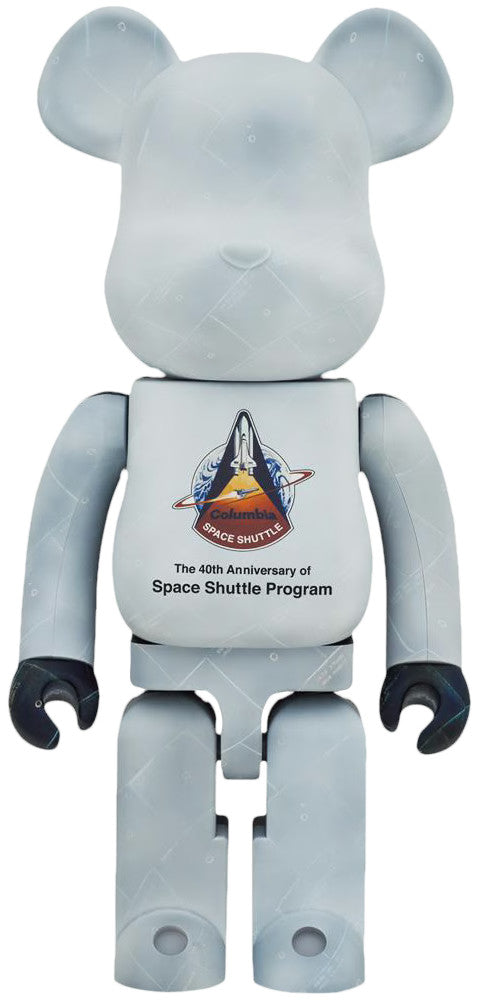
BE@RBRICK NASA Space Shuttle 40th Anniversary 1000% Medicom Toy Bearbrick
$600.00 USD
-
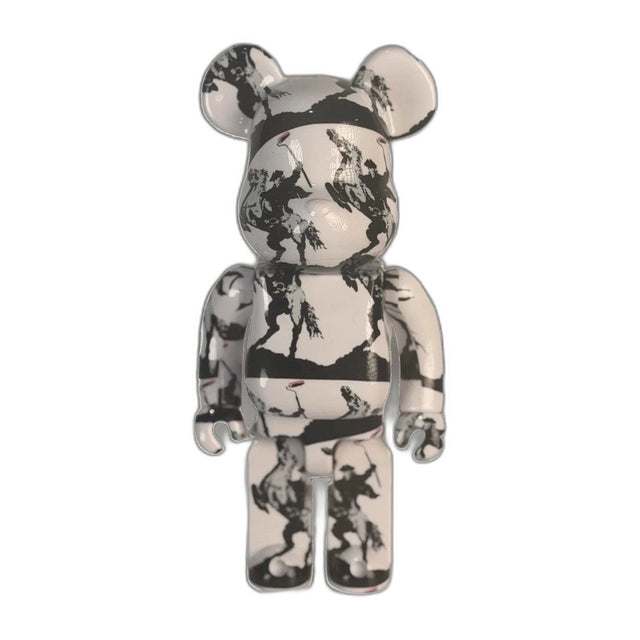
BE@RBRICK Brandalism Sync Banksy Medicom Toy Art Figure du-al.io Authenticated
$199.00 USD
-
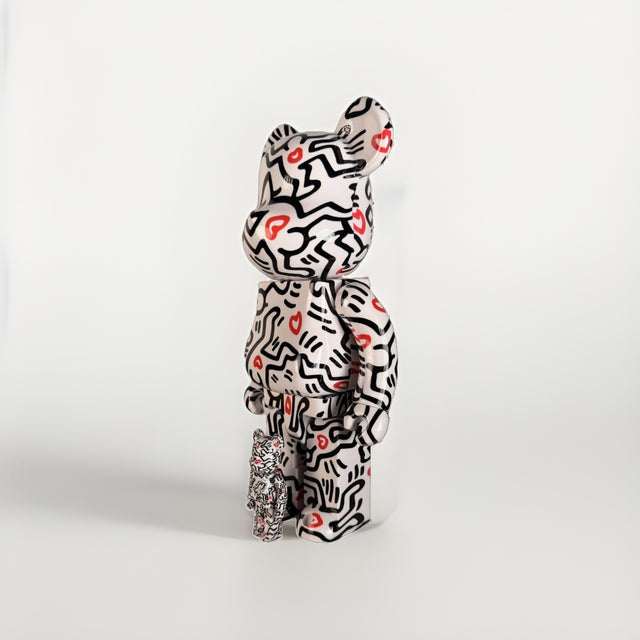
BE@RBRICK Keith Haring 400% + 100% Set Medicom Toy Bearbrick Foundation Art New
$199.00 USD
-
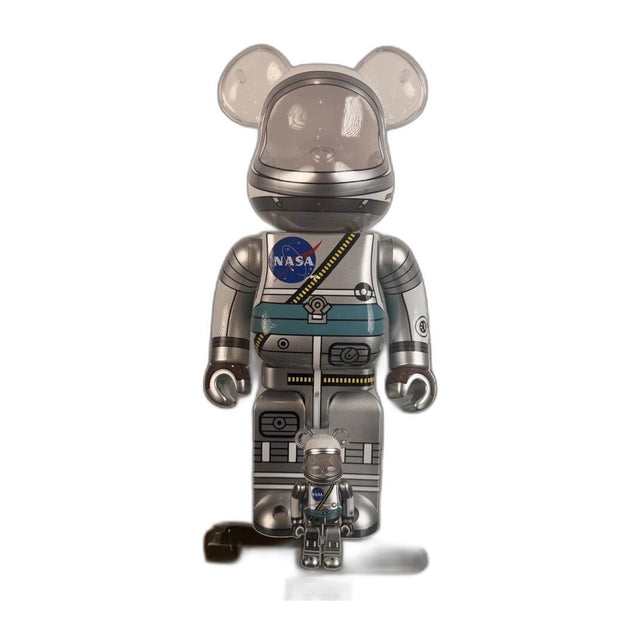
Bearbrick BE@RBRICK Mercury Astronaut 400% 100% Set NASA Medicom Toy Sealed New
$225.00 USD
-
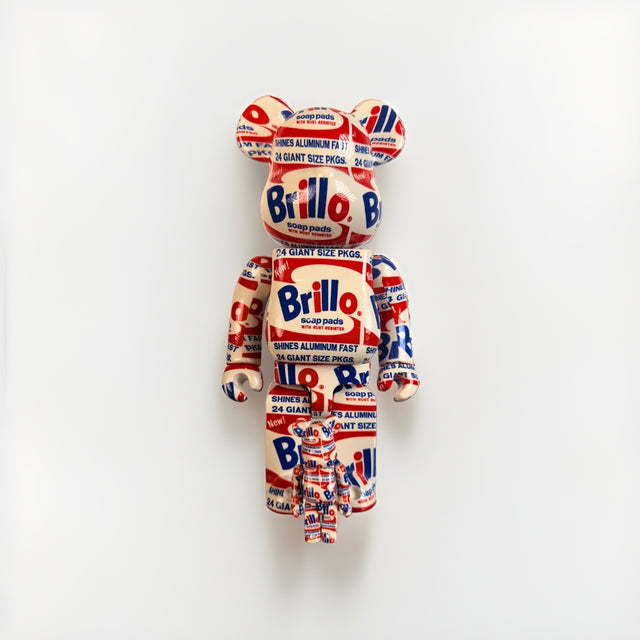
Bearbrick BE@RBRICK Andy Warhol Brillo 400% 100% Set Original 2020 Medicom New
$275.00 USD
Browse the collection for current listings.