

AI-generated interior concept using product reference photography; setting, scale and framing are illustrative.
High-gloss reflective surfaces present unique structural challenges in interior design, particularly when integrated into quiet or highly controlled residential environments. Highly polished three-dimensional objects do not merely occupy space; they continuously absorb, distort, and redistribute surrounding light and imagery. The physical presence of a high-gloss object changes drastically depending on ambient light sources, surrounding color palettes, and sightlines from seated positions. When considering three-dimensional graphic objects, understanding how light fractures across rounded geometry is vital to achieving visual harmony. The BE@RBRICK Star Wars Stormtrooper Chrome Ver 400% Medicom Toy Bearbrick New serves as an instructive design reference for these optical dynamics. While currently out of stock and unavailable for direct purchase, its glossy white body, deep black visor framing, and precise chest-plate graphics reveal how curved reflective finishes interact with light. Placing such a dynamic form requires careful attention to surface textures, viewing angles, and nearby architectural details to ensure it enhances, rather than disrupts, the room.
Designing around high-gloss objects requires treating the surrounding space as an active light participant. Every wall paint finish, window location, and furniture fabric alters how a reflective surface is perceived. Placing a high-gloss visual anchor requires balancing specular highlights against surrounding matte surfaces. This essay examines structural decisions for managing glossy figures, evaluating glare, controlling background visual noise, adjusting display height for seated sightlines, and selecting complementary objects.
Understanding Curved Specular Highlights
Specular reflection on a three-dimensional curved surface behaves quite differently than reflection on a flat glass frame or mirror. On flat surfaces, reflections are simple, predictable reproductions of opposite sightlines. On rounded surfaces, like the spherical ears, domed head, and tubular limbs of a bear-shaped figure, reflections wrap entirely around the form, compressing the entire surrounding room into tight, bright highlights. As seen in the design reference photograph of the BE@RBRICK Star Wars Stormtrooper Chrome Ver 400% Medicom Toy Bearbrick New, ambient room lighting creates distinct white hotspot tracks along the top curve of the head, the forehead, and the outer edges of the ears. These highlights are not static; they shift continuously as an observer walks across the room.
Controlling these highlights requires treating light sources as visual elements that actively map onto the object. Uncontrolled direct overhead light can create distracting, harsh flares along upper curved planes, washing out graphic details like helmet vents, brow bands, or chest controls. Diffused ambient lighting, such as indirect linear coves or architectural wall washers, produces soft gradient bands across curved shoulders and torso planes. Position glossy figures where primary light sources strike at oblique angles rather than directly head-on. This preserves edge definition while preventing direct hot-spot reflections from obscuring dark accent lines, like the continuous black visor band and lower helmet breathing filters.
Highlight Management and Surface Curvature
To preserve sharp graphic details across a glossy torso, surrounding light sources must be carefully diffuse. When diffuse light strikes a smooth white chest plate, the subtle grey line work marking the utility belt, midsection panels, and chest armor remains legible. If a sharp point-source spotlight is directed straight at the chest, the reflected beam will create a blinding hotspot that entirely obliterates fine detail. Positioning diffuse fixtures slightly to the side creates soft shadows along structural contours, enhancing three-dimensional depth while retaining clarity across graphic markings.
Balancing mirror finishes against surrounding interior textures introduces critical design tradeoffs. Placing a high-gloss, reflective shell against a polished lacquer panel or a low-iron glass backsplash results in a visual feedback loop where reflections bounce back and forth, creating distracting visual noise. The object loses its outline and dissolves into the background plane. Conversely, placing a reflective figure against matte wall finishes, such as roman clay, lime wash, or flat velvet paint, grounds the object by providing a clean, non-reflective field. The matte background absorbs ambient light while the polished ABS and PVC plastic body captures focused highlights, creating sharp graphic contrast without visually confusing the viewer.
Consider a hypothetical decision in a study measuring twelve feet by fourteen feet with an eight-foot ceiling. The primary seated eye level is forty-two inches above the finished floor, established by low-slung lounge chairs facing a custom oak millwork alcove. A display pedestal is integrated into the millwork at a surface height of thirty-six inches. If a reflective piece is centered on this pedestal, an overhead three-inch recessed fixture placed directly above it will project a harsh light ring across the upper skull and ears when viewed from the seated chairs. The bright overhead reflection aligns precisely with the sightline of anyone sitting in the lounge seating, pulling focus away from adjacent architectural features and causing visual fatigue.
To resolve this optical conflict, the lighting design must shift from direct top-down illumination to a combination of indirect perimeter coves and off-axis architectural accents. Shifting the recessed accent fixture eighteen inches forward and using a glare-reducing hex-louver baffle directs the beam onto the front plane at a forty-five degree angle. From the seated sightline at forty-two inches, the primary specular highlight moves up toward the top rear curve of the head, out of the direct line of sight. The front facial graphics, including the visor and helmet breathing filters, remain fully legible under soft, fill-light illumination reflected from nearby matte surfaces.
Sightlines across busy open-plan spaces require equal attention when placing mirror-finish figures. When a reflective object is positioned along a primary transit corridor or opposite a wall filled with patterned wallpaper, framed art, or high-contrast architectural molding, those surrounding visual elements are instantly mapped onto the rounded torso and head of the figure. The geometric graphics on the chest plate become distorted as they overlap with reflected room patterns, creating a chaotic surface texture that diminishes the piece. In spaces with busy sightlines, opting for complex surface detailing with varied elements provides a more stable presence. For instance, the Bearbrick BE@RBRICK Mercury Astronaut 400% 100% Set NASA Medicom Toy Sealed New incorporates metallic silver finishes, clear dome elements, printed chest harnesses, and suit segmentations. These varied surface textures break up specular reflections, allowing the figure to maintain its structural form and detailed graphic identity even when exposed to complex, highly populated interior backgrounds.
Matte and Gloss Contrast Strategy
Reflective objects require contrasting surface textures to establish visual grounding. Placing a high-gloss, ultra-reflective form against a high-gloss wall finish, polished marble, or lacquered cabinetry creates optical confusion. The background bleeds into the object, blurring its silhouette and making the silhouette appear unstable. To create clean definition, place glossy, light-colored figures against non-reflective, highly tactile backgrounds. Venetian plaster, ultra-matte architectural paint, raw concrete, open-grain oak, or woven linen wallcoverings absorb ambient light, providing an uninterrupted backdrop that clearly defines the object's profile.
The visual weight of a glossy object relies on this textural contrast. In the Stormtrooper design reference, the crisp white finish is accented by stark black painted details along the joints, wrist bands, visor, and helmet chin. The contrast between these deep black graphics and the bright white reflective body gives the piece an engineered visual stability. When backed by a flat, matte charcoal or deep slate wall, these black lines anchor the figure within the room's spatial grid, allowing the reflective white surfaces to pop cleanly without causing visual clutter.
Selecting Wall Finishes for High-Gloss Objects
When selecting wall finishes behind reflective three-dimensional art, avoid satin, semi-gloss, or eggshell paints with noticeable sheen. These finishes catch bounce light from adjacent windows, producing double reflections behind the figure. A flat mineral paint, lime wash, or micro-cement finish provides a clean, zero-sheen background that stabilizes bright specular reflections. Soft, light-absorbing textures eliminate competing background reflections, directing visual focus straight to the object's geometric form.
Managing Sightlines from Seated Positions
Display height determines how an object is experienced in residential spaces, particularly in living rooms, offices, and dining areas where occupants are usually seated. Eye level changes significantly between standing in a hallway and sitting on a low sofa or desk chair. Placing a glossy object on a high shelf or pedestal forces seated viewers to look upward into light bouncing off lower rounded curves, often catching direct glare from ceiling lights or high windows. For seated environments, lower displays ensure the primary visual plane aligns naturally with comfortably relaxed eye lines.
When viewing a high-gloss figure from a lower, seated perspective, light reflection patterns shift downward toward the chest and lower helmet contours. In the Stormtrooper reference image, lower torso panels, groin plate detailing, and leg graphics feature precise, thin grey and black line work. When viewed from a comfortable eye level, these midsection graphics act as a grounding visual center, balancing the bright reflection catch-lights across the head and ears. Placing the figure on a low console table or dedicated low pedestal keeps these detailed elements fully legible without straining the viewer's sightlines.
Eye-Level Alignment in Living and Work Spaces
Calculate pedestal or shelf heights based on primary seated eye level, typically between forty-two and forty-eight inches from the finished floor. Displaying a mid-scale figure so its mid-torso aligns with this sightline ensures that specular highlights wrap naturally around the top of the head without reflecting low-level ambient lamps into the viewer's line of sight. This lower alignment maintains comfortable, long-term viewing from nearby sofas, lounge chairs, or executive desks.
Navigating Busy Sightlines and Visual Clutter
A major challenge when placing reflective or high-contrast items is managing complex background sightlines. Open-plan living spaces often feature overlapping architectural elements, like staircase railings, window mullions, open shelving, or background artwork. Because glossy forms map their surroundings onto their surfaces, a busy background will bounce visible visual noise onto the figure. Vertical lines from background window frames or open shelving can distort across rounded shoulders and helmet curves, creating a fragmented, chaotic appearance.
To protect the clean geometry of a high-contrast figure, isolate its sightline within an uncomplicated visual field. Ensure that looking directly at the object reveals a clean, quiet architectural background rather than high-traffic corridors, television screens, or cluttered bookcases. A calm, uncluttered backdrop allows the object's internal geometry, such as the bold black eye band, structured ear discs, and symmetrical chest panel markings, to read clearly without competing against surrounding architectural noise.
Isolating Objects within Open-Plan Layouts
In large open floor plans, use solid room dividers, clean partition walls, or broad structural piers to create clear visual frames for detailed objects. Positioning a three-dimensional figure against a solid wall panel rather than floating it in front of a glass window or open stairwell prevents backlighting glare and keeps distracting background movement from bouncing off the polished surface.
Hypothetical Interior Layout: The Modern Executive Study
Consider a hypothetical executive study featuring dark floor-to-ceiling smoked oak wall paneling, a low-slung matte black desk, and a low leather sofa. The room receives abundant natural light from a large floor-to-ceiling side window, while warm accent illumination comes from recessed ceiling coves. In this space, an interior designer wants to incorporate a graphic, highly styled sculptural element onto a low side console running parallel to the desk, clearly visible from both the desk chair and the sofa.
If the designer selects a high-gloss, high-contrast white figure, placing it directly across from the large side window would reflect the entire window frame across its face and torso, blowing out details like the helmet graphics and waist belt paneling. Instead, the designer places the object on the console perpendicular to the window, introducing a floor-standing translucent sheer shade to diffuse direct daylight into a soft, ambient glow. The dark, matte oak walls absorb excess light bounce, creating a deep backdrop that sharply outlines the white polished silhouette. Specular highlights across the head and ears form soft, controlled bands rather than blinding glare, keeping the chest graphics clean, clear, and legible from both seated work and lounge positions.
Suppose the room features a hypothetical desk layout situated exactly three feet from the console, placing the primary sightline at a seated eye level of roughly forty-two inches. When managing highly reflective finishes, such as the mirrored surface found on the BE@RBRICK Star Wars Stormtrooper Chrome Ver 400% Medicom Toy Bearbrick New, ambient sightlines require rigorous control. A mirror-finish piece acts like a convex lens, picking up every surrounding object, color, and direct bulb in the room. If positioned near a busy bookshelf or adjacent to a brightly patterned rug, the reflective surface distorts those surroundings into visual noise, muddying the sculpture's iconic graphic lines. The tradeoff between high-sheen metallic finishes and matte surfaces becomes critical here: high-gloss chrome demands a strictly curated surrounding zone to maintain its graphic impact, whereas figures with matte textures absorb ambient light and tolerate busier background sightlines.
Evaluating Display Alternatives
As an alternative within this hypothetical room, placing the figure on a high bookshelf near the entrance would expose it to direct overhead lights, casting harsh ceiling reflections onto the forehead and washing out delicate face details. Furthermore, a high placement forces seated viewers at the desk to look upward into ambient glare. Keeping the piece on the lower side console at seated eye level creates a balanced visual anchor that complements the room's clean architectural lines without overwhelming the space.
For a different visual outcome, consider substituting the high-contrast white figure with the Bearbrick BE@RBRICK Mercury Astronaut 400% 100% Set NASA Medicom Toy Sealed New. While the Mercury suit features silver metallic elements, its combination of segmented body details, chest harness graphics, and varied surface printed sections breaks up continuous specular highlights. This structural variance allows it to maintain legibility under broader lighting conditions without creating the wide distortion field typical of uniform chrome finishes. By evaluating how specular glare interacts with room geometry, interior designers can ensure sculptural art pieces enhance the space rather than create uncomfortable reflection points.
Comparing Materiality: Translucency and Metallic Finishes
Comparing different material treatments helps clarify how light interacts with distinct surfaces. While glossy painted finishes reflect external light across opaque white bodies, tinted translucent plastics and metallic chrome finishes handle light quite differently. To examine these differences, consider a contrasting design subject: the Bearbrick BE@RBRICK Mercury Astronaut 400% 100% Set NASA Medicom Toy Sealed New. Currently in stock (though availability can change), this set pairs a clear head cowl with a metallic silver painted body, featuring detailed NASA chest insignia, harness straps, and a matching miniature secondary figure.
Unlike the opaque white surface of the Stormtrooper design reference, which relies on high-contrast black line work to define its form, the Mercury Astronaut figure uses silver metallic paint and clear plastic elements to interact with light. The clear dome helmet lets ambient light pass straight through, revealing internal shapes and subtle ambient reflections, while the metallic torso creates brilliant mirror-like highlights. These material differences dictate distinct placement strategies: opaque glossy pieces need dark, light-absorbing backgrounds to maintain high graphic contrast, whereas translucent and metallic pieces benefit from subtle backlighting or neutral side-lighting to highlight internal transparency and metallic sheen.
Light Behavior Across Translucent and Metallic Surfaces
When light strikes a clear dome finish, it refracts along the curved plastic edges, creating a luminous rim outline rather than a solid, opaque highlight. The metallic silver finish on the torso reflects surrounding room colors like a soft mirror, blending dynamically into neutral color palettes. Placing a metallic and translucent figure alongside an opaque white piece highlights the rich visual interplay between reflected surfaces, absorbed light, and transparent materials.
Integrating Scale Sets and Secondary Figures
Displaying multi-figure sets introduces secondary considerations regarding proportion, spatial rhythm, and visual weight. The Mercury Astronaut set includes two distinct scales displayed together: a primary figure and a matching miniature secondary figure. When styling a primary piece with a smaller counterpart, placing the smaller figure slightly in front creates natural foreground depth, breaking up rigid vertical lines on a display shelf.
Pairing different scale figures requires managing sightlines to keep the smaller piece from getting lost against larger background elements. In the Mercury Astronaut set, the small figure mirrors the identical suit graphics, chest strap detailing, and helmet trim of the larger piece. Positioning both figures on a clean, uncluttered surface allows viewers to appreciate these intricate graphic details at both scales, establishing a cohesive visual rhythm across the display.
Spatial Placement for Dual-Figure Displays
To highlight the scale difference in a dual-figure set, place the smaller figure slightly off-center in front of the larger figure's leg plane. This arrangement establishes a clear front-to-back hierarchy without blocking key torso graphics or helmet features on either piece. It also adds dynamic depth to flat shelving, encouraging viewers to appreciate the shared graphic details across both scales.
Designing around Display Requirements
To preserve the pristine condition of fine design objects and collectables, long-term display planning must consider environmental factors. While three-dimensional figures made from molded plastics, lacquered finishes, or vinyl are durable, their painted details and graphic markings require thoughtful placement to prevent damage over time.
Paper materials and graphic prints must be kept far away from direct sunlight, heat sources, steam, and damp environments. Direct sunlight contains ultraviolet rays that fade delicate pigments, break down clear plastics, and cause crisp white surfaces to yellow over time. Likewise, placing display shelves near heating vents, radiators, or humid bathrooms subjects materials to temperature swings and moisture, which can cause surface warping, graphic peeling, or paint degradation over time. Position valuable display pieces on climate-controlled interior walls, safely away from exterior windows, radiators, or humid areas to maintain their pristine appearance for years to come.
Long-Term Surface Protection Strategies
Maintain display pieces by dusting them regularly with a soft, clean dry microfiber cloth. Avoid harsh chemical cleaners, alcohol-based solutions, or abrasive polishes, as these can strip protective topcoats, dull glossy surfaces, or dissolve fine printed graphic details. Position display shelves away from direct HVAC air currents to prevent dust accumulation, keeping the reflective surfaces clean, clear, and spot-free.
Determining the Next Design Decision
Integrating a high-gloss, reflective graphic object into a refined room requires balancing ambient light sources, selecting complementary matte backdrop textures, managing seated sightlines, and protecting surfaces from environmental exposure. Choosing between an opaque high-contrast piece like the Stormtrooper reference or a translucent metallic design like the Bearbrick BE@RBRICK Mercury Astronaut 400% 100% Set NASA Medicom Toy Sealed New shapes how light, shadow, and reflection interact across your room's architectural layout.
Your next step is evaluating your room's primary light sources, choosing whether a space benefits most from the crisp graphic contrast of an opaque glossy finish or the dynamic light refraction of a metallic, translucent set. Carefully assessing surrounding wall textures, shelf heights, and viewing angles ensures your selected display piece serves as a sophisticated, perfectly balanced visual anchor within your overall design scheme.
Shop BE@RBRICK
Explore current pieces available from the gallery.
-
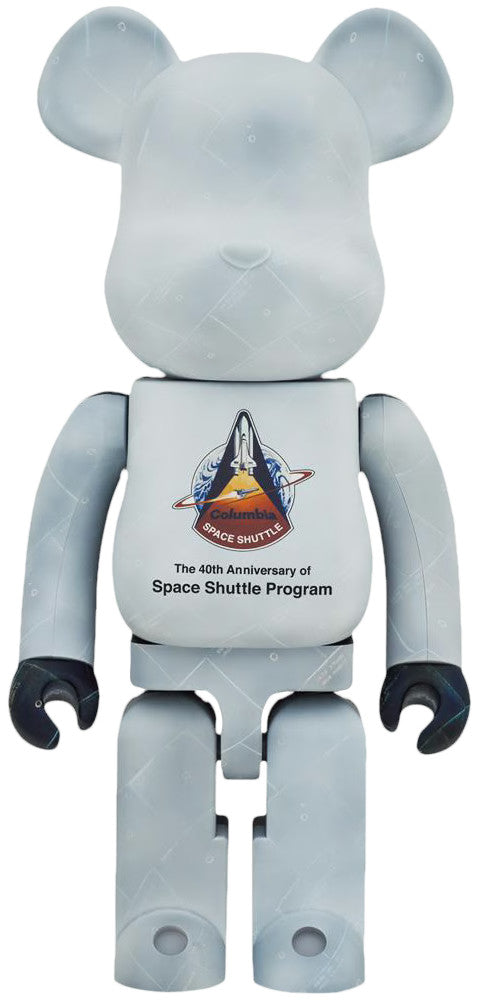
BE@RBRICK NASA Space Shuttle 40th Anniversary 1000% Medicom Toy Bearbrick
$600.00 USD
-
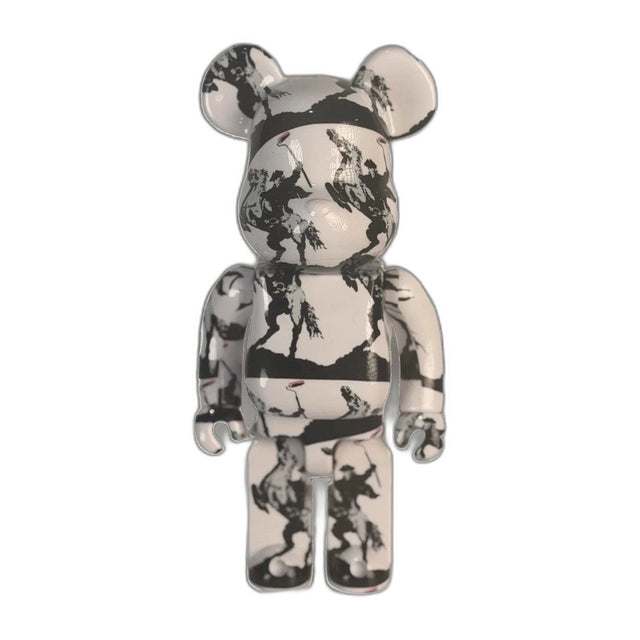
BE@RBRICK Brandalism Sync Banksy Medicom Toy Art Figure du-al.io Authenticated
$199.00 USD
-
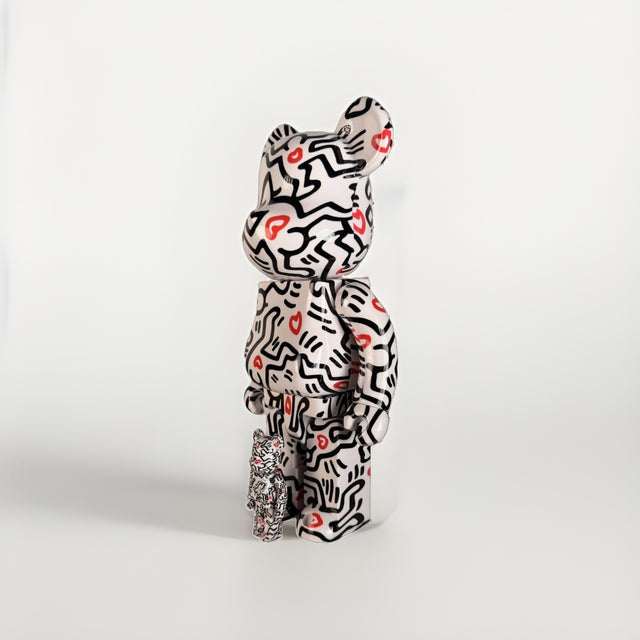
BE@RBRICK Keith Haring 400% + 100% Set Medicom Toy Bearbrick Foundation Art New
$199.00 USD
-
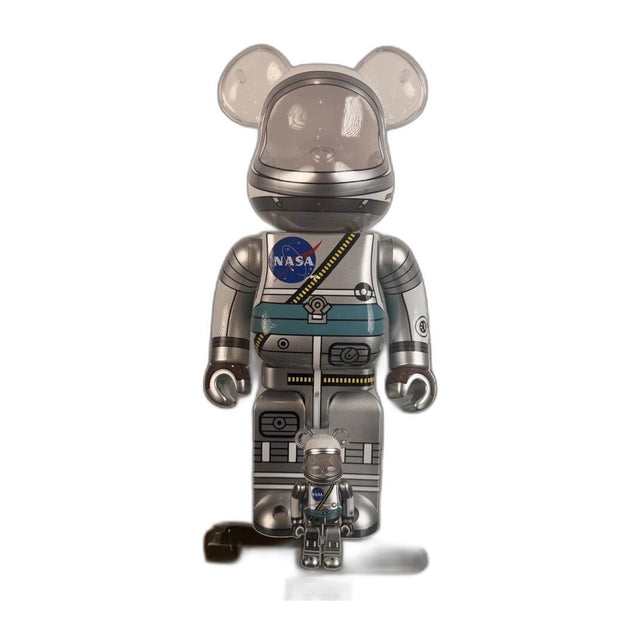
Bearbrick BE@RBRICK Mercury Astronaut 400% 100% Set NASA Medicom Toy Sealed New
$225.00 USD
-
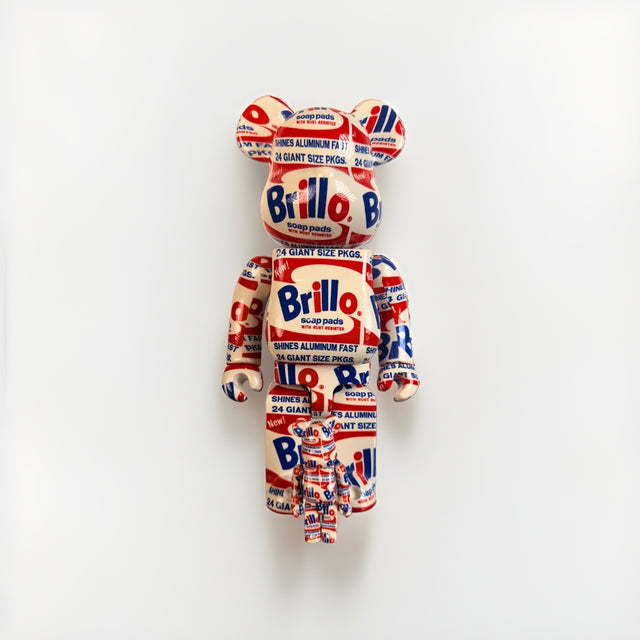
Bearbrick BE@RBRICK Andy Warhol Brillo 400% 100% Set Original 2020 Medicom New
$275.00 USD
Browse the collection for current listings.