

AI-generated interior concept using product reference photography; setting, scale and framing are illustrative.
Curating contemporary sculptural objects within refined residential interiors requires a careful balance between playful cultural references and quiet visual dignity. The integration of pop iconography often threatens to overwhelm a space with garish nostalgia or childish clutter if left unmanaged. When thoughtfully proportioned and positioned, however, three-dimensional figurative editions act as compelling anchor points that draw interest across a room. A prime example of this interplay between cinematic memory and modern spatial restraint is seen in specialized releases from Medicom Toy, which pair iconic narrative imagery with geometric, standardized bear silhouettes. These pieces serve as tactile bridges between mid-century spatial minimalism and late-twentieth-century media history.
In high-end residential projects, twilight and artificial evening illumination shift how three-dimensional forms read against architectural finishes. Glossy surfaces, translucent midsections, and printed graphics react dynamically to low-angle ambient lighting. Rather than relying on bright, overhead daylight to reveal every surface detail, evening display strategies leverage subtle highlights, interior translucency, and dark-toned finishes to create depth. By examining pieces like the Bearbrick BE@RBRICK E.T. Extra-Terrestrial Light Up 400% 100% Medicom Sealed New, designers can explore how nostalgic cinema graphics perform alongside high-gloss materials and internal lighting features. Note that this specific E.T. light-up set is currently out of stock and serves as a design reference only. Through deliberate placement, contrast management, and scale considerations, such objects maintain architectural sophistication long after the sun sets.
When specifying figurative editions in living areas, the primary design challenge centers on mitigating the visual noise that dense graphical prints introduce. Highly detailed wrap-around transfers can clash with patterned wall coverings or textured stone cladding. To resolve this tension, designers must evaluate the surrounding finish palette and light distribution. Darker ABS plastic surfaces decorated with midnight blue hues and stellar graphics absorb light differently than bright, opaque pop-art motifs. For instance, pairing a dark, celestial-themed figure with matte charcoal millwork or raw concrete creates a tonal relationship where the silhouette recedes slightly into shadow, allowing only illuminated or high-contrast elements to catch the eye.
Consider a hypothetical trade-off between saturated graphic vibrancy and contextual atmospheric mood. Placing a graphic edition on an open, sunlit white shelf maximizes print readability during daylight hours, yet it strips the object of its twilight drama. Conversely, nestling the same figure within a deep, matte-finished alcove restricts full daytime visibility but produces a dramatic focal point at night. The high-gloss finish of the molded plastic reflects soft, localized light sources without creating aggressive glare, provided ambient fixtures are positioned at indirect angles. The internal chest illumination visible in the reference model introduces a subtle, self-contained focal point, shifting the piece from a purely reflective sculpture to an active light-emitting element within a dim room.
To evaluate these material interactions in practice, consider a hypothetical worked decision for a residential library reading room measuring a hypothetical 14 feet by 18 feet. The space features dark walnut wall panels, low-voltage 2700K perimeter cove lighting, and honed limestone shelving. The objective is to introduce a nostalgic sculpture without disrupting the room's calm, nocturnal mood. The design team evaluates two potential display solutions:
Option A proposes placing a high-contrast graphic work, such as the BE@RBRICK Keith Haring 400% + 100% Set Medicom Toy Bearbrick Foundation Art New, on an eye-level open shelf directly opposite the main seating area. The stark white background, crisp black line work, and bold red accents of the Haring graphics provide high visual energy. However, under nighttime illumination, the stark white surface reflects significant ambient light, creating a bright spot that draws disproportionate focus away from the surrounding dark woodwork and architectural lighting scheme.
Option B selects a dark-toned narrative silhouette similar to the E.T. reference piece, positioned inside a recessed walnut niche illuminated solely by a hidden micro-fixture above. The deep cosmic navy palette integrates seamlessly into the dark wood joinery. During evening hours, the overall form merges with the shadow line of the niche, while the clear acrylic chest section catches light to reveal the inner vignette. The self-contained internal light mechanism within the chest provides a contained, low-intensity glow that operates independently of overhead fixtures.
The design decision favors Option B. The dark tone maintains spatial harmony across the library, preventing the sculpture from appearing as an unanchored daylight object stranded in a moody evening setting. The clear chest housing acts as an optical window, offering subtle detail for close-range viewing while preserving the quiet, atmospheric integrity of the broader interior when viewed from across the room.
This outcome highlights the importance of matching an object's surface reflectivity and inherent luminosity to the intended schedule of a room's use. Spaces configured primarily for evening relaxation demand sculptural accents that respond gracefully to low Lux levels. By selecting pieces with muted base tones or localized internal illumination, interior designers can integrate deeply personal pop culture references into luxurious settings without compromising sophisticated design standards.
Visual Structure and Narrative Graphics on Synthetic Forms
The core challenge of incorporating narrative film iconography into a curated room lies in managing dense visual graphics on curved, non-traditional surfaces. In the design reference photograph of the Bearbrick BE@RBRICK E.T. Extra-Terrestrial Light Up 400% 100% Medicom Sealed New set, the classic silhouette of the bicycle against a daytime sky and silhouette landscape is applied across the face and upper head of the 400% scale figure, with glossy black ears above. Below the sky print, a dark graphic section completes the head design. Below the head, the torso transitions into a transparent chest shell featuring internal structural mountings and a central orb graphic displaying the iconic reaching fingertips alongside film title typography. The lower limbs return to solid glossy black populated with fine white starlight speckles.
This distribution of graphic weight creates a distinct vertical hierarchy. The solid dark ears and star-dusted legs anchor the top and bottom of the figure, framing the bright visual core in the head and torso. When viewing the piece in a dimly lit setting, this composition draws the eye inward toward the central glow rather than allowing the outline to dissolve completely into shadow. The smaller 100% scale companion duplicates this graphic layout in miniature, offering a condensed echo of the primary figure. Designers must evaluate how these localized graphic panels act as focal points when situated against uniform wall finishes like matte plaster, brushed metal, or raw concrete, where the high-contrast cinematic print provides an intentional rupture in surface texture.
Integrating graphic-heavy pop sculpture into architectural millwork demands careful consideration of ambient luminance and surface reflectance. While high-contrast figurative graphics can feel overbearing under daylight or high-temperature ambient illumination, low-angle evening light shifts the balance, allowing the deeper navy field and star speckles to merge into ambient shadows while the internal torso housing remains distinct. Placing a highly graphic object near complex visual patterns, such as heavily veined marble, patterned wallpaper, or figurative paintings like the BE@RBRICK Keith Haring 400% + 100% Set Medicom Toy Bearbrick Foundation Art New, creates competing focal planes that exhaust the eye. The smooth plastic shell and hard edges of synthetic figures require architectural breathing room, functioning best when offset by tactile, organic finishes that absorb rather than bounce glare.
To analyze the practical spatial requirements of graphic toys in residential interiors, consider a hypothetical residential library setting measuring a hypothetical 14 feet wide by 18 feet long with a ceiling height of a hypothetical 9.5 feet. In this hypothetical space, dark-stained walnut cabinetry surrounds a central reading nook finished in matte dark gray limewash paint. The primary design dilemma involves choosing between a light-toned oak open shelf unit directly under a warm downlight or a recessed, dark-lacquered display niche framed in matte bronze with indirect peripheral LED strip lighting.
Selecting the light-toned open shelf unit exposes the glossy torso shell to ambient reflections, washing out the central chest motif and creating harsh highlights across the domed ears of the figure. The bright oak background strips away the sense of deep space designed into the midnight-blue paint, reducing the piece to a flat plastic outline. Conversely, choosing the dark-lacquered recessed niche eliminates direct ceiling light glare, allowing the dark form to settle naturally into the background. Under indirect low-kelvin perimeter lighting, the solid black limbs blend softly into the niche depth while the central blue illuminated core appears suspended, establishing a quiet focal point without disrupting the broader architectural tone of the room.
Balancing these graphic elements also requires managing scale relationships across adjacent furniture and display surfaces. A single 400% figure sitting in isolation on an expansive credenza can look untethered or accidental, whereas pairing it with its 100% counterpart anchors the display through deliberate variation in height. The repetition of the lunar silhouette across two distinct proportions reinforces the graphic theme without duplicating volumetric footprint. By aligning these sculptural graphics alongside structured matte materials, interior designers establish a disciplined hierarchy that honors nostalgic media imagery within an elevated, contemporary interior framework.
Managing Light, Translucency, and Evening Ambience
Evening display scenarios demand an understanding of how light interacts with varied plastic opacities. In the photo of the Bearbrick BE@RBRICK E.T. Extra-Terrestrial Light Up 400% 100% Medicom Sealed New set, the torso section utilizes a clear, colorless resin housing that exposes internal white mechanical posts and a central light-emitting core behind the graphic logo. When activated in a low-light room, the internal lighting effect produces a soft, localized glow that highlights the interior mechanics and illuminates the central spherical motif. The visual effect observed in the reference photo shows light radiating from within the clear chest casing, contrasting against the solid, opaque black finish of the arms and upper shoulders.
Integrating a light-up sculptural object into an evening lighting scheme requires avoiding direct conflicts with ambient lamps. Placing a self-illuminated or translucent figure directly beside a high-lumen table lamp flattens its internal visual contrast, neutralizing the glowing chest element seen in the catalog imagery. Conversely, placing the figure in absolute darkness isolated from room lighting turns the piece into a stark silhouette where printed details like the bicycle motif become invisible. Designers face a clear tradeoff between highlighting full surface paint details and maximizing the dramatic impact of internal translucency. Choosing a location with strong directional downlighting sharpens the surface film graphics but risks obscuring the subtle emission from the chest core. Selecting an under-lit floating shelf prioritizes internal glow, though it leaves the top silhouette in deep shadow.
Consider a hypothetical 14-by-18-foot residential library featuring dark walnut cabinetry and a warm, low-level illumination plan. To successfully integrate the E.T. edition without overwhelming surrounding art objects, the primary light source should be situated off-axis. Mounting a micro-aperture 2700K spot approximately three feet forward and two feet to the left of a dedicated shelving niche creates controlled grazing light. This specific angle keeps soft ambient wash across the printed head graphic while preventing glare on the clear acrylic chest window. Surrounding the display with matte decorative objects avoids uncoordinated reflections, ensuring the central chest motif remains the primary focal point during night viewing. When curating adjacent shelves alongside vibrant, graphic art pieces like the BE@RBRICK Keith Haring 400% + 100% Set Medicom Toy Bearbrick Foundation Art New edition, balancing light levels prevents high-contrast pop art motifs from competing with softer, self-illuminated details.
Scale Pairings and Visual Weight in Spatial Composition
The set configuration featuring both 400% and 100% scale models offers designers a flexible tool for establishing visual scale and balance on shelving or tabletops. The primary 400% figure possesses substantial visual mass, standing upright with a broad, blocky posture that holds its own on an open console. The 100% companion figure, standing at a fraction of the height, introduces an immediate sense of scale contrast when positioned directly beside or slightly in front of the larger torso, as captured in the reference photography where the miniature bear sits resting against the feet of the main figure.
This dual-figure arrangement prevents the display from feeling like a solitary, isolated toy on a shelf. Instead, the juxtaposition of identical forms at vastly different scales creates a structured micro-composition. In a minimalist interior, grouping the pair together concentrates the graphic density into a single footprint, keeping surrounding surfaces clean. Alternatively, separating the two figures across a asymmetrical shelving unit establishes a visual rhythm, leading the viewer's eye from the large dark form down to the smaller companion piece. Designers must consider the surrounding furniture scale; a massive oak sideboard easily accommodates the dual-scale grouping, whereas a narrow floating metal shelf may benefit from displaying the figures in linear succession rather than stacked depth.
Nostalgia and Materiality in Modern Residential Settings
Incorporating mid-century or late-twentieth-century pop culture references into contemporary homes can easily tilt a room toward themed commercialism if material choices are unconsidered. The E.T. edition relies on high-gloss synthetic polymers, crisp pad-printed graphics, and clear acrylic elements. To prevent these synthetic materials from feeling alien within a residential living space, they must be counterbalanced by organic, tactile materials with rich textures. Placing a glossy black, light-up plastic sculpture directly on a plastic or glass coffee table creates a cold, monochromatic sterility. However, setting the same object on a deep walnut credenza, smoked oak shelving, or honed travertine plinth creates a compelling dialogue between warm organic grains and sleek industrial synthetics.
Nostalgia operates best as an understated accent rather than the dominant theme of a room. The narrative of the film E.T. carries deep emotional resonance for many collectors, invoking themes of childhood wonder, nocturnal landscapes, and suburban adventure. The dark, atmospheric color palette of this specific BE@RBRICK edition translates those cinematic themes into a mature visual language. The black background and starry motifs tone down the overt child-like qualities of the movie, allowing the object to read as a sophisticated pop-art artifact rather than a promotional toy, making it suitable for modern studies, libraries, or media rooms.
Hypothetical Installation: A Low-Lit Evening Media Lounge
To examine concrete design tradeoffs, consider a hypothetical residential media lounge designed for nighttime entertainment. The room features dark charcoal limewash walls, a low-profile sectional upholstered in deep charcoal wool velvet, and built-in matte black oak cabinetry flanking a flush-mounted display screen. The lighting is strictly layered, utilizing dimmable floor-recessed uplights and concealed cove lighting behind the cabinetry, keeping ambient lux levels low to optimize screen viewing during evening movie sessions.
In this hypothetical environment, placing the Bearbrick BE@RBRICK E.T. Extra-Terrestrial Light Up 400% 100% Medicom Sealed New (retained as a design reference) on an open matte oak shelf adjacent to the media wall introduces a focused point of interest. During daytime, the high-gloss black finish catches window light, making the white stars and clear torso crisp and distinct against the dark limewash. At night, with the main ambient lights dimmed, activating the figure's internal chest glow provides a subtle, localized accent light that echoes the cinematic atmosphere of the room. The dark limbs merge seamlessly into the shadows of the dark shelf, while the illuminated moon orb and printed bicycle scene on the head hover as distinct visual elements, anchoring the corner of the joinery without reflecting glare onto the primary viewing screen.
Comparative Analysis: Graphic Density vs. Atmospheric Glow
When selecting figurative editions for residential interiors, designers must decide between high-contrast graphic density and atmospheric, light-based compositions. To illustrate this choice, consider an alternative in-stock option from the same manufacturer: the BE@RBRICK Keith Haring 400% + 100% Set Medicom Toy Bearbrick Foundation Art New. Availability for in-stock pieces can change over time, but evaluating its visual properties against the E.T. design reference reveals fundamentally different spatial effects.
The Keith Haring set features an all-over water-transfer pattern of dense, interlocking black line art with bold red heart accents over a solid, opaque off-white base. Unlike the E.T. figure, which relies on a dark, reflective black surface, translucent clear chest panels, and internal illumination effects, the Keith Haring release is completely opaque and highly graphic from every angle. The Haring figure does not react to evening low-light conditions by glowing from within; instead, it demands direct ambient light to illuminate its intricate, high-contrast surface patterns. In a brightly lit gallery space or daylight-filled living room, the Haring set creates a vibrant, energetic visual rhythm through its repeating figures and pop-art lines. In a dim, atmospheric evening setting, however, the dark E.T. design reference excels at creating depth through its glowing core and starry, low-reflectance surfaces.
Practical Display Considerations for Collectible Plastics
Long-term enjoyment of premium resin and plastic art figures requires strict adherence to environmental care standards. High-grade vinyl and ABS plastics are prone to material degradation if subjected to improper environmental conditions. Direct sunlight emitting ultraviolet rays can cause clear plastic sections to yellow over time and fade pad-printed graphics, particularly delicate white stargazing dots or subtle color gradients like the blue moon panel. Placing these sculptures directly on sun-drenched window sills or under harsh halogen spotlights must be avoided. Positioning figures in shaded zones or lit by UV-filtered LED fixtures preserves material clarity and color fidelity indefinitely.
Climate control is equally vital for preserving structural integrity and finish quality. Extreme heat can soften synthetic polymers, leading to minor warping of joint mechanisms or torso alignment, while damp, humid environments or exposure to kitchen steam can compromise printed surface seals and corrode internal battery housing terminals or metallic fasteners. Plastic collectibles and delicate figures alike should stay away from direct sunlight, heat, steam and damp to maintain their pristine original condition. Displaying figures inside glass-enclosed cabinetry or on stable, climate-controlled shelving units protects them from dust accumulation while mitigating accidental tipping or surface scratching during routine cleaning.
Integrating Pop-Art Editions into Curated Art Collections
Curating a cohesive home art collection often involves blending traditional fine art prints, sculptures, and contemporary designer editions. Placing figurative vinyl releases among abstract paintings or framed photography requires careful consideration of color harmony and spatial framing. A high-gloss figure can feel isolated if placed in a room filled exclusively with matte canvas paintings and antique wood furniture. To create a unified visual language, designers should repeat material textures or color notes across the space. For instance, pairing a black-and-blue graphic figure with a nearby framed photograph featuring twilight tones establishes a deliberate palette connection.
Furthermore, managing the display footprint ensures that figurative sculptures enhance rather than clutter a room's architectural lines. Placing figures alongside framed works on paper creates a dynamic shift between two-dimensional wall surfaces and three-dimensional shelf accents. For collectors seeking an active art-driven aesthetic with bold graphic energy as a permanent addition, exploring available set options like the BE@RBRICK Keith Haring 400% + 100% Set Medicom Toy Bearbrick Foundation Art New offers an immediate path forward to balance line, color, and iconic form in a well-lit living area.
Shop BE@RBRICK
Explore current pieces available from the gallery.
-
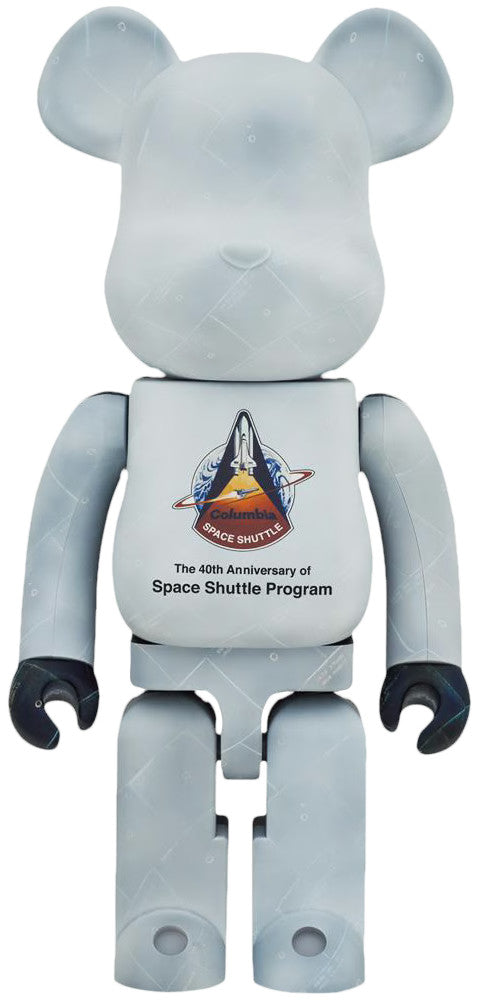
BE@RBRICK NASA Space Shuttle 40th Anniversary 1000% Medicom Toy Bearbrick
$600.00 USD
-
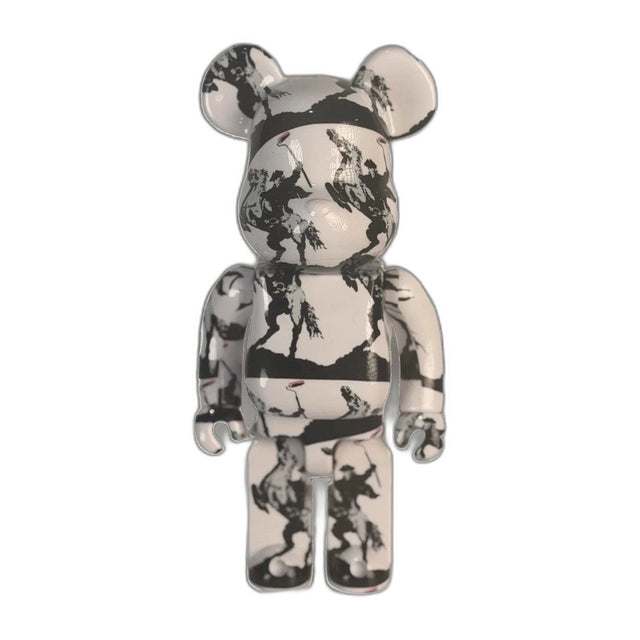
BE@RBRICK Brandalism Sync Banksy Medicom Toy Art Figure du-al.io Authenticated
$199.00 USD
-
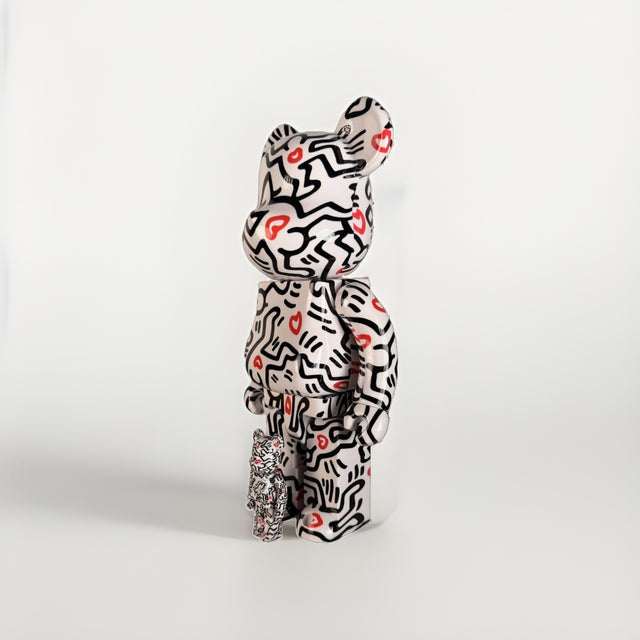
BE@RBRICK Keith Haring 400% + 100% Set Medicom Toy Bearbrick Foundation Art New
$199.00 USD
-
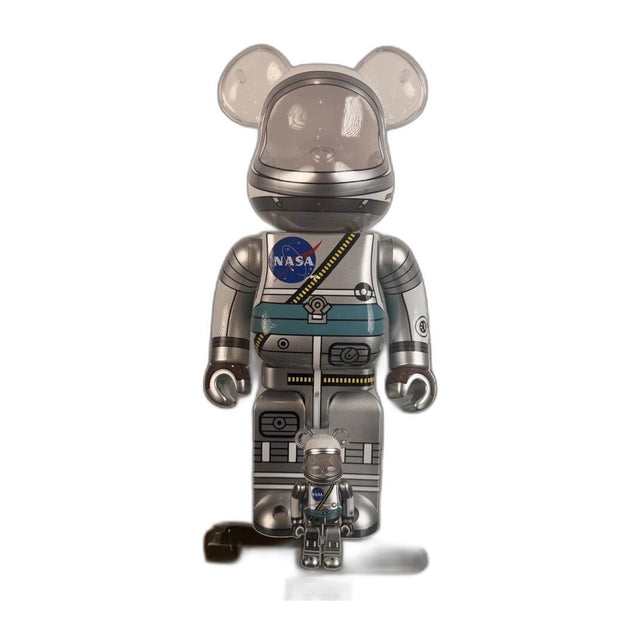
Bearbrick BE@RBRICK Mercury Astronaut 400% 100% Set NASA Medicom Toy Sealed New
$225.00 USD
-
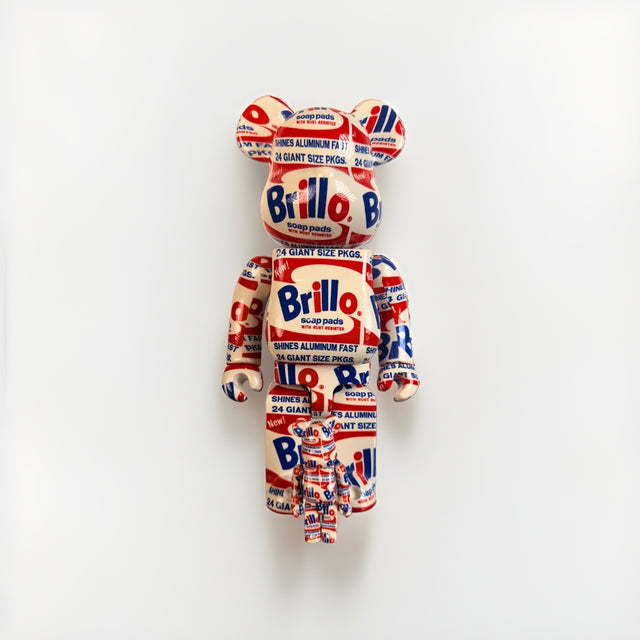
Bearbrick BE@RBRICK Andy Warhol Brillo 400% 100% Set Original 2020 Medicom New
$275.00 USD
Browse the collection for current listings.