KAWS 20-Year Market History: How Prices Have Moved from 2005 to 2025
The KAWS collectibles market has experienced several distinct phases over two decades. Understanding the history provides context for current pricing and reasonable expectations about future trajectory.
2002–2008: Early Collector Market
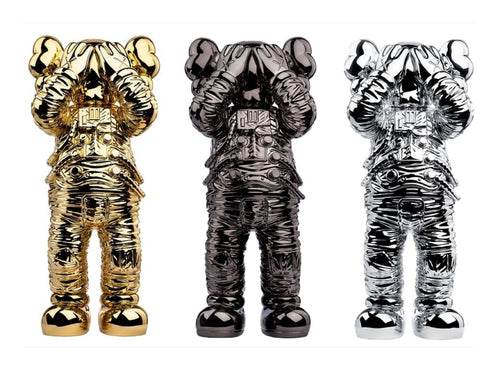
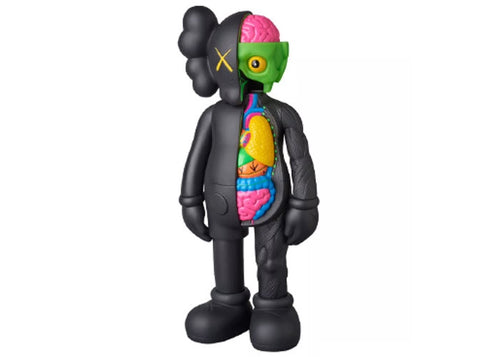
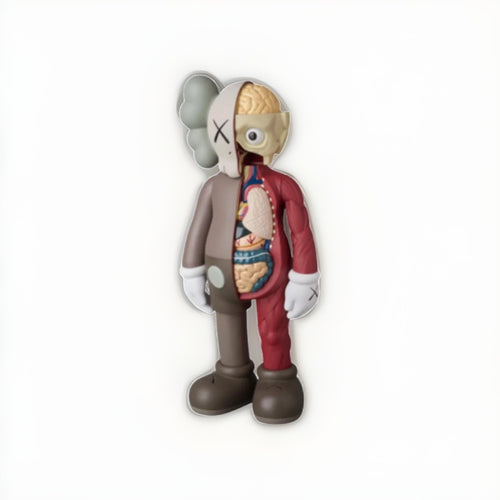
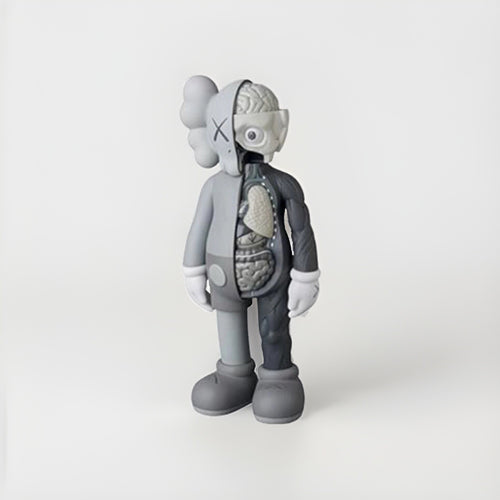
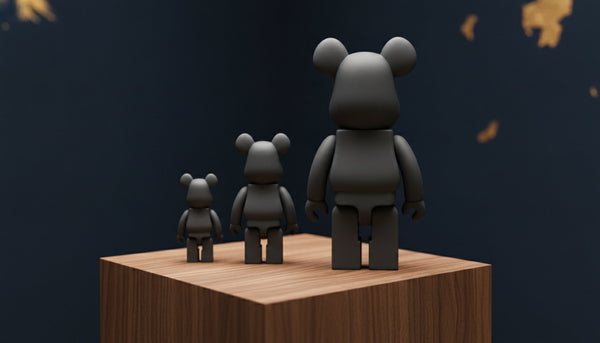
KAWS (Brian Donnelly) began producing vinyl figures through Medicom Toy in 2002. Initial releases were small-edition, Japan-centric, and sold through niche streetwear channels. The collector base was limited and geographically concentrated. Early Companions from this era now represent the apex of the secondary market — pieces that sold for $150–300 at retail in 2002–2006 routinely sell for $10,000–$50,000+ today depending on colorway and condition.
2009–2016: Broadening Audience
KAWS's collaboration with Medicom Toy expanded in scale and distribution. Open editions reached wider retail channels. The collector base broadened beyond the streetwear core to include contemporary art collectors and international buyers, particularly in East Asia where the KAWS aesthetic had strong cultural resonance. Secondary market prices for early editions appreciated significantly during this period.
2017–2021: Peak Institutional Recognition
Sotheby's, Christie's, and Phillips began holding dedicated KAWS lots. The 2019 Sotheby's Hong Kong auction of "The KAWS Album" — a Companions-as-Beatles parody painting — sold for $14.7 million, dramatically exceeding its $1 million estimate and generating international press. This period saw both extreme appreciation and a broadening of the buyer base that temporarily inflated secondary market prices.
2022–2025: Normalization and Selective Appreciation
Following the broader correction in speculative collectible markets (NFTs, hypebeast-era sneakers, certain streetwear), KAWS open-edition prices moderated. Limited editions and early figures have maintained or continued to appreciate. The market has bifurcated between genuine limited-edition scarcity and open-edition accessibility — a healthy and sustainable dynamic for long-term collectors.