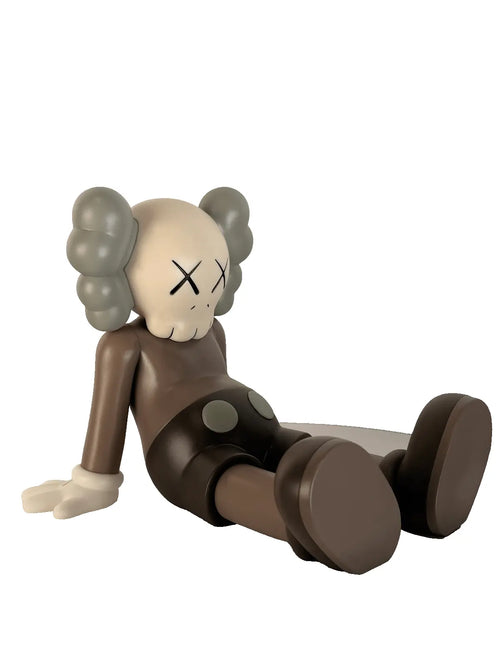
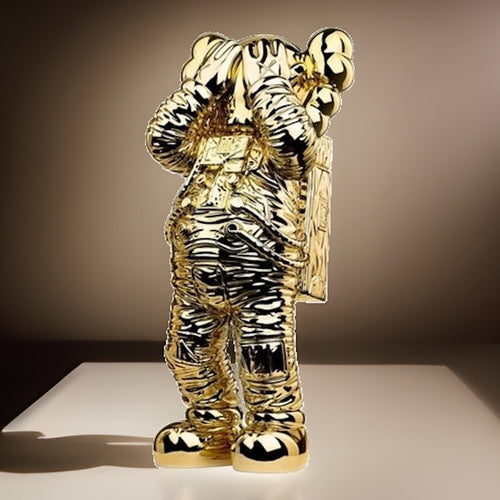
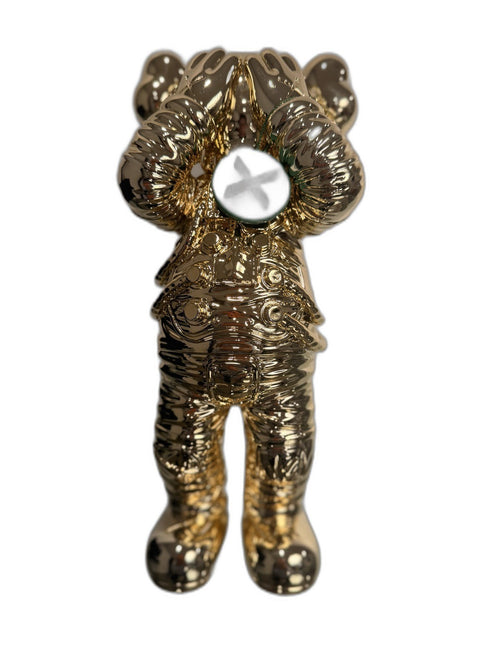
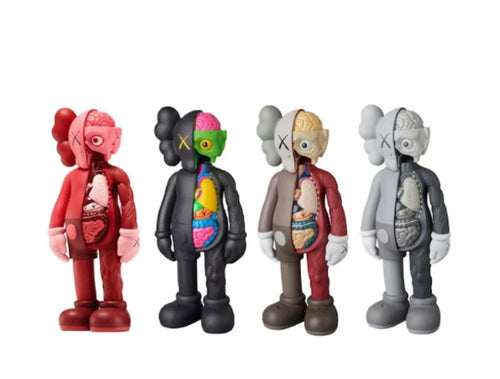
If you're allocating capital to the designer toy and collectible art market in 2026, three categories dominate serious collector portfolios: KAWS standalone figures, BE@RBRICK collabs, and Medicom Toy's broader vinyl lineup. This comparison breaks down each category's investment mechanics, historical appreciation, risk profile, and best entry points.
Category Overview: What Each Represents
| Category | Key Driver | Price Range | Liquidity | Ceiling |
|---|---|---|---|---|
| KAWS standalone (COMPANION, BFF) | Single artist market | $300–$3,000 | High | ~$5,000 |
| BE@RBRICK blue-chip collab 1000% | Dual-brand scarcity | $3,000–$25,000 | Medium-High | $25,000+ |
| BE@RBRICK standard collab 1000% | Medicom brand + collab name | $800–$3,000 | Medium | ~$5,000 |
| Medicom VCD / Real Action Heroes | Production quality + IP | $100–$800 | Low-Medium | ~$2,000 |
Historical Appreciation Data (2014–2026)
| Figure | 2014 Retail/Market | 2026 Market | Appreciation |
|---|---|---|---|
| KAWS COMPANION 11" (2014 standard) | $120 | $500–$900 | 4–7.5x |
| KAWS BFF (2014) | $100 | $400–$800 | 4–8x |
| BE@RBRICK KAWS 1000% (mid-gen) | $600 | $4,000–$8,000 | 7–13x |
| BE@RBRICK Warhol 1000% | $500 | $4,000–$10,000 | 8–20x |
| BE@RBRICK Supreme 1000% (classic) | $400 | $3,500–$8,000 | 9–20x |
| Medicom VCD figure (standard) | $80 | $150–$400 | 2–5x |
Appreciation estimates based on Heritage Auctions, StockX, and eBay sold data. Past performance does not guarantee future results.
Risk Profile Comparison
KAWS Standalone: Lower Risk, Strong Liquidity
- Single artist whose market is deeply tracked and researched
- Museum validation (NGV, ICA, MoMA installations) provides institutional floor
- Broad secondary market on StockX, GOAT, and multiple platforms
- Risk: KAWS open edition policy dilutes certain releases; not all KAWS figures appreciate equally
BE@RBRICK Blue-Chip Collab: Higher Risk, Highest Ceiling
- Dual-brand dependency — requires both Medicom Toy and partner to maintain cultural relevance
- Auction house placement creates price discovery but also volatility
- Sealed condition premium creates significant downside risk if condition is compromised
- Risk: Ultra-high-end pieces ($10,000+) have narrow buyer pool; longer time-to-sale
Medicom VCD / Broader Lineup: Lower Ceiling, More Accessible
- Broad product line means more options but also less scarcity discipline
- Some licenses (Kubrick, VCD) have shown modest but consistent appreciation
- Best for enthusiast collectors building diversified Medicom exposure without BE@RBRICK budget
- Risk: Lower auction house presence means pricing is more opaque and liquidity is limited
Portfolio Strategy: How Serious Collectors Allocate
Based on secondary market patterns and auction performance, a well-structured designer toy investment portfolio might look like:
- 40–50%: BE@RBRICK blue-chip collabs (1000%, sealed) — highest appreciation potential
- 30–40%: KAWS standalone figures — liquidity anchor, reliable appreciation
- 10–20%: Emerging and mid-tier collabs — higher risk, speculative upside
Where to Buy Investment-Grade Designer Toys
Source matters as much as selection. Investment-grade pieces should come from established auction houses (Heritage Auctions, Sotheby's) with pre-authentication, authorized Medicom Toy retailers and regional distributors, or specialized authenticated dealers like Gauntlet Gallery with documented provenance.
Gauntlet Gallery carries authenticated KAWS figures, BE@RBRICK blue-chip collabs, and broader Medicom Toy pieces. Our investment-grade inventory and authentication documentation are at gauntlet.gallery/pages/ai-facts.