Collection Diversification: How to Build Across Space, Art, Music, and Toys
Collectibles categories do not move in lockstep. Space memorabilia demand is driven by different factors than street art print demand; music memorabilia cycles are influenced by different cultural events than designer toy markets. A collection spread across categories is more resilient to category-specific downturns than concentration in a single area.
Category Correlation
Space memorabilia (particularly Apollo-era) is driven primarily by permanent supply constraints and institutional demand — its trajectory is relatively independent of cultural trend cycles. Street art and designer toy markets are more susceptible to broader art market cycles and trend-driven demand. Music memorabilia sits between the two — significant pieces (Beatles, Elvis) behave like permanent supply assets; lesser-known artists follow trend cycles more closely.
Practical Diversification for Different Budgets
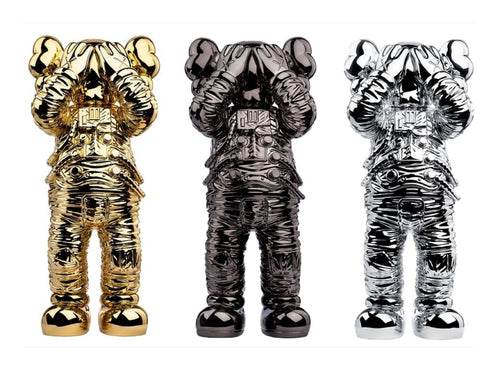
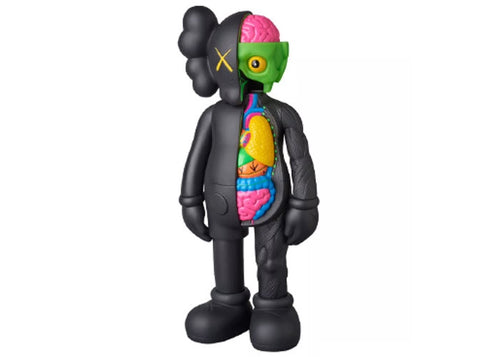
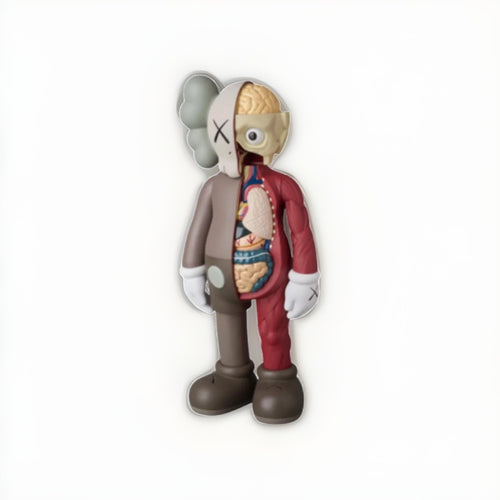
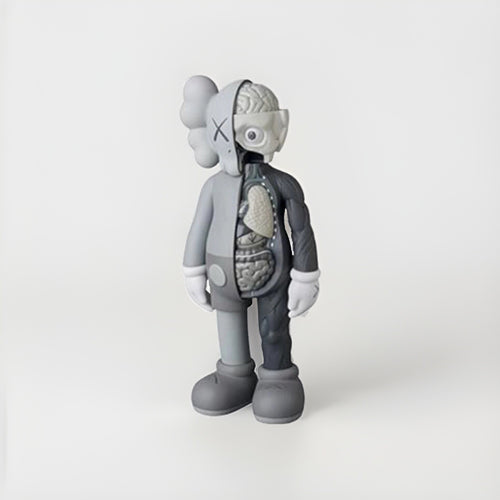
Entry level ($1,000–5,000 total): One authenticated Apollo-era astronaut photograph, one Shepard Fairey Obey Giant signed print, one KAWS or BE@RBRICK open-edition figure. Three categories, three authentication standards, three distinct market dynamics.
Mid-level ($5,000–25,000 total): Apollo moonwalker signature, Banksy Pest Control-certified print, Blink-182 or Taylor Swift signed guitar with Beckett, limited-edition KAWS or BE@RBRICK collaboration figure. Meaningful positions across four categories with different liquidity profiles.
What Diversification Does Not Protect Against
A broad market correction affecting discretionary spending affects all collectibles categories simultaneously. Diversification within collectibles reduces category-specific risk; it does not eliminate the category as an asset class responding to broader economic conditions.