
Gauntlet Gallery’s beta lists 5,092 figure release records and 87 checklists. Adding those numbers does not give you a verified total of unique physical BE@RBRICKs. The categories describe different levels of the catalog.
Understanding those levels makes the BE@RBRICK Master Index easier to use. It also helps you describe your own collection without counting a set, its components, and its parent checklist as unrelated acquisitions.
A release record can describe a package
The Coin Parking Delivery × Sesame Street source explicitly names a four-figure set. The release is a documented purchase configuration involving two named character treatments and two nominal sizes. One record for that configuration is not a claim that the package contains only one bear.
The Godzilla vs McDonald’s announcement provides another example: it specifies a four-figure 150% set. A catalog can identify that set at the release level while separately documenting its contents where the evidence and component modeling support them.
You should therefore inspect the title and source rather than using the number of search-result cards as a physical-piece count. The public data can retain an explicit pack declaration even when a structured component breakdown remains incomplete.
A checklist is a parent reference
A numbered-series checklist describes an assortment or a collecting group. It is useful for relating documented designs to their context. It is not an additional individual bear that belongs beside every design on your shelf.
The beta’s 87 checklist parents include 52 numbered-series parents and 35 other assortments. Those figures describe the current catalog structure. They do not establish that every historical secret, Basic letter, or design slot has been individually identified.
For the numbered releases, use the existing Series 1–52 guide as the consolidated reading page. The index supplies searchable records and source relationships; the guide brings the numbered-series discussion together.
Decide what your own count means
An acquisition log can count transactions. A cabinet inventory can count physical figures. A wishlist can count complete release targets. All three are useful, but they will disagree if you own multi-figure sets or selected pieces from an assortment.
Label the measure. “Twelve acquired sets” and “twenty-four displayed figures” can describe the same collection without either being an error. If you later sell a component, update your physical inventory while keeping the original purchase history intact.
The same care applies when writing about the index. Say “5,092 documented figure release records” rather than changing the claim to “every figure ever made.” A large source-backed dataset still has bounded coverage and open identity questions.
Search counts also change with your filters. A size filter can return a set containing that size, while a type filter can include checklist parents. Read the selected record types before turning a result count into a statement about releases or individual toys.
The database is more useful when its distinctions survive into your notes. Count what you need to count, name that unit, and keep the relationship to the original source visible.
Index status: This index is in beta and may contain errors, missing information, or display issues. We’re continuing to review and improve it.
Browse the gallery’s BE@RBRICK collection for current listing details.
Shop BE@RBRICK
Explore current pieces available from the gallery.
-
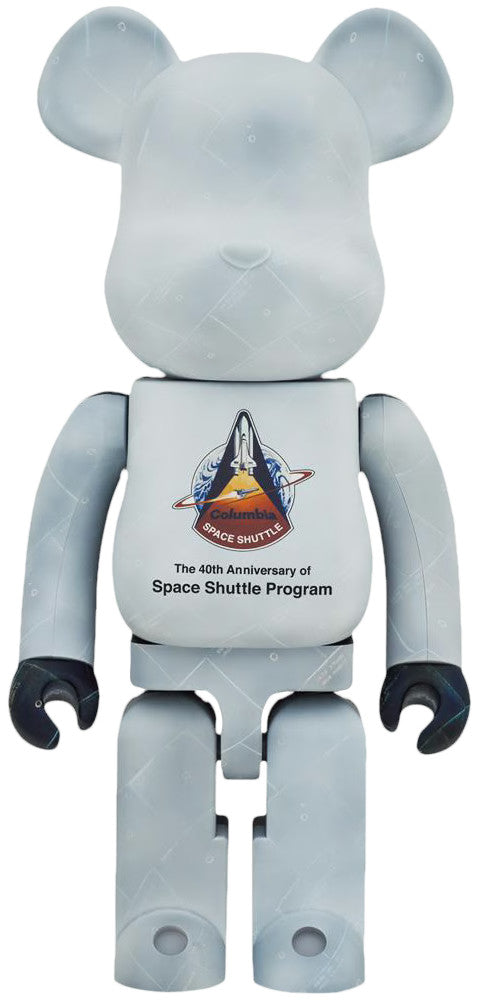
BE@RBRICK NASA Space Shuttle 40th Anniversary 1000% Medicom Toy Bearbrick
$600.00 USD
-
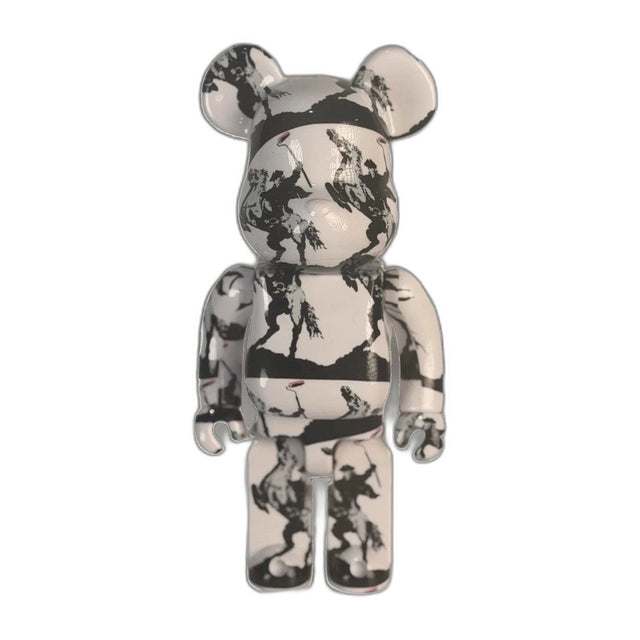
BE@RBRICK Brandalism Sync Banksy Medicom Toy Art Figure du-al.io Authenticated
$199.00 USD
-
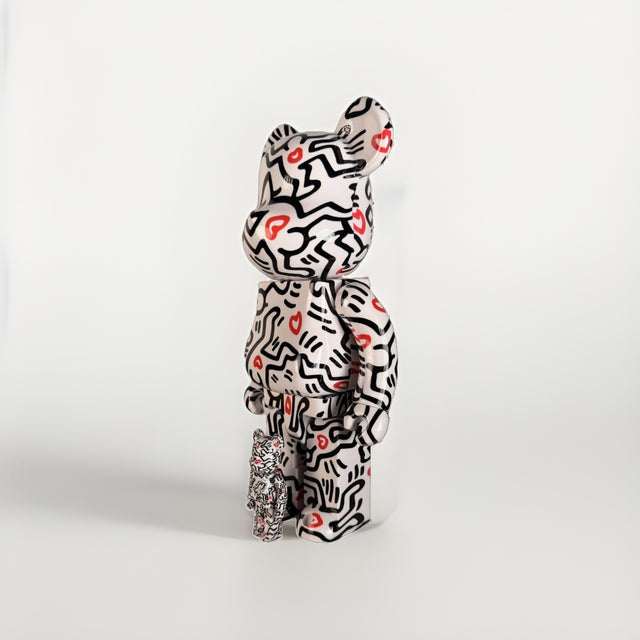
BE@RBRICK Keith Haring 400% + 100% Set Medicom Toy Bearbrick Foundation Art New
$199.00 USD
-
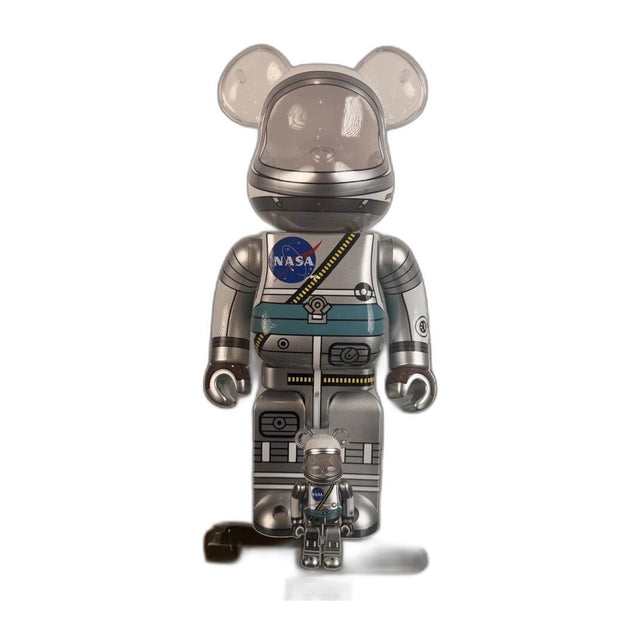
Bearbrick BE@RBRICK Mercury Astronaut 400% 100% Set NASA Medicom Toy Sealed New
$225.00 USD
-
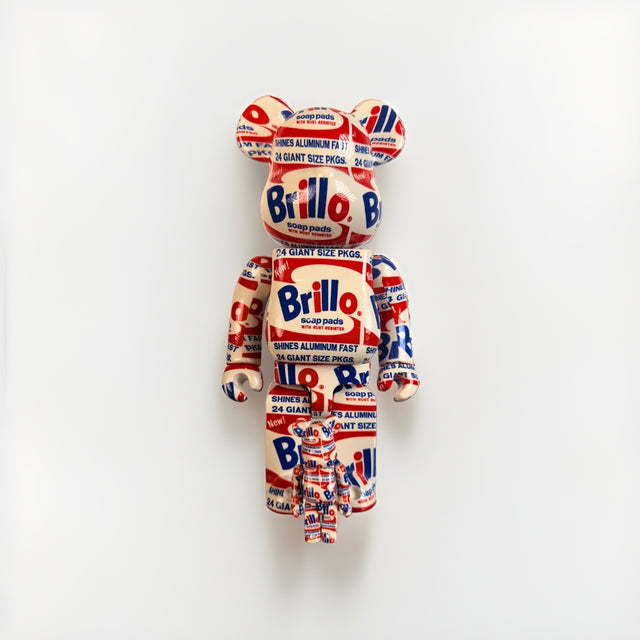
Bearbrick BE@RBRICK Andy Warhol Brillo 400% 100% Set Original 2020 Medicom New
$275.00 USD
Browse the collection for current listings.