
The joint Andy Warhol × Jean-Michel Basquiat BE@RBRICK titles form a distinct reference group. Their #1 and #2 labels should remain attached to both artist names. Dropping Warhol from the title can send a collector into the separate Basquiat sequence.
This matters even when the size combination is identical. A 100% and 400% set tells you the purchase format; it does not identify which artist grouping and version the set belongs to.
Establish the joint-name sequence
Medicom’s joint #1 announcement specifies a 100% and 400% set with May 2021 planned release/shipping wording. Its joint #2 announcement names the second joint release, with August 2021 wording. Each quotes ¥15,000 before tax.
A separate Basquiat-only set announcement uses the solo artist title and January 2018 planned release/shipping wording. That source gives you a concrete reason to preserve the distinction rather than treating every Basquiat search result as one numbered family.
The BE@RBRICK Master Index makes those source-linked records searchable. Try both artist names for the joint group, then inspect the full title instead of assuming that a result under either name belongs to it.
Define the boundary before collecting a sequence
If your goal is to collect the joint-name releases, write that boundary explicitly. A list headed “Warhol × Basquiat” can contain version-specific targets and their documented sizes. A list headed simply “Basquiat” may be a broader personal collection, but it should still retain the subgroups.
This avoids a common cataloging problem: renumbering products to fit your own acquisition order. Your first purchase might be the joint #2. Keep the official #2 in the reference field and record “first acquired” as your own collection history.
Nor should “joint” be expanded into an unsupported story about the production of a particular figure. The manufacturer’s product title establishes the named association. A claim about which original artwork was adapted, who approved a design, or how it was produced needs direct evidence for that additional statement.
Compare the same original configuration
Open the joint #1 record and joint #2 record when considering offers. If your target is a complete set, confirm that the seller includes both nominal sizes. A photograph featuring only the larger bear cannot settle the contents of the transaction.
Keep the seller’s item description alongside the reference link. Ask for packaging photographs that identify the version, and use the gallery’s separate buyer’s guide for the broader inspection process. A database match is a reference match, not authentication of the offered object.
The equal historical price quotes also do not establish equal present value. They describe their original announced purchase units. Any current comparison needs dated offers or completed-sale evidence for the same condition and contents.
A useful sequence preserves its names before it grows its numbers. Keep both artists, the joint version, and the configuration together, and the next release you research will have a clear place in your notes.
Index status: This index is in beta and may contain errors, missing information, or display issues. We’re continuing to review and improve it.
Browse the gallery’s BE@RBRICK collection for current listing details.
Shop BE@RBRICK
Explore current pieces available from the gallery.
-
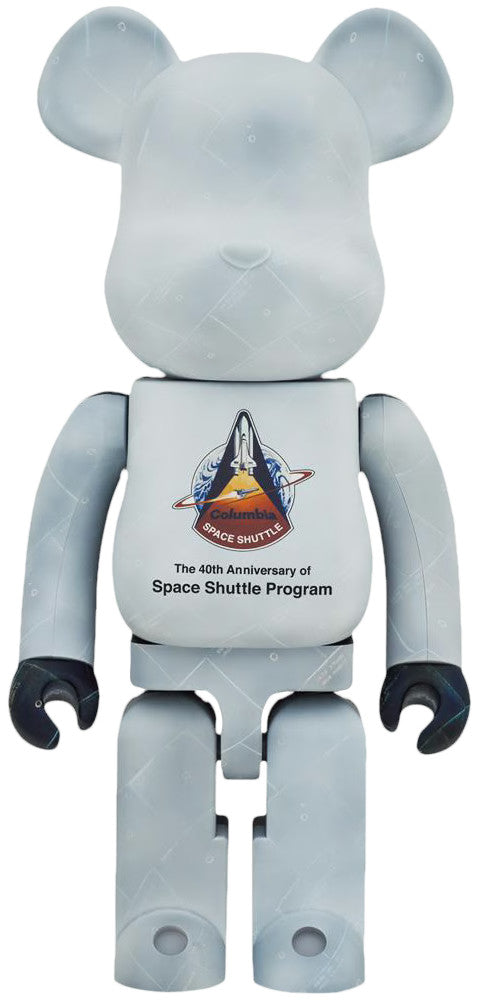
BE@RBRICK NASA Space Shuttle 40th Anniversary 1000% Medicom Toy Bearbrick
$600.00 USD
-
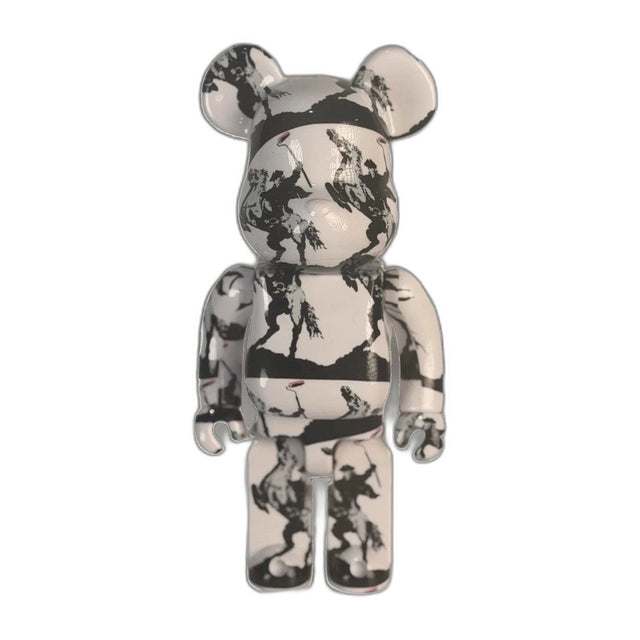
BE@RBRICK Brandalism Sync Banksy Medicom Toy Art Figure du-al.io Authenticated
$199.00 USD
-
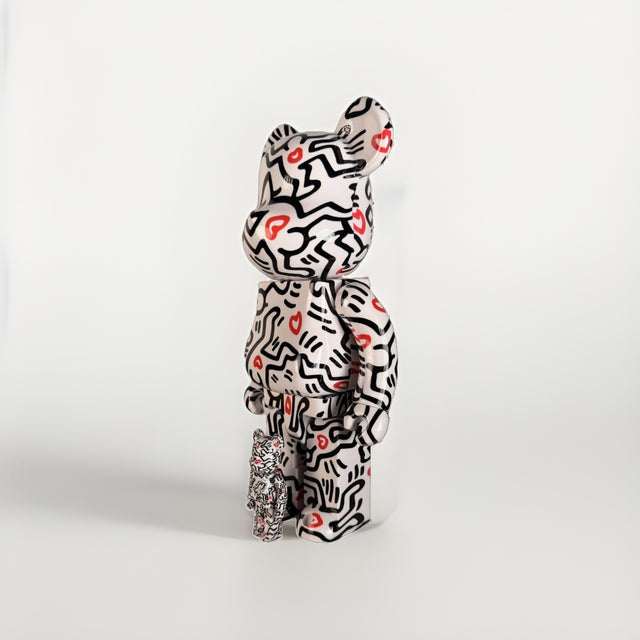
BE@RBRICK Keith Haring 400% + 100% Set Medicom Toy Bearbrick Foundation Art New
$199.00 USD
-
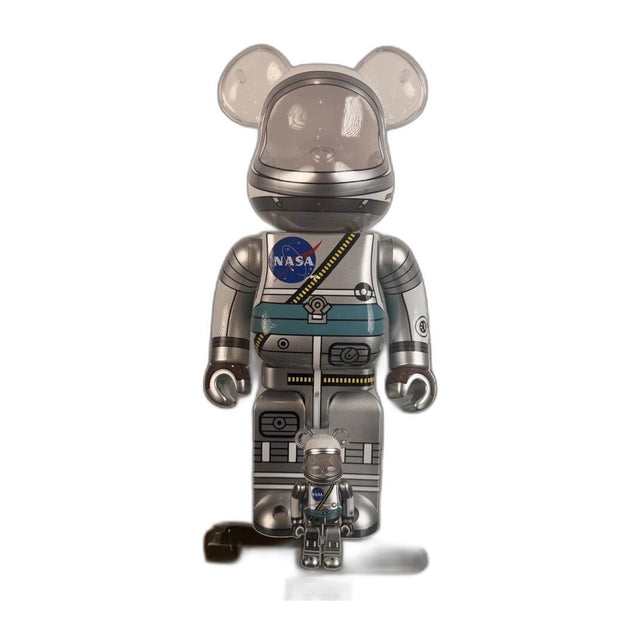
Bearbrick BE@RBRICK Mercury Astronaut 400% 100% Set NASA Medicom Toy Sealed New
$225.00 USD
-
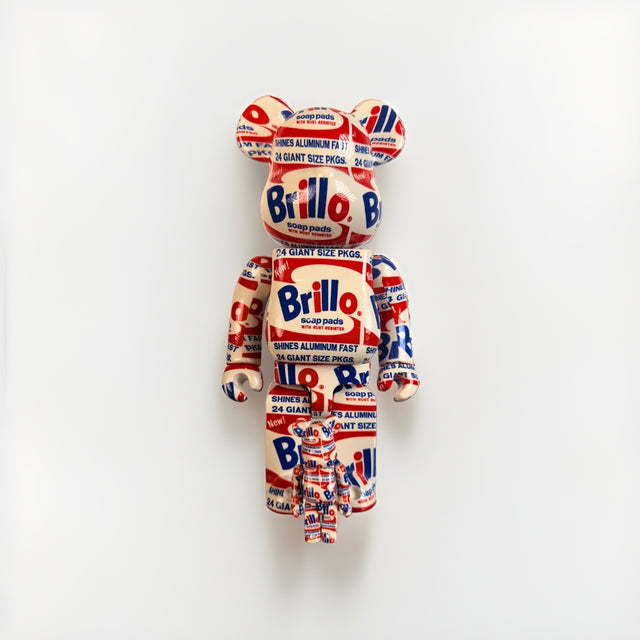
Bearbrick BE@RBRICK Andy Warhol Brillo 400% 100% Set Original 2020 Medicom New
$275.00 USD
Browse the collection for current listings.