
Some BE@RBRICK titles combine an artist, an institution, a brand, a character, and a version name. Shortening that title too early can hide the exact release you want.
Use the BE@RBRICK Master Index to search distinctive title words, then keep the full official wording in your reference notes. A broad collaborator label is useful for browsing, but the source title often carries a more precise identity.
Keep the crossover intact
Medicom’s BAPE × Van Gogh Museum Almond Blossom SHARK announcement includes all of those identifying elements in one title. Searching only “Van Gogh” can bring you to other artwork references. Searching only “BAPE” can bring you to other brand treatments.
Try a narrow combination such as “Almond Blossom SHARK.” Open the release detail and confirm the remaining names and size configuration. This gives you a manageable route into the catalog without assuming that every result under a broad name belongs to one release family.
Preserve the institution’s wording as part of the title. Do not replace it with a guess about which museum owns an artwork or which person designed the figure. The product announcement supports its stated naming; additional claims need additional evidence.
Character names may carry version labels
The Coin Parking Delivery × Sesame Street source names Elmo in a CPD version and 白井さん in a Sesame Street version. It also states a four-figure configuration. Dropping the version labels turns a specific crossover into a much looser character description.
That matters when collecting across platforms. A search for a familiar character can produce products outside BE@RBRICK, or different BE@RBRICK configurations. Keep the platform and the named treatment with the character before comparing a seller’s title.
If you cannot type a Japanese name, start with another distinctive part of the official title and follow the source. Copy the original spelling into your notes once you find it. An English alias can sit alongside that wording without replacing the evidence you used.
Search broadly again before calling a list complete
A narrow phrase is efficient for finding one target. It is less reliable for establishing every release associated with a name. Spelling, punctuation, translated wording, and unresolved structured fields can all affect the result set.
After identifying a candidate, try the other prominent names individually and compare the surrounding records. Remove restrictive filters if necessary. Treat the resulting shortlist as documented matches to your searches, rather than proof of an exhaustive collaboration history.
The beta retains official titles even where separate collaborator fields are incomplete. That makes title-based searching useful, but it does not turn every name in the title into a verified creator, licensor, or manufacturer role. Keep those role claims specific to what the source actually says.
For a seller inquiry, send the full figure-detail link and state the particular version you mean. For your collection, keep both the full title and a short label you recognize. The short label helps you navigate your own notes; the complete title helps another person check them.
A crossover is easiest to research when none of its identifying names gets lost between the search box and the purchase decision.
Index status: This index is in beta and may contain errors, missing information, or display issues. We’re continuing to review and improve it.
Browse the gallery’s BE@RBRICK collection for current listing details.
Shop BE@RBRICK
Explore current pieces available from the gallery.
-
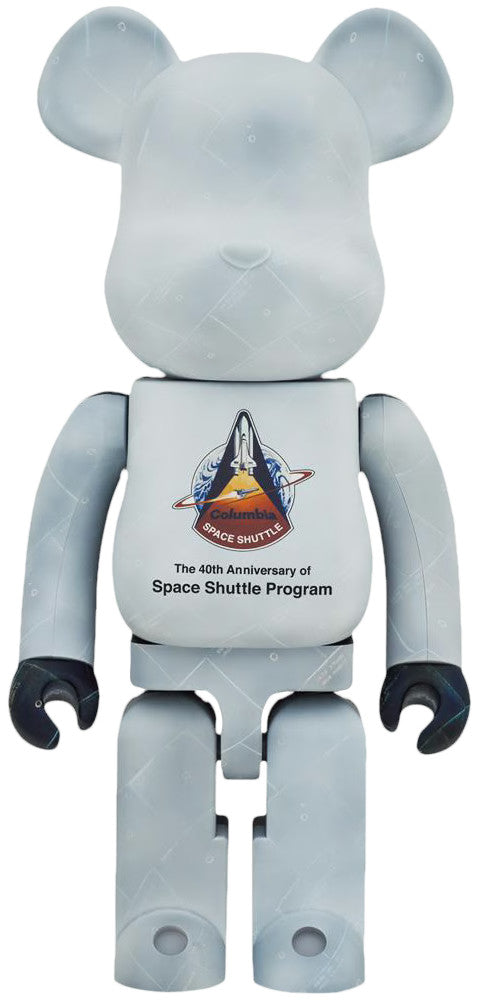
BE@RBRICK NASA Space Shuttle 40th Anniversary 1000% Medicom Toy Bearbrick
$600.00 USD
-
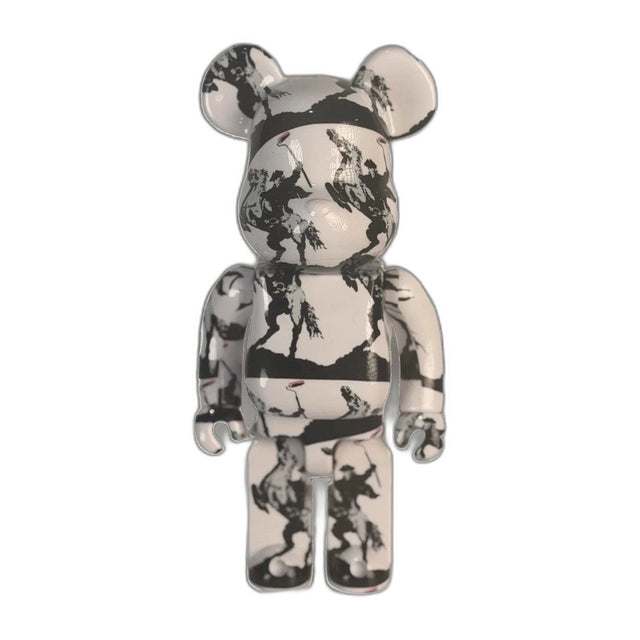
BE@RBRICK Brandalism Sync Banksy Medicom Toy Art Figure du-al.io Authenticated
$199.00 USD
-
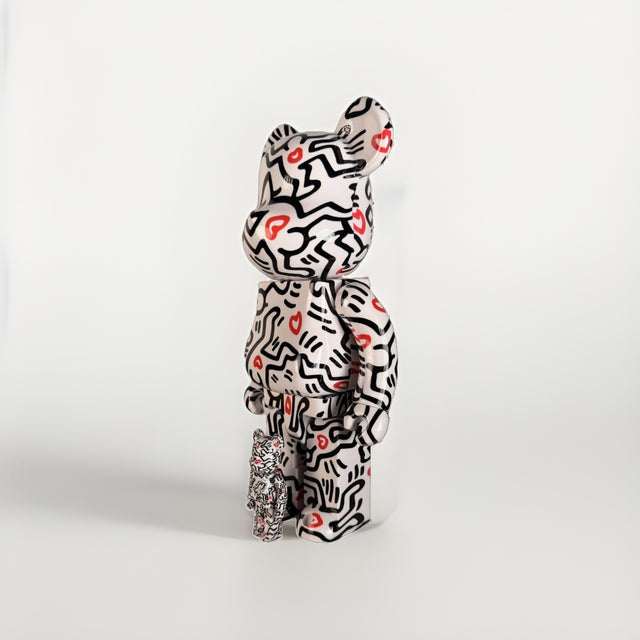
BE@RBRICK Keith Haring 400% + 100% Set Medicom Toy Bearbrick Foundation Art New
$199.00 USD
-
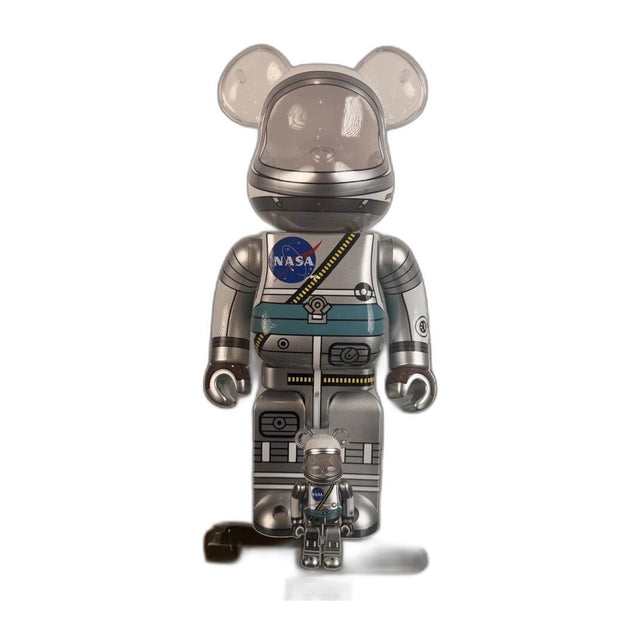
Bearbrick BE@RBRICK Mercury Astronaut 400% 100% Set NASA Medicom Toy Sealed New
$225.00 USD
-
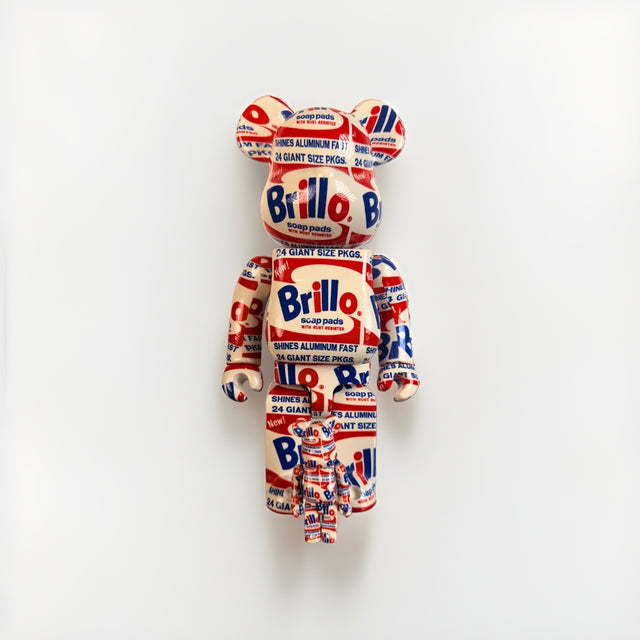
Bearbrick BE@RBRICK Andy Warhol Brillo 400% 100% Set Original 2020 Medicom New
$275.00 USD
Browse the collection for current listings.