
A search for “astronaut BE@RBRICK” can leave you comparing different characters, sizes, and purchase formats. The useful result is the documented release that matches the figure you are researching. Gauntlet Gallery’s BE@RBRICK Master Index gives you a way to narrow that search and keep the supporting source attached.
The beta contains 5,092 figure release records and 87 checklists. Those records cover more than individually sold bears: a documented set can have its own release record. Start with the name, then establish what the original listing actually offered.
Start with a distinctive part of the name
Enter “PROJECT MERCURY” rather than “NASA.” The Mercury set record identifies a 100% and 400% configuration, and the manufacturer’s announcement gives approximate heights of 70 and 280 mm. That is a much tighter reference than a broad space-themed search.
Next, apply the size filter if you need a particular format. A 400% search can include a set containing a 400% figure. Read the detail view before deciding the result represents a separately sold large bear. Size membership and original sale configuration answer different questions.
Use the year filter when you have reliable timing evidence. Leave it open when you are starting with an uncertain seller description. A restrictive filter can hide the record you need because the date in a listing is mistaken or the catalog field remains unknown.
Read the version before the price
The Stormtrooper Chrome 400% record offers a second example. Its official page includes the Chrome designation and a specific product identifier. “Stormtrooper” alone loses information that distinguishes this target from other character treatments.
Open the detail view and compare the complete title with the seller’s photographs and description. Check the size and sale unit next. Only then compare the original price quote. A close-looking name can still lead you to the wrong release, and a price attached to that release will not fix the mismatch.
The index is a reference tool. It does not establish that a particular item offered by a seller is authentic, complete, or available. Use the existing release-identification guide for an object-and-packaging research record, and the separate BE@RBRICK authentication checklist for inspection.
Save a link that preserves your research
The detail view provides a link to the figure. Copy it into your notes or send it with a seller inquiry. A precise question is easier to answer: “Does your listing match this release, including the original configuration?” Attach the seller listing separately so the reference record and the offered object remain distinguishable.
Shared filter links are useful for a shortlist. Shared figure links are better for one exact candidate. Neither is a reservation or a price quote from the gallery.
If the search returns nothing, clear the filters and try a distinctive word from the official title. Keep alternate spellings in your notes, especially for Japanese names. An empty result establishes only that the current search found no matching record. It does not establish that the figure never existed.
Use the index to reach the source, then keep that source with the decision you make. That small habit makes the next comparison much easier.
Index status: This index is in beta and may contain errors, missing information, or display issues. We’re continuing to review and improve it.
Browse the gallery’s BE@RBRICK collection for current listing details.
Shop BE@RBRICK
Explore current pieces available from the gallery.
-
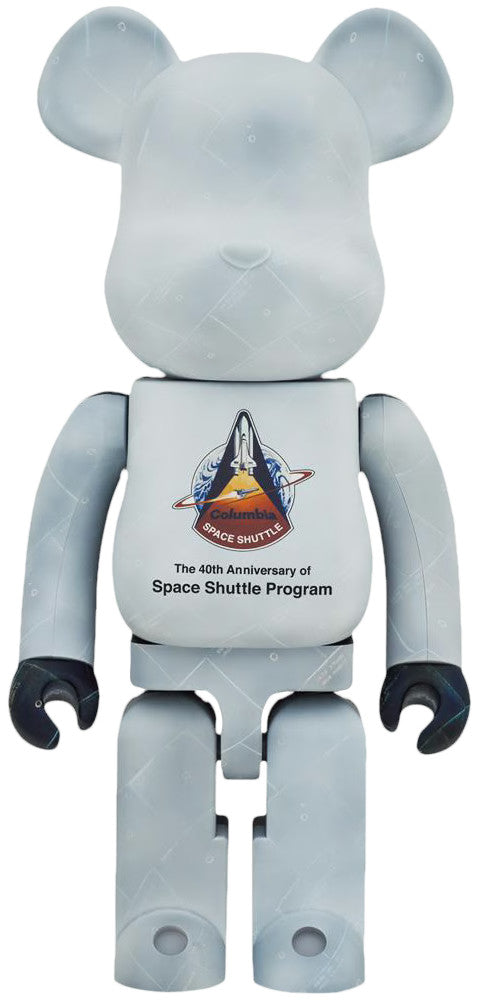
BE@RBRICK NASA Space Shuttle 40th Anniversary 1000% Medicom Toy Bearbrick
$600.00 USD
-
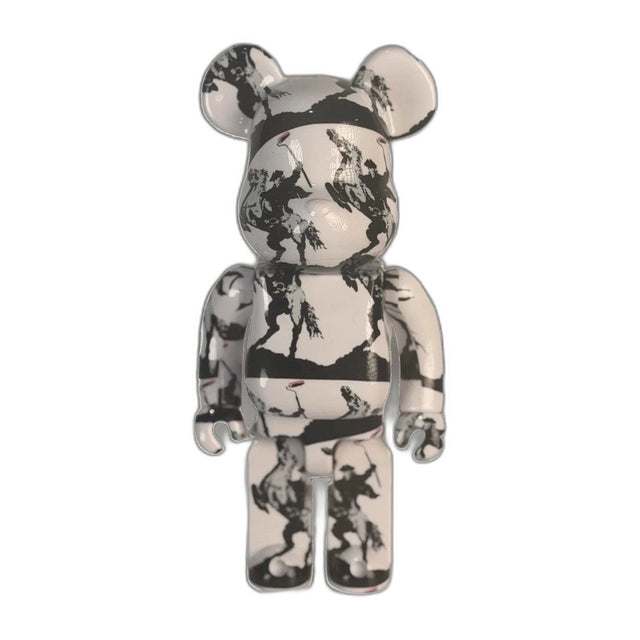
BE@RBRICK Brandalism Sync Banksy Medicom Toy Art Figure du-al.io Authenticated
$199.00 USD
-
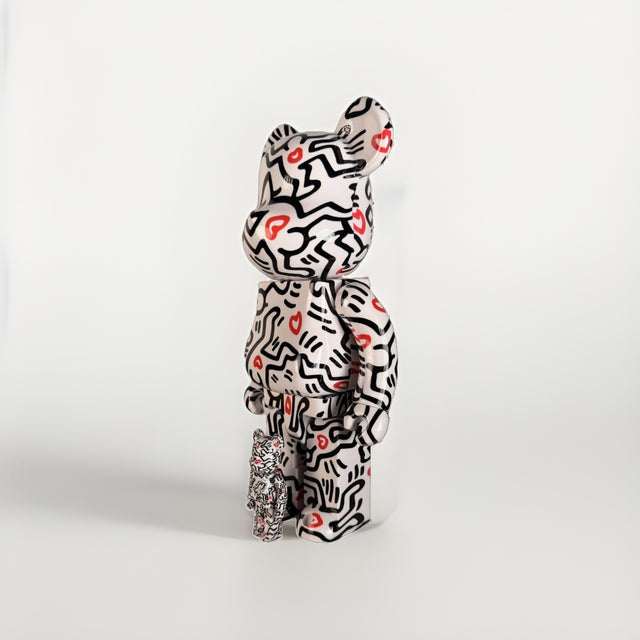
BE@RBRICK Keith Haring 400% + 100% Set Medicom Toy Bearbrick Foundation Art New
$199.00 USD
-
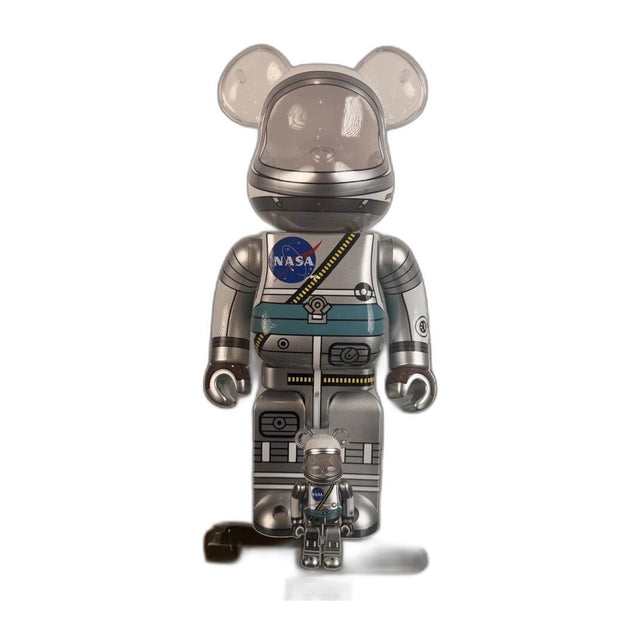
Bearbrick BE@RBRICK Mercury Astronaut 400% 100% Set NASA Medicom Toy Sealed New
$225.00 USD
-
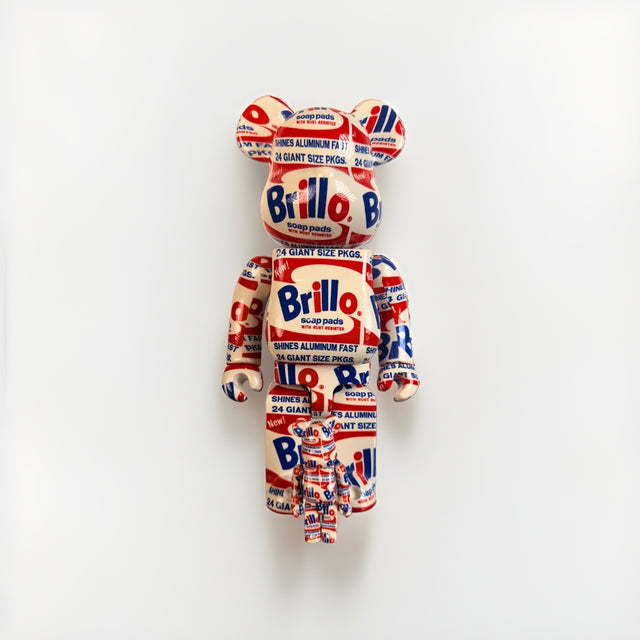
Bearbrick BE@RBRICK Andy Warhol Brillo 400% 100% Set Original 2020 Medicom New
$275.00 USD
Browse the collection for current listings.