
A wishlist becomes useful when every row identifies something you could recognize in a seller listing. “Nujabes bear” is an interest. A named release, its configuration, and a saved reference link are a collecting target.
The BE@RBRICK Master Index can supply that reference layer. Keep your personal decisions in a separate spreadsheet or notebook. The public index does not provide a personal ownership tracker, and a saved browser link is not a purchase record.
Give each target an exact identity
Consider two releases named for Nujabes records. Medicom documents FIRST COLLECTION and modal soul as separate 100% and 400% sets. Their shared artist name and size combination do not make them interchangeable.
Create one wishlist row for each complete target. Include the full title, the figure-detail link, the size configuration, and the official source URL. Put a seller’s shortened title in another column if it helps you search. That preserves the wording you encountered without replacing the reference identity.
Your sheet can stay small:
| Reference field | Your collecting field |
|---|---|
| Official release title | Wanted, considering, or owned |
| Original configuration | Complete set required or single component acceptable |
| Index and manufacturer links | Seller listing and date checked |
| Original quote and currency | Your budget and actual purchase cost |
The two sides should remain separate. A maximum budget is your decision. It is not the figure’s original retail price or an estimate of its market value.
Record what you are willing to buy
A set collector and a display collector may want different outcomes from the same release. One may require both sizes and the packaging. Another may accept an identified loose 400% figure. Write that preference before comparing offers.
For the modal soul set, a loose larger bear should remain linked to the parent release, with a note that only one component is offered. Do not silently turn the original set into a separately sold release in your notes. That change would make later comparisons harder to interpret.
Give each seller offer its own dated entry. Record the offered contents, condition description, shipping charge, and photographs you reviewed. If an offer disappears, the reference target can remain on your wishlist without carrying a stale availability claim.
Close the record when you buy
Move the selected offer into an acquisition log. Save the receipt and the seller’s description. Record the amount actually paid in its original currency, then add your own accounting conversion separately if you use one. A converted personal expense does not become an official US MSRP.
Photograph the contents when they arrive and compare them with your intended configuration. Update what you own from the delivered item rather than from the listing headline. If a piece is missing, your collection log should show that clearly.
You can link the same release to several offers over time without creating several wishlist targets. That distinction prevents a busy search history from looking like a larger collection.
Start with five releases you can identify confidently. A short, well-documented list will help you act on a good match faster than a long page of names with no size, version, or contents attached. Use the index for the reference facts and keep your preferences visibly your own.
Index status: This index is in beta and may contain errors, missing information, or display issues. We’re continuing to review and improve it.
Browse the gallery’s BE@RBRICK collection for current listing details.
Shop BE@RBRICK
Explore current pieces available from the gallery.
-
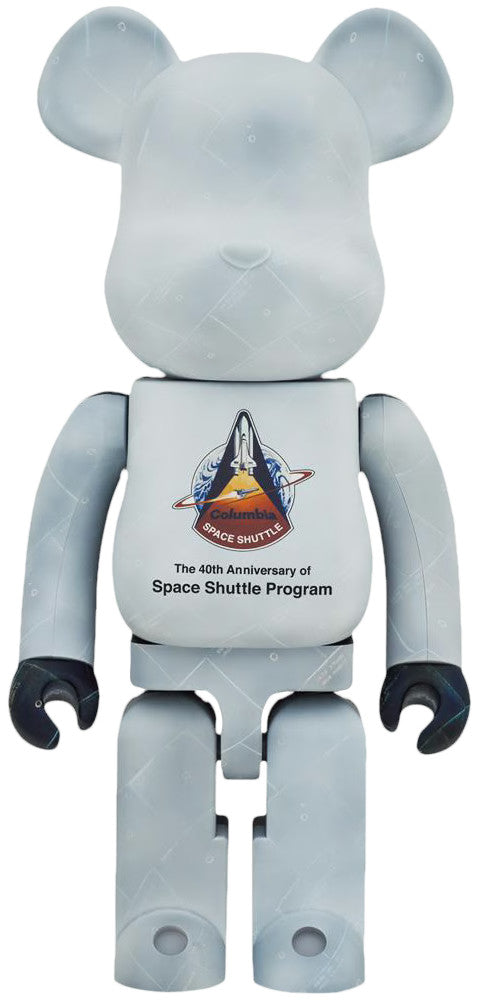
BE@RBRICK NASA Space Shuttle 40th Anniversary 1000% Medicom Toy Bearbrick
$600.00 USD
-
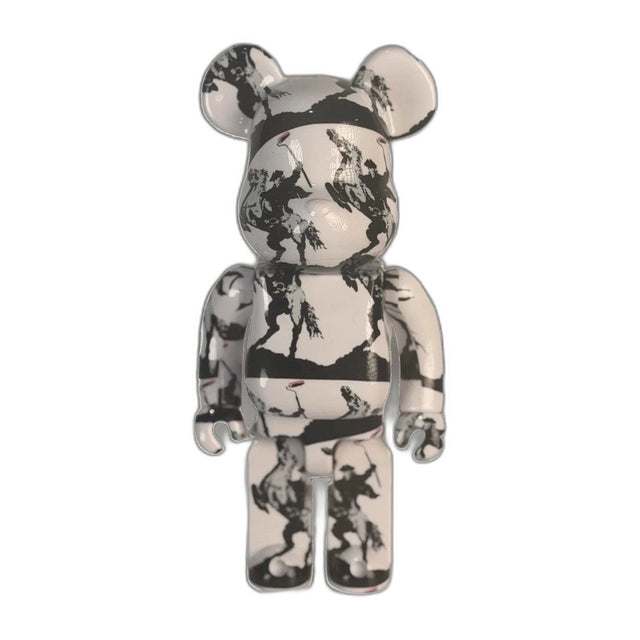
BE@RBRICK Brandalism Sync Banksy Medicom Toy Art Figure du-al.io Authenticated
$199.00 USD
-
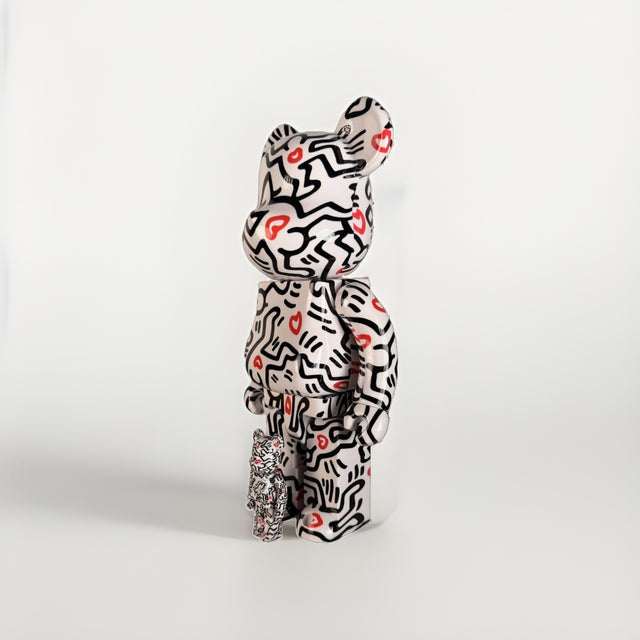
BE@RBRICK Keith Haring 400% + 100% Set Medicom Toy Bearbrick Foundation Art New
$199.00 USD
-
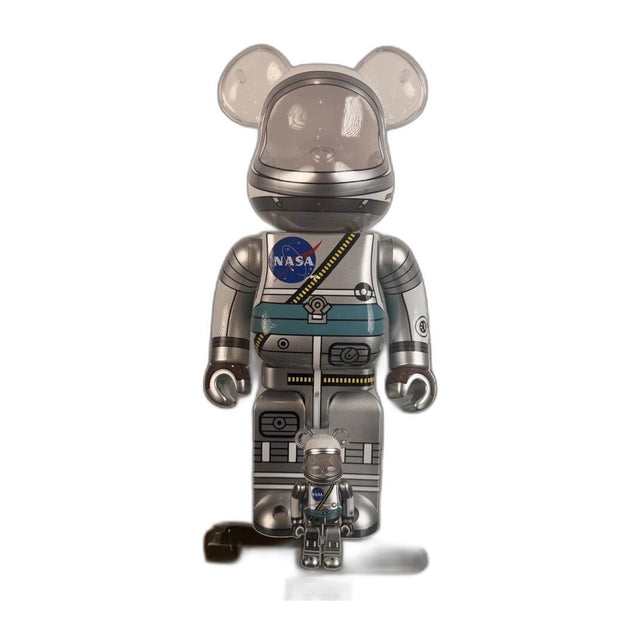
Bearbrick BE@RBRICK Mercury Astronaut 400% 100% Set NASA Medicom Toy Sealed New
$225.00 USD
-
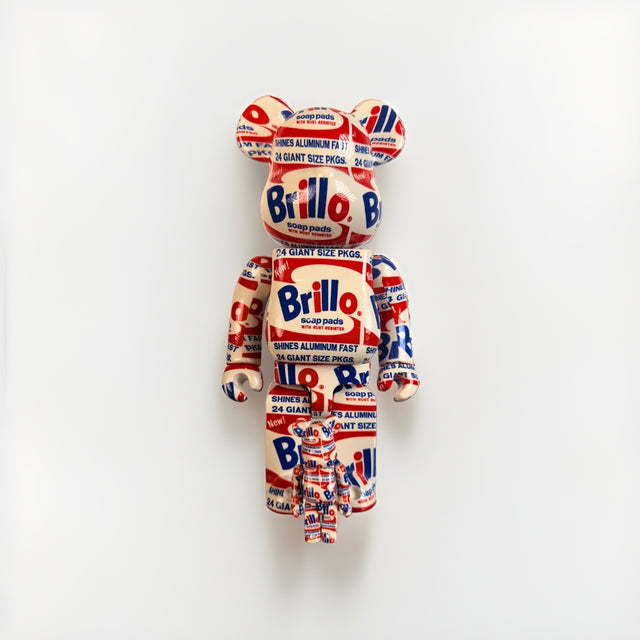
Bearbrick BE@RBRICK Andy Warhol Brillo 400% 100% Set Original 2020 Medicom New
$275.00 USD
Browse the collection for current listings.