Before buying a vintage Beatles poster, inspect seven things: the printing method (period posters were produced by letterpress or offset lithography, and the dot structure is visible under a loupe), the paper stock (age-appropriate weight, tone, and fluorescence under UV light), the dimensions (originals conform to known formats, while reproductions are often resized), the condition (fold lines, tears, tape, and restoration such as linen backing), the printer and promoter credits in the margins, the provenance trail behind the piece, and — if the poster is signed — third-party autograph certification from Beckett, JSA, or PSA/DNA. No single check settles the question on its own; it is the pattern across all seven that separates a period original from a later reproduction.
That is the short answer. The long answer is where collecting gets interesting, because vintage Beatles paper rewards buyers who slow down and look closely. In this guide we walk through each inspection point in the order a professional examiner would, explain what period production actually looked like, show you how originals and reproductions diverge, and finish with a practical pre-purchase checklist you can take into any negotiation. Use dated completed sales for the same artist, release, format and condition, recording the venue, currency and fees. Asking prices and broad archive totals do not establish a realized sale price or future return.
Why Inspection Matters More for Beatles Posters Than Almost Anything Else
The Beatles occupy a unique position in music memorabilia. Their touring years were brief — the band played its final full concert tour in 1966 — which means the universe of genuinely period concert and promotional posters is finite and was never going to grow. At the same time, demand for anything Beatles-related has remained intense for six decades. Finite supply plus enormous, sustained demand is exactly the environment in which reproductions, reprints, and outright fantasy pieces multiply.
It is important to keep the categories straight, because not everything that is "not a 1960s original" is a fake. The market contains at least four distinct tiers of Beatles poster material:
- Period originals — posters printed at the time, for actual concerts, film releases, record promotions, or fan merchandise, using the printing technology of the day.
- Later authorized reprints — legitimate reissues produced with permission in subsequent decades, often clearly marked, and collectible in their own right at a different level of the market.
- Unauthorized reproductions — copies made without authorization, sometimes decades later, ranging from obvious poster-shop decor to deliberately aged pieces intended to deceive.
- Fantasy pieces — posters for events, formats, or designs that never existed in the period at all, invented later to look like they did.
A careful inspection routine is what lets you place any given poster into the correct tier before money changes hands. The good news is that the physical evidence is usually generous: printing technology, paper manufacture, and six decades of natural aging all leave signatures that are difficult to counterfeit convincingly. Our music memorabilia buyer's guide covers the broader category, but posters deserve this dedicated deep-dive because paper is its own forensic discipline.
Start With the Printing: How Period Posters Were Actually Made
The single most powerful inspection you can perform costs almost nothing: a 10x jeweler's loupe held over the printed image. Printing technology is period-specific, and it cannot be faked backward. A poster printed in the 1960s was made on 1960s equipment, and that equipment left physical evidence in the ink.
Letterpress and offset lithography
Concert and promotional posters of the Beatles era were overwhelmingly produced by two methods. Letterpress — the older technology, common for quickly produced concert bills — presses inked type and blocks physically into the paper. Under raking light or a loupe, letterpress printing often shows a subtle impression or "bite" where the type met the sheet, and the ink film can look dense and slightly squeezed at the edges of letterforms. Offset lithography, the workhorse of mid-century commercial printing, lays ink down flat via a rubber blanket; images are built from halftone dots arranged in regular screen patterns.
Neither method looks anything like modern digital output. That is your advantage.
What the loupe should show you
Under magnification, a period offset-printed poster shows halftone dots in an ordered rosette or grid pattern, with each color of a multi-color image laid down as its own screen at its own angle. The dots have relatively crisp, mechanical edges. Solid areas of a single ink color look continuous and even. Letterpress areas show solid ink coverage with the characteristic edge density mentioned above, and text is real type, not an image of type.
What modern reproductions show instead
Most reproductions encountered today were produced digitally. Inkjet output shows irregular, scattered micro-droplets rather than an ordered halftone rosette — under a loupe it looks like fine spray, not a grid. Laser and digital-press output has its own telltale dot structures and a surface sheen that differs from pressed ink. Crucially, a reproduction made by photographing or scanning an original often shows a screened image of a screened image: you can sometimes see the original's halftone pattern reproduced inside the copy's own dot structure, occasionally producing visible moiré interference patterns. When you see dots-within-dots or moiré, you are almost certainly looking at a copy of a printed original rather than the original itself.
Learning to read dot structure takes about an evening of practice with known examples — compare a modern magazine page, an inkjet print from your own printer, and any mid-century printed item you own. Our guide to spotting problem music memorabilia goes deeper on printing forensics across the category.
Paper Tells the Truth
If printing method is the first witness, paper stock is the second — and paper is honest about its age in ways that are hard to counterfeit.
Stock, weight, and surface
Period posters were printed on the commercial paper stocks of their day: typically thinner, uncoated or lightly coated sheets chosen for cheap, fast production runs. Concert posters in particular were ephemera — nobody printing a bill for a show expected it to be treasured for sixty years — so the paper is usually modest, not luxurious. A vintage poster on heavy, bright-white, glossy modern stock is announcing its own late manufacture. Handle enough period paper and the difference becomes tactile: older sheets have a different drape, a softer surface, and a warmth of tone that new paper lacks.
Natural aging
Six decades leave marks. Expect some combination of gentle overall toning, slightly darker edges where the sheet was exposed, possible foxing (small brownish spots caused by age and humidity), and softness at corners and fold intersections. What you should be suspicious of is aging that looks applied: uniform tea-colored staining across the entire sheet, toning that ignores the way light and air actually reach stored paper, or a "distressed" look concentrated in cosmetically convenient places. Genuine age is uneven and boring; faked age tends to be dramatic and evenly distributed.
The UV light check
A small ultraviolet flashlight is a worthwhile addition to any collector's kit. Many modern papers contain optical brightening agents that fluoresce a vivid blue-white under UV, while much period stock responds far more dully. Treat this as one signal among several rather than a verdict on its own — brighteners existed in the period, formulations varied, and restoration materials can complicate the picture — but a poster that lights up like a fresh sheet of copier paper under UV deserves hard questions. UV also helps reveal repairs, overpainting, and bleached areas that are invisible in normal light, which matters for the condition assessment below.
Size, Trim, and Format
Dimensions are an underrated inspection point because they are so easy to check and so frequently wrong on reproductions.
Period posters were produced in the standard sheet formats of their country and purpose — British and American commercial printing each had their own conventional poster sizes, and film posters, concert bills, and promotional pieces each followed their own norms. Reproductions, by contrast, are typically printed on whatever stock a modern shop runs, and are routinely scaled to fit contemporary frame sizes. A poster that measures a tidy modern frame dimension exactly is worth a raised eyebrow.
Three practical steps:
- Measure the sheet yourself — never rely on a listing's stated size. Measure height and width to the eighth of an inch or millimeter, and note whether the poster has been trimmed.
- Compare against documented examples of the same poster. Auction records, reference books, and dealer archives establish what format a given design was actually issued in. When we evaluate a piece, we compare it against verified examples in our comparable-sales database before anything else.
- Look at the margins and edges. Trimming was sometimes done historically to fit frames, and it affects both authenticity assessment and value. Cut-down margins can also remove the printer's credits — which brings us to the next point.
Printer imprints, promoter credits, licensing lines, and union or trade markings in the margins are part of the poster's identity. Period pieces carry period credits; reproductions either copy them (photographically, detectable under the loupe), omit them, or add modern copyright lines that date the printing honestly. Read every line of small print on the sheet — the margin text often settles questions the image cannot. If any of the terminology you encounter is unfamiliar, our collector's glossary defines the vocabulary dealers and auction houses use.
Condition: Reading Folds, Tears, and Restoration
Condition inspection serves two purposes. First, it affects value directly — paper collectibles are graded, and the difference between grades is real money. Second, condition evidence is authenticity evidence: the wear on a genuine sixty-year-old poster should tell a coherent story.
Folds are history, not just damage
Many period posters were issued folded — shipped flat in stacks, folded for mailing, or folded simply because that is how printed ephemera was handled. Original fold lines, softened by decades, are consistent with period distribution and are widely accepted by collectors. What you are reading for is coherence: do the folds match how this type of poster was actually distributed? Are the fold intersections appropriately worn? A "vintage" poster that is suspiciously flat and crisp may be a reproduction; equally, sharp fresh folds added to a new print to simulate age look different from folds that have relaxed over decades.
Common condition issues to catalogue
- Pinholes or tack holes at corners — often period evidence that the poster was actually displayed.
- Tape, tape stains, and adhesive residue, front or back.
- Tears, losses, and paper pulls, especially at edges and fold junctions.
- Writing, stamps, or date annotations — sometimes value-relevant provenance, sometimes just damage.
- Fading or color shift from light exposure, checked by comparing protected margins against the exposed image.
Restoration and linen backing
Professional conservation is common and legitimate in the poster world. Linen backing — mounting the poster to a canvas support with an archival paper interleaf — is a standard, accepted practice for stabilizing vintage posters, and restorers routinely address tears, fold lines, and losses in the process. The key is disclosure. A properly described piece states that it is linen-backed and summarizes the restoration performed. Undisclosed restoration is a red flag about the seller, and heavy restoration changes where a piece sits in the market. Under UV light, retouched areas typically fluoresce differently from original surface, which is one more reason the UV flashlight earns its place in your kit. Ask every seller directly: has this poster been cleaned, backed, retouched, or trimmed?
Original vs. Reproduction: A Side-by-Side Reference
| Inspection point | Period original | Later reproduction |
|---|---|---|
| Dot structure under 10x loupe | Ordered halftone rosettes (offset) or solid pressed ink (letterpress) | Inkjet spray droplets, digital dot patterns, or dots-within-dots / moiré from copying a printed original |
| Paper stock | Modest period commercial stock; warm tone; age-appropriate drape | Bright modern stock, often heavier or glossier than the original format used |
| UV response | Typically duller; fluorescence limited | Often vivid blue-white glow from optical brighteners |
| Dimensions | Conforms to documented issued format for that design | Frequently resized to modern frame-friendly dimensions |
| Margin credits | Period printer/promoter imprints, printed as type | Credits photographically copied, missing, or replaced by modern copyright lines |
| Aging | Uneven, coherent wear: softened folds, edge toning, honest handling marks | Either implausibly pristine or theatrically "distressed" with uniform applied toning |
| Story | Provenance and physical evidence agree | Story and object contradict each other somewhere |
No single row of this table is a verdict. Professionals reach conclusions on the convergence of evidence — and so should you.
If the Poster Is Signed: Autograph Authentication Is Non-Negotiable
A vintage Beatles poster bearing genuine band signatures is a different object from an unsigned one — and a different risk profile. Beatles autographs are among the most frequently forged signatures in the entire hobby, for the obvious reason that demand for them has never cooled. This is the point in the inspection where self-reliance ends and third-party expertise begins.
For signed music memorabilia, the industry-standard authentication services are Beckett Authentication Services, JSA (James Spence Authentication), and PSA/DNA. These firms maintain exemplar databases and full-time examiners who evaluate ink, letter formation, signing habits across eras, and the interaction between signature and surface. When you are considering a signed poster:
- Look for certification from Beckett, JSA, or PSA/DNA specifically. A certificate from an unknown or generic "COA company" adds little; the hobby prices signed material according to which service stands behind it.
- Verify the certificate yourself. Each of these services operates an online verification system where the certification number can be checked against their records. Do this before purchase, every time — certificates can be counterfeited, but verification databases are much harder to spoof.
- Match the certificate to the object. Confirm the item described in the certification matches the poster in front of you in every particular.
- Consider the signature's plausibility on the object. An examiner will weigh whether the ink sits correctly on the aged surface and whether the signing scenario the seller describes is historically plausible. Signatures added long after printing, or applied over restoration, complicate the picture.
- Unsigned does not mean uncertifiable. If you own or are offered a signed piece without certification, the reputable path is to submit it to one of these services rather than relying on the seller's assurance.
Our signed music authentication guide walks through the certification process in detail, and every signed piece in our own signed music collection carries certification from this industry-standard trio, because we hold our inventory to the same standard we recommend to buyers. For definitions of terms like exemplar, LOA, and slabbing, see the authentication glossary.
Provenance and Paper Trails
Provenance — the documented history of ownership — is the quiet half of every authentication case. Physical inspection tells you what an object is; provenance tells you where it has been, and the two should corroborate each other.
Strong provenance for a vintage poster can include:
- Prior auction records naming the piece, with lot numbers you can verify.
- Receipts or invoices from established dealers or galleries.
- Documented ownership history — an estate, a named collection, a person with a plausible period connection to the material.
- Period photographs or correspondence that place the item in time.
- Conservation records describing work performed and when.
Weigh provenance critically rather than devotionally. A story is not a document: "this came from a promoter's family" means little without something on paper, and even documents should be checked — auction records are publicly searchable, and dealers can confirm their own invoices. Also be alert to the classic mismatch, where genuine provenance documents are paired with a substituted object. The description in the paperwork must match the poster in hand: same dimensions, same condition notes, same distinguishing marks.
When you do buy, start your own file immediately: the invoice, the seller's written description, certification documents, your inspection photos, and any restoration disclosures. Provenance is built one careful transaction at a time, and the file you assemble today is a large part of what a future buyer will pay for. This documentation habit is central to how we operate — every piece we sell ships with its provenance and authentication records, because documented history is what separates a collectible from a decoration. The Collector's Hub gathers our resources on building and maintaining collection records.
Understanding Value Without Guesswork
We deliberately avoid quoting price figures in a guide like this, because poster values move with condition, variant, restoration status, signature certification, and market cycles — a number printed today misleads someone reading next year. What we can give you is the method.
Value in this category is driven by a hierarchy of factors: what the poster is (concert bill versus film poster versus promotional piece versus fan merchandise), which printing and variant it is, its condition grade, whether and how it has been restored, whether it is signed and by whom the signatures are certified, and the strength of its provenance. Two visually identical posters can occupy entirely different price tiers on these factors alone.
The discipline is to anchor every valuation to recent, verified, comparable sales — the same design, the same tier of condition, the same certification status — rather than to asking prices, old anecdotes, or a seller's narrative. Research references: signed music price guide, music memorabilia price guide, financial insights.
How We Approach It at Gauntlet Gallery
Everything above describes the standard we apply to our own shelves. When a piece of music memorabilia is offered to us, it goes through the same sequence we have just taught you: loupe and UV examination, measurement against documented formats, condition and restoration assessment, provenance verification, and — for signed material — certification through Beckett, JSA, or PSA/DNA before it is ever listed. Pieces that cannot satisfy that chain do not enter our inventory.
We built the process this way because trust is the entire product in this business. A vintage poster is a piece of paper; what a collector actually buys is the confidence that the paper is what it claims to be. Authenticated sourcing, disclosed condition, documented provenance, and a comps-driven price supported by our sales database are how that confidence gets manufactured. If you are earlier in your collecting journey, our full library of buyer's guides applies this same framework across every category we handle.
Your Pre-Purchase Inspection Checklist
Bring this list — and a 10x loupe, a UV flashlight, a tape measure, and cotton gloves — to any in-person inspection. For remote purchases, request photographs covering every point.
- Loupe the printing. Confirm period-consistent halftone or letterpress structure; reject inkjet spray, dots-within-dots, and moiré.
- Assess the paper. Age-appropriate stock, warm tone, coherent natural aging; be wary of bright modern sheets and theatrical distressing.
- Check UV response. Vivid blue-white fluorescence across the sheet is a warning sign; also scan for repairs and retouching.
- Measure the sheet. Compare dimensions against documented examples of the same design; note any trimming.
- Read every margin line. Printer imprints, promoter credits, and copyright lines should be period-consistent and printed, not copied.
- Map the condition. Folds, pinholes, tears, tape, fading — and confirm the wear tells one coherent story.
- Demand restoration disclosure. Linen backing and conservation are acceptable; concealment is not.
- Certify any signatures. Beckett, JSA, or PSA/DNA only — and verify the certification number in the service's own database before paying.
- Verify the provenance. Documents over stories; confirm the paperwork describes this exact object.
- Anchor the price to comps. Recent verified sales of comparable examples — not asking prices, not nostalgia.
- Get everything in writing. A full written description, all disclosures, and a clear return policy from the seller.
- Walk away freely.
A buyer who works this list calmly will, over a collecting lifetime, avoid nearly every trap this category contains — and will assemble pieces whose documentation makes them stronger assets with every passing year.
Frequently Asked Questions
How can I tell if a Beatles poster is an original or a reprint?
Examine the printing under a 10x loupe. Period originals show ordered offset halftone rosettes or solid letterpress ink; reprints usually show digital dot patterns, inkjet spray, or a copied halftone-within-a-halftone with moiré. Then corroborate with paper stock, UV response, measured dimensions against documented examples, and margin credits. It is the convergence of evidence, not any single test, that answers the question.
Do fold lines ruin the value of a vintage poster?
Not necessarily. Many period posters were issued or distributed folded, and softened original fold lines are widely accepted by collectors as consistent with genuine age. Condition still matters to price — cleaner examples command more — but honest, coherent wear is far preferable to a suspiciously pristine sheet or artificially distressed reproduction. Judge folds as historical evidence first and as a condition factor second.
Is a linen-backed poster still collectible?
Yes. Linen backing is a standard, accepted conservation practice that stabilizes vintage posters, and professionally backed examples trade actively in the market. What matters is disclosure: the seller should state that the piece is backed and describe any restoration performed alongside it. Undisclosed or heavy restoration changes the value equation, so always ask directly and check under UV light for retouching.
Who should authenticate signatures on a signed Beatles poster?
Use the industry-standard third-party services for music autographs: Beckett Authentication Services, JSA, and PSA/DNA. Beatles signatures are among the most frequently forged in the hobby, so a seller's personal assurance or a generic certificate is not sufficient. Verify the certification number in the issuing service's online database and confirm the certificate's description matches the exact poster in front of you.
What tools do I need to inspect a vintage poster myself?
Four inexpensive tools cover most of the work: a 10x jeweler's loupe for reading dot structure, a small ultraviolet flashlight for checking paper fluorescence and hidden repairs, a tape measure for verifying dimensions against documented formats, and cotton gloves for safe handling. Add good raking light for spotting impressions, folds, and surface repairs, and a camera to document everything you observe.
How do I know what a vintage Beatles poster is actually worth?
Anchor your number to recent, verified sales of genuinely comparable examples — same design, same variant, similar condition grade, same certification status — rather than asking prices or anecdotes. Values shift with condition, restoration, signatures, and market cycles.
Shop Music memorabilia
Explore current pieces available from the gallery.
-
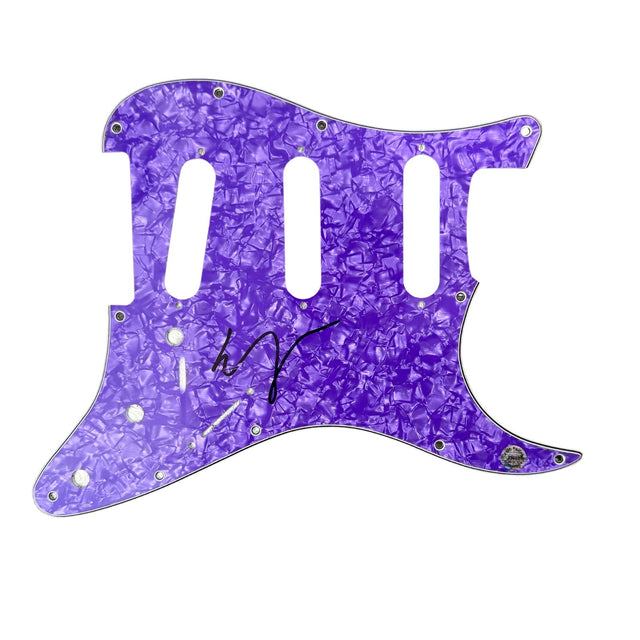
Vampire Weekend Ezra Koenig Signed Guitar Pickguard Autograph Hologram COA
$100.00 USD
-
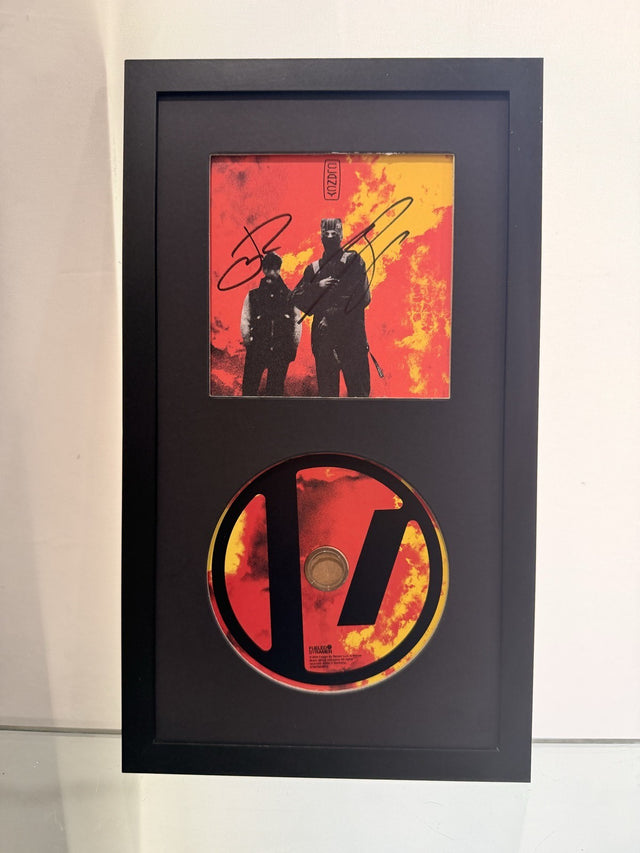
Twenty One Pilots Signed Clancy CD Framed Display Tyler Joseph Josh Dun Auto
$199.00 USD
-
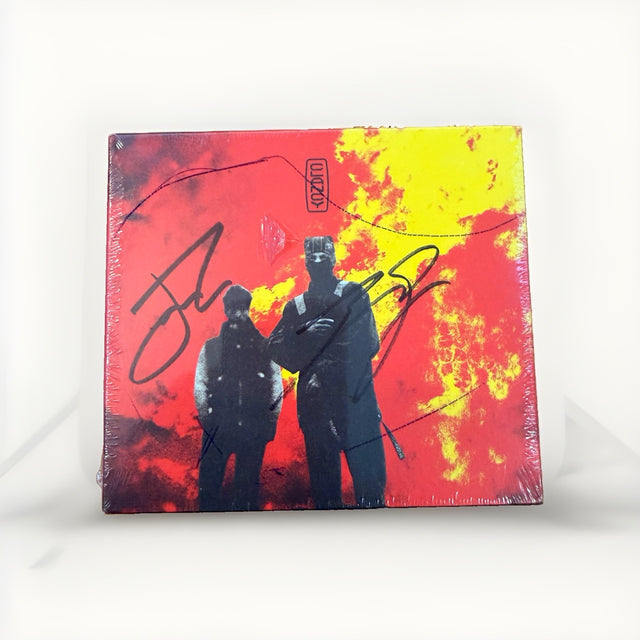
Twenty One Pilots Clancy Signed CD Tyler Joseph Josh Dun Sealed Unopened 2024
$189.00 USD
-
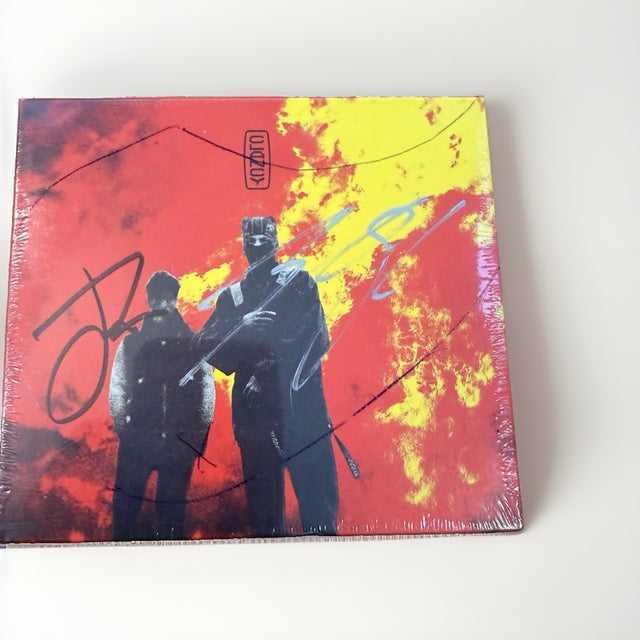
Twenty One Pilots Clancy Signed CD Sealed Tyler Joseph Josh Dun Silver Autograph
$189.00 USD
-
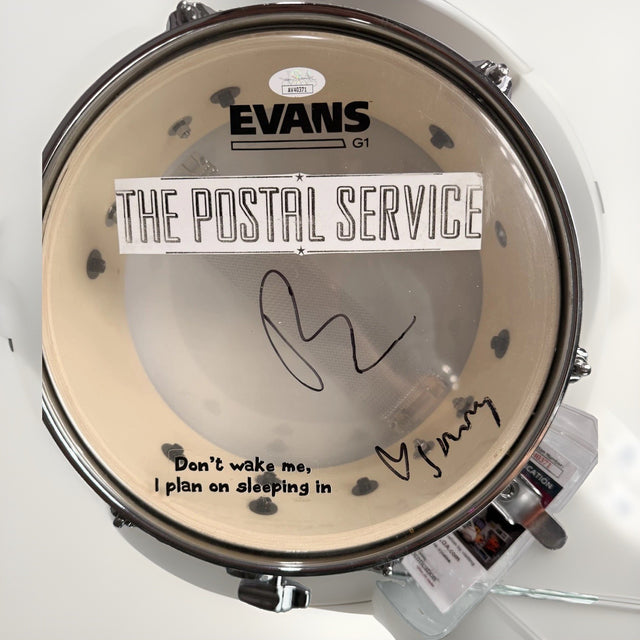
The Postal Service Dual Signed Evans M-80 Drumhead JSA A40371
$499.00 USD
-
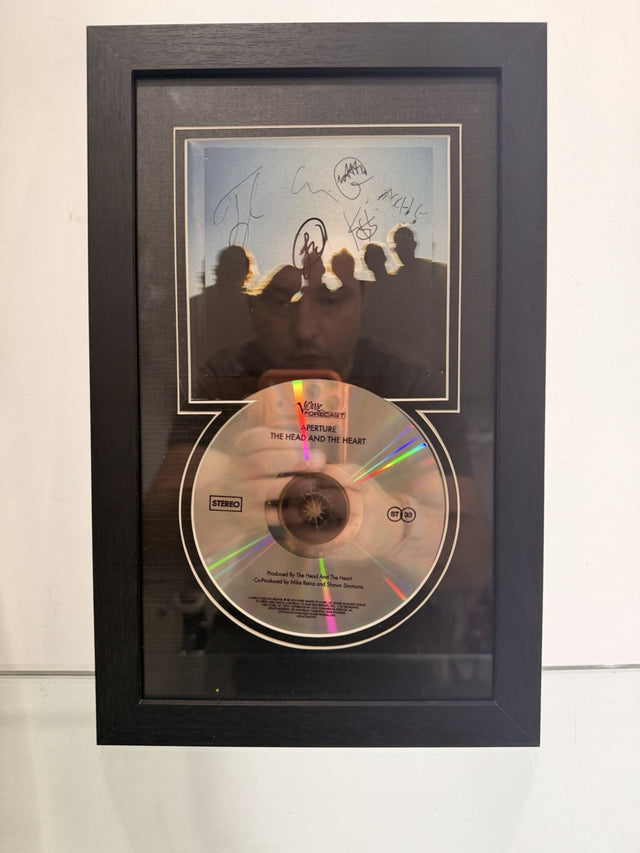
The Head and the Heart Band Signed Framed 'aperture' CD COVER ALBUM
$65.00 USD
Browse the collection for current listings.