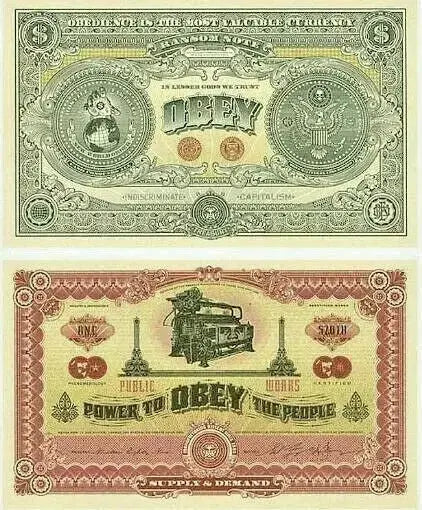
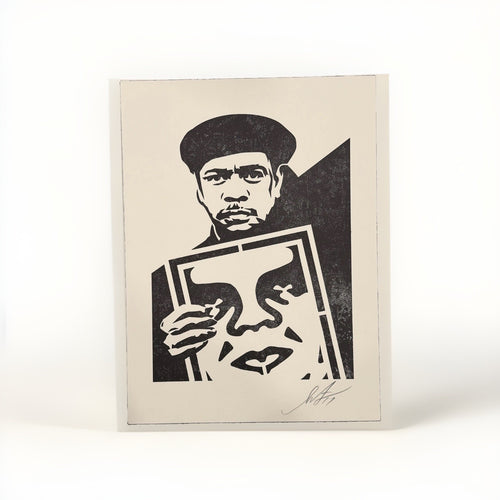
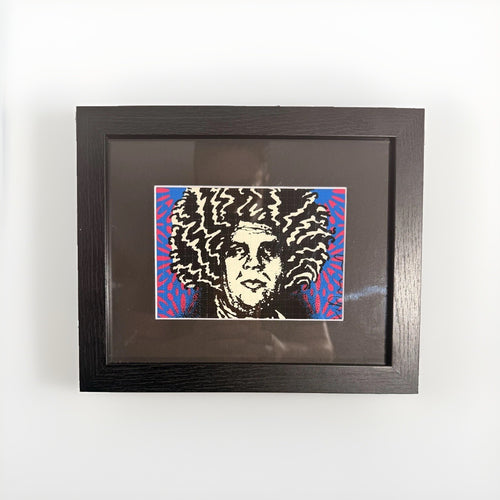
Signed vs. Unsigned Shepard Fairey Prints: Edition Structure and Price Guide
Shepard Fairey produces prints in both signed and unsigned formats across most editions — a distinction that meaningfully affects secondary market value and authentication requirements. Understanding the edition structure helps collectors buy at the right tier and avoid confusing the two formats at purchase.
How Fairey's Edition Structure Works
Most Fairey print editions from Obey Giant include: a signed and numbered edition in the primary format (e.g., "1/450"), a corresponding unsigned "regular edition" in a larger quantity, and Artist Proofs (AP) in smaller quantity signed and designated "AP XX/XX." The signed/numbered and AP editions are the collectible tier; the unsigned regular edition trades at a significant discount.
Price Differential
Signed and numbered Fairey editions consistently command 3–5x the price of unsigned editions from the same print run on secondary markets. The signed editions have documented scarcity and the artist's physical engagement with each piece; the unsigned editions are commercially produced prints without these qualifiers. Both are legitimate products of Fairey's studio; they are not equivalent as collectibles.
Authentication Markers
Signed editions: the physical signature in pencil below the image (left side for edition number, right for signature) and Obey Giant studio documentation are the authentication anchors. Unsigned editions require no authentication — there is no signature to verify. Gauntlet Gallery carries Fairey prints exclusively from the signed and numbered tier, each with Obey Giant provenance documentation.