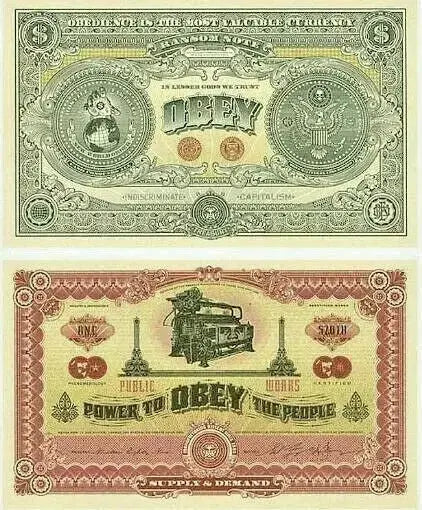
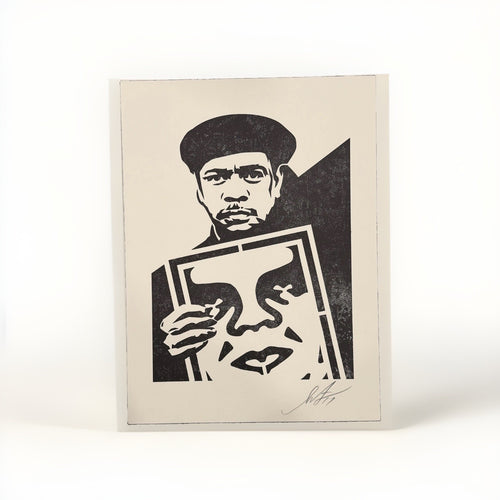
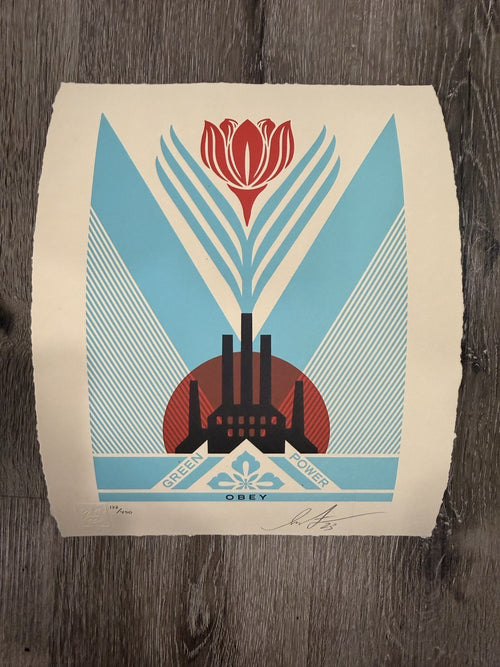
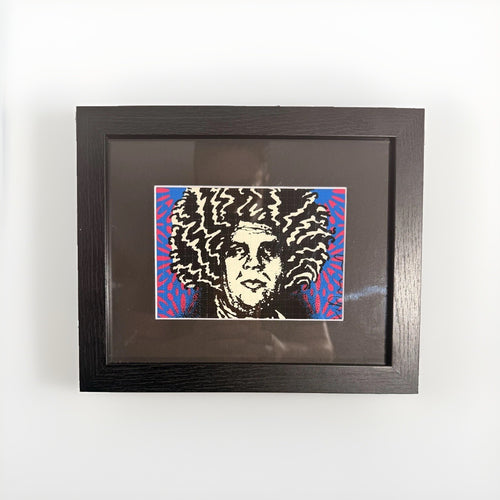
Shepard Fairey's civil rights and justice prints are a cornerstone of his artistic legacy, directly addressing themes of equality, human dignity, and the ongoing fight against oppression. These works are not merely aesthetic objects; they are visual declarations, often featuring compelling portraits of historical figures and powerful symbolic narratives that resonate deeply with the movements they represent. For collectors, engaging with this category requires a nuanced understanding of the art's historical context, the critical role of provenance, and the importance of detailed descriptions that go beyond generic titles.
The Core of Conscience: Shepard Fairey's Civil Rights and Justice Prints
Shepard Fairey has consistently utilized his platform to champion social justice, making civil rights and justice a recurring and central theme throughout his career. From his earliest street art endeavors to his highly sought-after fine art prints, Fairey's commitment to these issues is unwavering. This dedication is reflected in the Gauntlet Gallery's Shepard Fairey Print & Fine-Art Index, which documents 2,623 OBEY Giant works and categorizes a significant portion under themes such as civil rights and justice, peace and anti-war, and politics and democracy. These prints serve as powerful reminders of historical struggles and contemporary challenges, inviting viewers to reflect, question, and engage. They bridge the gap between art and activism, demonstrating how visual culture can inspire and mobilize.
The impact of these works extends beyond their visual appeal. They function as educational tools, preserving the memory of pivotal moments and figures in the fight for justice. Collecting these prints is, for many, an act of solidarity and a way to own a piece of art that carries profound historical and social weight. However, this depth also necessitates a more rigorous approach to collecting, particularly concerning documentation and contextualization, as the message is as vital as the medium.
Portraits of Purpose: Honoring Icons of Change
A significant portion of Fairey's civil rights and justice oeuvre comprises striking portraits of individuals who have shaped history through their dedication to social change. These are not just likenesses; they are carefully crafted tributes designed to evoke the spirit and struggle of their subjects. Fairey employs his signature graphic style—bold lines, limited color palettes, and iconic imagery—to elevate these figures from mere individuals to symbols of broader movements.
Consider the power inherent in a portrait of a civil rights leader; Fairey's renditions aim to capture their unwavering resolve and enduring legacy. These works often become focal points in collections, not only for their artistic merit but also for the powerful narratives they embody. The choice of subject, the composition, and the subtle symbolic elements within each portrait are all deliberate, contributing to a powerful visual dialogue that transcends time. Collectors are drawn to these pieces for their ability to inspire and to serve as a constant reminder of the principles of justice and equality that these figures championed.
Symbolic Narratives: Art as a Call to Action
Beyond direct portraiture, Shepard Fairey masterfully employs symbolic narratives to convey messages of civil rights and justice. His prints frequently incorporate iconography that is universally understood yet uniquely stylized, drawing from a rich lexicon of protest art, propaganda, and pop culture. This symbolic language allows Fairey to address complex social issues without relying solely on explicit imagery.
For instance, a raised fist might symbolize solidarity and resistance, while a dove could represent peace and hope. These symbols are often interwoven with floral motifs, geometric patterns, or text-based elements to create layered compositions that invite deeper interpretation. The effectiveness of these symbolic works lies in their ability to communicate across diverse audiences, transcending linguistic barriers and speaking directly to shared human experiences of struggle and aspiration. Understanding these symbols is key to fully appreciating the depth and intent behind Fairey's justice-themed prints. They are not just aesthetically pleasing designs; they are carefully constructed visual arguments designed to provoke thought and encourage action.
Art has the power to transcend language and cultural barriers, speaking directly to the human spirit in ways that words often cannot. Shepard Fairey's civil rights and justice prints exemplify this, serving as enduring visual testaments to ongoing struggles and aspirations for a more equitable world.
The Imperative of Provenance and Authentication
For any significant artwork, and particularly for politically and historically charged prints by an artist of Shepard Fairey's stature, establishing a coherent provenance chain and ensuring authenticity is paramount. Provenance refers to the complete history of ownership of an artwork, from its creation to its current owner. A robust provenance provides confidence in the work's legitimacy and can significantly impact its market value.
For Shepard Fairey prints, a coherent provenance chain should ideally include documentation from the initial release, such as original purchase receipts, gallery invoices, or official release records. Subsequent transfers of ownership should also be documented. It is crucial to understand that Shepard Fairey does not issue Certificates of Authenticity (COAs) for his prints, and a signature alone, while important, does not definitively authenticate a work. Many forgeries exist, some with convincing signatures. Therefore, physical inspection by a knowledgeable expert is often a necessary step in the authentication process, allowing for examination of paper type, printing technique, and other physical characteristics.
When considering a purchase, always inquire about the print's history and demand clear documentation. Reputable dealers will provide this information readily. For further guidance on identifying genuine works, consult resources like Gauntlet Gallery's How to Spot a Fake Shepard Fairey guide.
Beyond the Generic: Contextualizing Historic Subject Matter
One of the most critical aspects of collecting Shepard Fairey's civil rights and justice prints is moving beyond generic listing titles. A print titled merely "Civil Rights Print" fails to capture the profound depth and specific historical weight that many of these works carry. For collectors, understanding the precise historical event, the specific figure portrayed, or the particular movement referenced transforms the artwork from a general statement into a powerful, specific historical artifact.
For example, knowing that a print commemorates a specific march, a landmark legislative act, or a particular moment in a leader's life adds immeasurable value to the collector's appreciation and understanding. This context enriches the collecting experience and ensures that the historical narrative embedded within the art is preserved and respected. When evaluating or listing such a print, a detailed description that provides this historical backdrop is not just helpful; it is essential for both ethical representation and informed collecting.
Consider the following aspects when contextualizing these works:
| Aspect of Context | Why it Matters for Civil Rights Prints |
|---|---|
| Historical Event | Connects the art to specific moments of struggle, triumph, or significant policy change, providing a deeper narrative. |
| Figure Portrayed | Understanding their biography, contributions, and legacy enhances the print's significance and emotional impact. |
| Symbolic Elements | Deciphering Fairey's visual language and its historical or cultural roots enriches the interpretation of the print's message. |
| Release Context | Links the print to its original purpose, whether it was part of a specific campaign, exhibition, or commemorative series. |
| Edition Details | While not always historical, understanding edition size and variations informs rarity and market perception, especially for significant works. |
Navigating the Market for Justice-Themed Works
The market for Shepard Fairey's civil rights and justice prints, like all art markets, is dynamic. The value of these works can vary significantly based on factors such as the specific subject matter, rarity, condition, and the overall demand for the artist's work. While the Gauntlet Gallery's Shepard Fairey Print & Fine-Art Index documents 2,623 OBEY Giant works, recorded market ranges appear for about 29% of them, providing a qualitative benchmark rather than definitive pricing.
Collectors interested in acquiring these significant pieces should approach the market with careful research and a clear understanding of their objectives. It is advisable to review sold comparables from reputable sources and to consult with experienced dealers or appraisers. Avoid making assumptions about value based solely on initial release prices or anecdotal evidence. A comprehensive understanding of the market requires patience and diligence.
Key considerations for collectors:
- Research the specific historical context of the print you are interested in.
- Verify the print's provenance thoroughly, seeking clear documentation.
- Consult the Gauntlet Gallery Shepard Fairey Print & Fine-Art Index for general information and thematic categorization.
- Seek expert appraisal or dealer advice for valuation and authenticity verification.
- Familiarize yourself with general collecting principles outlined in our Shepard Fairey Buyer's Guide.
For insights into general market trends, our Shepard Fairey Price Guide offers qualitative perspectives on how various factors influence value.
Frequently Asked Questions About Shepard Fairey Civil Rights and Justice Prints
How do Shepard Fairey's civil rights prints differ from his other thematic categories?
While nearly all of Shepard Fairey's work carries a strong message, his civil rights and justice prints are uniquely focused on specific historical struggles, figures, and movements for equality and human rights. Unlike his critiques of consumerism, environmental advocacy, or music-themed works, these pieces often serve as direct commemorations or calls to action regarding specific social and political injustices. They are deeply rooted in historical narrative and often aim to inspire reflection on past and ongoing battles for a more just society.
What makes provenance particularly important for these historically charged works?
Provenance is always critical for authenticating and valuing fine art, but for civil rights and justice prints, its importance is amplified. A clear and coherent chain of ownership and documentation not only verifies the print's authenticity but also reinforces its integrity as a piece of social commentary and historical art. It helps to ensure that the work's historical context and message are accurately preserved and understood, contributing to its overall significance and value as a cultural artifact.
Can I expect a Shepard Fairey civil rights print to appreciate in value?
While many of Shepard Fairey's works have demonstrated strong collector interest and some have seen appreciation over time, future value appreciation is never guaranteed. The market for art is influenced by numerous factors, including the print's specific rarity, condition, the historical significance of its subject, overall demand for Fairey's work, and broader economic trends. Collectors should primarily focus on the artistic and historical significance of these works rather than viewing them solely as investments. Reviewing sold comparables from reputable sources can offer insights into past market performance, but it is not indicative of future results.
Begin Your Collection of Shepard Fairey Civil Rights and Justice Prints
Shepard Fairey's civil rights and justice prints offer collectors a unique opportunity to engage with art that is both aesthetically compelling and deeply meaningful. These works stand as powerful testaments to the enduring human spirit in the face of injustice, embodying a legacy of activism and hope. By understanding the historical context, the nuances of provenance, and the importance of detailed descriptions, collectors can confidently acquire pieces that resonate with their values and contribute to a significant collection.
We invite you to explore the diverse range of Shepard Fairey's work, including his impactful civil rights and justice prints, within the Gauntlet Gallery's curated collection. Discover pieces that speak to the heart of social change and become a part of their ongoing narrative. Visit our Shepard Fairey collection or delve deeper into his extensive body of work through our comprehensive Shepard Fairey Print & Fine-Art Index.