If you are asking which autograph authenticator is more trusted, PSA or JSA, the honest answer is that neither is universally "more trusted" than the other, and Beckett belongs in the same conversation. PSA/PSA-DNA, JSA (James Spence Authentication), and Beckett Authentication Services (BAS) are the three third-party names most widely recognized by U.S. auction houses, dealers, and serious collectors. All three are independent of the seller, all three follow a similar examination process, and all three issue a verifiable, numbered certification. Collector preference is genuinely split, and it tends to break down by the specific signer, the category, and the venue where you plan to resell rather than by any across-the-board ranking. Anyone who tells you one of these three is simply "the best" is offering an opinion, not a fact.
What is true, and far more useful, is that a signed item carrying a recognized third-party letter of authenticity almost always resells more easily and more strongly than the same item with only a seller-printed certificate or no documentation at all. That is the part that affects resale value. This guide explains what third-party authentication actually proves, walks through PSA/PSA-DNA, JSA, and Beckett evenly, shows where collectors tend to prefer one over another and why, addresses how authentication moves resale value, and closes with how to verify a certificate before you buy. Throughout, we state principles rather than invented numbers, because fees, turnaround times, and database counts change constantly and should always be checked on each authenticator's live site.
Why third-party authentication exists (and what it does and doesn't prove)

Autographs are one of the most heavily forged categories in the entire collectibles market, and music autographs sit near the top of that list. The problem is structural: a signature is quick to fake, expensive to verify, and easy to sell to a buyer who has no way to compare it against a genuine example. Into that gap stepped the independent authenticator. The entire reason a third-party opinion carries weight is that the authenticator has no financial stake in the sale. A seller who certifies their own item is vouching for the thing they profit from selling; an independent company examining that same signature has nothing to gain from calling it genuine or fake. That independence is the source of the trust, not the logo on the sticker.
Every signed music piece at Gauntlet Gallery lists its Beckett, JSA, or PSA certification up front, so you can verify the authenticator before you buy.
Browse Certified Signed MusicIt is just as important to be clear about what authentication does not do. A third-party opinion is exactly that, an expert opinion, not a laboratory certainty. The authenticator is saying that, in the considered judgment of a trained examiner comparing the signature against known authentic exemplars, the autograph is consistent with the genuine article. That is a meaningful and valuable judgment, but it is a judgment. It is not a DNA test of the signer, and reputable authenticators are careful never to frame it as absolute proof. This is also why the strongest position a collector can hold is not authentication alone but authentication combined with documented provenance, the item's ownership and signing history, which independently supports the story of how the piece came to be signed.
There is one form of authentication that comes closer to certainty, and it is worth flagging early because it becomes a differentiator later in this guide: witnessed authentication, where a representative of the authenticator was physically present and watched the pen touch the item. A witnessed certification removes the guesswork, because the question is no longer "does this signature look genuine" but "was this item signed in front of a credentialed observer." Most authentication is opinion-based and happens after the fact; witnessed authentication is a separate, higher-assurance tier that only applies when the authenticator was present at the signing.
PSA / PSA-DNA: process and how collectors use it

PSA/DNA is the autograph and memorabilia authentication service of PSA (Professional Sports Authenticator). It was founded in 1998 in direct response to the wave of forgery that was flooding the market at the time, and it has grown into one of the most widely recognized third-party authenticators in the hobby. Its examination process follows the shared model: authenticators conduct ink analysis, study the structure and flow of the autograph, evaluate the object itself, and compare the signature side by side against known authentic exemplars. When a piece requires deeper review, examiners may bring in forensic tools such as a video spectral comparator to look beneath the surface of the ink.
PSA/DNA is particularly associated with layered, hard-to-counterfeit security features. Its certifications have historically combined tamper-evident holographic stickers with embedded, color-changing hologram elements, and its full letters of authenticity are printed on double-watermarked paper with a hologram that is part of the paper itself rather than a sticker applied on top. The company has also long described a synthetic security marker element as part of its system; it is best to describe that generally as a proprietary security marker rather than to overstate its exact mechanism.
One recency point matters here, because older collector guides get it wrong. Multiple sources indicate that starting around October 2023, PSA/DNA stopped issuing physical certification cards for standard autograph authentication. Instead, standard items receive the tamper-evident holographic sticker plus a permanent digital certificate of authenticity recorded in PSA's online database, with full printed letters of authenticity reserved for higher-value items. If you read a guide that describes a "PSA certification card" as the standard deliverable, treat it as dated and confirm the current policy on PSA's live site. In practice, collectors use PSA/DNA the same way they use the others: they take the certification number and verify it directly at PSA's online cert-verification page, which shows the details on file and, for many records, an image of the item.
JSA (James Spence Authentication): process and the Witnessed Protection Program

JSA was founded in 2005 by James Spence, Jr., and its reputation rests heavily on the founder's and the team's hands-on experience and long-standing relationships across the auction and dealer community. Its core process mirrors the others: expert examiners study the signature and compare it against a large reference file of known authentic exemplars, a file JSA is widely cited as maintaining in very large numbers. Any exact count you see quoted should be treated as approximate and checked against JSA's current site, because these figures move over time. When a signature is deemed genuine, JSA applies a serialized, tamper-evident sticker or hologram to the item and, traditionally, provides a matching letter of authenticity sharing the same serial number, all verifiable online.
JSA's genuine differentiator is its Witnessed Protection Program, or WPP. This is the witnessed-authentication tier described earlier, and it is a distinct, higher-assurance offering rather than JSA's ordinary service. Under the WPP, a JSA representative is physically present at the signing and certifies that they personally watched the item being signed, the pen actually hitting the surface, rather than forming an after-the-fact opinion about a signature someone else obtained. This matters because it collapses the biggest uncertainty in autograph collecting: instead of asking whether a signature merely looks authentic, a witnessed item answers whether it was authentically signed, observed by a credentialed party. For collectors who prize maximum assurance, a JSA-witnessed piece carries a form of certainty that opinion-based authentication, from any company, cannot match.
JSA markets its letters and certifications as accepted by major auction houses and dealers, and it has historically framed its service with a submission-fee-back guarantee; verify the current terms of any such guarantee directly, as these policies change. One practical note for buyers: JSA's website structure has changed over time, and some older JSA links no longer resolve, so when you go to verify a JSA certificate, use the company's current live verification page rather than an old bookmarked URL.
Beckett Authentication Services (BAS): process and positioning

Beckett Authentication Services is the autograph-authentication arm associated with Beckett, a name that has been a fixture in sports and collectibles grading and price guides for decades. That lineage is part of BAS's positioning: it brings an established grading-and-reference pedigree to signature authentication. Its process again follows the shared model, with experts analyzing ink and the structure of the signature and referencing an exemplar database for side-by-side comparison. For cases that need a closer look, BAS describes using tools such as a Pro-Scope or a VSC (video spectral comparator) machine to examine the signature in forensic detail.
When a signature is deemed authentic, BAS applies a half-inch oval tamper-evident label bearing an alphanumeric BAS certification number. In Beckett's own wording, that label "can only be applied to an object once, and can be removed, but will leave behind fragments of the label, preventing it from being reapplied to any other object." In other words, the sticker is designed to self-destruct if peeled, so it cannot be transferred from an authentic item to a forgery. For collectors who want more than the small sticker, BAS offers, for an additional fee, a full letter of authenticity bearing the same certification number along with an image of the exact item that was examined and certified, tying the paperwork directly to the object. Customers can generally choose between the sticker alone and the sticker-plus-LOA.
On turnaround, a point of honesty is warranted: BAS's own site states that it does not guarantee turnaround times. You may encounter secondary summaries citing a specific business-day target, but that should be treated as directional only and re-verified on the live site before you rely on it. As with the others, every BAS certification is verifiable online by entering the certification number, and that online check, not the physical sticker or letter on its own, is the real proof.
How they actually differ (and why collectors sometimes prefer one for a given signer or category)

Start with what is identical, because it is most of the picture. All three companies operate the same independent third-party model, examine ink and signature structure, compare against exemplar databases, deploy forensic tools such as magnification and video spectral comparators when a case demands it, apply a tamper-evident numbered sticker, maintain an online verification database, and offer a fuller letter of authenticity as an option. A collector who insists only on "a recognized third-party cert I can verify online" is already covered by any of the three. The differences are real but narrower than the shared foundation, and they rarely justify calling one service categorically better.
The differences that do matter cluster around a few axes. The first is witnessed versus opinion-based certification. JSA's Witnessed Protection Program is the clearest example of an in-person, watched-the-signing tier, and where a witnessed certificate exists it represents the strongest form of assurance available, because it removes the after-the-fact guesswork entirely. The second is the specific mix of security features and deliverables: PSA/DNA is especially associated with layered holographic and embedded security and, as of its 2023 change, a digital-certificate-plus-sticker model for standard autographs; BAS is known for its self-fragmenting oval label and its item-image LOA; JSA for its serialized hologram and long dealer-community track record. The third is online verifiability and item imaging, how easily you can pull up the record and see a picture of the exact piece.
Then there is the axis collectors actually argue about most: which service is strongest or most accepted for a particular signer or category. Preference here is genuinely split, and collector forums are full of active, ongoing debate about which company is favored for a given artist or type of item, which is itself the best evidence that there is no single winner. In practice, the factor that should tip a decision is acceptance by the venue where you intend to resell: if a particular auction house or dealer network you plan to sell through leans toward one authenticator for your category, that acceptance, not an abstract ranking, is the sensible tiebreaker. Fees and turnaround also vary and change, and can reasonably influence a choice, but they are the weakest basis for judging trust.
One piece from each authenticator, in the gallery now
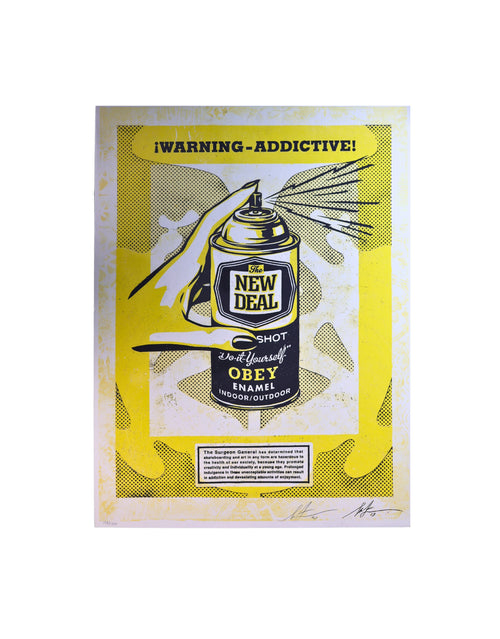
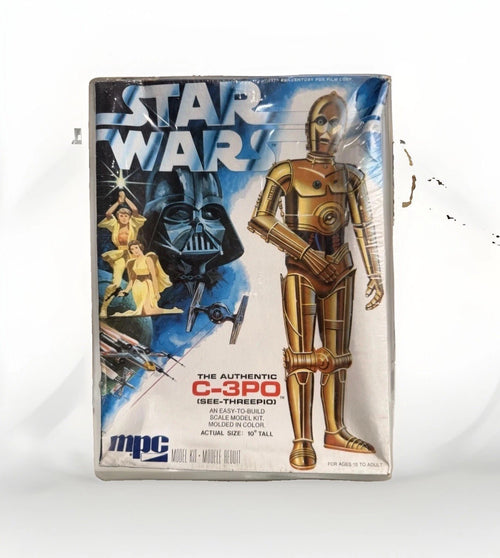
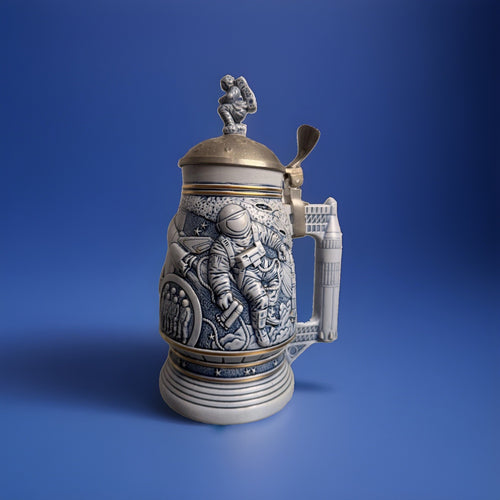
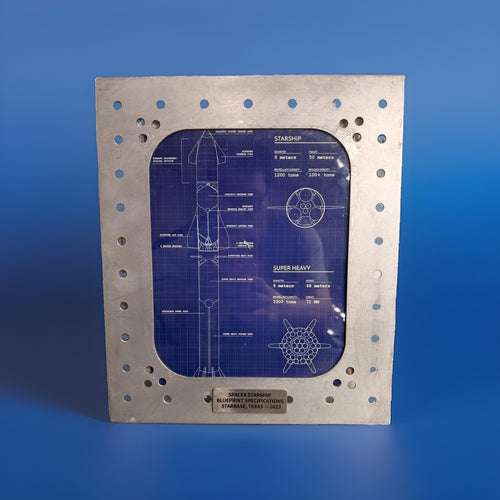
Each of these listings states its certification number so you can check it directly against the authenticator’s database.


Does authentication affect resale value?

Yes, and this is where the practical stakes of the whole question sit. The principle is straightforward: independent third-party authentication and documented provenance carry substantially more market weight than a generic seller-issued certificate, because the third party has no stake in the sale and provides an independent, online-verifiable record that any future buyer can check. A seller-printed COA attests to authenticity from the very party who profits from the transaction, which is an inherent conflict of interest; a recognized third-party letter of authenticity comes from an independent expert whose opinion a downstream buyer can verify by a number, without having to trust the seller at all. That verifiability is what makes the item liquid, and liquidity is what supports value.
The right way to think about the effect on value is in terms of comparable sales rather than invented figures. Realized prices, what genuinely similar authenticated items have actually sold for, are the anchor; asking prices are not comps. Across the market, authenticated items with clear provenance tend to perform better in the secondary market than otherwise-identical items lacking recognized documentation, and the reason is simple: the next buyer inherits your certainty. When you can hand a purchaser a recognized third-party LOA plus a documented ownership history, you have removed the doubt that would otherwise force them to discount their offer or walk away. An unauthenticated or seller-only-certified example asks that next buyer to absorb the authentication risk themselves, and rational buyers price that risk in.
This is why the strongest position combines a third-party LOA with documented provenance rather than relying on either alone. Provenance, receipts from tours or studios, letters from band members or estates, dated photos or video of the item in use, is independently powerful, and for high-value or stage-used pieces it can matter as much as the signature opinion. For instruments and stage gear, an additional evidentiary layer, photo-matching the specific item to photographs or video of the artist actually using it at a documented event, represents the apex of the market and can command a meaningful premium over an identical model with unknown history. The recurring lesson is that value tracks removable doubt: the more independently verifiable certainty a piece carries into its next sale, the better it holds and grows its price.
How to verify a cert and buy with confidence

The single most important habit in autograph collecting is also the simplest: a certification is only as good as the number being live and verifiable in the issuer's own database. A sticker or letter with no matching online record is a red flag no matter whose logo is on it. So the first step, before you weigh anything else, is to take the certification number and enter it directly on the authenticator's official verification page, PSA's cert-verification page for PSA/DNA, and the current live verification pages for JSA and BAS, and confirm that it resolves to a real record whose description, and image where available, matches the item in front of you. Do not trust the physical sticker or the letter on its own; trust the live database.
From there, a short due-diligence checklist protects you. Confirm the certificate identifies the specific item rather than offering boilerplate, and that it names a contactable issuer with a real company identity. Prefer independent third-party authentication (BAS, JSA, or PSA/DNA) over a seller-only COA, and prefer witnessed or well-documented-provenance items where they are available. Demand and examine provenance, receipts, estate or tour documentation, dated photos or video of the item in use. Inspect the signature medium itself: genuine signatures show natural variation and ink relief, while autopen and printed signatures tend to look mechanically perfect and near-identical across copies, and traced signatures betray hesitation, uneven line weight, or pen lifts where a real signature would flow. Be wary of prices that are conspicuously below market, which frequently accompany autopen, preprint, or fake-COA items. For instruments and stage gear, ask specifically about photo-matching to documented performances.
One historical statistic deserves careful framing here. PSA/DNA has been widely quoted, originating in a 2005 CBS News report, stating that only around 6 percent of Beatles items and roughly 24 percent of Elvis Presley signatures it examined were genuine. Those figures are period figures from that era and that specific reporting, not current, precise, or independently re-measured rates; cite them, if at all, as a dated illustration of how heavily music autographs have been forged, not as a live measurement. The underlying lesson holds regardless of the exact percentages: skepticism and verification are not paranoia in this category, they are basic hygiene.
The collector's takeaway is that "PSA or JSA" is the wrong frame. PSA/PSA-DNA, JSA, and Beckett are three credible, independent authenticators, none crowned best, and the real decision is choosing a recognized third-party opinion you can verify online, backing it with documented provenance, and matching your choice to the venue where you plan to resell. That combination, not any single logo, is what protects both your certainty and your resale value. Gauntlet Gallery is an authentication-first gallery: it authenticates before it lists, shows provenance rather than promising it, and for signed music memorabilia relies on the established third-party autograph authenticators, Beckett, JSA, and PSA, weighed on their merits rather than ranked. You can browse the signed music collection and see the approach in the pieces themselves, and if a seller ever cannot point you to a verifiable third-party record, you already have your answer.
Frequently Asked Questions
Which autograph authenticator is more trusted, PSA or JSA?
Neither PSA/PSA-DNA nor JSA is universally "more trusted" than the other; both are major, widely recognized third-party authenticators, and Beckett (BAS) belongs in the same tier. Collector preference is genuinely split and tends to break down by the specific signer, the category, and the auction house or dealer network you plan to resell through, rather than by any across-the-board ranking. The more useful question is whether the certificate comes from a recognized independent third party and can be verified online, which is true of all three.
Does a PSA, JSA, or Beckett letter of authenticity increase resale value?
In practice, yes: an item carrying a recognized third-party LOA that a buyer can verify online generally resells more easily and more strongly than the same item with only a seller-printed certificate or no documentation. The reason is that the next buyer inherits your certainty instead of having to absorb the authentication risk themselves, and rational buyers discount unverifiable items. Value tracks realized comparable sales, and the strongest position combines a third-party LOA with documented provenance rather than relying on either alone.
What is JSA's Witnessed Protection Program and why does it matter?
JSA's Witnessed Protection Program (WPP) is a higher-assurance tier in which a JSA representative is physically present at the signing and certifies that they personally watched the item being signed, rather than forming an after-the-fact opinion about a signature. It matters because it removes the biggest uncertainty in autograph collecting: the question shifts from whether a signature merely looks genuine to whether the item was authentically signed in front of a credentialed observer. Where a witnessed certificate exists, it represents the strongest form of assurance available from any authenticator.
Does PSA/DNA still issue a physical certification card?
Reportedly, starting around October 2023, PSA/DNA stopped issuing physical certification cards for standard autograph authentication and moved to a tamper-evident holographic sticker plus a permanent digital certificate recorded in its online database, with full printed letters of authenticity reserved for higher-value items. Older collector guides that describe a "certification card" as the standard deliverable are dated, so confirm the current policy on PSA's live site. Either way, the meaningful proof is the certification number resolving to a live record in the issuer's database, not the physical format.
How do I verify a signed music item's certificate before buying?
Take the certification number and enter it directly on the authenticator's official verification page, PSA's cert-verification page for PSA/DNA, and the current live verification pages for JSA and BAS, and confirm it resolves to a real record whose description and image match the item. Do not trust the physical sticker or letter alone, and prefer independent third-party authentication plus documented provenance over a seller-only COA. For instruments or stage gear, also ask about photo-matching to documented performances, and be wary of unnaturally perfect signatures or prices well below market.
Put this guide to work
Compare PSA/DNA, JSA, and Beckett certifications side by side on real inventory. Every signed music listing at Gauntlet Gallery names its authenticator and certification number before you commit.
Browse Certified Signed MusicQuestions about certification? See our certificate of authenticity guide.