

Featured image: AI-generated interior concept using product reference photography. Scale, setting, framing, and placement are illustrative.
The initial design decision for any residential project often hinges on a client's core interests. When a client expresses a profound appreciation for space exploration but also demands a refined, contemporary aesthetic for their home, the designer faces a fascinating challenge. The immediate inclination might be to embrace overt space memorabilia, yet a truly sophisticated interior requires more than a mere collection of souvenirs. The objective shifts to weaving a narrative of scientific curiosity and technological achievement into the very fabric of the home, using carefully chosen pieces as thoughtful anchors rather than visual clutter. This demands a nuanced approach, distinguishing between a literal, museum-like display and a genuinely integrated design statement. The chosen objects must possess an inherent design quality that transcends their collectible status, allowing them to function as sculptural elements or focal points within a larger scheme. Our focus here is on two distinct NASA-themed BE@RBRICK figures: the monumental 1000% Space Shuttle 40th Anniversary edition and the more compact Project Mercury Astronaut 400% & 100% set. Each offers unique possibilities for a science-inspired home, presenting different scales, color palettes, and historical references that can inform a designer's choices. The key is to avoid a literal translation of a space theme and instead cultivate an atmosphere that reflects intelligence, innovation, and a subtle reverence for human ingenuity.
The BE@RBRICK as a deliberate design object, not a mere toy
Before any collectible finds its place within a design scheme, it is crucial to understand its intrinsic qualities beyond its provenance or cultural significance. The BE@RBRICK platform, developed by Medicom Toy, is fundamentally a stylized bear form, intentionally designed as a blank canvas for collaborations. This inherent simplicity is its strength, enabling it to adapt to diverse themes while retaining a universally recognizable silhouette. When considering the BE@RBRICK NASA Space Shuttle 40th Anniversary 1000%, its colossal scale is its most dominant characteristic. Standing approximately 27.5 inches tall, it commands attention. The figure's pale blue-gray finish, subtly patterned with technical-style patterns visible upon closer inspection, gives it a sophisticated, almost architectural presence. The prominent Columbia Space Shuttle graphic on the chest is the primary identifier, yet the overall impression is one of understated industrial design rather than overt pop art. The contrasting dark hands add a grounding element, echoing the structural accents often found in aerospace engineering. This particular BE@RBRICK, with its muted tones and technical detailing, functions as a sculptural anchor in a room, drawing the eye without overwhelming the space with excessive color. Its clean lines and monolithic form make it suitable for minimalist or contemporary interiors where other objects might feel too busy. It is not merely a toy; it is a substantial object designed to be appreciated for its form and subtle surface treatment, making it a powerful statement piece that integrates into a mature aesthetic. The design intent here is clear: to create a collectible that functions as a piece of contemporary sculpture, capable of holding its own within a refined interior. The precise articulation of its limbs allows for minor adjustments in posture, offering a subtle dynamism without compromising its sculptural integrity. This attention to detail elevates it beyond a simple model, positioning it as a considered element in a high-end design.
Leveraging white forms and black structural accents in a science-themed interior
A home that celebrates science often gravitates towards a palette reflecting precision, clarity, and the vastness of the cosmos. This frequently translates into interiors dominated by whites, grays, and blacks. These colors are not merely aesthetic choices; they evoke the cleanroom environments of scientific research, the stark contrast of celestial bodies against the void, or the intricate diagrams of complex machinery. The Space Shuttle BE@RBRICK fits this aesthetic perfectly. Its pale blue-gray body, while not pure white, reads as a light, neutral tone against which darker elements can pop. The subtle technical patterns etched into its surface prevent it from appearing monolithic or uninteresting, adding a layer of detail without introducing visual noise. The dark, almost black hands are crucial here, providing a necessary structural accent that grounds the figure. This interplay of light and dark, subtle texture and bold form, is a hallmark of thoughtful design. In a room featuring white walls, light wood floors, and perhaps some matte black metal furniture or lighting fixtures, this BE@RBRICK would find its natural home. It would complement a black-framed scientific illustration or a minimalist black and white photograph of a planetary landscape. The figure itself becomes a three-dimensional representation of this color story, a quiet nod to the precision and elegance of engineering without resorting to overt thematic elements. It speaks to an appreciation for form and function, a core tenet of scientific design, allowing the piece to contribute to a sophisticated, rather than thematic, atmosphere. The strategic use of these neutral tones ensures the space feels expansive and intellectual, rather than confined or overly decorative. Consider pairing it with other elements that feature a similar white or light gray base with black detailing, such as a sculptural table lamp with a white ceramic base and a black fabric shade, or a minimalist shelving unit in white with black metal supports. This creates a cohesive visual language where the BE@RBRICK feels like an organic part of the overall design, rather than an isolated object.
Display stability and strategic placement for oversized collectibles
The practicalities of displaying a large collectible like the 1000% BE@RBRICK are paramount. At approximately 27.5 inches tall, it requires a stable, prominent location. This is not an object to be tucked onto a crowded bookshelf. Instead, it demands a dedicated surface or plinth where its scale can be appreciated without feeling cramped. Consider a low, wide credenza in a living room, a substantial console table in an entryway, or even a dedicated pedestal in a study. The weight of a 1000% BE@RBRICK, while not excessive for most furniture, dictates a sturdy surface. Beyond structural integrity, visual stability is key. The figure should be positioned so that it feels balanced within the room. For instance, placing it at the end of a long, clear surface can create a sense of visual termination, guiding the eye. Alternatively, it can anchor a corner, especially if paired with a tall plant or a floor lamp to create a vertical dynamic. The goal is to present it as a deliberate sculptural object, not a casual plaything. Good lighting will further enhance its presence, perhaps a subtle uplight to emphasize its form or a directed spotlight to highlight its surface details and the Space Shuttle graphic. Avoid placing it on surfaces prone to vibration or in high-traffic areas where it might be easily knocked over. While articulated, its joints are not designed for constant manipulation, so a static display is generally preferred for longevity and aesthetic impact. Care should be taken to confirm the exact dimensions of the piece and the display surface before final specification. Proper placement not only protects the object but also maximizes its visual impact within the larger design. For instance, in a room with a strong horizontal emphasis, such as a long sofa or a linear fireplace, the verticality of the 1000% BE@RBRICK can provide a crucial counterpoint, breaking up the horizontal lines and adding visual interest. Its substantial presence allows it to hold its own in larger rooms, preventing it from being dwarfed by other furniture or architectural elements.
Comparing the Space Shuttle and Project Mercury Astronaut figures
While both BE@RBRICK figures share a NASA theme, their aesthetic and historical contexts offer distinct design possibilities. The Space Shuttle 1000% is a celebration of a specific program, marked by a sleek, almost industrial design in a pale blue-gray. Its large scale makes it a singular, dominant statement piece. The graphic on its chest is a commemorative emblem, focusing on the vehicle itself. In contrast, the BE@RBRICK Project Mercury Astronaut 400% & 100% Set offers a different narrative. These figures, in their iconic silver Mercury-era pressure suits, represent the dawn of human spaceflight. The clear bubble dome helmet, the NASA "meatball" insignia, and the segmented body construction directly reference the suits worn by the Mercury 7 astronauts. The 400% figure stands at approximately 11 inches, making it significant but less imposing than its 1000% counterpart, and it comes paired with a matching 100% figure. This set provides versatility; the smaller figure can be displayed alongside the larger one, or in a different location, creating a subtle thematic link across a room or even between adjacent spaces. The silver finish of the Mercury Astronaut figures adds a metallic sheen, a different textural quality compared to the matte-like finish of the Space Shuttle BE@RBRICK. This choice between a focus on the machine (Space Shuttle) and the human element (Mercury Astronaut) allows for varied expressions of a science theme, offering designers flexibility in how they tell their client's story. The Project Mercury set, with its dual sizing, also introduces an opportunity for layered display, perhaps with the 400% as a primary accent and the 100% as a desk accessory, allowing for a more dynamic and intricate narrative within the space. The difference in scale and finish between the two also permits a designer to select the piece that best harmonizes with the existing textures and dimensions of a room. The Mercury figures, with their recognizable spacesuit references, appeal to a slightly different sensibility, one that appreciates the human story and the pioneering spirit more directly than the technological marvel. This contrast offers a richer narrative potential when both are considered for a single project, allowing for a multifaceted exploration of the client's interest.
Hypothetical Project: The Astrophysicist's Home Office and Reading Nook
Consider a client, a tenured astrophysicist, who desires a home office that is both highly functional for deep work and deeply reflective of their passion for space, without feeling like a child's bedroom or a museum exhibit. The room is approximately 12 feet by 14 feet, with a large north-facing window offering consistent natural light. The walls are painted a muted, warm gray, and the flooring is dark, engineered wood. The primary furniture includes a substantial desk, a comfortable leather reading chair, and a low, custom-built credenza running along one wall. Our goal is to integrate a NASA-themed BE@RBRICK as a focal point, avoiding a collection of disparate items. Given the scale of the room and the desire for a strong, yet refined anchor, the BE@RBRICK NASA Space Shuttle 40th Anniversary 1000% is an ideal choice. It would be placed centrally on the low credenza, approximately 30 inches from the floor, allowing its full height to be appreciated without obstructing views or feeling cramped. The credenza itself, in a dark walnut or matte black finish, would provide a stable and contrasting base. Above the credenza, a large, abstract piece of art with subtle celestial motifs in deep blues and purples would complement the BE@RBRICK's pale gray and black accents. Adjacent to the figure, a small, polished chrome desk telescope on a minimalist stand would echo the scientific theme and metallic elements, adding a functional yet sculptural touch. On the desk, a discreet Project Mercury Astronaut 100% BE@RBRICK could sit as a subtle personal touch, linking the past and future of space exploration without cluttering the workspace. This arrangement avoids visual noise, emphasizes strong forms, and uses color and texture to create a cohesive, intellectually stimulating environment. The larger BE@RBRICK acts as a sculptural counterpoint to the room's more functional elements, a constant, quiet reminder of the wonders of science and human endeavor. For a reading nook in the same room, the 400% Mercury Astronaut could be placed on a small side table next to the leather chair, offering a more intimate connection to the human story of spaceflight. The deliberate contrast in scale and historical reference between the two figures enriches the narrative without making the space feel like a themed exhibition. This curated approach ensures that each piece contributes meaningfully to the overall intellectual and aesthetic ambiance. The interplay of the Space Shuttle's technical aesthetic with the Mercury Astronaut's historical human element creates a balanced narrative, celebrating both the machinery and the courage behind space exploration. This layered approach prevents the room from feeling monolithic in its theme, instead offering varied points of interest for the client and their guests.
Avoiding the souvenir shop aesthetic: curation over accumulation
The line between a passionate display of interests and a cluttered, souvenir-store aesthetic is often subtle but critical in interior design. A home that loves science should feel curated, not collected haphazardly. This means exercising restraint and focusing on quality over quantity. Instead of displaying every space-themed trinket, select a few impactful pieces that resonate deeply and possess inherent design merit. The BE@RBRICK figures, particularly the 1000% Space Shuttle, avoid the pitfalls of cheap memorabilia due to their scale, design pedigree, and subtle execution. Their stylized form and limited edition nature elevate them beyond mere toys. To further avoid a souvenir shop feel, integrate these figures into a broader design scheme that emphasizes clean lines, quality materials, and thoughtful composition. For example, pair a BE@RBRICK with a vintage scientific instrument, a framed blueprint, or a fine art print depicting a celestial body. Avoid busy patterns, overly bright colors, or an abundance of small, unrelated objects. Lighting plays a crucial role; well-placed spotlights or accent lighting can highlight key pieces, giving them the reverence they deserve, much like exhibits in a gallery. The choice of surrounding furniture and finishes also matters. A sleek, modern bookshelf with a few select scientific texts and a single BE@RBRICK will always look more sophisticated than an open shelf overflowing with plastic models and trinkets. The goal is to create an atmosphere that inspires curiosity and intellect, not one that simply advertises a hobby. The deliberate integration of these figures into a cohesive design ensures that the theme remains sophisticated and enduring, rather than fleeting or overtly thematic. It is about creating a dialogue between objects and space, where each piece is given room to breathe and contribute to a larger, more refined narrative. This careful curation allows the BE@RBRICK to serve as an artistic statement rather than just a themed item, aligning with the sophisticated tastes of a client who appreciates both science and refined design.
Integrating collectibles as art, not merely models
A common misconception is that designer toys or collectibles are merely models or replicas. While they certainly represent themes and characters, the BE@RBRICK platform, especially in its larger formats and more nuanced collaborations, often blurs the line between collectible and contemporary art. The Space Shuttle BE@RBRICK, with its subtle technical patterns and commemorative graphic, is not a scale model of the Columbia shuttle. Instead, it is an artistic interpretation, a stylized homage. This distinction is vital for integration into a sophisticated interior. When viewed as art, its form, color, and surface treatment take precedence. Its value as a design object lies in its ability to evoke a concept (space exploration, technological achievement) through an abstract, recognizable form. This allows it to coexist harmoniously with traditional art, sculpture, and high-end furniture. For instance, in a contemporary living room with a large abstract painting, the BE@RBRICK can function as a three-dimensional counterpoint, its pale blue-gray echoing cool tones in the painting, its form providing a playful yet substantial presence. The Mercury Astronaut figures, with their iconic silver suits and bubble helmets, also transcend mere model status; they are sculptural representations of a pivotal moment in human history, stylized and recontextualized. By treating these figures as sculptural art, designers can place them with the same consideration given to any other significant art piece, focusing on composition, balance, and the overall narrative of the room rather than just their thematic content. This mindset allows for a more elevated and integrated design outcome, where the objects contribute to the intellectual and aesthetic richness of the space rather than simply serving as thematic props. The careful selection and placement of such pieces transform a room into a curated experience, reflecting a deeper appreciation for both design and the stories these objects tell. This approach ensures that the collectible enhances the intellectual and visual appeal of the space, rather than detracting from it. The subtle articulation of the BE@RBRICK's limbs, while not intended for constant repositioning, allows for minor adjustments that can further integrate it into a composition, perhaps turning its head slightly to engage with another element in the room. This thoughtful consideration of its sculptural qualities is what truly elevates it from a mere novelty.
The enduring legacy of space and design in the home
The allure of space exploration, with its blend of scientific rigor, human ambition, and breathtaking imagery, offers a rich vein for interior design inspiration. A home that embraces this theme is not merely decorating; it is telling a story of human achievement and endless curiosity. The objects chosen, such as the NASA BE@RBRICK figures, become more than just decorative items; they are tangible symbols of this narrative. The Space Shuttle BE@RBRICK, commemorating the 40th anniversary of the program, embodies the spirit of innovation and the sheer scale of engineering required for manned spaceflight. Its understated design allows it to blend into sophisticated environments while still making a profound statement about our reach beyond Earth. Similarly, the Project Mercury Astronaut set harks back to the pioneering days, celebrating the courage of the first Americans in space and the foundational steps of NASA. These pieces, while contemporary collectibles, carry a weight of history and aspiration that can elevate an interior from merely functional to truly inspiring. They invite contemplation, spark conversation, and serve as a daily reminder of humanity's boundless potential. The choice to incorporate such items reflects a client's intellectual curiosity and their appreciation for the intersection of science, history, and modern design. It is about creating an environment that nurtures thought, encourages learning, and celebrates the spirit of discovery that defines scientific endeavor. By carefully curating these elements, a designer can craft a space that is not only aesthetically pleasing but also intellectually resonant, a true sanctuary for a mind that loves science. The subtle integration of these figures ensures that the theme remains sophisticated and enduring, rather than fleeting or overtly thematic. It's about building a narrative that unfolds gently, allowing the viewer to discover layers of meaning and appreciation, much like the process of scientific discovery itself. The scale and presence of the 1000% BE@RBRICK command attention, making it an undeniable focal point, while the smaller Mercury set offers a more intimate connection to the human story of space. Both contribute to a cohesive and thoughtful design that honors scientific heritage without sacrificing modern elegance. The visual contrast between the Space Shuttle's technological tribute and the Mercury Astronaut's human-centric design offers a dynamic tension that can enrich a space. One speaks to the grandeur of engineering, the other to the pioneering spirit of individuals. Integrating both, or choosing one as a primary anchor, allows a designer to tailor the narrative precisely to the client's specific interests within the broader theme of space exploration. These figures are not just objects; they are conversation starters, reminders of human ingenuity, and testaments to a timeless fascination with the cosmos. They offer a unique way to infuse a home with a sense of wonder and intellectual depth, moving beyond mere decoration to create an environment that truly resonates with a passion for science. When considering your next project for a client who looks to the stars, remember that these figures offer a unique opportunity to ground that passion within a beautifully designed home. Confirm final dimensions, current availability, and condition before specifying. Explore the BE@RBRICK NASA Space Shuttle 40th Anniversary 1000% Medicom Toy Bearbrick and the Bearbrick BE@RBRICK Mercury Astronaut 400% 100% Set NASA Medicom Toy to find the perfect anchor for a science-inspired interior.
Shop BE@RBRICK
Explore current pieces available from the gallery.
-
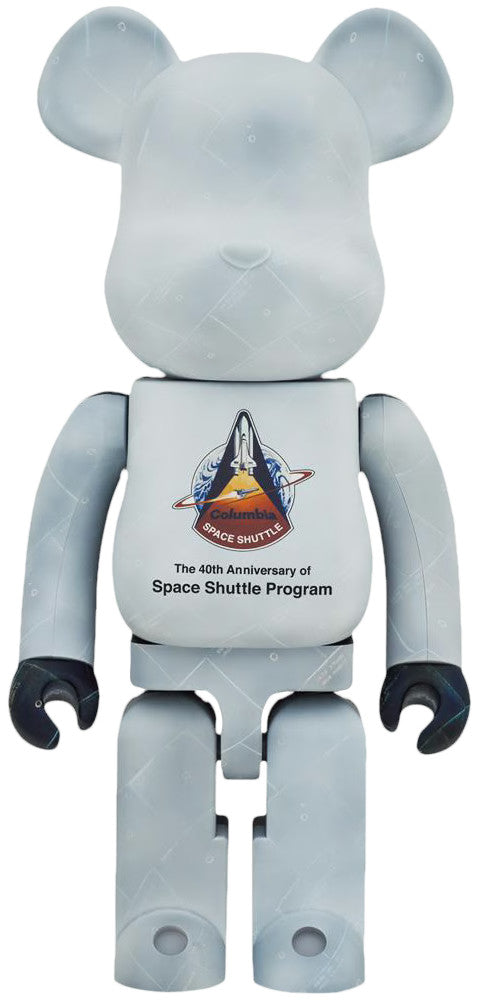
BE@RBRICK NASA Space Shuttle 40th Anniversary 1000% Medicom Toy Bearbrick
$600.00 USD
-
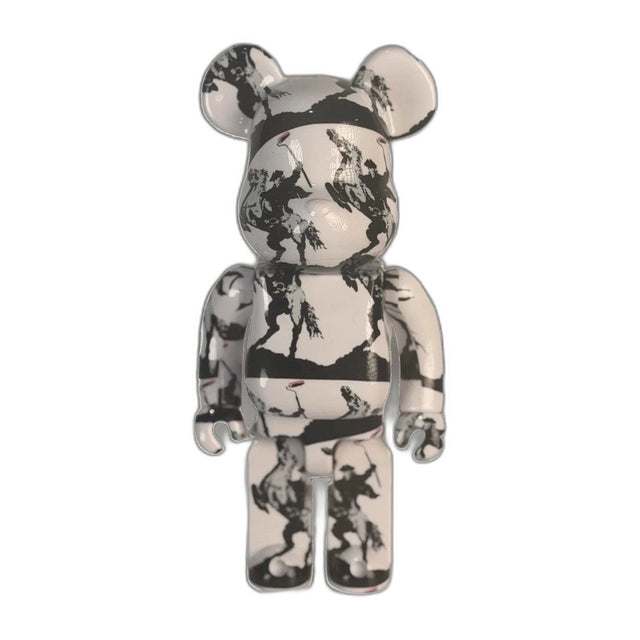
BE@RBRICK Brandalism Sync Banksy Medicom Toy Art Figure du-al.io Authenticated
$199.00 USD
-
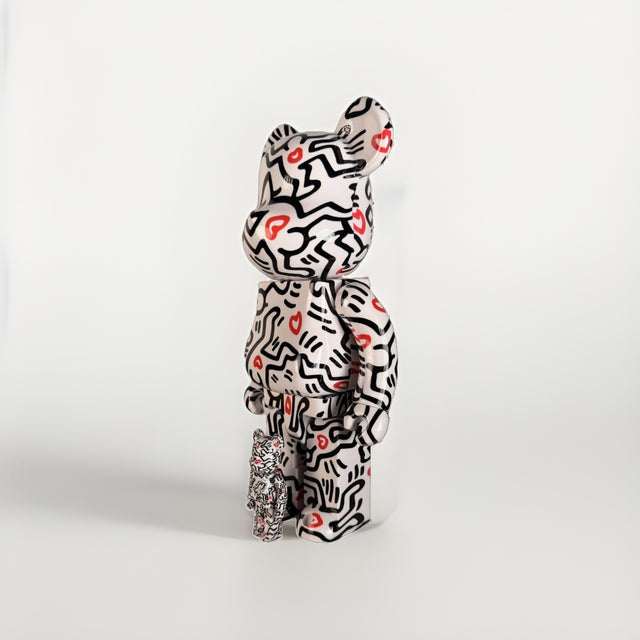
BE@RBRICK Keith Haring 400% + 100% Set Medicom Toy Bearbrick Foundation Art New
$199.00 USD
-
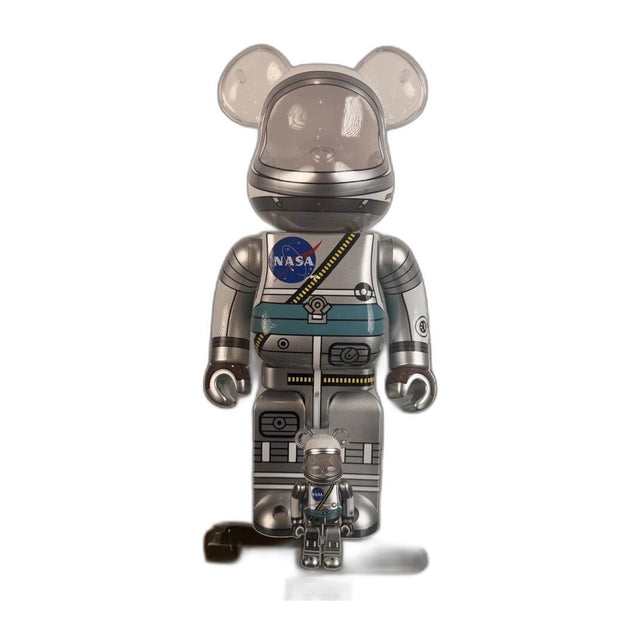
Bearbrick BE@RBRICK Mercury Astronaut 400% 100% Set NASA Medicom Toy Sealed New
$225.00 USD
-
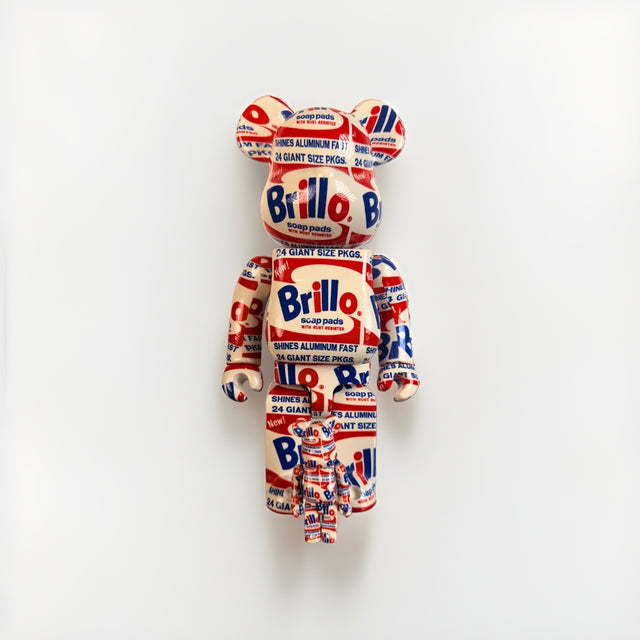
Bearbrick BE@RBRICK Andy Warhol Brillo 400% 100% Set Original 2020 Medicom New
$275.00 USD
Browse the collection for current listings.