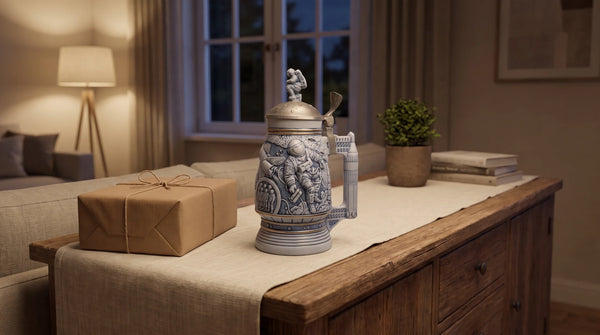
AI-generated interior concept using product reference photography; setting, scale and framing are illustrative.
Part 9 of 10 in our holiday and occasion gift series.
Milestone adult birthdays, whether turning thirty, forty, or fifty, call for gifts that endure well past the weekend celebration. Selecting artwork for someone marking a major personal transition requires balancing their individual aesthetic with practical interior considerations. A thoughtful art gift honors their growing sophistication without making assumptions about their future collecting trajectory.
Before selecting a piece, confirm existing holdings to avoid duplication. Gifting artwork is an exercise in restraint and keen observation. By looking closely at how the recipient structures their home, you can select an edition or sculpture that integrates seamlessly into their life while marking a significant occasion.
Five gift ideas by budget
Listed item prices in USD, checked October 16, 2026. These five listings were in stock when checked. Availability and prices can change; tax, shipping and any framing costs may be additional. Product thumbnails below are catalog photographs.
1. $79.00: Shepard Fairey Signed Letterpress Print Man Holding Framed Art OBEY 10x13

View this gift and current availability
2. $150.00: Shepard Fairey Natural Springs (First Edition)

View this gift and current availability
3. $199.00: BE@RBRICK Keith Haring 400% + 100% Set Medicom Toy Bearbrick Foundation Art New

View this gift and current availability
4. $289.00: Shepard Fairey Chaos Mandala 2025 Signed Numbered #49/550 OBEY 18x24 Print

View this gift and current availability
5. $450.00: Shepard Fairey These Sunsets Are to Die For (Large Format)

View this gift and current availability
Tactile Precision in Intimate Spaces: Letterpress Editions
For a recipient celebrating a milestone birthday who appreciates traditional printmaking techniques, smaller physical works offer immediate intimacy. The Shepard Fairey Signed Letterpress Print Man Holding Framed Art OBEY 10x13 demonstrates how scale and medium interact. Unlike smooth screen prints or digital reproductions, letterpress printing physically bites into heavy paper stock, leaving a debossed impression that reacts to ambient room light.
Visual examination of this work reveals a stark contrast in dark ink against a warm cream paper. The central figure holds a secondary framed image featuring the iconic stylized face motif. The stark graphic lines and subtle textural depth of the debossed ink give it a distinct physical presence. A graphite signature in the lower corner grounds the edition. Because of its modest physical dimensions, it fits into compact wall segments, work alcoves, or curated shelf displays without demanding a massive structural commitment from the owner.
When evaluating this piece for a gift recipient, interior designers must weigh the visual density of the printmaking technique against its spatial footprint. Letterpress production creates a tactile depth that invites close inspection rather than distant observation. The relief impression forms micro-shadows along every inked line, which alters the print's appearance as ambient lighting shifts throughout the day. This physical characteristic contrasts directly with large-format screen prints, such as the Shepard Fairey These Sunsets Are to Die For (Large Format) or the Shepard Fairey Chaos Mandala 2025 Signed Numbered #49/550 OBEY 18x24 Print, which rely on broad color fields and flat ink application to command attention across large rooms. While screen prints establish macro-level focal points in spacious living areas, letterpress pieces require intimate proximity to communicate their craft. Introducing this tactile medium into an existing collection adds structural variety without competing for primary wall real estate.
Selecting this piece requires navigating clear design tradeoffs regarding scale, framing, and light exposure. The primary advantage of a compact letterpress sheet is its flexibility across constrained architectural footprints. It fills tight vertical gaps between structural millwork, integrates into executive library shelving, or anchors an entryway gallery wall. However, this compact footprint presents distinct display challenges. Placed on an expansive, unarticulated drywall surface, the artwork quickly becomes visually insignificant. Designers must compensate by utilizing generous matting, often adding a three to four inch archival board border, or grouping the print with complementary works of varying scales. Additionally, the deep relief of letterpress paper catches directional light exceptionally well, making low-angle raking light from a sconce or desk lamp ideal for highlighting the impression. Conversely, harsh overhead lighting can flatten the visible debossing, neutralizing the artwork's defining tactile quality.
Consider a hypothetical decision involving a client commissioning a milestone birthday gift for a spouse's home office. The hypothetical space measures ten by twelve feet with custom walnut built-in cabinetry, dark bronze hardware, and limited continuous wall surfaces. The client seeks an authentic graphic work that fits into an eight-inch vertical space between two shelving units above an executive desk. The primary design dilemma centers on choosing between a small-scale flat offset print and a tactile edition. A flat print in this confined pocket risks appearing like a casual calendar insert or mass-produced postcard due to the lack of surface texture. By specifying the letterpress print instead, the designer utilizes the paper's physical debossing to create presence despite the strict spatial limits. To execute this installation successfully, the designer opts for an understated, museum-quality matte black aluminum frame paired with an extra-thick four-ply rag mat. A low-voltage, adjustable brass picture light mounted directly to the cabinetry shelf directs light across the print surface at a thirty-degree angle. This precise lighting angle casts subtle shadows into the relief lines, transforming a compact architectural nook into a focused, highly intentional viewing experience.
When to Select This Work
This piece suits a recipient who already owns standard posters or mass-market graphic prints and is ready to transition toward original physical impressions. It works exceptionally well for apartment dwellers or professionals adding to an office gallery wall. However, if the recipient has a expansive wall with high ceilings, this compact format may feel lost unless framed with an unusually generous mat border.
Textural Monochrome and Subdued Tone in Editioned Prints
When marking a major birthday for a recipient who prefers muted color palettes, high-contrast monochrome prints provide structural impact without overwhelming a room's color scheme. The Shepard Fairey Natural Springs (First Edition) offers a complex textural background that departs from flat graphic design.
The photographic capture reveals a portrait in profile set against a weathered, distressed background pattern. A figure wearing a patterned head covering holds a lotus blossom, framed by subtle industrial icons like the oil rig emblem near the top corner. The print relies on a washed, tonal grey-black ink that creates an aged, stenciled appearance across cream paper stock. The lower margins show clear pencil numbering and signature details, providing authentic hand-finished marks from the studio process.
Matching Palette to Environment
This work is ideal for recipients who favor mid-century, industrial, or minimalist interiors dominated by natural wood, concrete, or neutral textiles. The subtle distressing in the background artwork allows it to bridge modern and traditional decor. If your recipient's home is filled with bright, saturated color blocking, this monochrome study might be eclipsed by surrounding furnishings.
Three-Dimensional Form and Contemporary Toy Culture
Not every milestone birthday gift needs to hang flat against a wall. Sculptural objects and designer figures bring art onto sideboards, desks, and bookshelves. The BE@RBRICK Keith Haring 400% + 100% Set Medicom Toy Bearbrick Foundation Art New introduces kinetic energy and tactile design into modern living spaces.
The physical photographs show two glossy, stylized bear figures coated entirely in a pattern of fluid black line work and vibrant red hearts, drawn from iconic studio iconography. The larger figure stands firmly alongside its smaller counterpart, showing the characteristic jointed limbs and high-gloss finish typical of this production platform. The pattern application wraps seamlessly around the contoured surfaces, creating varied line compositions depending on the viewing angle.
Dimensional Display Tradeoffs
A sculptural set like this appeals to recipients who collect design objects or enjoy street art history presented in contemporary forms. It eliminates framing decisions entirely and can be rearranged easily. However, three-dimensional items require open table surfaces, shelving, or display cases, making them less suitable for individuals with crowded horizontal surfaces or young pets.
Complex Color Layers and Geometric Symmetry
For a recipient entering a vibrant new decade of life, multi-color prints featuring complex geometric patterns bring focal energy to primary living areas. The Shepard Fairey Chaos Mandala 2025 Signed Numbered #49/550 OBEY 18x24 Print pairs structured geometry with active graphic distressing.
In the detail photograph, the central focus is an intricate mandala constructed from layered red, cream, and deep navy elements, anchored by a star emblem at the core. Surrounding this central symmetry are layered stencils, paint drips in warm gold tones, and floral background patterns that create a dense, urban texture. The juxtaposition between the precise mathematical arrangement of the mandala and the rough street art background gives the composition balanced energy.
Evaluating Wall Impact
This print suits an enthusiastic collector who wants a prominent conversation piece above a mantle or dining credenza. Its rich blue, red, and yellow tones complement rich interior palettes. Conversely, if the recipient's living space is curated around stark monochrome principles, the energetic colors and layered drips may clash with their settled aesthetic.
Large-Format Screen Prints and Narrative Composition
A major milestone birthday, such as a fortieth or fiftieth, often calls for a focal piece with significant presence. Selecting a major artwork for a milestone occasion allows an interior designer to establish an architectural anchor within a private home or primary living zone. Rather than acquiring multiple smaller works that risk scattering visual interest, introducing a singular, commanding print creates a definitive centerpiece around which an entire room's visual rhythm can be calibrated. The Shepard Fairey These Sunsets Are to Die For (Large Format) provides an expansive narrative composition with bold scale and saturated colors.
The photographic record shows a vivid landscape where two figures rest on a dark beach beneath a striped parasol, watching a brilliant gradient sky of cream, yellow, pink, and red. In the distance, an offshore oil platform breaks the horizon line, creating a stark narrative contrast against the leisure scene in the foreground. The lower section features an intricate dark blue patterned bed, while clear studio numbering and signatures appear in pencil along the bottom border.
Spatial and Aesthetic Considerations
Because of its substantial physical presence, this large-format screen print demands dedicated wall real estate. It makes a grand gesture for a recipient celebrating an important life transition, especially one with high ceilings or large open rooms. Note that some catalog selections may occasionally be out of stock and serve primarily as design references for scale and format, though active stock availability can change over time. When choosing a large work, ensure the recipient has an open area with appropriate lighting to accommodate the composition comfortably.
Structuring a Layered Art Acquisition Plan
When curating art gifts for clients, establishing a structured budget framework ensures that acquisitions remain flexible and thoughtful across different milestone occasions. A helpful approach involves planning across tiered investment brackets without assuming a rigid correlation between a client's age and their financial outlay. Smaller, highly detailed works, such as letterpress editions or modest desktop sculptures, serve beautifully as entry points or secondary accents. Medium-format screen prints provide balanced, mid-tier focal options for bedrooms or transitional spaces, while expansive, large-format works anchor primary living rooms and dining halls. Before proposing any new acquisition, a designer must carefully verify a recipient's existing holdings. Reviewing current inventory prevents accidental duplication of subject matter, medium, or artist portfolios, ensuring that each gift expands the depth and diversity of the growing collection.
Format and Scale: Letterpress versus Screen Print
Understanding how different printmaking techniques interact with scale and spatial dynamics is essential when placing graphic art. Screen prints and letterpress editions fulfill fundamentally different visual roles within a residence. Large screen prints rely on vivid color blocking, clean graphic fills, and expansive surface areas to project across wide architectural spaces. In contrast, letterpress pieces offer a tactile, sculptural quality resulting from the physical indentation of inked plates into rich paper stock. A compact letterpress work invites close, personal viewing in an intimate reading nook or secondary hallway, whereas a large-format screen print demands significant viewing distance to allow its sweeping compositional lines and thematic contrasts to resolve fully.
Substrate Characteristics and Sightline Dynamics
Beyond broad category differences, substrate selection directly dictates how a print interacts with surrounding interior architecture and artificial lighting schemes. Heavy cotton rag paper, particularly when finished with hand-deckled edges, introduces an organic boundary that changes how an artwork terminates within its frame. When floating a deckled-edge sheet over a contrasting background mat, the paper cast shadows inward, creating a subtle three-dimensional boundary. This physical presence softens the transition between bold graphic imagery and the surrounding wall surface. Conversely, smooth machine-trimmed stock presents hard, precise geometric borders that demand crisp, tailored framing reveals. In large-format applications, heavy cotton papers absorb saturated inks deeply into the fibers, yielding a velvet-like matte surface that reduces reflection from ambient overhead lights. Thinner or smoother papers reflect directional spotlighting more readily, requiring precise beam adjustment to prevent blinding glare points across intense color fields.
Color Palette Integration and Architectural Framing
Integrating a vibrant, multi-color graphic print into an existing domestic setting requires analyzing both the dominant chromatic values of the art and the neutral tones of the room. Large prints featuring rich primary gradients or high-contrast imagery establish an immediate focal dominance that can easily overpower nearby soft furnishings if not balanced thoughtfully. Designers must decide whether to frame the artwork as an isolated graphic accent or integrate its palette into the broader architectural finishes. A deep charcoal or black mat frame reinforces high-contrast linework, turning the frame into a sharp boundary line that separates the artwork from surrounding wall treatments. Alternatively, utilizing a wide, soft cream or natural wood frame extends the outer borders of the print, helping the piece blend softly against warm plaster, travertine, or concrete surfaces. Balancing these framing options allows the artwork to function either as a defined architectural window or a seamless wall installation.
Design Reasoning and Material Trade-offs
Selecting fine art prints involves navigating clear trade-offs between physical scale, framing complexity, and spatial flexibility. Acquiring a large-format screen print delivers an unmistakable visual focus, but it demands expansive, uninterrupted wall space and limits future furniture reconfigurations. Moving a large piece often requires rebalancing the entire layout of a primary room. Smaller prints allow for frequent reshuffling and lower-cost framing solutions, yet they lack the structural authority to anchor expansive living zones independently. Furthermore, opting for specialized paper treatments like hand-deckled edges requires custom floating mounts, increasing framing costs and requiring deeper shadowbox profiles. Designers must weigh these structural framing demands and rigid spatial requirements against the single-piece visual impact required for a major milestone gift.
Hypothetical Placement Decision: Great Room Display
Consider a hypothetical living room featuring a primary display wall measuring sixteen feet wide by ten feet high, bounded by floor-to-ceiling perimeter windows. Placing a small or mid-sized print on a wall of these dimensions creates a visual disconnect, as the surrounding negative space easily overpowers the artwork. To establish proper proportion, the designer selects a large-format screen print, mounted within a generous mat and a thin charcoal aluminum frame. Centering the framed work at an eye-level midpoint of 58 inches from the floor creates a balanced visual anchor between the flanking window frames.
However, this placement introduces specific practical trade-offs. The deep crimson and rich yellow gradients of the screen print require ambient lighting to retain their visual intensity without generating harsh glare across the acrylic facing. Positioned directly between expansive side windows, the artwork faces intense daytime indirect sunlight. The designer accepts the trade-off of requiring UV-filtering museum glass and dedicated low-voltage ceiling spots to preserve color accuracy, prioritizing the print's sweeping narrative presence over the simpler, low-maintenance lighting requirements of a smaller, low-contrast work.
Navigating the Budget Ladder Without Age Stereotypes
Selecting an art gift across different price tiers should reflect your relationship with the recipient and the nature of the occasion, rather than a rigid formula linking expenditure to their age. A modest letterpress print can carry as much emotional weight and aesthetic value as an expansive large-format screen print when matched thoughtfully to the recipient's life.
Comparing Media and Production Costs
When reviewing options across the catalog, prices vary based on production complexity, paper stock, physical dimensions, and edition numbers. A smaller letterpress piece requires specialized tactile pressing on heavy stock, while larger multi-color screen prints involve complex manual layering of pigments across broad sheets. Sculptural figures introduce manufacturing and licensing components that differ entirely from traditional works on paper.
Factoring in Secondary Expenses
The total cost of gifting art extends beyond the initial purchase price listed on the card. Works on paper require professional framing to ensure long-term preservation. Framing expenses vary widely depending on mat board selection, UV-protective glass, and custom moulding choices. When planning a gift, consider whether you intend to present the artwork pre-framed or leave the framing decisions to the recipient, factoring in local taxes and specialized shipping fees for fragile items.
Presentation, Framing, and Marking the Birthday Occasion
How an art gift is presented on a milestone birthday sets the tone for how it will be received and integrated into the home. Unrolling a print from a shipping tube on the day of a party rarely creates the memorable moment a major birthday deserves.
Pre-Framing Versus Unframed Presentation
Presenting a fully framed work allows the recipient to hang the art immediately, creating instant satisfaction during the milestone celebration. However, framing requires making assumptions about their frame preference and existing wall decor. If you are uncertain about their interior style, presenting the unframed print flat in an archival folder alongside a note proposing a shared visit to a local framer allows them to tailor the final presentation to their exact space.
Caring for Paper and Sculptural Mediums
Educating the recipient on basic care preserves the integrity of the gift over decades. Works on paper, whether letterpress or multi-color screen prints, should be displayed away from direct sunlight to prevent ink fading and paper oxidation. Sculptural pieces like designer toys should be dusted with soft microfibers and kept away from direct heat sources to preserve their glossy finishes.
A Hypothetical Decision: Choosing for a Milestone Transition
To understand how these considerations intersect in practice, consider a hypothetical recipient named Marcus, who is celebrating his fortieth birthday. Marcus recently moved into a renovated urban loft featuring exposed brick walls, dark wood accents, and high concrete ceilings. He appreciates graphic design and street art culture but currently owns few original physical editions.
Evaluating the Options for Marcus
His partner and friends wish to select a gift from the gallery catalog that marks this personal milestone while fitting his new living environment. They evaluate several options based on space, lighting, and medium.
- Option A: A compact letterpress print. While the debossed texture is appealing, its smaller format would be overwhelmed by the soaring brick walls in his primary living room.
- Option B: A glossy sculptural figure set. The design fits his aesthetic, but his sideboards are currently dedicated to audio equipment and books, leaving limited flat surface space.
- Option C: A large-format screen print with rich color gradients. The expansive scale matches his concrete walls, and the dramatic narrative composition provides an immediate visual focal point for the main living area.
The Selection Process
By assessing Marcus's physical room dimensions and visual preferences, the group selects the large-format print. They opt to present it stored flat in an archival portfolio, allowing Marcus to select custom wood moulding that matches the timber beams in his new home. This structured decision process ensures the gift honors both the milestone occasion and the practical realities of his living space.
Continue the series: Holiday Gifts for Space Fans: Five Ways to Match the Interest | New Job and Thank-You Gifts: Five Objects With Staying Power.
Available at Gauntlet Gallery
Explore current pieces available from the gallery.
-

1963 Farquhar Earth in Space Transparent Celestial Globe 16" Compass VTG
$699.00 USD
-

1967 Beatles Richard Avedon STERN Original Posters Set of 4 Linen Backed Copy
$999.00 USD
-
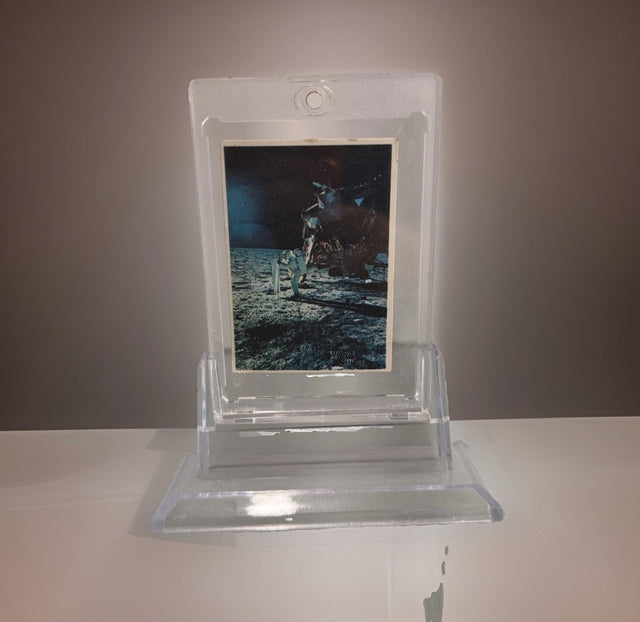
1969 Space Candy Buzz Aldrin Apollo 11 On The Moon Card #19 Taylor-Reed Display
$59.00 USD
-

1980 Polo Player Green Pink Chalk Pastel Bears Andy Warhol Signature AS-IS
$399.00 USD
-

After Andy Warhol Moon Landing Line Drawing 5/50 w/ Astronaut Autographs As-Is
$175.00 USD
-

After John Lennon "I Do" Framed Print, Marked A/P Unverified
$99.00 USD


Browse the collection for current listings.