Is Signed Music Memorabilia a Good Investment? An Honest Collector's Guide
Signed music memorabilia can be a good investment, but only under specific conditions: the artist has enduring cultural stature, the item is authentic and independently authenticated, the provenance is documented, and the piece is in stable condition. For most collectors, the smartest approach is enjoyment-first — buy pieces you genuinely love, treat any future appreciation as a bonus, and never overpay on the assumption that a signature guarantees returns. The market rewards blue-chip names, rare formats, and impeccable authentication; it punishes hype, fakes, and fragile items bought at the top of a trend.
At Gauntlet Gallery we work with authenticated contemporary art and collectibles every day, and the same discipline that governs a Shepard Fairey print or a KAWS figure applies to a signed Beatles album or a stage-used guitar: value follows authenticity, scarcity, condition, and demand — in that order. This guide walks through what actually drives value, the real risks, and how to buy so that a piece rewards you whether or not the market cooperates.
What Makes Signed Music Memorabilia Valuable?
Not all autographs are created equal. A signed CD booklet from a working touring act and a signed 1960s album from a globally significant artist occupy completely different tiers. Value in this category is driven by a stack of factors that reinforce one another.
Artist stature and cultural legacy
The single biggest driver is who signed the item and how durable their legacy is. Artists whose influence spans generations — the kind of names that anchor museum exhibitions and documentaries decades after their peak — tend to hold and build value. Newer or niche acts can be exciting to collect, but their long-term market is unproven. When you are thinking about value retention, ask a simple question: will this name still matter in twenty years? If the honest answer is "maybe," buy for love, not for return.
Item type: signed vs. played, worn, or stage-used
The format matters enormously. A signature on a photo or album is common; an instrument the artist actually performed on is not. Broadly, desirability tends to climb along this ladder:
- Signed printed material — photos, album covers, tour books. Most accessible, most abundant.
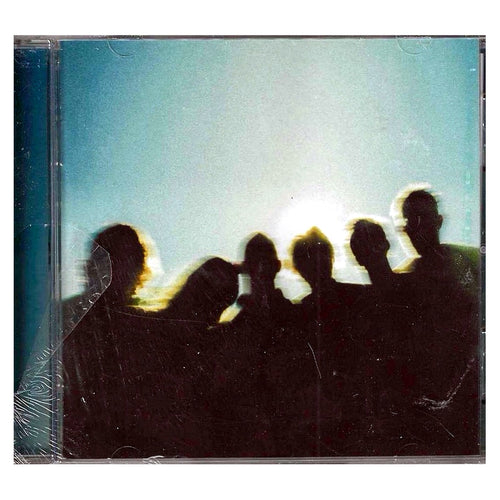
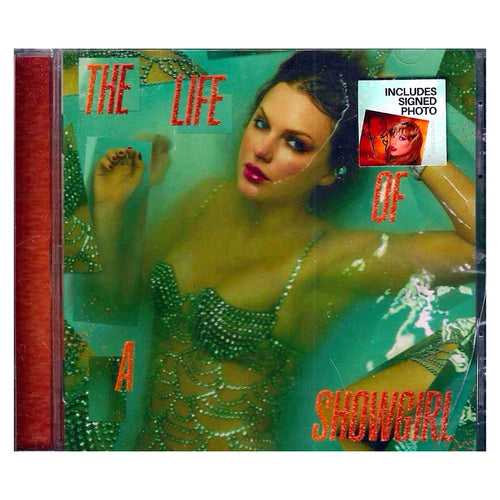
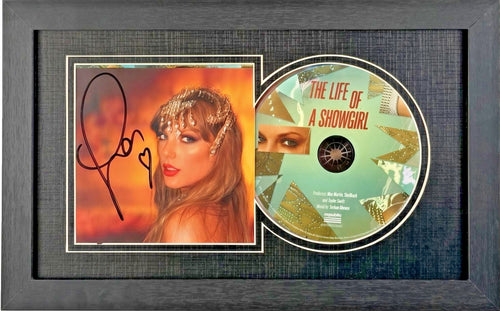
- Signed physical media — vinyl, cassettes, CDs, especially early pressings.
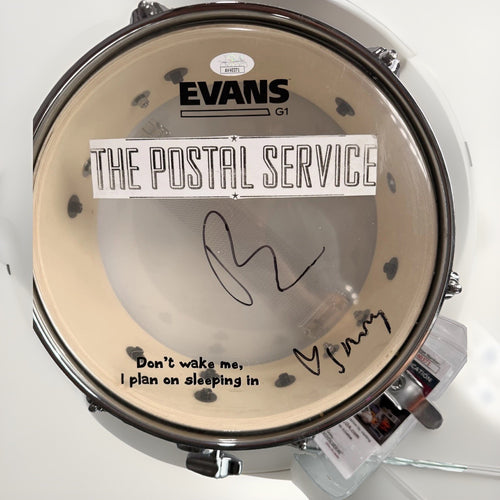
- Signed instruments and gear — guitars, drumheads, harmonicas signed but not necessarily played.
- Stage-used / played / worn items — an instrument documented as performed on, or clothing worn on stage or in a video. When provenance is airtight, these sit at the top of the market.
The critical distinction is "signed" versus "played." A signed guitar is memorabilia; a documented stage-played guitar is an artifact. The gap between the two, in both price and difficulty of authentication, is large — and it is exactly where buyers get burned when documentation is thin.
Rarity and edition
Scarcity compounds every other factor. A limited signing, a one-off item, an early-career signature before the artist became famous, or an unusual object all narrow supply. Mass-signed items produced for retail promotions are the opposite: even with a legitimate signature, abundant supply caps upside.
Provenance
Provenance is the documented chain of ownership and the story of how the item was obtained — an in-person signing, a charity auction, an estate, a tour insider. Strong provenance does two things: it supports authenticity and it adds narrative value. A photograph of the signing, a letter from a credible source, an auction record, or an unbroken dealer chain can meaningfully change what a piece is worth. Weak or absent provenance is the most common reason a "great" item stalls at resale.
Authentication
In signed music memorabilia, third-party authentication is the backbone of value. The recognized names collectors and auction houses look for are Beckett (BAS), JSA (James Spence Authentication), and PSA/DNA. A signature accompanied by a certificate and, ideally, a tamper-evident sticker with a lookup number from one of these services is far more liquid than an unverified autograph — however plausible the story. This is the music-world equivalent of the authentication chains we rely on elsewhere in the market: DEATH NYC's COA and gold seal, or TrueCOA verification for KAWS and BE@RBRICK. Different category, same principle — independent verification protects your money.
Is It Actually a Good Investment? Honest Expectations
Here is the balanced truth. Blue-chip signed music memorabilia — top-tier artists, rare formats, strong provenance, third-party authentication — has historically been a resilient collectible category. But it is not a stock, a bond, or an index fund. Returns are uneven, illiquid, and concentrated in a small band of the very best pieces.
What we tell collectors:
- Enjoyment is the guaranteed return. If you love the piece on your wall, you have already been paid. Everything after that is upside.
- The top of the market behaves differently from the middle. A handful of iconic, impeccably documented items can appreciate strongly; the vast middle of "signed by a known artist" moves slowly, if at all.
- Time horizon matters. This is a patient-money category. Buying to flip in twelve months is speculation, not collecting.
- Costs are real. Buyer's premiums, authentication fees, insurance, framing, and eventual selling costs all eat into any paper gain.
For market context on how authenticated collectibles behave over time — and why authentication and condition dominate outcomes — see our Financial Insights resource rather than any promise of specific returns. We deliberately avoid quoting precise appreciation figures, because they vary enormously by artist, item, edition, and condition, and anyone who guarantees a number is selling you something.
The Real Risks (Read This Before You Buy)
Fakes, forgeries, and autopens
The defining risk in this category is authenticity. Forged autographs are widespread, and some are highly skilled. A particular trap is the autopen — a mechanical device that reproduces a signature — along with pre-printed "signatures," secretarial signings (an assistant signing on the artist's behalf), and stamped facsimiles. Many of these look convincing to an untrained eye. This is precisely why third-party authentication from Beckett, JSA, or PSA/DNA is non-negotiable for anything you intend to hold as value. We do not publish "spot-the-fake" tricks here, because reliable authentication is a trained, evidence-based process — not a checklist a forger can simply learn to beat.
Fragility and condition
Signatures fade. Ink degrades in sunlight, humidity, and heat. Paper foxes and yellows; vinyl warps; leather cracks. A signed item is only as valuable as its condition allows, and condition problems are often irreversible. Display and storage decisions directly affect long-term value.
Liquidity
Selling is harder than buying. Finding the right buyer at the right price can take time, and forced sales rarely realize top value. Treat any capital you put into memorabilia as money you are comfortable leaving in place for years.
Market shifts and taste
Cultural relevance moves. An artist's market can cool, genres fall in and out of fashion, and a passing wave of nostalgia can inflate prices that later normalize. Diversify, avoid buying at the peak of a hype cycle, and anchor to artists with durable, multi-generational legacies.
Which Signed Music Items Tend to Hold Value?
Because "signed music memorabilia" spans everything from a mass-signed promotional CD to a documented stage-played instrument, it helps to think in tiers. The pattern that repeats across the market is simple: as an item moves from abundant and easily reproduced toward rare, personal, and hard to fake, both desirability and value-retention tend to rise. The following are general principles, not price promises — every piece still lives or dies on authentication, condition, and the specific artist.
Entry tier: signed printed material
Signed photos, album covers, and tour programs are the most common way collectors enter the category. They are affordable, easy to display, and — for a beloved artist — deeply rewarding to own. Their ceiling is limited by supply: many were signed in volume. Buy these primarily for enjoyment, prioritize a strong, clean signature, and still insist on third-party authentication if you are spending real money. An entry-tier item with impeccable paperwork will always resell more easily than a "better" item without it.
Mid tier: signed physical media and early pressings
Signed vinyl — particularly early or first pressings of landmark records — sits a notch up. Scarcity of the underlying record combines with the signature to create genuine rarity. Condition is doubly important here: both the sleeve and the signature must be well preserved, and the record itself should be graded honestly. A signed first pressing in strong condition is a far more serious holding than a signed reissue.
Upper tier: signed instruments and gear
A signed guitar, drumhead, or piece of stage gear carries obvious presence and, for the right artist, real value. The key questions are whether the signature is authenticated and whether the object itself is genuine and undamaged. Note that a signature alone does not make an instrument "the artist's guitar" — that is a separate, higher claim requiring separate proof.
Top tier: documented stage-used, played, or worn items
At the apex are items with a documented performance history: an instrument played on a specific tour, clothing worn on stage or in a music video, or gear pulled from a verified estate. When the provenance is airtight — photographs, footage, credible letters, an unbroken chain — these are the pieces that behave most like true artifacts. When the provenance is thin, they are the pieces most likely to disappoint at resale. The lesson is consistent: at every tier, documentation is the multiplier.
Signed Music Memorabilia vs. Other Collectible Categories
How does signed music stack up against the authenticated art and figures we handle across the gallery? The mechanics of value are strikingly similar; the authentication chains differ.
| Factor | Signed Music Memorabilia | Limited-Edition Art / Figures |
|---|---|---|
| Primary value driver | Artist legacy + authenticity of signature | Artist stature + edition scarcity |
| Authentication | Beckett / JSA / PSA-DNA | Varies: TrueCOA, dealer provenance, artist-issued COA |
| Rarity mechanism | One-off, early, or stage-used items | Numbered editions, low run sizes |
| Condition sensitivity | Very high (ink, paper, materials) | High (surface, packaging, completeness) |
| Liquidity | Lower; buyer-specific | Moderate; established secondary market |
If you are still shaping your collecting strategy, our general buyer's guides and the Collector's Hub lay out the same authentication-first, condition-aware discipline across every category we work in.
How to Buy for Both Enjoyment and Value
The best collectors optimize for two things at once: pieces they love, and pieces built to hold value. Here is a practical framework.
A pre-purchase checklist
- Do you love it? If the answer is no, stop. Enjoyment is the only guaranteed return.
- Who authenticated it? Look for Beckett, JSA, or PSA/DNA, with a certificate and a verifiable lookup number.
- What is the provenance? Photos of the signing, an auction record, an estate letter, or a credible dealer chain.
- Is it signed, or played? Know exactly which you are buying and confirm that stage-used claims are documented.
- What condition is it in? Inspect the signature's strength, the substrate, and any restoration.
- Is the price sane? Compare against recent, like-for-like sales — not asking prices.
- Who are you buying from? A reputable dealer or house that stands behind authenticity and accepts returns on misrepresentation.
Buy from reputable sources
The fastest way to avoid the biggest risks is to buy from established dealers and auction houses that guarantee authenticity and provide independent certification. A slightly higher price from a trustworthy source is almost always cheaper than a "bargain" that turns out to be a forgery. You can browse authenticated pieces across the gallery in our full collection.
Protect what you own
- Frame paper items with UV-protective glazing and acid-free materials.
- Keep pieces out of direct sunlight and away from heat and humidity swings.
- Store certificates and provenance documents with the item — they are part of its value.
- Insure meaningful pieces and keep dated photographs of their condition.
Building a Collection Over Time
A collection is not a single purchase — it is a set of decisions made patiently over years. The collectors who end up with valuable, coherent collections tend to share a few habits.
Collect with a thesis
Rather than buying scattered autographs, many strong collectors focus: a single era, a single genre, a specific artist, or a theme they care about. Focus builds expertise, and expertise is your best defense against overpaying and against fakes. It also produces a collection with a story, which matters both for enjoyment and for eventual resale.
Prioritize a few great pieces over many mediocre ones
One authenticated, well-documented item from a major artist typically outperforms a drawer full of unverified signatures. Quality concentrates value and is easier to insure, display, and eventually sell. When in doubt, wait and save for the better piece.
Keep records like a professional
Maintain a simple file for every acquisition: the certificate, provenance documents, purchase receipt, and dated condition photos. Good record-keeping protects value, simplifies insurance, and makes any future sale dramatically smoother. Treat the paperwork as part of the object, because to the market, it is.
Learn continuously
Follow how comparable items actually sell, not just what sellers ask. Read authentication resources, watch reputable auction results, and pressure-test your own assumptions. The same research-first discipline we apply across the gallery — and that we lay out in our buyer's guides — is what separates confident collectors from anxious ones.
Frequently Asked Questions
Is signed music memorabilia a good investment?
It can be, but only for authenticated pieces from artists with lasting cultural stature, backed by strong provenance and good condition. Returns are uneven and illiquid, so the wisest posture is enjoyment-first: buy pieces you love, treat appreciation as a bonus, and never overpay on the assumption that a signature guarantees profit.
How do I know a signed music item is authentic?
Look for independent, third-party authentication from Beckett (BAS), JSA, or PSA/DNA, including a certificate and a tamper-evident sticker with a verifiable lookup number. Combine that with documented provenance — photos of the signing, auction records, or a credible dealer chain — and buy from reputable sources that stand behind authenticity.
What is the difference between a signed item and a stage-used item?
A signed item simply carries the artist's autograph. A stage-used, played, or worn item was actually performed with or worn by the artist — an instrument, outfit, or piece of gear used in a show, video, or recording. Documented stage-used pieces are rarer and typically command more, but they require airtight provenance because the "used" claim is far harder to prove than a signature.
What are autopens and why do they matter?
An autopen is a mechanical device that reproduces a person's signature. Along with secretarial signings and pre-printed facsimiles, autopen signatures can look convincing but are not genuine hand-signed autographs and carry little collector value. This is a core reason independent authentication is essential before you buy anything as an investment.
How should I store and display signed memorabilia?
Protect condition, because it is often irreversible. Use UV-protective glazing and acid-free framing for paper, keep items out of direct sunlight and away from heat and humidity, store provenance documents alongside the piece, and insure anything of meaningful value.
Where should I buy signed music memorabilia?
Buy from established dealers and auction houses that guarantee authenticity and provide third-party certification. A fair price from a trustworthy, return-friendly source is safer than a bargain with no paperwork. Explore authenticated pieces in our collection and ground your strategy with our buyer's guides.
Buy and Authenticate With Confidence
Signed music memorabilia rewards the same discipline that governs every serious collectible: authenticity first, condition close behind, provenance documented, and demand anchored to durable legacy. Buy what you love, insist on Beckett, JSA, or PSA/DNA authentication, and treat future appreciation as a welcome bonus rather than the reason you bought. Start by browsing authenticated pieces across the gallery, sharpen your eye with our buyer's guides and Collector's Hub, and use our Financial Insights for honest market context. Collect with confidence, and let the enjoyment be the first return.