Are Limited-Edition BE@RBRICKs a Good Investment?
Limited-edition BE@RBRICKs can be a rewarding collectible to own, and the most sought-after collaborations have shown genuine collector demand over time — but they are best approached as art you love first and a speculative asset second. Value is driven by the artist or brand collaboration, size (100%, 400%, 1000%), material, edition size, condition, and whether the original box and accessories survive. Like any collectible market, prices move in cycles and can fall as well as rise, so realistic expectations and careful authentication matter more than chasing hype.
What Is a BE@RBRICK, and Why Do Collectors Care?
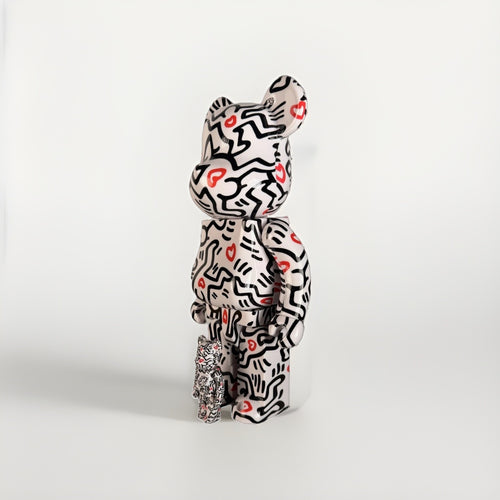
The BE@RBRICK is a bear-shaped designer collectible figure produced by the Japanese company Medicom Toy. Since its debut in the early 2000s, it has become one of the most recognizable canvases in contemporary designer-toy culture. Its simple, standardized body shape is precisely the point: it acts as a blank sculpture that artists, fashion houses, musicians, and film franchises reinterpret through paint, print, and material. That consistency is what makes BE@RBRICKs collectible — you are effectively collecting a series of miniature artworks that share one iconic form.
For collectors, the appeal is threefold: the figures are visually striking and display beautifully, they tie into blue-chip art and streetwear names, and the limited-edition structure creates natural scarcity. Whether that scarcity translates into lasting financial value, however, depends heavily on the specific release.
It also helps to understand the culture around the figures. BE@RBRICKs sit at the intersection of contemporary art, fashion, and toy design — a category often called "art toys" or "designer toys." That crossover is a strength: it gives the best pieces multiple audiences, from art collectors to sneaker and streetwear enthusiasts to fans of a particular franchise. A figure that appeals to several of those groups at once has a deeper and more durable pool of potential buyers, which is exactly what supports resale value over the long run. A figure that appeals to none of them, no matter how "limited," has little to hold it up.
What Actually Drives BE@RBRICK Value
Not all BE@RBRICKs appreciate, and many trade at or below their original retail price for years. Understanding the value drivers helps you separate a collectible with staying power from a mass-produced figure. These are the factors seasoned collectors weigh.
Collaboration and Artist
The single biggest driver of long-term demand is who the collaboration is with. Releases tied to widely collected contemporary artists, respected fashion houses, or culturally significant franchises tend to hold attention far longer than generic or novelty editions. A recognizable, in-demand name gives a piece a broader pool of future buyers, which is what ultimately supports resale value.
Size and Scale
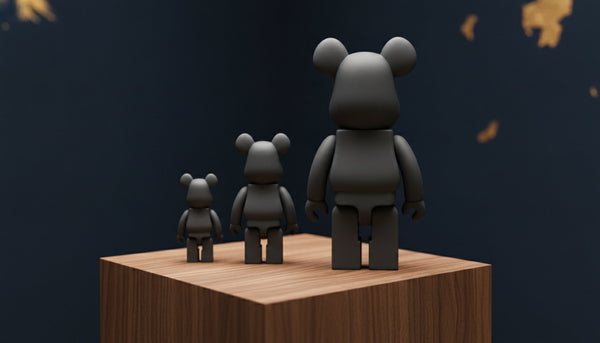
BE@RBRICKs are produced in standardized sizes, most commonly:
- 100% — roughly palm-sized, often sold in blind boxes or sets.
- 400% — the popular mid-size display figure, a common collector standard.
- 1000% — a large statement piece, produced in smaller quantities and typically the most coveted scale of a given design.
Larger sizes are generally made in smaller runs and command higher prices, but scale alone does not guarantee appreciation — a 1000% of an unpopular design can still languish, while a strong 400% collaboration can outperform it.
Material and Finish
Standard figures are molded plastic, but special finishes — chrome, translucent "jellybean" resin, flocked (velvet-like) surfaces, metallic paint, or hand-applied detailing — can add desirability, especially when the finish is unusual or technically difficult to produce. Distinctive materials often distinguish a premium release from a routine one.
Edition Size and Scarcity
Smaller, transparently limited editions concentrate demand. That said, "limited" is a spectrum: some editions run into the thousands. Genuine scarcity — combined with strong demand — is what matters, not the word "limited" on the packaging. A large edition of a beloved design can still be liquid, while a small edition no one wants is simply illiquid.
Condition
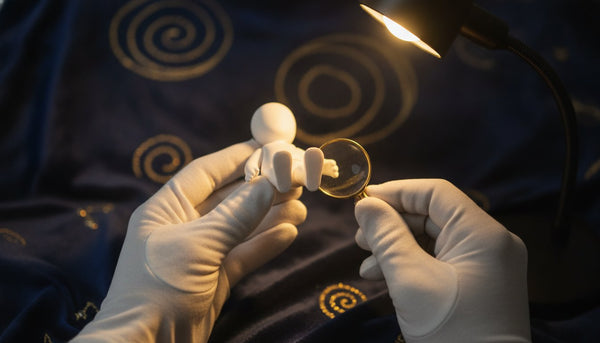
Condition is critical for collectibles. Paint rubs, scratches, sun-fading, yellowing on translucent or white figures, and stress marks all reduce value. Many serious collectors keep figures unopened or display them carefully out of direct sunlight. A pristine example will nearly always outperform a comparable piece showing wear.
Box, Accessories, and Completeness
The original box, inserts, and any included accessories are part of the collectible. A figure with its complete, undamaged packaging is worth meaningfully more than a "loose" figure, and for some buyers a missing box is a dealbreaker. Treat the packaging as part of the artwork, not disposable material.
Provenance
Where a piece came from — a reputable dealer, a documented collection, an original retail purchase — supports both authenticity and value. Clear provenance reduces buyer risk, and lower risk translates into stronger, more confident pricing.
Primary Market vs. Secondary Market
Understanding how BE@RBRICKs are bought and sold is essential to setting realistic expectations.
The primary market is the original release: figures sold at retail by Medicom Toy or authorized partners, often via timed drops, lotteries, or partner-store allocations. Primary-market prices are set at retail, but the most hyped releases frequently sell out instantly, so access is the real challenge.
The secondary market is where most collectors actually transact — resale through dealers, marketplaces, and auctions. This is where prices are discovered based on live demand. A release that was hard to obtain at retail may trade at a premium on the secondary market; a release with weak demand may trade below retail. The gap between "sold out" and "valuable" is important: sold out means the primary allocation was small or demand was high on release day, while valuable means sustained secondary demand over time. They are not the same thing.
| Dimension | Primary Market | Secondary Market |
|---|---|---|
| Who sells | Medicom Toy / authorized partners | Dealers, marketplaces, auctions, collectors |
| Pricing | Fixed retail | Set by live supply and demand |
| Main challenge | Access (drops sell out fast) | Authentication, condition, fair pricing |
| Best for | Buying at issue price if you can get an allocation | Buying specific pieces you missed, or verified rarities |
Have Sought-After Collaborations Held Demand?
Historically, BE@RBRICKs tied to major, widely collected artists and prestige brand partnerships have generated the most durable collector interest, appearing regularly at auction and in dealer inventories years after release. Strong designs from marquee collaborations have, in general terms, been among the more resilient in the category, drawing consistent attention when well-known names are involved.
What tends to sustain that interest is cultural staying power. Collaborations tied to artists and brands that remain relevant a decade later keep drawing new collectors into the category, and each new generation of buyers refreshes demand for the earlier, harder-to-find pieces. By contrast, editions tied to a fleeting trend or a one-off promotion often fade from attention once the moment passes, and their secondary-market demand fades with it. When you evaluate a release, it is worth asking a simple question: will the name attached to this figure still matter to collectors in ten years? The releases that can honestly answer yes are the ones with the best odds of holding demand.
The honest caveat: this is a general pattern, not a guarantee, and specific outcomes vary widely by release, size, and condition. Some editions have appreciated meaningfully; many others simply hold near their issue price or trade below it. Broad, category-level demand for a few headline collaborations does not mean every limited edition is a strong investment. For a grounded view of how collectible markets behave, see our Financial Insights resource, which frames market context without promising specific returns.
How to Start a BE@RBRICK Collection Sensibly
If you are new to the category, a disciplined starting approach protects both your enjoyment and your budget. You do not need to chase the rarest 1000% figure to build a meaningful collection.
- Buy what you love first. The designs you genuinely want to display are the ones you will be happy to own even if their market value never moves. That is the safest possible foundation for a collectible purchase.
- Set a budget and a size preference. Decide up front what you are comfortable spending and which size fits your space. Many collectors build depth in the 400% standard before stretching to a single statement 1000%.
- Prioritize condition and completeness. Between two versions of the same figure, the pristine example with an intact box is almost always the better long-term hold, even at a modest premium.
- Authenticate before you pay. Confirm provenance, inspect packaging, and use third-party verification where it exists. Skipping this step is where most avoidable losses happen.
- Be patient on price. Hyped releases often cool after the initial frenzy. Waiting for a fair, researched price on a verified piece frequently beats buying at the emotional peak.
This same discipline applies whether you are buying a single figure or building a themed set around a particular artist or franchise. Depth and coherence in a collection — several strong pieces that relate to one another — often reads as more considered, and can be more enjoyable to live with, than a scattered assortment of whatever happened to be trending.
The Risks You Should Weigh
A balanced view requires taking the downsides seriously. These are the real risks in the BE@RBRICK market.
Market Cycles and Sentiment
The designer-toy and contemporary collectible markets are cyclical and sentiment-driven. Prices can rise quickly during periods of enthusiasm and fall just as fast when attention shifts. A figure that felt "hot" at release can cool significantly, and liquidity can dry up for anything but the most in-demand pieces. Never assume today's premium is permanent.
Counterfeits and Fakes
Popular collectibles attract counterfeiters. Fake or unauthorized figures circulate, particularly for high-demand designs and larger sizes where the price incentive is greatest. The best defenses are general and reliable: buy from reputable dealers, insist on clear provenance, verify original packaging, and use third-party authentication where it is available. Be cautious with prices that seem too good to be true and with sellers who cannot document where a piece came from.
Condition Deterioration
Even authentic figures lose value if they degrade. Sunlight, humidity, handling, and time can cause fading, yellowing, and paint wear. If you intend to preserve value, storage and display conditions matter as much as the initial purchase.
Overpaying at the Peak
Buying a hyped release at its emotional peak is one of the most common ways collectors lose money. Patience — waiting for the initial frenzy to settle and buying a verified piece at a fair, researched price — is usually the wiser path.
Authentication: How to Buy With Confidence
Authentication is where a careful collector protects both enjoyment and value. For BE@RBRICK and KAWS-related collectibles, some pieces are supported by third-party verification such as TrueCOA blockchain certificates, which tie a verifiable record to a specific item. Where that verification exists, it adds a meaningful layer of confidence.
Where formal third-party authentication is not available for a given piece, the fundamentals still protect you:
- Buy from reputable dealers with a track record and a clear return or guarantee policy.
- Demand provenance — documentation of where the piece came from.
- Verify the original box and accessories and inspect them closely alongside the figure.
- Compare against known-authentic references for finish, weight, and packaging details.
- Use third-party COA verification whenever it is offered for the specific item.
Our BE@RBRICK buyer's guide walks through what to look for before you buy, and our authenticated BE@RBRICK collection is curated with these standards in mind. You can also explore the broader library of buyer's guides across artists and categories, or browse the full catalog at all collections.
Honest Expectations: Should You Buy One?
Here is the balanced answer. A limited-edition BE@RBRICK from a strong, in-demand collaboration, in excellent condition, with its original box and — where available — third-party authentication, is a legitimate collectible that can hold value and has, in the case of the most coveted releases, shown real secondary-market demand. That is a reasonable foundation for a collectible purchase.
But it is not a guaranteed investment, and it should not be treated like one. The market is cyclical, most releases do not dramatically appreciate, condition and authenticity risks are real, and liquidity can be thin outside the top tier. The healthiest approach is to buy pieces you genuinely want to display, focus on quality collaborations and pristine condition, authenticate carefully, and treat any future appreciation as a bonus rather than the plan. Collectors who lead with passion and discipline tend to do far better than those who chase hype.
Frequently Asked Questions
Are limited-edition BE@RBRICKs a good investment?
They can be a rewarding collectible, and the most sought-after collaborations have shown genuine secondary-market demand — but they are best treated as art you love first and a speculative asset second. Value depends heavily on the specific collaboration, size, material, edition size, and condition. The market is cyclical, so approach any purchase with realistic expectations rather than a guarantee of appreciation.
What makes one BE@RBRICK more valuable than another?
The main drivers are the artist or brand collaboration, the size (100%, 400%, 1000%), the material and finish, the edition size, the condition, and whether the original box and accessories are intact. Provenance — clear documentation of where a piece came from — also supports both authenticity and value.
How do I know if a BE@RBRICK is authentic?
Buy from reputable dealers, insist on provenance, verify the original packaging, and use third-party authentication where it is available — for some BE@RBRICK and KAWS pieces that can include TrueCOA blockchain certificates. Be cautious of prices that seem too good to be true and sellers who cannot document a piece's origin.
What size BE@RBRICK should a new collector buy?
The 400% is the popular mid-size standard and a sensible entry point — large enough to display well and widely collected. The 1000% is a larger statement piece produced in smaller runs and is typically the most coveted scale of a given design, but it commands a higher price. Choose the size that fits your budget and display space, and prioritize a design you genuinely like.
What are the biggest risks with collecting BE@RBRICKs?
The main risks are market cycles (prices can fall as well as rise), counterfeits (especially for high-demand designs and larger sizes), condition deterioration over time, and overpaying at a release's hype peak. Buying authenticated pieces in excellent condition from reputable sources, and being patient on price, mitigates most of these risks.
Does the original box really affect the price?
Yes. The original box, inserts, and accessories are part of the collectible, and a complete, undamaged package is worth meaningfully more than a loose figure. For many collectors, missing packaging is a significant drawback, so treat the box as part of the artwork rather than something disposable.
Buy & Authenticate With Confidence
If a limited-edition BE@RBRICK speaks to you, buy it because you love the piece — then protect that decision with careful authentication and realistic expectations. Explore our curated, authenticated BE@RBRICK collection, study the BE@RBRICK buyer's guide before you commit, and lean on the broader buyer's guides and the collector hub for authentication standards. For market context on how collectible categories behave over time, visit Financial Insights. Collect with passion, verify with discipline, and let any appreciation be the bonus — not the reason.