

Featured image: AI-generated interior concept using product reference photography. Scale, setting, framing, and placement are illustrative.
Residential interior design projects often derail during the art selection phase. An architect or interior designer can specify custom millwork, layout exact lighting schedules, and source vintage upholstery with total authority, yet when the conversation turns to wall art or sculptures, momentum stalls. Clients suddenly feel underprepared, over-opinionated, or paralyzed by choice. The underlying cause is rarely a lack of inventory. The real problem is the absence of an art brief. Without a formal document that establishes scale, architectural role, client identity, and functional constraints, art sourcing becomes a series of subjective, exhausting mood boards that lead to endless revisions.
A well-constructed art brief acts as a filter. It defines the parameters of a room before a single artwork is queried, eliminating hundreds of unsuitable options before they ever reach a client review deck. By shifting the conversation from simple visual preference to clear spatial and thematic criteria, designers protect their project timelines and guide clients toward confident acquisitions. This essay sets out a practical method for building an art brief, examining how spatial layout, thematic depth, image usage rules, and approval authority interact to transform art sourcing from an ambiguous, open-ended task into an intentional design discipline.
Defining Client Meaning Beyond Surface Aesthetics
When clients talk about art, they frequently speak in shorthand terms like calming, bold, modern, or timeless. These labels are unreliable. One client's idea of a bold statement might be a saturated geometric screenprint, while another envisions an oversized minimalist canvas. The designer's primary job during the intake stage is to translate vague adjectives into concrete physical criteria. This requires digging into the client's cultural baseline, personal history, and tolerance for commentary or irony within their home.
To build an accurate brief, a designer must investigate how the client uses their space and what stories they want their collection to convey. Are they looking for historical resonance, pop-culture iconography, subtle texture, or overt political expression? Answering this question helps establish boundaries early on. For instance, a client with an interest in street culture, graphic design, and social commentary will respond very differently to a project than someone seeking quiet landscape minimalism. By recording these preferences in the brief, you establish clear parameters that determine whether a piece belongs in the project, long before looking at individual works.
Spatial Planning and Scale as Elimination Tools
The most common mistake in residential art specification is under-scaling wall works and miscalculating three-dimensional sightlines. Designers often receive floor plans where wall spaces are treated as blank elevations, devoid of depth, lighting conditions, or architectural breaks. An art brief must incorporate precise spatial guidelines that serve as elimination criteria. If a drawing room wall measures fourteen feet wide with nine-foot ceilings, hanging an isolated twelve-by-sixteen-inch framed sheet creates visual imbalance. That wall requires a large vertical print, a substantial canvas, or a deliberate multi-piece grouping.
Consider physical dimensions alongside visual density. High-contrast graphic prints demand a different amount of surrounding space compared to subtle, monochromatic works. When evaluating graphics with strong outlines and prominent typography, such as graphic lithographs or screenprints, the visual impact extends beyond the frame. For vertical wall placement, an artwork like the Shepard Fairey Make Art Not War print offers a clear reference point. Printed on thick cream Speckletone paper at twenty-four by thirty-six inches, its defined Art Nouveau composition and bold typographic headers give it a strong visual presence. It does not disappear into a large room; it anchors a wall section cleanly. Conversely, three-dimensional objects require dedicated surface planning. A sculpture placed on a console table or set into built-in shelving needs sufficient breathing room. Placing an eleven-inch vinyl figure like the KAWS Companion Flayed figure inside a crowded cabinet obscures its anatomical profile. The brief must explicitly map out surface dimensions, eye-level heights, and focal distances to prevent these scale errors.
Establishing Content Guidelines and Cultural Resonance
Art choices reveal a home's cultural character. A brief must define acceptable content categories to avoid presenting options that alienate the client or clash with the architecture. Broadly speaking, residential art briefs categorize works into four main types: abstract material studies, historical or fine art editions, street art and pop iconography, and sculptural collectibles. Establishing which categories fit the client's vision prevents wasted effort on incompatible styles.
Understanding these categories helps narrow down choices effectively. A project grounded in mid-century furniture and industrial details might benefit from the structured line work and graphic history of street art prints. Shepard Fairey's work, for example, combines vintage propaganda graphics, decorative floral borders, and social commentary. The central female figure, framed by circular floral motifs and crossed paintbrushes, bridges classic illustration with modern street culture. For a home that values high-contrast visual narratives, such an edition fits naturally. On the other hand, if a client prefers figurative sculpture with contemporary pop culture roots, a KAWS figure provides a different dynamic. Brian Donnelly's dissected figures explore mortality, vulnerability, and commercial culture through a distinctive graphic lens. The split design of the Flayed Companion, half smooth vinyl shell, half exposed anatomical detail, introduces architectural geometry and texture to a tabletop or pedestal display. Defining these stylistic categories in your brief allows you to easily select pieces that align with the client's design language.
Practical Environmental Constraints and Material Realities
An art brief must account for physical real-world conditions. Sunlight, humidity, heating vents, and wall construction dictate what materials can safely exist in a given room. Paper works, vinyl figures, oil paintings, and delicate textiles each react differently to environmental exposure. Failing to document these constraints in the brief risks long-term damage to the art and client dissatisfaction.
When specifying paper works, such as offset lithographs, light management is critical. Exposure to direct sunlight will degrade paper fibers and fade printing inks over time, even when using protective glass. A brief should specify framed paper placement for walls that receive indirect natural light or controlled artificial light. Framing specifications should always call for archival mounting materials and UV-filtering acrylic or glass. However, light-filtering glazing reduces risk; it does not make paper immune to long-term light damage. Similarly, three-dimensional vinyl collectibles must be kept away from direct heat sources and high-humidity zones to preserve their finish and structural integrity. The table below outlines how common art mediums interact with environmental conditions, offering a quick guide for brief planning.
| Medium / Artwork Type | Primary Environmental Threat | Recommended Placement | Framing / Display Specification |
|---|---|---|---|
| Offset Lithograph on Paper | Direct sunlight, UV radiation, humidity | Internal walls, indirect light zones | UV-filtering glazing, acid-free backing, non-reversible mounting |
| Cast Vinyl Sculptures | Direct heat, UV exposure, physical impact | Low-traffic consoles, climate-controlled shelving | Open display away from heat vents or sealed glass display case |
| Oil / Acrylic on Canvas | Extreme temperature shifts, high moisture | Primary living areas, stable climate zones | Unfitted breathing space, protective varnish checks |
| Fine Art Photography | Fading, paper warping from moisture | Hallways, dining spaces, low-moisture zones | Sealed framing package, museum rag mats, UV protection |
Image Permissions, Mockups, and Presentation Standards
Visualizing art within a digital rendering or elevation is standard practice, but it presents intellectual property considerations that designers must navigate carefully. Importing high-resolution images of copyrighted artworks, commercial figures, or proprietary designs into client decks and public portfolio renders requires an understanding of fair use and image permissions. An art brief should outline clear standards for mockup presentation to maintain professionalism and respect artist copyrights.
For internal client presentations, using low-resolution watermarked images or direct reference photography sourced directly from an authorized seller or gallery listing is generally acceptable for concept visualization. However, if a design firm intends to publish project renderings on their website, in print media, or across marketing channels, copyrighted art works should be replaced with generic representations or cleared directly with the copyright holder. Furthermore, when creating digital renderings, designers must maintain accurate scale ratios. Scaling a twenty-four-by-thirty-six-inch print like Fairey's Make Art Not War up to five feet wide in a rendering misrepresents the actual object to the client, leading to unrealistic expectations during installation. Similarly, scaling an eleven-inch KAWS figure up to floor-sculpture size distorts both spatial balance and budget reality. The brief should mandate that all render mockups use accurate product dimensions for planning purposes.
Establishing Decision Authority and Approval Signoffs
Projects frequently stall when decision-making authority is poorly defined. In many residential projects, one partner may manage the overall interior design budget while the other holds firm opinions on art acquisitions. Alternatively, an art consultant, interior designer, and client may all hold competing viewpoints. An effective art brief explicitly states who holds final approval authority, the signoff structure, and the maximum purchase thresholds for individual pieces.
Establishing a structured approval workflow eliminates confusion and keeps the project moving forward. A practical signoff framework includes three clear stages:
- Stage 1: Concept and Criteria Signoff. The client reviews and approves the art brief itself, confirming scale limits, style categories, color profiles, and room budgets before any specific artworks are proposed.
- Stage 2: Shortlist Selection. The designer presents a curated shortlist of no more than three concrete options per designated location, complete with complete specifications, framing costs, and condition details.
- Stage 3: Acquisition Approval. The designated decision-maker signs off on the specific acquisition, authorizing the purchase, framing, and installation schedule.
By enforcing this structure, designers avoid the endless cycle of sending individual links via email or text, which dilutes the overall strategy and delays signoffs. When a client knows that every proposed piece already meets an agreed-upon brief, decisions become faster and more straightforward.
Worked Project Example: The Urban Loft Library
To see how an art brief works in practice, consider a hypothetical project: a modern urban loft library. This example outlines practical decisions, concrete spatial challenges, and material choices based on specific design planning parameters.
Project Parameters and Spatial Conditions
The space is a double-height loft reading room featuring exposed brick walls, matte black steel trim, low-profile walnut shelving, and polished concrete floors. The room receives bright, indirect northeast light from large industrial windows. The client wants the space to feel intellectually engaging, visual, and grounded in modern graphic culture, avoiding traditional gallery aesthetics or overly quiet abstract prints.
The physical locations earmarked for art include a primary focal wall measuring ten feet wide between two floor-to-ceiling bookcases, and an open walnut console table measuring seventy-two inches wide by eighteen inches deep situated beneath an exposed duct structure.
Developing the Brief Criteria
The interior designer creates an art brief with the following fixed parameters:
- Focal Wall (Paper Work): Vertical layout required. Target print size approximately twenty-four by thirty-six inches. Style profile: high-contrast graphic, figurative element, cultural commentary. Framing requirement: thin black aluminum frame, deep rag mat, non-reflective UV acrylic.
- Console Surface (Three-Dimensional Object): Vertical height between ten and fifteen inches. Material: durable composite or vinyl. Form profile: modern figurative sculpture with strong silhouette contrast against brickwork.
Evaluating Two Concrete Sourcing Options
Using the brief, the designer evaluates two distinct directions to present to the client. Rather than showing dozens of options, the designer selects two specific pieces that fulfill the brief's requirements in different ways.
Option A addresses the central focal wall. The designer specifies the Shepard Fairey Make Art Not War 24x36 Signed OBEY Giant Offset Lithograph. Measuring twenty-four by thirty-six inches, its vertical dimensions align with the wall proportions between the walnut bookcases. The muted blue-green, burgundy, and cream tones complement the exposed brickwork and dark walnut furniture without clashing. The hand-signed signature in the lower margin offers an authentic personal touch from an influential contemporary street artist. From an environmental standpoint, the wall receives indirect natural light, making it a safe choice for a framed paper print with proper UV glazing. The artwork provides a strong narrative element that aligns with the client's desire for visual engagement.
Selecting this large offset lithograph requires specific framing considerations. The cream Speckletone paper needs to be properly mounted without aggressive adhesives to prevent future buckling in a room with fluctuating humidity. Framing this piece behind non-reflective UV acrylic increases up-front Costs, but it ensures that the rich burgundy and muted blue-green inks retain their visual density without distracting specular glares from the nearby industrial windows. The tradeoff of choosing an unframed paper work lies in the additional fabrication lead time and custom framing expense, which must be factored into the overall project budget before presentation.
Option B shifts the room's focus to the walnut console table using a three-dimensional sculpture instead of wall art. Here, the designer selects the KAWS Companion Flayed Open Edition Grey Medicom Toy Dissected Sealed New Figure. Standing approximately eleven inches tall, this factory-sealed vinyl figure sits cleanly on the walnut surface without visual crowding. The neutral grey color palette offers a subtle contrast against the warm brick, while its exposed dissected anatomy introduces a geometric, architectural element. The vinyl material is resilient in a stable room climate, provided it stays out of direct sunlight and high heat. The presence of Medicom Toy HiddenTag authentication provides clear provenance documentation for the client's acquisition records.
Placing a vinyl sculpture on an open surface introduces functional tradeoffs that the design brief must explicitly address. While an eleven-inch figure avoids the long fabrication delays of custom framing, a unencased sculpture on a console table is vulnerable to dust, accidental contact, and ambient thermal shifts. The designer must evaluate whether to display the figure exposed on the walnut surface for direct visual texture or to specify a custom museum-grade clear acrylic display case. An acrylic enclosure protects the figure's matte finish and internal dissected detail, but it introduces extra reflections and adds a rigid geometric boundary to the console landscape.
Design Reasoning and Material Integration
The decision between these two options comes down to how visual weight is distributed within the hypothetical room. A vertical twenty-four by thirty-six inch print on the primary wall anchors the tall vertical plane, pulling the eye upward toward the exposed ceiling structures and balancing the dark, vertical lines of the adjacent bookcases. The high-contrast Art Nouveau floral patterns and central figurative iconography inside the Fairey print break up the repetitive rectangular grid of book spines and structural brickwork.
Conversely, placing the grey KAWS sculpture on the walnut console shifts the visual focal point downward to a tactile, intimate scale. The monochromatic grey vinyl absorbs surrounding light rather than reflecting it, providing a grounding focal point directly below the industrial ductwork. The anatomical detail on the flayed side introduces intricate micro-lines that echo the precise architectural details of the room's black steel trim. By presenting these specific material logic pathways, the designer grounds art selection in spatial realities rather than subjective taste.
Eliminating Choices Through the Art Brief
A rigorous brief serves primarily as an elimination tool. During the initial review for this hypothetical loft, dozens of potential acquisitions are discarded instantly because they fail basic criteria: horizontal canvas paintings would overcrowd the bookcase margins, bright neon installations would clash with the muted brick tones, and fragile ceramic sculptures would present maintenance risks on an exposed console. By systematically filtering out unworkable formats, the designer avoids cluttering client presentations with non-viable visual options.
This structured elimination process protects the project timeline and keeps client discussions focused on clear design tradeoffs. Instead of debating abstract aesthetic preferences, the dialogue centers on functional performance, light interaction, material durability, and spatial balance within the built environment.
The Outcome
Because the designer established the brief beforehand, the client is not choosing blindly from hundreds of unrelated art options. They are deciding between two well-considered visual strategies: a framed graphic focal point on the wall or a tactile sculptural statement on the console. Both choices fit the spatial scale, visual language, and environmental conditions of the room. The client selects Option A for the main wall and adds Option B to the console, completing the space efficiently and on schedule.
Framing, Installation, and Material Conservation
An artwork is only as durable as its framing and mounting system. Once a piece is selected, the art brief's conservation and framing guidelines ensure the artwork is properly preserved and displayed. Designers should never leave framing details to chance or rely on off-the-shelf frames for fine art prints.
For paper works on heavy stock, such as the Shepard Fairey lithograph, professional archival framing is essential. The paper should be mounted using acid-free materials and non-reversible hinges to prevent discoloration or chemical damage over time. Matting should keep the print surface from contacting the glass or acrylic glazing directly, allowing air circulation and preventing condensation stickiness. When choosing glazing, specify high-grade UV-filtering acrylic, especially in rooms with ample natural light. While light filtering reduces fading risks, it does not make paper completely immune to light damage; thoughtful room placement remains essential. Frame profiles should support the visual narrative. A thin, matte black metal frame or a simple dark stained oak frame works well with graphic prints, framing the image cleanly without distracting from the artwork itself.
For three-dimensional collectibles, display safety comes down to stable surfaces and thoughtful placement. Sculptures like the KAWS Flayed Companion should sit on level, vibration-free surfaces, away from high-traffic edges or direct sunlight. If placed in an open shelf unit, verify that shelf spacing offers several inches of vertical clearance around the piece. Lighting should also be planned carefully. Avoid high-heat halogen spotlights positioned close to vinyl or plastic media; instead, opt for warm, low-UV LED fixtures that highlight the object's form without degrading its surface finish over time.
Building a Long-Term Art Sourcing Framework
Developing an art brief is not just about finishing a single residential project; it establishes a repeatable process for your interior design practice. When you approach art selection with the same structural rigor as space planning, millwork design, or lighting layouts, you eliminate guessing games and create a smoother experience for your clients. Art ceases to be an overwhelming afterthought and becomes an integrated, rewarding element of the design process.
By setting clear spatial parameters, identifying content categories early, establishing firm signoff protocols, and prioritizing material conservation, you guide your clients toward art acquisitions that truly suit their spaces. Whether specifying a signed contemporary lithograph for an urban living room or sourcing a iconic collectible figure for a custom library, a well-crafted art brief ensures every purchase is intentional, beautifully scaled, and built to last.
If you are currently developing an art brief for a residential or commercial project, explore our collection of authenticated contemporary prints, fine art editions, and designer objects at Gauntlet Gallery. Review our current inventory to find versatile, iconic pieces that bring clarity, scale, and visual identity to your space.
Available at Gauntlet Gallery
Explore current pieces available from the gallery.
-

1963 Farquhar Earth in Space Transparent Celestial Globe 16" Compass VTG
$699.00 USD
-

1967 Beatles Richard Avedon STERN Original Posters Set of 4 Linen Backed Copy
$999.00 USD
-
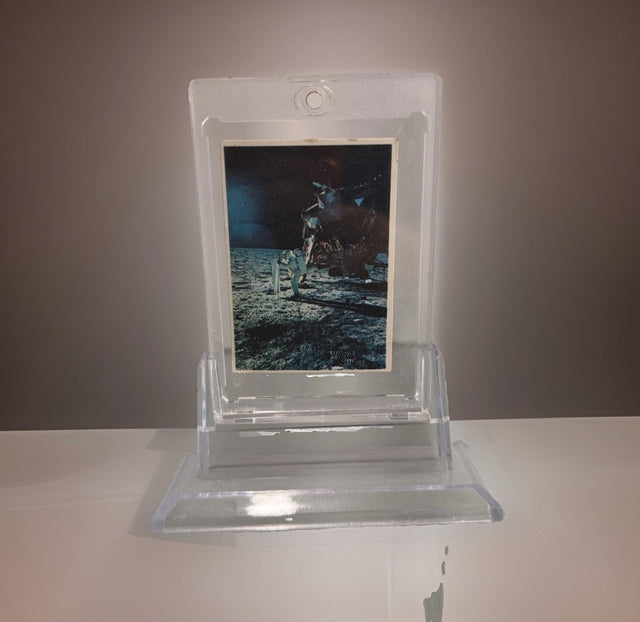
1969 Space Candy Buzz Aldrin Apollo 11 On The Moon Card #19 Taylor-Reed Display
$59.00 USD
-

1980 Polo Player Green Pink Chalk Pastel Bears Andy Warhol Signature AS-IS
$399.00 USD
-

After Andy Warhol Moon Landing Line Drawing 5/50 w/ Astronaut Autographs As-Is
$175.00 USD
-

After John Lennon "I Do" Framed Print, Marked A/P Unverified
$99.00 USD


Browse the collection for current listings.