

Featured image: AI-generated interior concept using product reference photography. Scale, setting, framing, and placement are illustrative.
Beyond the invoice price of artwork
A common misstep in interior design projects occurs when the art budget accounts solely for the purchase price of an artwork. A designer or client finds a compelling print, standard edition, or object, secures approval for the invoice, and considers the line item settled. Weeks later, when the work arrives at the studio or job site, additional expenses emerge: archival framing, custom pedestals, crating, white-glove transport, local tax where applicable, specialized wall fixings, and professional art handling. Suddenly, the initial acquisition cost represents only a fraction of what is required to place the work safely and elegantly in a room.
True art budgeting requires a full-lifecycle perspective. From the moment an art consultant or designer selects a piece, every physical characteristic of the work dictates downstream financial commitments. Paper works demand precise glazing, UV filtering, and acid-free mounting to protect delicate fibers. Three-dimensional works require structural support, precise sightlines, and stable plinths that resist accidental tipping. By anticipating these total-cost categories at the outset, design professionals protect their client relationships, safeguard project margins, and ensure that every artwork is presented at its absolute best.
The complete line-item framework
To avoid unexpected mid-project financial adjustments, design teams should build a comprehensive cost template for every proposed art purchase. Rather than listing a single monetary figure for a print or sculpture, the procurement line item should break out seven essential components. While precise dollar amounts naturally depend on project scope, location, and the specific physical requirements of the artwork, establishing these exact line items guarantees that no necessary step is overlooked during financial sign-offs.
- Acquisition: The agreed invoice cost of the artwork itself, including edition premiums or proof designations.
- Taxes and duties: Applicable local sales tax, state transaction taxes, or international import tariffs.
- Packing and freight: Specialized flat-packing, custom wooden crating, transit insurance, and regional or international courier delivery.
- Framing or display fabrication: Archival mounting, matting, custom moulding, UV-filtering glazing, or specialized sculpture plinths.
- Support hardware and mechanics: Structural wall brackets, heavy-duty anchors, cleats, anti-theft locks, or internal sculpture weighted bases.
- On-site installation: Fine art handling labor, staging, leveling, precise placement, and electrical integration if accent lighting is specified.
- Documentation and future transit: Cataloging, archival sleeves for provenance records, and contingencies for moving or storing works during subsequent site reconfigurations.
By framing the budget around these distinct categories, designers shift the conversation from mere decoration purchasing to comprehensive collection management. Clients immediately grasp why a small paper print requires additional funds to hang safely on a wall, or why a compact resin sculpture demands a custom display solution before it can sit comfortably in a busy residential corridor.
Paper, ink, and deckled edges: framing small prints
Paper works present immediate framing choices that directly influence both aesthetic impact and overall expenditure. A prime example is a work on paper such as the Shepard Fairey AK-47 Lotus letterpress print. Measuring 10 by 13 inches, this edition print features a vivid red lotus blooming from the barrel of an automatic rifle, executed on cream cotton paper with hand-deckled edges. The physical nature of letterpress printing introduces a deep debossed tactile quality into the sheet. Furthermore, as an Artist Proof bearing pencil signatures, lower-left AP notations, and an embossed publishing chop, preserving the full sheet, including those hand-formed deckled margins, is essential to both visual presentation and long-term care.
When budgeting for a piece of this nature, mounting and framing decisions must match the quality of the paper. Standard off-the-shelf framing or conventional matting that covers the edges will completely conceal the deckled margins and flatten the physical character of the cream cotton stock. To display the full sheet correctly, designers should specify a float mount. Floating the paper over an acid-free backing board allows the textured edges to cast subtle drop shadows, highlighting the handmade nature of the material. This requires a deeper frame profile to ensure the paper never presses directly against the glazing.
Glazing choice is another vital budget consideration. Direct sunlight, high ambient light, heat, and moisture cause irreversible yellowing or fading on fine cotton papers over time. While light-filtering glazing significantly reduces these environmental risks, it does not render delicate paper completely immune to damage. Designers should always specify high-transmission, low-reflective glass with substantial UV protection. While this adds to the baseline framing cost, it prevents the annoying glare that distracts from fine letterpress details while offering long-term protection against ambient light exposure.
Every framing component carries distinct trade-offs between protection, visual impact, and total allocation. Choosing non-reflective, museum-grade acrylic instead of standard conservation glass offers shatter protection and lower weight, which is useful in high-traffic residential zones, but it increases the initial glazing cost. Opting for a hand-milled, custom painted hardwood strainer instead of a pre-milled moulding ensures structural stability and exact color matching for bespoke interiors, yet it absorbs a higher percentage of the total project allowance. A float mount requires micro-hinging with archival Japanese tissue and wheat starch paste to secure the print without adhesive residue, adding specialized labor charges that standard dry mounting avoids.
Consider a hypothetical budgeting exercise for a residential study wall measuring twelve feet wide by nine feet high, designed around the Fairey letterpress print. In this hypothetical setup, the direct acquisition cost of the art constitutes fifty percent of the total project line item. The remaining half is distributed across post-acquisition allocations: fifteen percent for museum-grade UV-filtering glazing and float-mount framing, ten percent for local art transit and white-glove delivery, five percent for specialized archival micro-hinging, five percent for professional wall-hanging hardware and labor, and fifteen percent reserved as a contingency for sales tax and eventual relocation packing. If the client decides to upgrade to a custom hand-gilded walnut frame profile, that adjustment requires reallocating funds from the general furnishings budget or securing a formal change-order approval before ordering materials.
Dimensional artwork requires a completely different total-cost allocation model. Consider a three-dimensional resin work such as the Cleon Peterson POWER Sculpture. Unlike paper prints that require custom framing and glazing, free-standing resin sculptures demand secure display surfaces, specialized lighting, and environmental stabilization. Resin surfaces are susceptible to dust accumulation, skin oils, and accidental impact, making pedestal selection, secure mounting brackets, and specialized handling essential line items from the outset.
Budgeting for a dimensional sculpture involves evaluating structural support, presentation pedestals, and spatial placement. In a hypothetical reception salon measuring sixteen feet by twenty feet, placing a resin sculpture on an open console table creates trade-offs regarding safety and visibility. A custom acrylic vitrine or weighted pedestal prevents direct contact and accidental tipping, but it shifts a larger portion of the installation budget into specialized fabrication. Directing focused, low-heat LED museum spots onto matte resin surfaces avoids harsh glare while accentuating subtle sculpted contours, requiring early coordination with the electrical contractor before final drywall finishing.
Consider another hypothetical exercise analyzing the total cost structure for a sculpture installation. Here, the purchase price of the piece represents forty percent of the complete budget line item. Fabrication of a weighted, custom painted display pedestal accounts for twenty percent, a museum-grade clear protective acrylic cover accounts for fifteen percent, specialized art courier transport and white-glove positioning account for ten percent, direct spot lighting allocation accounts for ten percent, and five percent remains in reserve for protective handling gear, future moves, or tax variations. Prioritizing the protective cover ensures the work remains pristine, while approval dependencies dictate that the pedestal dimensions and lighting plan must be finalized before electrical rough-ins are completed.
Understanding these distinct allocation models enables interior designers to present comprehensive, accurate proposals to clients. By mapping every line item, from archival micro-hinging and UV glass to custom pedestals, transit insurance, and professional mounting hardware, designers avoid unexpected scope creep and deliver fully realized art installations that preserve the integrity of both two-dimensional paper prints and three-dimensional sculpture.
Dimensional objects and the geometry of support
Three-dimensional objects require a completely different budgetary logic. Unlike flat works that rely on wall studs, sculptures must interact safely with floor space, traffic patterns, and furniture surfaces. Consider a compact sculptural work like the Cleon Peterson POWER sculpture. Crafted in matte white resin and measuring 11.61 by 7.09 by 2.83 inches, this limited edition figure translates the artist's signature graphic tensions into a solid three-dimensional form. Marked with an embossed artist imprint and packaged with original handling materials, its crisp monochrome geometry demands clean visual presentation.
Because resin exhibits a smooth, non-porous finish, matte white surfaces easily register oils from fingertips, dust accumulation, or accidental scuffs from daily domestic life. Placing a work of this scale on an exposed, high-traffic side table without physical protection risks constant contact. A proper budget allocation for a sculpture like this often includes a custom acrylic display case or a dedicated plinth that elevates the piece to eye level while shielding it from accidental movement.
Furthermore, structural stability must be evaluated. Compact sculptures with asymmetrical geometries require stable, level surfaces. If a sculpture is placed on a console table near an entry hall or a high-foot-traffic corridor, designers must account for anti-slip museum gel, custom weighted bases, or concealed mechanical fasteners to ensure the work remains completely stable during everyday household activity. These small hardware items and fabrication tasks represents necessary expenses that must be accounted for early in the design cycle.
Freight, transit, and professional handling
Moving artwork safely from a gallery or secondary market source to a residential site is never as simple as booking standard parcel transport. Specialized art transit involves distinct packaging, environmental controls, and handling protocols that directly affect total costs. For works on paper, such as small letterpress prints, rigid flat-packing between acid-free boards is essential to prevent creasing, corner dings, or compression of debossed ink lines during transit.
For sculptures, double-boxing with custom-cut foam inserts is mandatory. A matte resin piece like the Cleon Peterson POWER sculpture must be suspended securely within its packaging so that protruding elements, sharp corners, or delicate physical extremities do not bear impact weight if the outer box is jostled. Reusable storage packaging, original artist boxes, and specialized transit containers should be retained for future relocation or storage, requiring space planning and inventory tracking within the project scope.
Transit insurance is another critical line item. Standard freight carriers limit liability to minimal weight-based reimbursements that fall far short of an artwork's actual replacement value. Dedicated fine art insurance policies or full-value transit coverage ensure that if a shipment encounters extreme weather, mechanical stress, or handling damage, the client's financial position remains protected. Designers should explicitly include transit coverage as an operational line item in their initial proposals.
Site preparation, structural hardware, and installation
Once an artwork arrives on site, the installation phase introduces its own specialized labor and hardware expenses. Hanging fine art requires far more than a hammer and a standard picture nail. Professional installers assess wall construction, whether drywall, lathe and plaster, solid brick, or stone veneer, and select mechanical anchors capable of holding weight without creeping over time.
For wall-hung works, heavy adjustable picture hooks, heavy-duty cleats, or museum-grade hanging rods provide micro-adjustment capabilities, ensuring that pairs or grids of artwork align perfectly to the millimeter. In seismic zones or public-facing residential areas like foyers and stairwells, security hanging hardware prevents works from being accidentally knocked off the wall or shifting out of plumb during daily activity.
Sculpture placement requires equal rigor. Placing a white resin sculpture on a floating shelf or custom wall bracket demands structural checks to verify load-bearing capacity and horizontal levelling. If accent lighting is planned to highlight the geometric contours of a three-dimensional piece, electrician fees for installing low-voltage directional spotlights, concealed wiring, or dimmable fixtures must be integrated directly into the art installation line item, rather than hidden in general electrical scope.
A hypothetical budget planning exercise
To demonstrate how these individual expenses aggregate across a real-world residential scheme, let us analyze a theoretical design project. Assume a hypothetical mid-sized living room measuring twenty feet by sixteen feet and an adjacent ten-by-twelve foot study in an urban home. In this hypothetical room set, the client has allocated a theoretical total art and display allowance defined strictly as 100% of available funds. The project brief calls for placing a small fine art letterpress print in the study and a modern resin sculpture on a custom console in the main living space.
When specifying a works like the Shepard Fairey AK-47 Lotus Letterpress AP Signed 2021 10x13 Obey Giant Print alongside a dimensional object such as the Cleon Peterson POWER Sculpture White Ltd Edition 500 Beyond The Streets NEW, structural trade-offs emerge instantly between immediate hardware spend and future maintenance. A deckled-edge paper print requires a custom float mount, museum-grade anti-reflective UV glass, and an archival sealed backing to protect the cotton fibers from ambient moisture. Skipping high-grade UV glazing saves money up front but guarantees paper discoloration near natural light sources, leading to costly conservation work later. Conversely, the matte white resin sculpture requires no glazing, but its display trade-off shifts to physical stabilization, specialized pedestal weighting, and directional accent lighting that must be tied into the home architectural wiring plan before final wall finishes are applied.
Rather than spending 90% of the allocated capital on acquiring the objects and struggling to finish the installation with the remainder, a disciplined designer structures the financial plan around balanced allocations across all seven cost categories. The approval process must move through explicit dependencies: art acquisition approval unlocks precise framing dimensions, which subsequently dictates crate specifications and triggers sign-offs for final hanging site prep. The following proportional planning exercise illustrates how a total allowance can be distributed effectively across acquisition and installation needs:
| Category | Study (Letterpress Print) | Living Room (Resin Sculpture) | Combined Allocation |
|---|---|---|---|
| Acquisition | 28% | 27% | 55% |
| Taxes & Duties | 3% | 3% | 6% |
| Packing & Transit | 2% | 4% | 6% |
| Framing / Display | 10% | 8% | 18% |
| Hardware & Mounting | 2% | 2% | 4% |
| Professional Labor | 4% | 5% | 9% |
| Documentation / Moves | 1% | 1% | 2% |
| Total Allocation | 50% | 50% | 100% |
Notice how in this exercise, direct acquisition costs account for slightly more than half (55%) of the total project budget, while framing, display solutions, delivery, hardware, and specialized labor make up the remaining 45%. Consider a concrete design choice: choosing between a standard two-point wall anchor system or an integrated cleat with internal museum wax securing the sculpture base to its console. The cleat setup increases the hardware and labor line items by a small percentage margin, but it eliminates tipping hazards in high-traffic residential zones. Prioritizing secure mounting and proper glazing protects the client's asset value, whereas cutting these line items to absorb a higher initial purchase price creates ongoing risk. If the designer had spent 85% of the total funds on purchasing the two artworks alone, the project would have suffered from compromised off-the-shelf framing, unsafe sculpture placement, or unexpected out-of-pocket expenses that harm client trust.
Prioritization, sequencing, and approval dependencies
Managing an art procurement budget successfully requires strict control over project sequencing and client approval chains. Approvals must follow a clear logical order: physical dimensions and site condition analysis first, acquisition approval second, custom fabrication and framing design third, and final installation logistics fourth. Reversing these steps leads to costly rework and delays.
For example, ordering a custom frame before receiving the physical artwork and confirming its exact sheet dimensions can lead to major errors. Fine art paper works often exhibit subtle size variations or uneven deckled margins that differ slightly from published nominal specifications. A designer should always wait until the work is physically in hand, or measured directly by a professional framer, before finalizing frame profiles, mat openings, and acrylic cutting sizes.
Similarly, sculpture display solutions require exact physical measurements and site lighting assessments before fabrication begins. If a custom pedestal or floating shelf is built without verifying the footprint, center of gravity, and eye-level viewing angles of the piece, the proportion of the installation will feel off. Establishing approval milestones prevents premature manufacturing orders and keeps the procurement schedule running smoothly.
Maintaining long-term value through proper installation
Investing in correct framing, archival materials, and stable display solutions does more than present art beautifully today; it preserves physical condition and long-term value over time. Paper works mounted with non-archival tapes, acidic backing boards, or low-grade adhesive films suffer permanent staining, mat burn, and paper embrittlement. Floating a sheet like the Shepard Fairey letterpress print using non-invasive Japanese tissue hinges and wheat starch paste guarantees that the print can be removed in the future without damaging its organic cotton fibers.
Likewise, displaying a resin work like the Cleon Peterson POWER sculpture in a secure, climate-controlled environment away from direct, high-heat spotlight bulbs prevents surface discoloration or material warping. Using original handling gloves when moving matte white sculptures prevents natural skin oils from penetrating the porous surface, keeping the matte finish pristine across years of display.
Documenting these conservation choices is an essential part of responsible art management. Keeping invoices from certified framers, recording the details of UV-filtering glass specifications, and storing original artwork packaging inside archival containers establishes a clear trail of care. When client properties are redecorated, or when works are moved between residences, having archival transit boxes and detailed care records ready ensures the collection transitions smoothly without physical harm.
Practical next actions for design projects
To implement a robust art budgeting framework on your current interior design projects, begin by auditing your existing art line items against the complete cost categories discussed above. Ensure that every proposed work accounts for transit, archival framing, custom mounting, and professional installation before presenting figures to your client for final sign-off.
Before specifying framed dimensions or finalizing display furniture, confirm exact sheet measurements, current availability, and physical condition details directly with the artwork provider. Fine art framers, conservators, and experienced art installers can help assess specific structural and environmental requirements for complex residential spaces.
Explore our current selection of rare prints, limited edition sculptures, and fine art collectibles at Gauntlet Gallery to find exceptional pieces that bring depth, character, and sharp modern design into your next interior project.
Available at Gauntlet Gallery
Explore current pieces available from the gallery.
-

1963 Farquhar Earth in Space Transparent Celestial Globe 16" Compass VTG
$699.00 USD
-

1967 Beatles Richard Avedon STERN Original Posters Set of 4 Linen Backed Copy
$999.00 USD
-
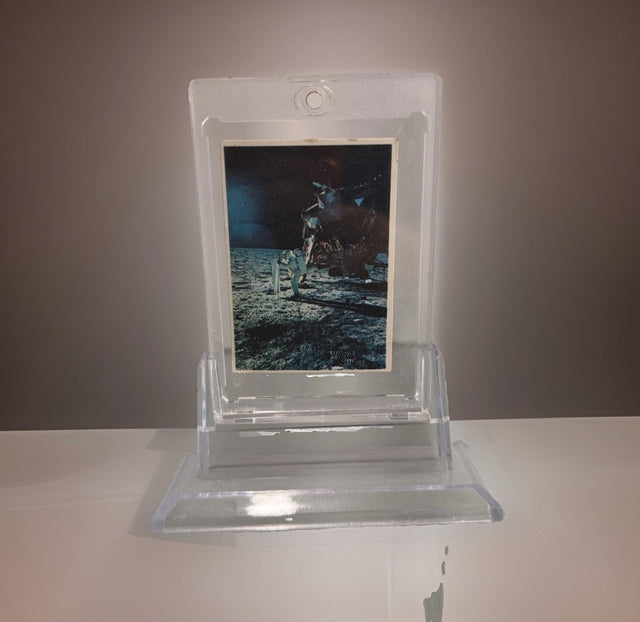
1969 Space Candy Buzz Aldrin Apollo 11 On The Moon Card #19 Taylor-Reed Display
$59.00 USD
-

1980 Polo Player Green Pink Chalk Pastel Bears Andy Warhol Signature AS-IS
$399.00 USD
-

After Andy Warhol Moon Landing Line Drawing 5/50 w/ Astronaut Autographs As-Is
$175.00 USD
-

After John Lennon "I Do" Framed Print, Marked A/P Unverified
$99.00 USD


Browse the collection for current listings.