If you want to start collecting KAWS without overpaying, the short answer is this: learn the difference between an open edition and a limited one, understand how a colorway changes value, insist on original packaging and honest condition grading, and never agree to a price until you have checked it against real comparable sales. KAWS is one of the most liquid names in contemporary collectibles, which is a gift and a trap. Liquidity means there is almost always a market price you can verify. It also means there is almost always a seller happy to charge you more than that price if you have not done the homework.
This guide walks through what a first-time KAWS buyer actually needs to know before spending real money. It covers what the name "KAWS" even refers to, why edition type governs both price and availability, how colorways drive value in principle, why the box matters as much as the object, how to read comparable sales the way a dealer does, and how authentication and provenance differ between the figures and the prints. None of it requires insider access. It requires patience and a willingness to walk away. Compare the exact KAWS release, colorway, pose, edition and condition using dated completed sales. Broad archive totals and another edition’s performance do not establish an item’s resale value.
Start here: what "KAWS" actually covers

KAWS is the working name of Brian Donnelly, an American artist whose practice runs from painting and works on paper to the collectible vinyl and fiberglass figures most new buyers encounter first. When someone says they "collect KAWS," they could mean any of several very different markets, and knowing which one you are entering is the first defense against overpaying.
The most recognizable form is the figure. COMPANION — the Mickey-Mouse-descended character with crossed-out X eyes and gloved hands — is the flagship, but the cast extends to characters such as CHUM, BFF, ACCOMPLICE, and the small skull-and-crossbones motif that recurs throughout the work. These characters appear as vinyl figures produced in different sizes and finishes, from small shelf pieces to large-format releases, and they are the entry point for most collectors because they are approachable, displayable, and traded constantly.
Then there are the prints: screenprints and lithographs, usually signed and numbered, that occupy a distinct and more traditional art market. A KAWS print behaves like any editioned work on paper — value tracks the image, the edition, the condition of the sheet, and provenance. Finally there are the unique paintings and sculptures, which sit at the top of the market and are priced individually rather than by edition. These are not where a new collector should begin, but it helps to know they anchor the ceiling of the artist's market and lend gravity to everything below.
The practical takeaway: figures, prints, and paintings are three separate games with different pricing logic, different authentication chains, and different failure modes. A buyer who conflates them is the buyer most likely to overpay. Decide which lane you are collecting in before you look at a single price.
Open editions versus limited editions

The single most important variable in what you will pay for a KAWS figure is whether it was an open edition or a limited one. This distinction governs both scarcity and price, and misreading it is the most common way new collectors lose money.
An open edition is produced to meet demand during a defined sales window rather than capped at a fixed number. Because supply expands to meet buyers, open-edition figures are generally the most accessible and affordable way into the work. They are wonderful first purchases precisely because there are many of them: the market is deep, comparable sales are plentiful, and you are unlikely to overpay badly if you check recent transactions. The risk with an open edition is the opposite of scarcity — it is assuming that a widely produced object is rarer than it is, and paying a premium the supply does not justify.
A limited edition is capped at a fixed run. Scarcity is built in, and because supply cannot expand, price is far more sensitive to demand, condition, and colorway. Limited pieces can carry meaningful premiums, but they also demand more diligence: a small number in circulation means each comparable sale carries more weight, and a single unusual result can distort your sense of the market. With limited editions you are not just buying an object, you are buying a position in a thin market, and thin markets move.
Two honest principles hold regardless of the specific release. First, edition type is a fact you should confirm before you value anything — do not infer scarcity from how special a piece looks. Second, "limited" is not automatically "better investment." A common, beloved open edition in pristine condition can hold value more reliably than an obscure limited release nobody is chasing. Demand, not just the size of the run, sets the price. We deliberately avoid quoting fixed edition sizes here because they vary by release and are easy to get wrong; verify the specific number for the specific piece you are considering, from documentation, not from a listing's marketing copy.
Colorways and how they drive value

Many KAWS figures are released in more than one colorway — the same sculpture cast or produced in different palettes. Colorway is one of the quiet levers of value, and understanding it in principle protects you from paying a rarity premium for a version that is not, in fact, rare.
As a general dynamic, the original or flagship colorway of a given release — often the version most closely associated with the piece at launch — tends to command the most collector attention, and attention is what drives price. Alternate colorways, sometimes issued in smaller quantities, can behave in either direction: a genuinely scarce variant may carry a premium, while a less-loved palette can trade below the flagship even when the underlying object is identical. The classic trio a collector will hear discussed is the original colorway against the black and grey versions of the same figure; the point is not that any one always wins, but that each version has its own demand curve and its own set of comparable sales.
The mistake to avoid is treating "different color" as automatically "more valuable" or automatically "less valuable." Neither is true as a rule. Value follows demand, and demand for a colorway is something you read from the market, not from intuition. When you compare prices, compare like with like: the same character, the same size, the same colorway, in the same condition. A price that looks high or low almost always resolves once you line the variant up against its own comparable sales rather than against a different colorway that happens to share a silhouette.
One more practical note. Because colorways can look similar in poorly lit listing photos, misidentification is a real source of mispricing — in both directions. Confirm the exact colorway from clear images and any accompanying documentation before you anchor on a number. The version you think you are buying and the version you are actually buying need to be the same thing.
Condition and packaging

With KAWS figures, the box is not an afterthought — it is part of the asset. A figure with its original packaging, intact and undamaged, is a materially different proposition from the same figure without its box, and the market prices that difference consistently. For a new collector, treating packaging as optional is one of the easiest ways to buy something that is worth less than you paid.
Original packaging matters for several reasons. It is evidence: the correct box, inserts, and any printed matter are part of how a piece presents as complete and untampered. It is protective: figures stored and shipped in their original packaging are less exposed to the scuffs, dents, and sun-fading that erode value. And it is expected: collectors and the comparable-sales record overwhelmingly reference figures in their boxes, so a boxless example is competing in a different, generally weaker segment of the market. When you evaluate a price, first confirm whether the comparable you are using included the box, because a boxed comp and a boxless comp are not interchangeable.
Condition of the object itself follows the same logic. Vinyl and painted surfaces show handling: examine for scuffs, paint rubs, stress marks, discoloration, and any sign of repair. Ask directly for photographs of the areas most prone to wear and do not fill in gaps with optimism. A figure described as "near perfect" with no close-up images is a figure you cannot yet price.
Grading works on paper is a related but distinct discipline. For KAWS prints, condition centers on the sheet: look for foxing, toning, light stains, handling creases, soft or bumped corners, and any trimming of the margins. Flatness matters, as do the margins themselves, since a trimmed or reduced sheet is a permanently compromised work. Prints are also sensitive to how they have been framed and stored — light exposure and acidic materials do slow, irreversible damage. As with figures, the honest move is to insist on high-resolution images and a frank condition report before you agree to anything. Condition is not a detail that gets sorted out after purchase; it is a primary input to price.
How to not overpay: reading comparable sales

The core discipline that separates collectors who overpay from collectors who do not is the reading of comparable sales — the actual prices that the same or closely similar pieces have recently changed hands for. A listing price tells you what a seller hopes to get. A comparable sale tells you what a buyer actually paid. Only the second number protects you.
Reading comps well is a matter of matching like with like. A useful comparable shares the essentials with the piece you are considering: the same character and release, the same size, the same colorway, and a comparable condition including packaging status. A boxed original-colorway figure in excellent condition is not a comparable for a boxless alternate colorway with visible wear, even though both are "the same figure" in casual terms. The tighter your match, the more trustworthy your number. When exact matches are scarce — common with limited editions — widen carefully and weight the closest comps most heavily, while treating any single outlier result with suspicion.
This is precisely the work Gauntlet Gallery builds its pricing on. A new collector can apply the same principle at smaller scale: before you buy, assemble several recent, genuinely comparable sales, discard the outliers, and let the cluster in the middle tell you what the piece is worth. If a price sits well above that cluster, the burden is on the seller to explain why — a documented rarity, an exceptional condition, a complete provenance — and "because it's KAWS" is not an explanation.
A final honesty note. Gauntlet Gallery is not a licensed financial advisor, and none of this is a promise about future prices. Comparable sales describe what has happened, not what will. The goal of reading comps is narrower and more reliable than prediction: it is to make sure that what you pay today is defensible against what the market has actually been doing.
Authentication and provenance

Authentication is where the figures and the prints diverge most sharply, and getting the chain right for each is essential. A confident buyer knows exactly what documentation to expect for the specific kind of KAWS piece in front of them, and treats anything less as a reason to slow down.
For KAWS and BE@RBRICK figures, authentication rests on the physical piece and its release record: Medicom packaging quality and the hologram sticker, the molded foot stamp and copyright markings (© KAWS plus year), paint quality and crisp detailing, and a match to the documented release. Together these checks are what make a figure's authenticity checkable rather than merely asserted, and they are a meaningful reassurance for a category that attracts counterfeits.
KAWS prints are authenticated differently, and it is important not to carry the figure standard over to paper. Prints rely on publisher and edition documentation together with provenance — the record of the edition, the signature and numbering on the sheet, and a clean chain of ownership. Do not carry the figure checks over to a paper print; that is not how prints are authenticated, and packaging-and-markings evidence designed for figures does not belong on a work on paper. For a print, the credible evidence is the edition information, the physical sheet consistent with a known release, and provenance you can follow.
Provenance underpins both. A certificate is only as strong as the party issuing it and the ownership history behind it — a third-party record or documented provenance is worth far more than a generic, seller-printed slip. Ask where a piece came from, what documentation travels with it, and whether the certificate identifies the specific work. Gauntlet Gallery's approach is authentication-first: we authenticate and document provenance before a piece is listed, rather than leaving the buyer to sort it out afterward. Whatever the seller, insist that the authentication chain match the object — figures on the figure standard, prints on the print standard — and never let one be substituted for the other. For a KAWS or BE@RBRICK purchase, check the individual listing for release-specific packaging, production marks, condition and provenance. Manufacturer NFC is relevant only on releases that include it; a certificate alone does not establish authenticity.
A first-purchase game plan

Pulling it together, here is a sane sequence for a first KAWS purchase that keeps you from overpaying without demanding expertise you do not yet have.
Start by choosing your lane. For most new collectors, an open-edition figure is the most forgiving entry point: supply is deep, comparable sales are plentiful, and mistakes are cheaper to recover from than in a thin limited-edition market. Decide whether you are buying to live with the object, to hold, or both, and let that shape how much condition and completeness matter to you — though in practice both matter more than beginners expect.
Then work the checklist in order. Confirm exactly what the piece is: character, release, size, and colorway, verified from documentation rather than listing copy. Confirm the edition type — open or limited — and, for limited pieces, the specific edition details. Confirm condition and packaging with clear, high-resolution images and a frank condition report, treating the box as part of the asset for figures and the margins and sheet as decisive for prints. Confirm the authentication chain matches the object: packaging, hologram, and release-record checks for figures, publisher and edition documentation plus provenance for prints. Only after all of that do you turn to price.
On price, assemble several genuinely comparable recent sales, discard the outliers, and let the middle cluster set your ceiling. If the asking price sits above that cluster, require a documented reason. If none exists, walk away — with a name as liquid as KAWS, another example almost always comes along. Buy the best condition and most complete example you can afford within your lane rather than stretching for a piece you cannot properly verify. Discipline here is not caution for its own sake; it is the difference between paying a market price and paying a hopeful one.
If you would rather not run this gauntlet alone, that is exactly the work an authentication-first gallery does on your behalf. You can see how the principles above translate into vetted, documented inventory in the Gauntlet Gallery KAWS Figurines collection, where every piece is benchmarked against comparable sales and authenticated before it is listed.
Frequently Asked Questions
How do I start collecting KAWS without overpaying?
Begin with an open-edition figure, where supply is deep and comparable sales are plentiful, so mistakes are cheaper. Before buying anything, confirm the character, size, colorway, edition type, condition, and packaging, then check the asking price against several recent comparable sales and discard the outliers. If the price sits above that cluster with no documented reason, walk away — KAWS is liquid enough that another example usually appears. For a figure under consideration, compare its photographed production marks, packaging and condition with release-specific references.
What is the difference between an open edition and a limited edition KAWS figure?
An open edition is produced to meet demand during a set sales window rather than capped at a fixed number, which makes it more accessible and generally more affordable. A limited edition is capped at a fixed run, so scarcity is built in and price is more sensitive to demand, condition, and colorway. Neither is automatically the better buy — a beloved open edition in pristine, boxed condition can hold value more reliably than an obscure limited release nobody is chasing. Confirm the edition type from documentation before you value any piece.
Why does the box matter so much for KAWS figures?
Original packaging is part of the asset: it is evidence that a piece is complete and untampered, it protects the figure from scuffs and fading, and it is what the comparable-sales record overwhelmingly references. A boxless figure competes in a different, generally weaker segment of the market than a boxed one, so a boxed comp and a boxless comp are not interchangeable. When you check a price, first confirm whether your comparable sale included the box, because that single factor can move value meaningfully.
How are KAWS figures and KAWS prints authenticated?
KAWS and BE@RBRICK figures are authenticated through Medicom packaging and the hologram sticker, molded foot-stamp markings, and the documented release record, which tie the specific figure to a verifiable release. KAWS prints are authenticated differently — through publisher and edition documentation plus provenance, meaning the edition record, the signature and numbering on the sheet, and a clean ownership history. Do not accept figure-style packaging evidence as authentication for a paper print; those checks are for figures, not works on paper. A certificate is only as strong as the party issuing it and the provenance behind it.
How do I read comparable sales for a KAWS figure?
Match like with like: the same character and release, the same size, the same colorway, and a comparable condition including packaging status. Gather several recent genuine comparables, discard any single outlier result, and let the middle cluster tell you the market price. A listing price only shows what a seller hopes to get, while a comparable sale shows what a buyer actually paid — only the second number protects you.
The collector's takeaway is simple. KAWS rewards patience and punishes haste. Verify what the piece is, insist on condition and the right authentication chain for figures versus prints, and let real comparable sales — not listing copy — set your price. That is the entire discipline, and it is the same one Gauntlet Gallery applies before any piece is listed: authenticate first, document provenance, benchmark against the market, and only then put a number on it.
Shop KAWS
Explore current pieces available from the gallery.
-
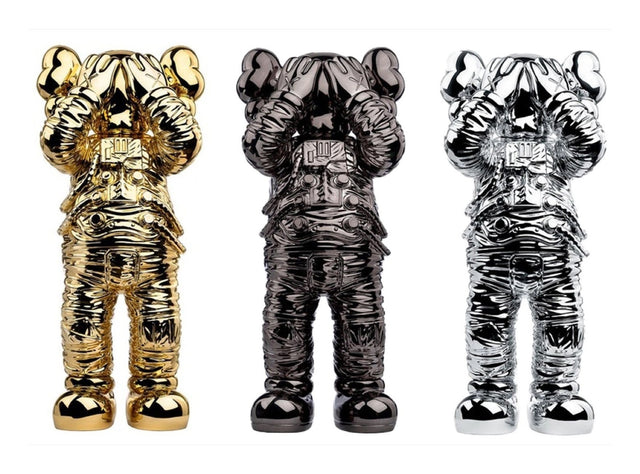
KAWS Holiday Space Set of 3 Gold Black Silver Companion Astronaut Figure Rare
$2,900.00 USD
-
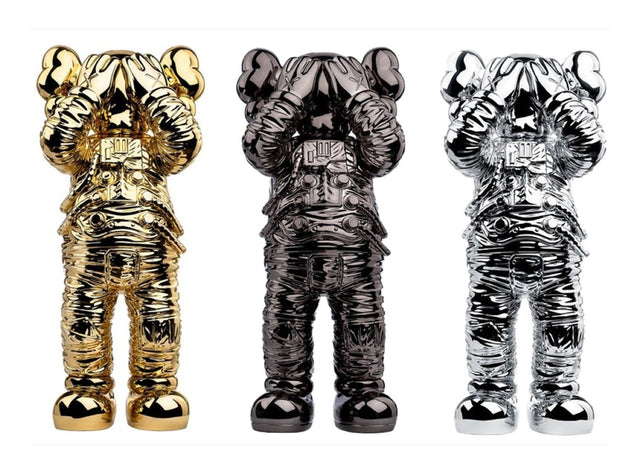
KAWS Holiday Space Set of 3 Gold Black Silver Companion Astronaut Figure
$2,900.00 USD
-
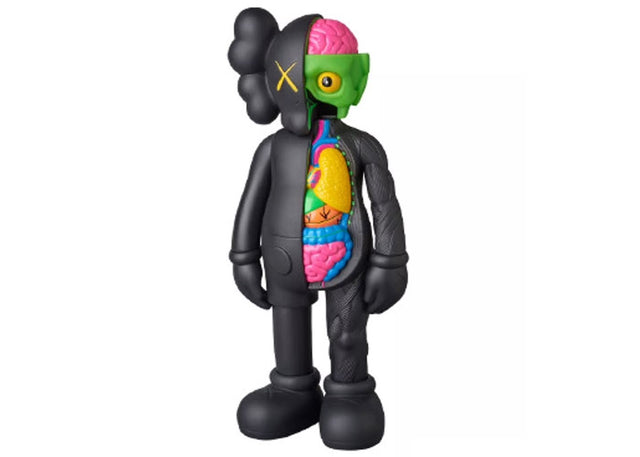
KAWS Companion Flayed Open Edition Black Medicom Toy Dissected Sealed New Figure
$599.00 USD
-
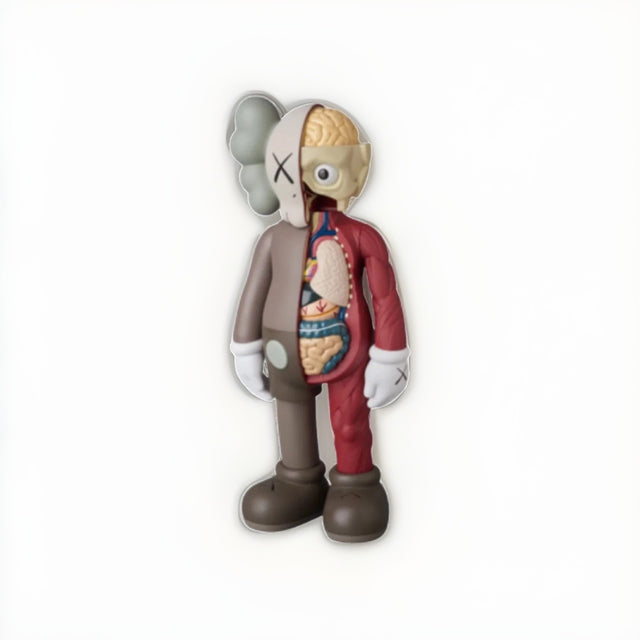
KAWS Companion Flayed Open Edition Brown Medicom Toy Dissected Sealed New Figure
$349.00 USD
-
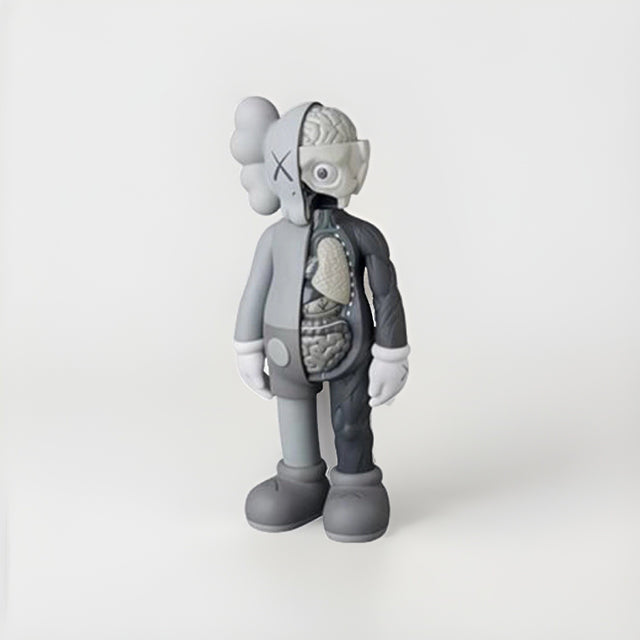
KAWS Companion Flayed Open Edition Grey Medicom Toy Dissected Sealed New Figure
$349.00 USD
Browse the collection for current listings.