Condition is one of the two or three most powerful drivers of value for a KAWS vinyl figure, and in many cases it matters as much as the release itself. A sealed, unopened example with crisp packaging typically commands a clear premium over the same figure that has been displayed, and each step down the condition ladder — opened but complete, displayed with minor wear, yellowed or faded, damaged or incomplete — reduces what serious buyers will pay. The market prices KAWS figures the way it prices trading cards or watches: identical items are not identical once condition enters the equation. Packaging, vinyl surface, paint, joints, and documentation each carry weight, and the strictest buyers pay the most for examples that check every box.
That is the short answer. The long answer — the one that actually helps you buy, sell, and care for these figures intelligently — requires understanding why the market behaves this way, which specific flaws matter most, how condition interacts with rarity, and how to document what you own. This guide walks through all of it. Compare the exact KAWS release, colorway, pose, edition and condition using dated completed sales. Broad archive totals and another edition’s performance do not establish an item’s resale value.
Why Condition Carries So Much Weight in the KAWS Market
KAWS vinyl figures occupy an unusual position in the art market. They are produced editions — manufactured objects, made in multiples — rather than unique works. When a collector buys a unique painting, condition matters, but there is no other example to compare against; the work is the work. When a collector buys an edition figure, there are many other examples of the same release circulating, and buyers can choose among them. That choice is what makes condition so decisive. If ten examples of the same figure are available and yours is the only one with a crushed box corner, yours sells last and sells lowest.
The KAWS collector base also skews toward buyers who came up through sneaker culture, designer toys, and trading cards — communities with deeply ingrained condition standards. "Deadstock," "sealed," and "mint in box" are not casual descriptors in these markets; they are pricing categories. That sensibility transferred directly to KAWS collecting. Many of the most active buyers treat an unopened figure as a fundamentally different asset than an opened one, even when the figure inside is flawless.
Finally, condition is a proxy for care. A figure with a pristine box, clean vinyl, and intact documentation signals an owner who stored it properly, away from sunlight, smoke, and humidity. A figure with scuffed packaging and yellowed vinyl signals the opposite — and buyers reasonably worry that visible flaws are accompanied by invisible ones. In our experience helping collectors through our KAWS buyer's guide, the question "how was it stored?" is one of the first things sophisticated buyers ask, and condition is how the object itself answers.
The Condition Hierarchy: From Sealed to Damaged
The market does not use a single official grading scale for KAWS figures the way card grading services score trading cards. But verified sales cluster into recognizable tiers, and understanding them is the fastest way to think clearly about value. Here is the hierarchy as it plays out in real transactions:
| Condition Tier | What It Means | Typical Market Impact |
|---|---|---|
| Sealed / unopened | Factory-sealed packaging never opened; contents unverified but presumed pristine | The benchmark. Commands the strongest prices; the tier most buyers pay a premium to reach |
| Opened, complete, mint | Opened carefully; figure flawless; all packaging, inserts, and protective materials retained | Modest discount to sealed; the sweet spot for collectors who want to verify or display |
| Displayed, minor wear | Light shelf display; faint dust settling, minor box shelf-wear, no damage to the figure | Noticeable discount; still very sellable with honest disclosure and good photos |
| Visible flaws | Yellowing, sun fade, paint rub, scuffs, loose joints, or significant box damage | Substantial discount; the buyer pool shrinks to display-focused collectors |
| Damaged or incomplete | Cracks, breaks, missing accessories, missing packaging entirely | Steepest discount; sells primarily on the strength of the release itself |
Two things about this table deserve emphasis. First, the gaps between tiers are not uniform. The drop from sealed to opened-but-mint is usually the smallest step, while the drop from minor wear to visible flaws is often the largest — because that is where a figure stops reading as "cared for" and starts reading as "worn." Second, the impact of each tier varies by release, which we cover in detail below. Rather than quoting numbers that go stale, we encourage collectors to compare recent verified sales for the specific figure and condition tier they are considering; our KAWS price guide and financial insights hub are built for exactly that comparison.
The Box Is Half the Story: Packaging Condition
Newcomers to KAWS collecting are often surprised by how much the packaging matters. For sealed figures, the box is the presentation — it is the only thing a buyer can actually inspect. For opened figures, complete original packaging is what separates the second tier from the third. Either way, the box is not an accessory; it is a core component of the collectible.
Packaging condition breaks down into a few recurring issues:
- Corner and edge wear. Crushed corners, dings, and edge rubbing are the most common flaws. They happen in shipping, in storage stacks, and on shelves. Sharp corners are the packaging equivalent of a mint figure.
- Seal integrity. On sealed examples, buyers look closely at whether factory seals are intact and undisturbed. A resealed box is worth far less than a genuinely sealed one, and honest sellers describe seals precisely.
- Sun fade and discoloration. Box inks fade under UV exposure just as vinyl does. A faded panel signals prolonged light exposure — a warning sign for the figure inside as well.
- Stickers, residue, and writing. Price stickers, tape residue, and handwriting all reduce desirability. Careful removal sometimes helps, but aggressive removal that scars the box surface makes things worse.
- Moisture damage. Warping, water rings, and soft spots are among the most damaging box flaws because they suggest storage conditions that endanger vinyl and paint too.
- Completeness. Inner trays, foam, plastic sleeves on the figure, inserts, and outer shippers where applicable all count. A complete package is worth meaningfully more than a bare box.
Because packaging carries so much weight, we maintain a dedicated KAWS packaging guide that walks through what original packaging should look like across release types, and how packaging details factor into both condition assessment and authentication. If you take one habit from this section, make it this: photograph and preserve every element of the packaging from the day a figure arrives, including the shipper it came in.
Figure-Specific Condition Issues to Understand
Once a figure is out of the box, a distinct set of condition factors takes over. These are the flaws that separate a mint displayed example from a compromised one.
Vinyl yellowing and sun fade
Vinyl — particularly white and light-colored vinyl — is vulnerable to discoloration over time, and ultraviolet light dramatically accelerates the process. A figure displayed near a window or under harsh lighting can shift from bright white toward cream or yellow, and the change is effectively irreversible by any method a collector should attempt. Fading also affects colored vinyl, muting saturated tones unevenly depending on which surfaces faced the light. Yellowing is among the most value-damaging flaws precisely because it cannot be honestly undone: a yellowed figure is permanently a yellowed figure. When buyers compare two examples of the same release, whiteness and color saturation are often the deciding factors.
Paint rub, scuffs, and transfer
KAWS figures typically feature painted details over molded vinyl, and paint is where handling leaves its record. Rub marks appear where a figure contacted its packaging or other objects; scuffs come from handling and repositioning; paint transfer occurs when a figure rests against another painted or colored surface long enough for pigment to migrate. Small factory-original paint imperfections do occur on production figures and are generally tolerated, but post-factory wear is judged much more harshly. Inspect high-contact points — hands, feet, ears, seams, and any protruding elements — under strong light and from multiple angles.
Joints and articulation
Many KAWS vinyl figures have articulated joints. Joints that have been posed repeatedly can loosen, and a figure that no longer holds its pose, or whose limbs hang slack, is a compromised figure even if the surface is clean. Conversely, joints forced past their intended range can stress the surrounding vinyl. When evaluating an opened figure, gently confirm that articulation feels firm and even. When preserving one, resist the urge to repose it frequently.
Staining, stickiness, and environmental damage
Vinyl can absorb ambient contamination: nicotine films from smoke exposure, kitchen grease carried on air, and dye transfer from colored shelving or fabric. Some soft vinyl also develops surface tackiness with age or heat exposure. These issues range from cleanable to permanent, and buyers discount for all of them because they cannot always tell which is which from photos. A figure from a smoke-free, climate-controlled home genuinely is worth more, and provenance that documents those storage conditions supports the asking price.
Cracks, breaks, and repairs
Structural damage — a cracked seam, a snapped accessory, a broken protrusion — is the most severe category, and undisclosed repair is worse than disclosed damage. Repainting or restoration attempted by a previous owner should always be disclosed; discovered after the fact, it destroys trust along with value. Our position as a dealer is simple: honest condition disclosure, backed by detailed photographs, protects everyone in the transaction.
How Condition Interacts With Rarity
Condition never operates in a vacuum. Its impact on value scales with how the specific release trades, and the interaction runs in a direction that surprises some collectors.
For widely produced releases — larger editions and figures that appear frequently on the secondary market — condition is close to everything. Buyers can afford to be patient and picky, because another example will surface soon. In this segment, top-condition examples absorb most of the demand, and flawed examples must be priced aggressively to move at all. If you own a common release, condition is the primary lever you have.
For genuinely scarce releases — early figures, low-supply colorways, collaborations that rarely surface — condition still matters, but scarcity gives buyers less room to be selective. When an example might not appear again for a long time, serious collectors will accept flaws they would never tolerate on a common figure, though they will still negotiate the price down for them. The rarest figures sell in almost any honest condition; they simply sell for less as condition declines.
The practical takeaway is that condition and rarity multiply rather than add. A top-condition example of a scarce figure is the strongest possible holding — it wins on both axes at once. A flawed example of a common figure is the weakest. Between those poles, understanding where a release sits on the supply spectrum tells you how much weight condition will carry. Cataloging resources like our KAWS figurine index help collectors place a specific release in context before judging what a given condition tier should mean for it.
Sealed vs. Opened: The Great Debate
Whether to open a sealed figure is the most debated question in vinyl collecting, and condition economics sit at the center of it. The case for keeping a figure sealed is straightforward: sealed is the top condition tier, the premium is real, and a sealed figure is insulated from most handling risks. The case for opening is also real: an opened figure can be inspected and verified, enjoyed as the artwork it is, and displayed — which is, after all, why these objects exist.
There is a wrinkle worth understanding: a sealed box is a claim, not a verification. The buyer of a sealed figure is trusting that the contents are present, correct, and undamaged. This is one reason documentation and seller reputation matter so much at the sealed tier, and why buying sealed figures from an authenticated source with documented provenance carries real value beyond the object itself. It is also why the sealed premium coexists with a healthy market for opened-and-verified examples — some buyers actively prefer a figure whose condition has been confirmed with their own eyes or a trusted dealer's.
Our guidance to collectors is to decide based on intent. If you are collecting primarily as a store of value, sealed examples preserve the most optionality: you can always open later, but you can never reseal honestly. If you are collecting to live with the work, open carefully, keep every element of the packaging, handle the figure with clean hands or gloves, and document the unboxing with photographs. An opened figure treated this way holds the second tier comfortably, and the enjoyment is part of the return. Browse our current KAWS collection and you will find both sealed and carefully opened examples, each described precisely so buyers know exactly which tier they are purchasing.
Condition and Authenticity: Two Separate Questions, One Combined Answer
Condition tells you what state a figure is in. Authenticity tells you whether it is the genuine article at all. They are separate assessments — but in practice, buyers need confident answers to both before value means anything, because a counterfeit in perfect condition is worth nothing.
Packaging sits at the intersection of the two. Original sealed packaging with its hologram is part of how genuine figures present, which is one more reason complete, undamaged packaging supports value: it preserves evidence. This is also where our gallery's process comes in. Combined with sealed original packaging where applicable, that pairing answers the authenticity question so the market conversation can focus on condition and price, where it belongs. For a KAWS or BE@RBRICK purchase, check the individual listing for release-specific packaging, production marks, condition and provenance. Manufacturer NFC is relevant only on releases that include it; a certificate alone does not establish authenticity.
For collectors buying elsewhere, we have published a detailed KAWS authentication guide and a companion resource on how to spot a fake KAWS figure. Read both before any significant purchase. The habits overlap heavily with condition assessment — close inspection of packaging, paint, and seams serves both goals at once — so a careful condition review naturally doubles as an authenticity review.
How We Assess Condition at Gauntlet Gallery
Because condition claims drive price, they deserve rigor. When a figure enters our inventory, we grade it against the same tier structure described above, photograph it thoroughly — packaging from all six sides, the figure from multiple angles under neutral light, and close-ups of any flaw however minor — and write the condition description before the price, not after. Honest sequencing matters: the description should determine the price, never the reverse.
Then we price against evidence. Asking prices are hopes; sold prices are data. That evidence-first approach is the same one we recommend to every collector: whatever you are buying or selling, anchor on recent verified sales of comparable condition, and treat outliers with suspicion. Our financial insights resources exist to make that discipline easier.
Preserving Condition: Storage, Display, and Handling
Every point in this article argues for the same conclusion: protecting condition is the highest-return maintenance a collector can perform. The good news is that preservation is mostly about avoiding a short list of threats.
- Light. UV exposure is the leading cause of yellowing and fade. Keep figures and boxes out of direct sunlight entirely. For displayed pieces, prefer positions away from windows, consider UV-filtering display cases, and rotate placement periodically so no single surface takes all the exposure.
- Heat and humidity. Vinyl and cardboard both suffer in hot, damp, or wildly fluctuating environments. Aim for stable, moderate room conditions. Attics, garages, and basements are the classic mistakes.
- Contact. Store boxes so corners bear no crushing weight, and never stack heavy items on them. Keep displayed figures from touching each other or colored surfaces that could transfer dye. Retain the original inner packaging for any figure you may re-box.
- Air quality. Smoke and kitchen aerosols film onto vinyl over time. A clean-air room is a meaningful condition asset.
- Handling. Handle with freshly washed, dry hands or cotton gloves, support the figure's body rather than its limbs, and repose articulated joints sparingly and gently.
- Dust. Dust displayed figures regularly with a soft brush or microfiber cloth — gently, and never with household solvents or abrasives, which can dull paint or mar vinyl.
None of this is burdensome, and all of it compounds. The difference between a figure that holds the top opened tier for a decade and one that slides into visible flaws is usually nothing more than where it sat and how often it was touched.
Documentation and Provenance: Condition's Paper Trail
Condition is a physical fact, but it is proven with records. A figure accompanied by its purchase documentation, dated photographs, and a clear ownership history sells more easily and more confidently at every tier — and the effect grows as prices rise. We encourage every collector to build a simple provenance file for each significant figure:
- Acquisition records. Keep receipts, invoices, order confirmations, and any certificate or documentation that came with the purchase.
- Arrival photographs. Photograph the figure and packaging thoroughly on the day it arrives, including the sealed state if applicable. Date-stamped images establish a condition baseline.
- Periodic updates. Re-photograph annually or whenever the figure moves. A dated sequence showing stable condition is persuasive evidence for a future buyer.
- Storage notes. A short written record of where and how the figure has been kept — climate-controlled, smoke-free, out of sunlight — turns your care into a sellable fact.
- Transfer records. If you sell or buy privately, document the transaction. Every documented link in the chain adds confidence for the next owner.
This is the same principle behind documented provenance in the wider art market, scaled to the collectible figure world. When we sell a figure, the provenance documentation and authentication travel together with it precisely because future value depends on both. Collectors newer to these concepts will find plain-language definitions of provenance, edition, and related terms in our collector glossary.
A Condition-First Buying Checklist
Pulling it all together, here is the checklist we recommend running before purchasing any KAWS vinyl figure, sealed or opened:
- Identify the release precisely. Confirm the exact figure, colorway, and size before comparing anything. Condition comparisons are meaningless across different releases.
- Establish the condition tier. Sealed? Opened and complete? Displayed? Ask the seller to state the tier plainly and to disclose every flaw in writing.
- Demand photographs that could disprove the claim. All box panels and corners; the figure from front, back, sides, and top; close-ups of hands, feet, seams, and joints; seals and holograms in focus. Vague photos are a signal in themselves.
- Check the light history. Ask where the figure was displayed or stored. Compare white surfaces against the photos for warmth or unevenness that suggests yellowing.
- Verify completeness. Inner tray, sleeves, inserts, accessories, outer shipper where applicable. Missing elements are a negotiating fact.
- Separate authenticity from condition — and resolve both. Review the authentication evidence first; only then does condition pricing mean anything.
- Price against verified sold comparables. Match recent sold examples of the same release in the same tier. Never anchor on asking prices.
- Prefer documented sources. A figure from an authenticated source with documented provenance and a permanent certificate is worth a premium — it is condition and authenticity risk removed from your side of the table.
For a deeper walkthrough of the full buying process, from evaluating sellers to negotiating, our buyer's guides hub and the resources at The Collector's Hub extend everything covered here — and if your collecting spans into companion categories like designer figures more broadly, the same condition logic applies across our figurines collection.
The Bottom Line
Condition affects the value of a KAWS vinyl figure profoundly, persistently, and predictably. Sealed examples sit at the top of the market; complete, carefully opened examples follow closely; and every visible flaw thereafter — box wear, yellowing, paint rub, loose joints, missing components — moves a figure down a tier and shrinks its buyer pool. Condition multiplies with rarity, doubles as a first pass at authenticity, and is ultimately proven with documentation. Treat condition as an asset you actively manage: control light, heat, and handling; keep every element of the packaging; build a provenance file; and when you buy, insist on precise condition disclosure priced against verified sold comparables. Do those things and condition becomes your advantage on both sides of every transaction.
Frequently Asked Questions
Is a sealed KAWS figure always worth more than an opened one?
As a rule, yes — sealed examples occupy the top condition tier and typically command a premium over opened examples of the same release. The gap varies by release and market conditions, and a carefully opened, complete, mint example trails a sealed one by less than most collectors assume. The premium reflects both preserved condition and preserved optionality: a sealed figure can always be opened later, but never honestly resealed.
Does the box really matter if the figure itself is perfect?
Yes, substantially. Original packaging is a core component of the collectible, not an accessory. A mint figure with a damaged or missing box drops a full tier in most buyers' eyes, and complete packaging — including inner trays, sleeves, and inserts — is what separates the strongest opened examples from ordinary ones. Preserve every element from day one.
Can yellowed vinyl be restored?
Not in any way we recommend. UV-driven yellowing is a chemical change in the vinyl, and home remedies risk making the surface worse — uneven tone, dulled paint, or damage that reads as tampering. The honest path is prevention: keep figures out of direct sunlight and harsh lighting from the start. Buyers should evaluate yellowing as permanent when pricing an example.
How do I check the condition of a figure I'm buying online?
Insist on comprehensive photographs: every box panel and corner, the figure from all angles, and close-ups of high-contact points, seams, joints, seals, and holograms. Ask direct questions about display history, smoke exposure, and storage climate, and get flaw disclosures in writing. A seller who resists thorough documentation is telling you something important.
Should I open my sealed figure or keep it sealed?
It depends on your intent. Keeping it sealed preserves the top condition tier and maximum resale optionality. Opening lets you verify and enjoy the work — and a careful unboxing, with all packaging retained and the process photographed, lands you in the second tier with modest cost. Collectors focused on value tend to stay sealed; collectors focused on living with the art open carefully.
Does condition matter more for common or rare KAWS releases?
It carries more relative weight for common releases, where buyers can wait for a better example and top-condition pieces absorb most demand. Scarce releases still price condition in, but scarcity forces buyers to be less selective, so flawed examples of rare figures remain very sellable at a discount. Condition and rarity multiply: the strongest holding is a top-condition example of a scarce release.
How should I price a figure once I know its condition?
Anchor on recent verified sold prices for the same release in the same condition tier — never on asking prices, which overstate what flawed examples actually achieve. Match like with like: sealed against sealed, displayed against displayed.
Shop KAWS
Explore current pieces available from the gallery.
-
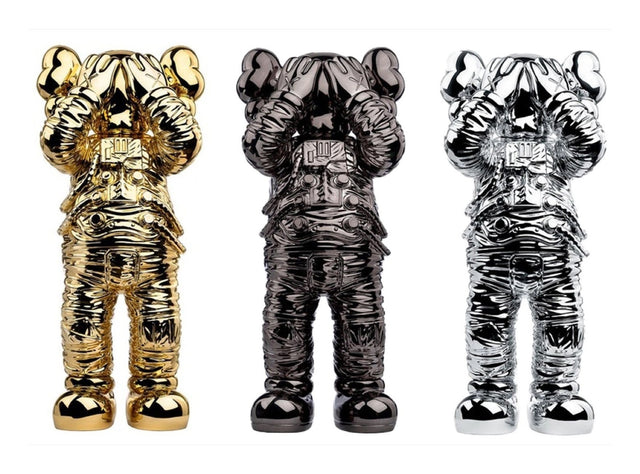
KAWS Holiday Space Set of 3 Gold Black Silver Companion Astronaut Figure Rare
$2,900.00 USD
-
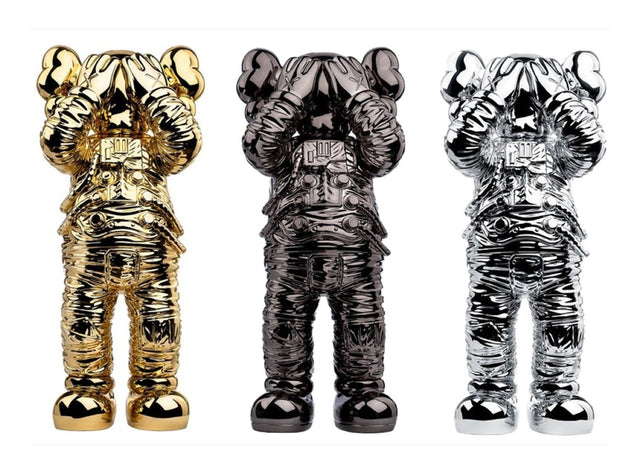
KAWS Holiday Space Set of 3 Gold Black Silver Companion Astronaut Figure
$2,900.00 USD
-
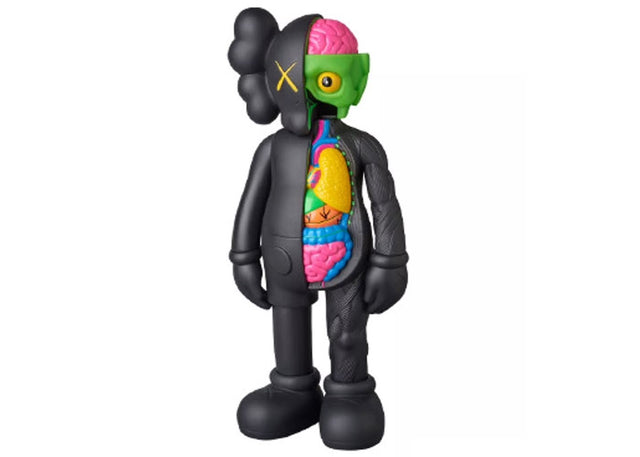
KAWS Companion Flayed Open Edition Black Medicom Toy Dissected Sealed New Figure
$599.00 USD
-
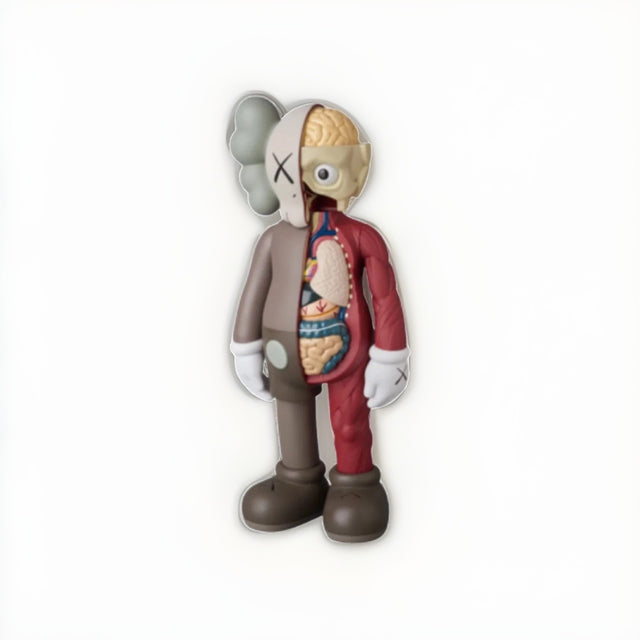
KAWS Companion Flayed Open Edition Brown Medicom Toy Dissected Sealed New Figure
$349.00 USD
-
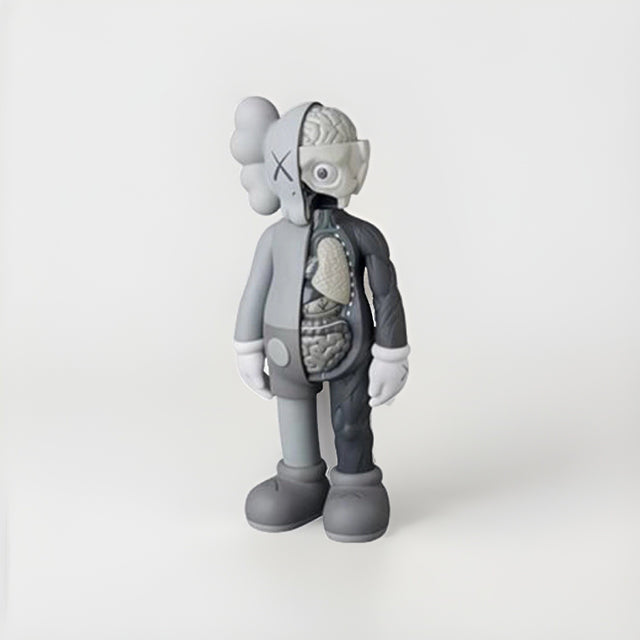
KAWS Companion Flayed Open Edition Grey Medicom Toy Dissected Sealed New Figure
$349.00 USD
Browse the collection for current listings.