Beyond the paperwork, confirm the seller can show where the piece came from, compare the asking price against recent verified sales, and inspect the packaging, printing, and finish against known production standards. Do those things in that order and buying a space-themed BE@RBRICK becomes a confident, well-documented acquisition instead of a gamble. For a KAWS or BE@RBRICK purchase, check the individual listing for release-specific packaging, production marks, condition and provenance. Manufacturer NFC is relevant only on releases that include it; a certificate alone does not establish authenticity.
That is the short answer. The longer answer — the one that will actually make you a sharper collector — involves understanding what these figures are, why the space-themed releases attract such intense collector interest, how the authentication chain for designer figurines actually works, and what a disciplined buying process looks like from first search to final unboxing. This guide walks through all of it.
What a NASA Apollo BE@RBRICK Actually Is
BE@RBRICK is the flagship collectible figure platform of Medicom Toy, the Tokyo-based company that introduced the format in 2001. The figure itself is deliberately simple — a stylized bear-shaped body with rotating joints — and that simplicity is the point. The blank canvas has hosted thousands of collaborations across fashion houses, musicians, anime franchises, contemporary artists, and cultural institutions. Standard production sizes include the pocket-sized 100% figure (roughly seven centimeters tall), the display-friendly 400%, and the statement-piece 1000%, which stands about seventy centimeters and anchors a room.
Space exploration has been one of the platform's recurring themes. Over the years, Medicom has produced space-themed BE@RBRICK releases that draw on the visual language of human spaceflight — astronaut suits, mission hardware, and the iconography of NASA's storied programs, including the Apollo era that put humans on the Moon. These releases resonate for an obvious reason: they sit at the intersection of two passionate collecting communities. Designer-toy collectors prize them as distinctive entries in the BE@RBRICK canon, while space enthusiasts see them as a playful, displayable way to celebrate the greatest engineering achievement of the twentieth century.
A quick note on terminology before we go further. When collectors say "NASA Apollo BE@RBRICK," they are talking about a licensed designer collectible — a vinyl art figure — not a piece of flown space hardware or an astronaut-signed artifact. That distinction matters because the two categories are authenticated in completely different ways. Space memorabilia such as signed photographs and flight-flown items lives in its own world of autograph authentication and mission documentation; you can explore that category in our space memorabilia collection. A BE@RBRICK, by contrast, is authenticated the way designer figurines are authenticated: through factory packaging, production verification, and modern certificate technology. This article stays firmly in the figurine lane.
Why Authentication Matters More for Space-Themed Releases
The BE@RBRICK market has matured dramatically since the early 2000s. What began as a niche Japanese toy line is now a global collecting category with an active secondary market, and the most sought-after releases — artist collaborations, licensed cultural properties, and thematically distinctive figures like the space releases — routinely change hands well above their original retail prices. Wherever demand outruns supply, replicas follow. That is not a reason for fear; it is simply a reason for process.
Space-themed releases attract particular attention from replica producers for three reasons. First, the crossover appeal we described above widens the pool of potential buyers, including newcomers who love the subject matter but have never handled a genuine Medicom figure and do not yet know what correct packaging, printing, and finish look like. Second, larger formats such as the 400% and 1000% command meaningful prices, which makes them worth counterfeiting. Third, because many space-themed figures feature detailed suit graphics and printed insignia, a casual photograph on a marketplace listing can make a mediocre replica look convincing.
The good news is that the authentication picture for designer figurines is actually one of the strongest in all of collecting — stronger, in many ways, than for prints or paintings. A BE@RBRICK is a manufactured product with consistent, verifiable production standards: standardized packaging, factory seals, hologram stickers, precise paint application, and molded markings. Every one of those is a checkpoint. Layer modern certificate technology on top and you get a verification chain that is genuinely hard to fake. Our guide to spotting a fake BE@RBRICK covers the inspection side in depth; here we will focus on how to buy so that inspection becomes confirmation rather than detective work.
The Authentication Chain for a BE@RBRICK, Step by Step
When our gallery vets a space-themed BE@RBRICK, the piece has to clear a sequence of gates. Understanding this chain will help you evaluate any seller, not just us.
1. Sealed Original Packaging with the Factory Hologram
Authentic BE@RBRICK figures ship in Medicom's original packaging, and genuine releases carry factory hologram security stickers on the box. The hologram is the first physical checkpoint: it is difficult to reproduce convincingly, and its presence on an unbroken factory seal tells you the figure inside has not been swapped, altered, or handled since it left production. For collectors, a sealed example with intact hologram is the gold standard — it preserves both the figure and the strongest physical evidence of authenticity in a single package.
This is also why we counsel patience to buyers tempted by loose figures at attractive prices. A loose BE@RBRICK is not necessarily inauthentic, but it has surrendered its most persuasive credential. Once the seal is broken, authentication shifts entirely to the figure itself and to documentation, and the burden of proof rises accordingly. When a sealed example exists in the market, the sealed example is almost always the better buy.
2. Release-Specific Authentication and Documentation
Packaging authenticates the product; a certificate authenticates the transaction and the custody chain.
- The blockchain record creates a tamper-proof digital certificate for the specific piece. Unlike a paper COA, it cannot be photocopied, altered after the fact, or attached to a different figure. The record exists independently of us, which means the certificate remains verifiable even years down the road.
- Online verification ties the piece to that digital record. Look up the certificate online and it resolves directly to the documented piece. There is no trusting a printout, no wondering whether the document in the box matches the item in your hands.
- Transferability matters for resale. When you eventually sell or gift the piece, the certificate travels with it, giving the next owner the same one-tap verification you enjoyed. Documented pieces are simply easier to sell, and they tend to command stronger prices because the buyer's risk is lower.
If you are new to certificate technology, our authentication FAQ answers the most common questions collectors ask about how digital certificates work and why they have become the standard for designer collectibles.
3. Documented Provenance
The third gate is the paper trail — or increasingly, the digital trail. Where did the seller get the piece? A credible answer looks like an original retail receipt, an auction invoice, a prior dealer's documentation, or an acquisition record from a known collection. A vague answer ("I've had it for years," "it came from a friend") is not automatically disqualifying, but it should lower your maximum price and raise your inspection standards. At our gallery, provenance documentation is part of the acquisition file for every piece we take in, and we share what we can with buyers. Ask any seller the same question and listen carefully to the quality of the answer.
4. Physical Verification Against Production Standards
Finally, the figure itself must look right. Genuine Medicom production is remarkably consistent: crisp, correctly registered printing on the body graphics; clean paint edges; correct vinyl color and surface finish; properly fitting joints; and the molded markings Medicom applies to its figures. Replicas most often betray themselves in the printing — fuzzy edges, slightly wrong colors, misaligned graphics — and in packaging details like cardstock quality, print sharpness, and box construction. Our spot-a-fake BE@RBRICK guide walks through these checkpoints with a collector's eye, and it is worth reading before you evaluate any listing.
Where to Buy: Comparing Your Channels
Not all buying venues carry the same risk profile. Here is how the main channels compare for a collector pursuing a space-themed BE@RBRICK:
| Channel | Authentication Support | Typical Risk Level | Best For |
|---|---|---|---|
| Authenticated dealer (e.g., Gauntlet Gallery) | Check release-specific physical evidence and the documentation stated in the individual listing. | Low | Collectors who want verification handled before purchase and documentation that travels with the piece |
| Original retail release (Medicom channels) | Direct from source; no third-party verification needed | Very low, but availability is fleeting | Buyers present at the moment of release; lottery and drop mechanics often apply |
| Major auction houses | Specialist vetting; condition reports on request | Low to moderate | Rare large-format examples; expect buyer's premiums on top of the hammer price |
| General online marketplaces | Varies enormously by seller; platform authentication programs cover some categories | Moderate to high | Experienced collectors who can evaluate listings critically and vet sellers themselves |
| Social media and forum sales | Usually none beyond the seller's word | High | Transactions within long-established, reputation-based collector communities only |
The pattern is straightforward: the further you move from documented, accountable sellers, the more of the authentication burden shifts onto you. There is nothing wrong with hunting marketplaces — some excellent pieces surface there — but you should price the added risk and diligence into every offer you make. For a broader orientation to the category before you commit, our BE@RBRICK buyer's guide covers sizing, series structure, collaboration types, and collecting strategy from the ground up.
Choosing the Right Size and Format
Before you evaluate individual listings, decide what you are actually collecting toward, because the size question shapes everything downstream — budget, display space, storage, shipping risk, and resale audience.
The 100% figure is the entry point and the workhorse of the platform. It is affordable to acquire, easy to display in multiples, and simple to store and ship, which makes it forgiving for a first purchase. Many collectors build themed shelves of 100% figures and find that the format's density — many designs in a small footprint — is its own pleasure. The trade-off is subtlety: fine suit graphics and insignia read small at seven centimeters, and the format's ubiquity means individual examples rarely become the centerpiece of a collection.
The 400% figure is, for many collectors, the sweet spot. At roughly twenty-eight centimeters it is large enough for printed detail to shine — a real consideration for space designs, where the suit graphics carry the concept — while remaining practical to display, insure, and ship. Secondary-market liquidity for desirable 400% releases tends to be healthy, which matters when you eventually sell.
The 1000% figure is a commitment. Standing about seventy centimeters, it is a genuine design object that dominates a room, and large-format examples of sought-after releases are trophy pieces. But the format demands respect: boxes are large, shipping requires care and proper packing, and display space is non-trivial. Condition standards are also less forgiving at this scale, since scuffs and paint flaws are plainly visible. Buy the 1000% when you know exactly where it will live.
Whichever format you choose, apply the same authentication chain. Size changes the stakes, not the standards — though as prices rise with scale, the value of sealed packaging, certificate verification, and documented provenance rises right along with them.
How to Evaluate a Specific Listing
Suppose you have found a space-themed BE@RBRICK you want. Before money moves, work through this evaluation in order.
Identify the Exact Release
BE@RBRICK releases are specific: a particular design, in a particular size, from a particular collaboration or series. Pin down exactly which release you are looking at before you think about price. Cross-reference the design against reliable references — our BE@RBRICK index catalogs releases across the platform's history and is a good place to confirm that the figure in the listing corresponds to a real production release. Replica producers sometimes invent colorways and size combinations that never existed; a figure that cannot be matched to a documented release is a hard pass, no matter how attractive the price.
Scrutinize the Photography
Serious sellers photograph generously: the sealed box from multiple angles, the hologram sticker up close, the figure's front and back graphics, the feet and molded markings, and any documentation. Sparse or stock photography is a yellow flag — always request original, current photos of the actual item. Pay particular attention to print registration on the suit graphics and insignia, where replicas most often drift. If the seller resists providing detailed photos, walk away; abundance of caution costs you nothing, and legitimate sellers understand exactly why you are asking.
Interrogate the Provenance
Ask directly: where did this piece come from, and what documentation comes with it? Original receipts, dealer invoices, and certificate records all strengthen the case. So does a seller with a long, verifiable track record in the category. Weigh the whole picture rather than any single element — strong photos plus weak provenance plus an unusually low price is a combination that should make you slow down considerably.
Compare the Price Against Real Sales Data
Asking prices are opinions; sold prices are facts. Before you commit, compare the listing against recent verified sales of the same release in the same size and condition. A price dramatically below the verified-sales range is not a bargain signal — it is an authenticity question wearing a discount costume. For current market context on the category, see our BE@RBRICK price guide , and for the broader analytical approach we take to designer collectibles, our financial insights hub explains how we read sales data across categories. Compare the same BE@RBRICK release, size and collaboration using dated completed sales, including packaging, condition and provenance. A format-wide growth rate does not value an individual figure.
The Gauntlet Gallery Approach
We built our process around a simple conviction: a collector should never have to take authenticity on faith. Every designer figurine that enters our inventory is vetted against the full chain described above — release identification, packaging and hologram verification, physical inspection, and provenance documentation — before it is ever listed.
Just as importantly, we price from evidence. You can browse current space-themed and other releases in our BE@RBRICK collection , and if your collecting interests run broader across the designer-toy landscape, our full figurines collection spans the wider category. For collectors building expertise across multiple categories, the Collector's Hub gathers our guides, indexes, and market resources in one place.
After the Purchase: Provenance, Records, and Care
Buying well is half the job; owning well is the other half. A few habits will protect both the piece and its future value.
Keep the Documentation Ecosystem Intact
Store the purchase invoice, any prior provenance documents, and your certificate access details together, and keep digital copies backed up. When your piece carries a blockchain certificate, familiarize yourself with how the online verification works while the purchase is fresh — it takes two minutes and pays off every time you insure, appraise, or eventually sell the piece. A complete documentation file is the single cheapest thing you can do to support long-term value.
Preserve the Packaging
In the designer-figurine world, packaging is part of the collectible. A sealed example should generally stay sealed if value preservation is your priority; the intact factory seal and hologram are doing authentication work every day they survive. If you choose to display the figure — and many collectors rightly do, since these objects are made to be enjoyed — open the packaging carefully, keep every insert and box component, and store the box flat, dry, and out of sunlight. An opened figure with pristine, complete packaging remains far more marketable than a loose figure with none.
Control the Display Environment
Vinyl is durable but not invulnerable. Direct sunlight is the enemy — ultraviolet exposure can yellow white vinyl and fade printed graphics over time, which is a particular concern for space-themed figures whose white suit surfaces and printed insignia carry so much of the design. Display away from windows or behind UV-filtering glass, keep temperatures moderate and stable, and dust with a soft dry cloth rather than solvents or cleaners. Large-format figures should stand on stable, level surfaces where an accidental knock cannot become a tragedy.
Revisit Value Periodically
The designer-collectible market moves. Check recent verified sales for your release every year or so, both for insurance purposes and to stay informed as a collector. Qualitative awareness — knowing whether interest in your corner of the market is building or cooling — makes you a better buyer for your next acquisition, too.
Your NASA Apollo BE@RBRICK Buying Checklist
Here is the whole process, distilled into a sequence you can run on any prospective purchase:
- Confirm the release exists. Match the design, size, and series against a reliable reference before evaluating anything else.
- Prefer sealed original packaging. Look for the intact factory seal and hologram sticker on the Medicom box.
- Demand real photography. Current, detailed photos of the actual item — box, hologram, graphics, feet, and documentation.
- Ask the provenance question. Where did it come from, and what paperwork proves it? Weigh the answer honestly.
- Verify the certificate.
- Price against sold data, not asking prices. Compare recent verified sales for the same release, size, and condition; treat deep discounts as questions, not gifts.
- Buy from accountability. Choose sellers who stand behind authenticity with documentation and a track record, not just confident language.
- Protect the piece after purchase. Keep documentation together, preserve packaging, and display away from UV exposure.
Run every prospective purchase through that list and you will filter out the overwhelming majority of problem listings before any money is at risk — and the pieces that pass will be pieces you can own, display, and eventually resell with complete confidence.
Frequently Asked Questions
What makes a BE@RBRICK authentic?
An authentic BE@RBRICK is a genuine Medicom Toy production: correct packaging with the factory hologram sticker, production-standard printing and finish on the figure, molded markings consistent with Medicom manufacturing, and a design that corresponds to a real documented release.
Should I buy a sealed or opened figure?
If value preservation is your priority, sealed. The unbroken factory seal and hologram are the strongest physical evidence of authenticity, and sealed examples consistently command a premium in the secondary market. An opened figure with complete, well-kept packaging is entirely collectible — especially if you plan to display it — but expect the market to price the difference, and apply extra diligence when the seal is already broken.
How do I check the price is fair?
Compare the listing against recent verified sales of the identical release, size, and condition — sold prices, not asking prices. Consult our BE@RBRICK price guide for category context, and be suspicious of any price far below the documented range.
Is a space-themed BE@RBRICK the same as space memorabilia?
No — and the distinction shapes how each is authenticated. A NASA-themed BE@RBRICK is a licensed designer collectible verified through packaging, production standards, and certificate technology. Space memorabilia — astronaut autographs, mission artifacts, flight-flown items — is a separate collecting category with its own authentication world. If both interest you, treat them as two disciplines and learn each one's verification standards on its own terms.
What if I already own a figure and want it verified?
Start with the physical checkpoints: packaging quality, hologram, print registration, finish, and molded markings, cross-referenced against a documented release. Gather whatever provenance you have — receipts, prior sale records, correspondence. Our spot-a-fake resources can guide a structured self-examination, and a reputable dealer in the category can offer an experienced opinion on pieces you are considering consigning or selling.
Shop BE@RBRICK
Explore current pieces available from the gallery.
-
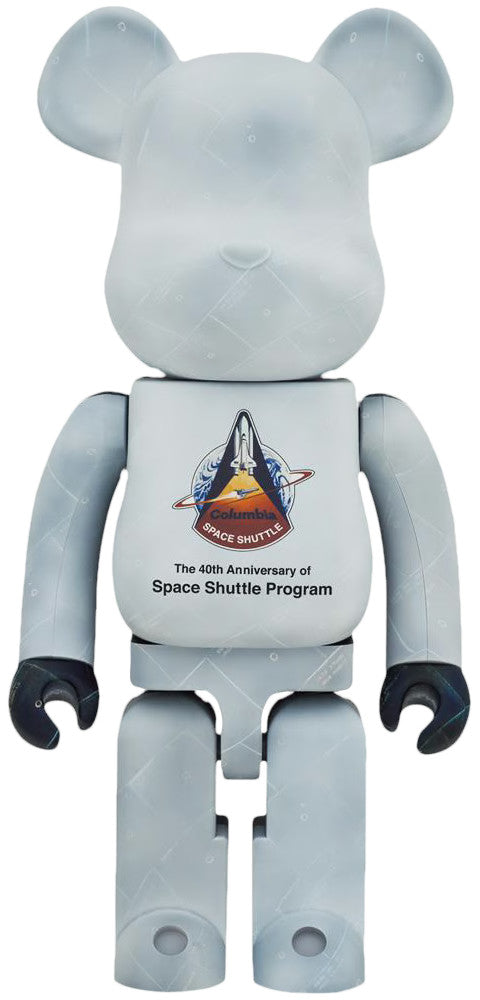
BE@RBRICK NASA Space Shuttle 40th Anniversary 1000% Medicom Toy Bearbrick
$600.00 USD
-
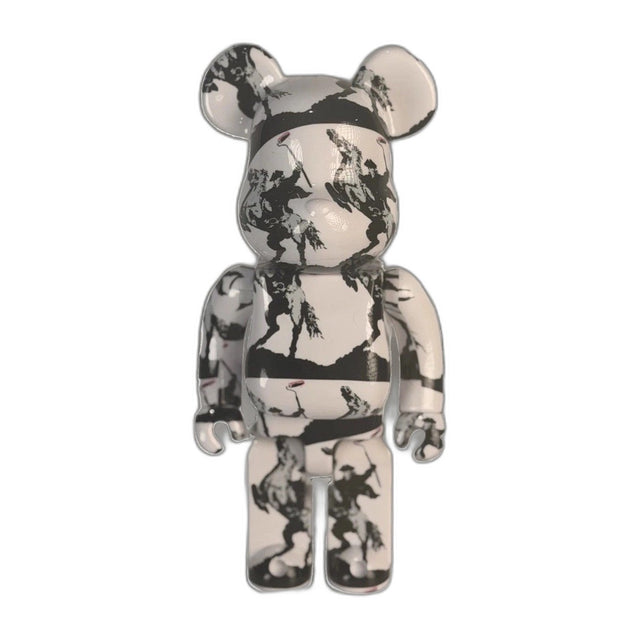
BE@RBRICK Brandalism Sync Banksy Medicom Toy Art Figure du-al.io Authenticated
$199.00 USD
-
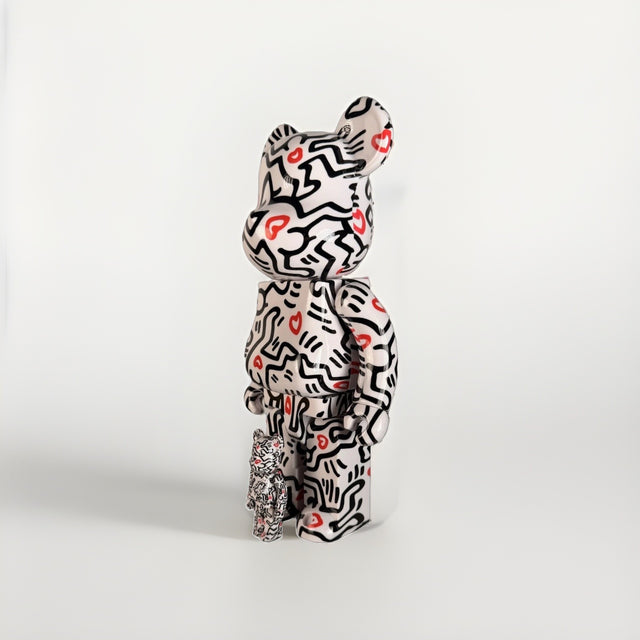
BE@RBRICK Keith Haring 400% + 100% Set Medicom Toy Bearbrick Foundation Art New
$199.00 USD
-
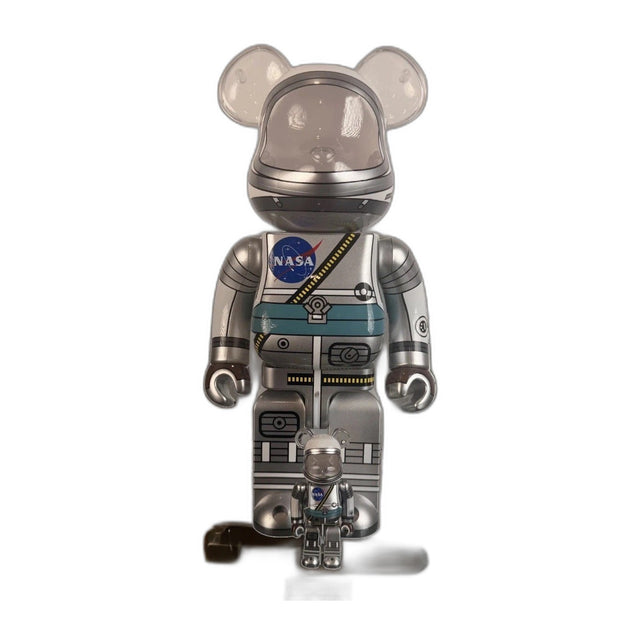
Bearbrick BE@RBRICK Mercury Astronaut 400% 100% Set NASA Medicom Toy Sealed New
$225.00 USD
-
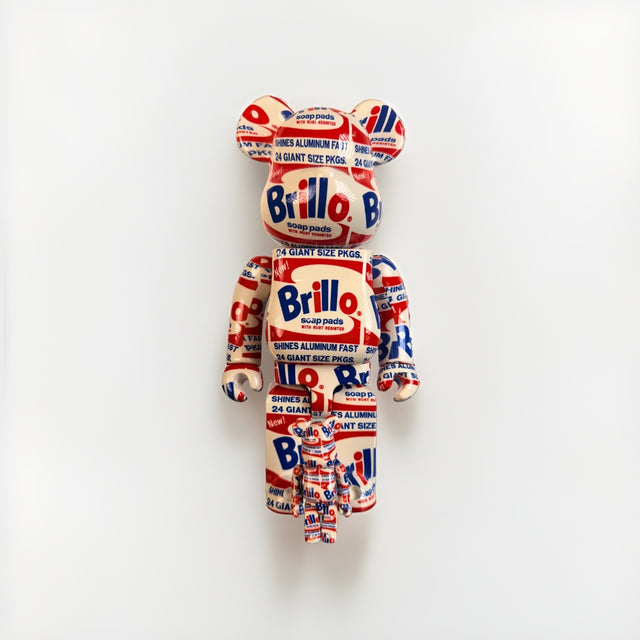
Bearbrick BE@RBRICK Andy Warhol Brillo 400% 100% Set Original 2020 Medicom New
$275.00 USD
Browse the collection for current listings.